
The rhythmic clang, the shimmering wash, the sharp accent – cymbals are an integral part of musical expression across genres. But when you see a drummer expertly wielding them, or a percussionist setting them into a frenzy of sound, a fundamental question might arise: what exactly do you call a pair of cymbals? While the simple answer might seem obvious, delving into the terminology and the broader context surrounding cymbals reveals a fascinating intersection of musical artistry, technological innovation, and even the business of sound.
Unpacking the Percussive Pair: Beyond Just “Cymbals”
At its most basic, a pair of cymbals, when referred to collectively as a set designed for a drummer, is typically known as a cymbal set or a cymbal pack. These are pre-packaged assortments of cymbals often sold by manufacturers to provide drummers with a starting point or a curated sonic palette. However, this collective term often encompasses a variety of individual cymbal types, each with its unique role and name.
The Core Components of a Cymbal Setup
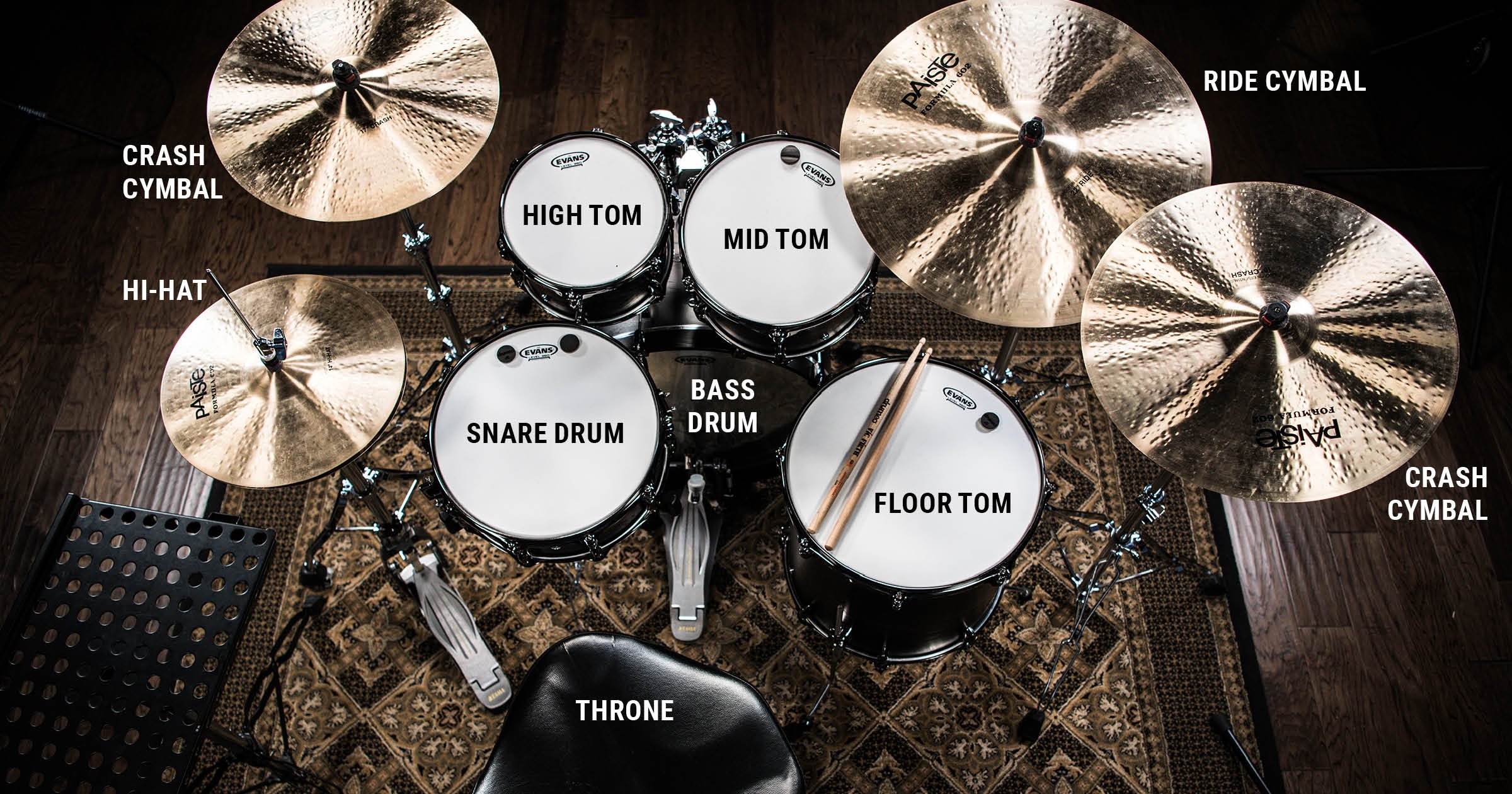
Understanding what a pair of cymbals is called necessitates an understanding of the individual instruments that constitute a typical drum kit. While the exact configuration varies wildly from drummer to drummer and genre to genre, certain cymbals are almost universally present.
The Workhorses: Hi-Hats
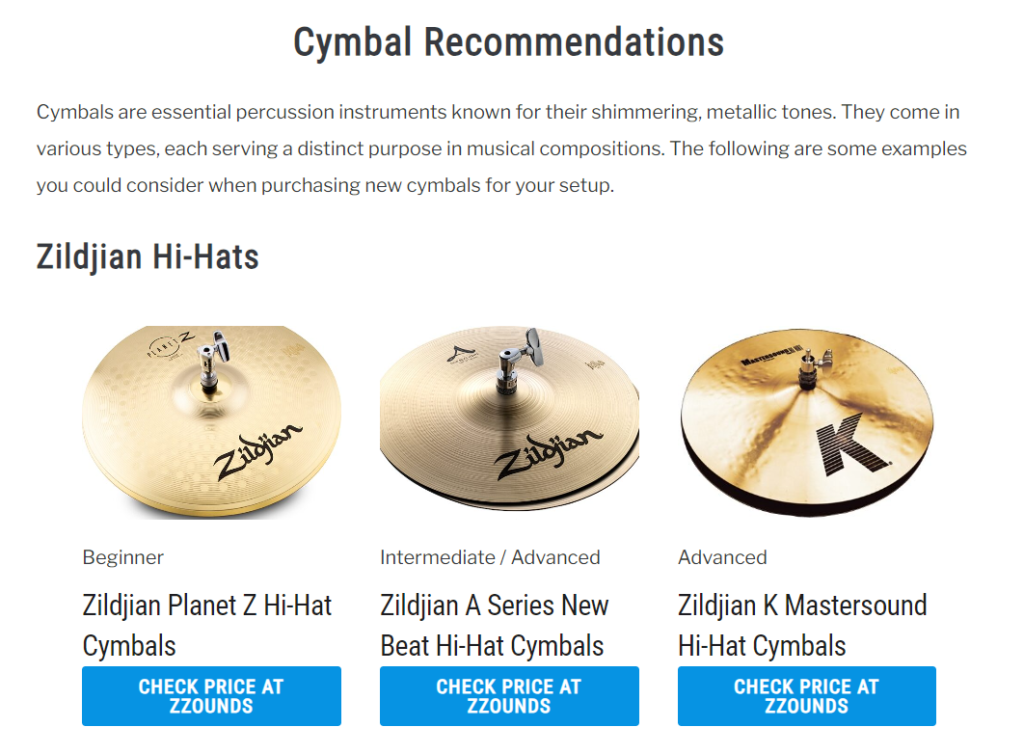
Perhaps the most consistently present “pair” of cymbals is the hi-hat. This consists of two cymbals mounted on a stand that can be operated with a foot pedal. When the pedal is pressed, the two cymbals close together, producing a crisp, percussive “chick” sound. When played with drumsticks while open or partially open, they create a sustained “sizzling” or “swishing” sound. The hi-hat is the rhythmic engine for many drummers, providing the steady pulse and intricate fills that drive a song. The term “hi-hat” itself likely originated from the visual resemblance to a pair of hat stands or the action of raising and lowering the cymbals.
The Expressive Accents: Crashes and Rides
Beyond the hi-hats, a drummer’s setup usually includes at least one crash cymbal. This is a larger, thinner cymbal designed for accents and dramatic effect. Striking a crash cymbal produces a loud, explosive, and sustained sound that signals a change in the music or a moment of emphasis. Drummers often have multiple crash cymbals of different sizes and pitches to offer a wider range of accents.
Complementing the crash cymbal is the ride cymbal. Typically larger and heavier than a crash cymbal, the ride cymbal is designed to be played for sustained rhythmic patterns. Its sound is clearer and less overpowering than a crash, allowing it to provide a consistent “ping” or “wash” that underpins the groove. Many drummers use the bell of the ride cymbal, a raised central area, for a distinct, cutting sound that can be used for rhythmic accents.
The Finer Points: Splashes, Chinas, and Effects
Beyond these foundational cymbals, a drummer might incorporate a variety of effects cymbals to add unique textures. Splash cymbals are small and thin, producing a quick, bright, and short burst of sound. China cymbals, often referred to as “trash cymbals,” have an inverted profile and produce a raw, aggressive, and “trashy” sound. Other specialized cymbals like swish cymbals (with rivets for a sustained sizzle) or bell cymbals further expand the sonic possibilities.
When all these individual cymbals are considered as a collection for a drum kit, the term drum set cymbals or simply drum cymbals is often used.
The Evolution of Cymbal Design: From Ancient Origins to Modern Marvels
The origins of cymbals stretch back thousands of years to ancient Mesopotamia, where they were likely used in religious ceremonies and military contexts. Early cymbals were often hand-forged from bronze or other copper alloys, with their sound characteristics heavily influenced by the craftsmanship and the materials used.
The Industrial Revolution and Mass Production
The advent of the Industrial Revolution and advancements in metallurgy and manufacturing processes significantly impacted cymbal production. Factories began to emerge, employing standardized techniques and allowing for greater consistency and affordability. This period saw the development of distinct cymbal families and the refinement of alloys like B20 bronze (80% copper, 20% tin) and B8 bronze (92% copper, 8% tin), each offering unique tonal qualities.
Technological Integration in Cymbal Manufacturing
Today, cymbal manufacturing blends traditional artistry with modern technology. While many high-end cymbals are still hand-hammered and lathed by skilled artisans, sophisticated machinery plays a role in shaping, tempering, and finishing. Computer-aided design (CAD) and precision cutting technologies are used to ensure consistent profiles and reduce waste. This technological integration allows manufacturers to produce cymbals with even greater consistency, explore novel sonic textures, and cater to a wider range of musical demands.
AI and the Future of Sound Design
Looking ahead, the influence of AI tools might even begin to touch the world of percussion. While the idea of an AI composing a symphony is still largely theoretical, AI could play a role in:
- Material Science Exploration: AI algorithms could analyze vast datasets of metal compositions and their acoustic properties to identify novel alloys or treatment methods that produce unique cymbal sounds.
- Predictive Quality Control: AI could be used to analyze manufacturing data in real-time, identifying potential flaws or inconsistencies before they impact the final product, leading to higher quality and fewer rejects.
- Personalized Sound Design: Imagine an AI that analyzes a musician’s playing style and preferences, then suggests or even helps design custom cymbal characteristics tailored to their specific needs. This is a more futuristic concept, but the underlying data analysis capabilities of AI make it a plausible avenue for exploration.
The Brand of the Beat: Marketing and Identity in the Cymbal Industry
The cymbal market is a competitive landscape, dominated by established brands with rich histories and strong reputations. Companies invest heavily in brand strategy to differentiate their products and connect with musicians.
Iconic Brands and Their Sonic Signatures
Brands like Zildjian, Sabian, Paiste, and Meinl are household names among drummers. Each brand has cultivated a distinct “sonic signature” – a recognizable sound profile that appeals to specific musical genres and player preferences. Zildjian, for instance, is often associated with classic rock and jazz sounds, while Sabian is known for its modern, cutting-edge tones. Paiste is celebrated for its bright, shimmering sounds, and Meinl offers a wide range of world percussion and innovative effects cymbals.
Marketing Through Artists and Endorsements
A crucial aspect of marketing for cymbal brands involves artist endorsements. When renowned drummers use and advocate for a particular brand, it lends significant credibility and aspirational value to those products. These endorsements are often showcased through advertisements, social media campaigns, and artist signature series cymbals, which are designed in collaboration with specific musicians.
Corporate Identity and Product Development
The corporate identity of a cymbal company extends beyond its logo and marketing materials. It encompasses their manufacturing philosophy, their commitment to quality, and their continuous efforts in product development. Brands often release new lines of cymbals or innovative designs in response to evolving musical trends and drummer feedback. Case studies of successful product launches and collaborations with artists highlight their ability to adapt and innovate within the market.
The Financial Rhythms of Percussion: From Personal Finance to Business Ventures
The world of cymbals also has a significant connection to money, both for individual musicians and for the companies that produce them.
Personal Finance for Musicians: Investing in Your Sound
For aspiring and professional drummers, cymbals represent a significant personal finance investment. A good set of cymbals can cost anywhere from a few hundred to several thousand dollars. Musicians must budget carefully, prioritizing which cymbals will have the greatest impact on their sound and playing. This involves considering:
- The role of the cymbals in their music: A jazz drummer will have different needs than a metal drummer.
- Durability and longevity: Investing in higher-quality cymbals can often mean they last longer, reducing the need for frequent replacements.
- Resale value: Certain brands and models hold their value well, making them a potentially good investment.
Many musicians also explore online income opportunities, such as teaching, performing, or creating content, to fund their passion for instruments like cymbals.
Business Finance in the Cymbal Industry
For cymbal manufacturers, the business finance aspect is paramount. This includes managing production costs, research and development budgets, marketing expenditures, and distribution networks. Profitability hinges on understanding market demand, pricing strategies, and maintaining efficient operations. Companies must balance the cost of premium materials and skilled labor with competitive pricing to attract customers.
Side Hustles and the Used Cymbal Market
The vibrant used cymbal market represents a significant economic ecosystem. Platforms for buying and selling used cymbals offer both financial opportunities and cost-saving measures. Individuals can find great deals on pre-owned instruments, while others can generate side hustles by refurbishing and reselling vintage or desirable cymbal models. This creates a circular economy within the drumming community, making high-quality percussion accessible to a wider audience.
Conclusion: The Enduring Resonance of the Cymbal Pair
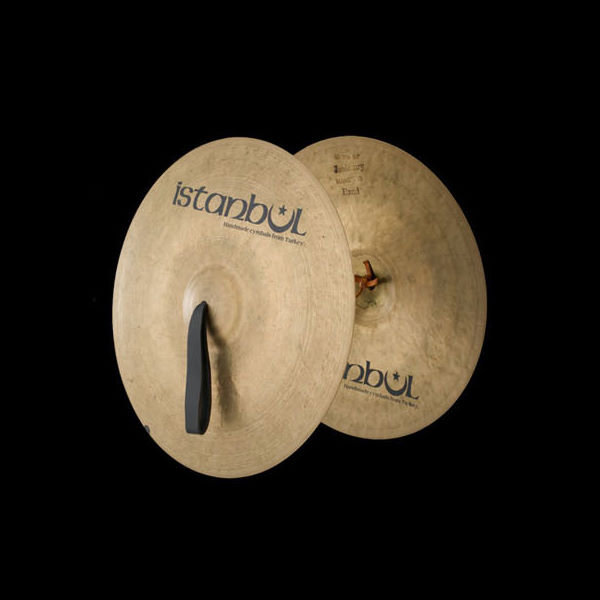
So, what is a pair of cymbals called? While “cymbal set” or “cymbal pack” are common collective terms, the true answer lies in the intricate details of each individual cymbal’s name and function. From the foundational hi-hat to the expressive crash and the rhythmic ride, each component contributes to the overall sonic tapestry.
Beyond their musical role, cymbals are a product of evolving technology, a testament to branding and marketing prowess, and an element within the financial landscape of both individual musicians and global industries. The simple act of striking a cymbal unleashes a sound that resonates through history, technology, and commerce, proving that even the most seemingly straightforward musical instrument is deeply intertwined with the broader tapestry of our modern world.
aViewFromTheCave is a participant in the Amazon Services LLC Associates Program, an affiliate advertising program designed to provide a means for sites to earn advertising fees by advertising and linking to Amazon.com. Amazon, the Amazon logo, AmazonSupply, and the AmazonSupply logo are trademarks of Amazon.com, Inc. or its affiliates. As an Amazon Associate we earn affiliate commissions from qualifying purchases.