
In the complex landscape of global economics and personal finance, few terms carry as much weight as the “refi rate.” Short for the refinancing rate, this figure serves as a cornerstone for how money flows through an economy, influencing everything from the interest you pay on a suburban mortgage to the multibillion-dollar liquidity operations of international banks. At its core, the refi rate is the cost of borrowing money, but its implications ripple through every layer of the financial ecosystem. To understand the refi rate is to understand the pulse of the financial markets and the strategic decisions made by central banks and individual consumers alike.
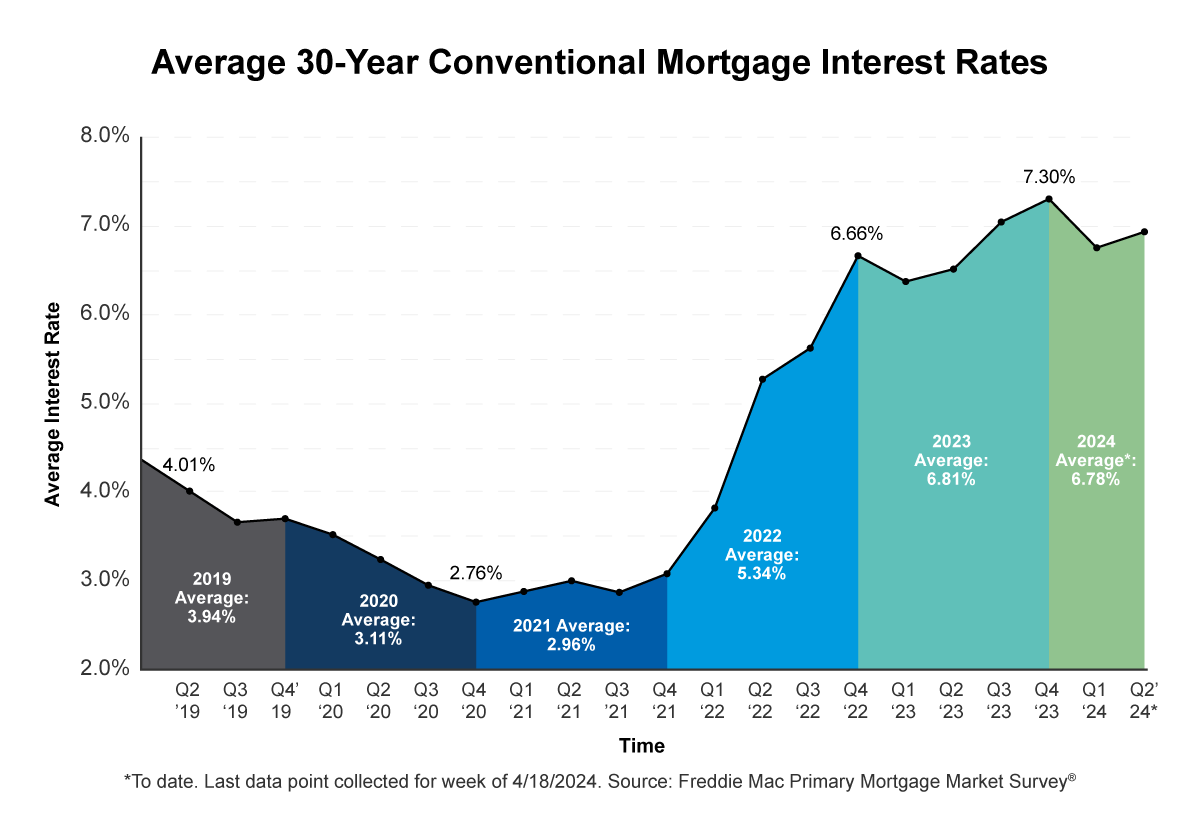
The term “refi rate” typically refers to one of two things depending on the context: the official interest rate set by a central bank (most notably the European Central Bank) or the market rate at which a borrower replaces an existing debt obligation with a new one under different terms. In both instances, the refi rate acts as a benchmark for the price of capital, determining the feasibility of investments and the health of consumer spending.
The Mechanics of the Refi Rate in Central Banking
When economists and financial analysts discuss the “refi rate” in a macro context, they are often referring to the Main Refinancing Operations (MRO) rate. This is the interest rate that central banks charge commercial banks when they provide them with liquidity, typically on a weekly basis. This mechanism is the primary tool used to manage the money supply and control inflation within a specific currency zone.
The Role of Central Banks and Liquidity
Central banks, such as the European Central Bank (ECB) or the Federal Reserve, use the refi rate to steer the economy. When the refi rate is lowered, it becomes cheaper for commercial banks to borrow money. These banks, in turn, can offer lower interest rates to businesses and consumers. This stimulates economic activity by making it more affordable to fund new projects, buy homes, or purchase consumer goods. Conversely, when the economy is overheating and inflation is rising, the central bank may increase the refi rate to make borrowing more expensive, thereby slowing down spending and stabilizing prices.
The Transmission Mechanism
The “transmission mechanism” is the process through which a change in the central bank’s refi rate filters down to the average citizen. It begins with the interbank lending market. When the refi rate increases, banks must pay more to secure their own funding. To maintain their profit margins, they increase the rates they charge on loans, credit cards, and mortgages. Simultaneously, they may increase the interest rates offered on savings accounts to attract deposits. This creates a direct link between the high-level policy decisions made in a central bank boardroom and the monthly budget of a household.
The Consumer Perspective: Refinancing and Interest Rates
While central banks set the benchmark, the “refi rate” most familiar to the general public is the rate associated with refinancing personal debt. Refinancing is the process of taking out a new loan to pay off an existing one, usually to take advantage of lower interest rates or more favorable terms. In this context, the refi rate is the current market rate available to a borrower based on their creditworthiness and the broader economic climate.
Mortgage Refinancing
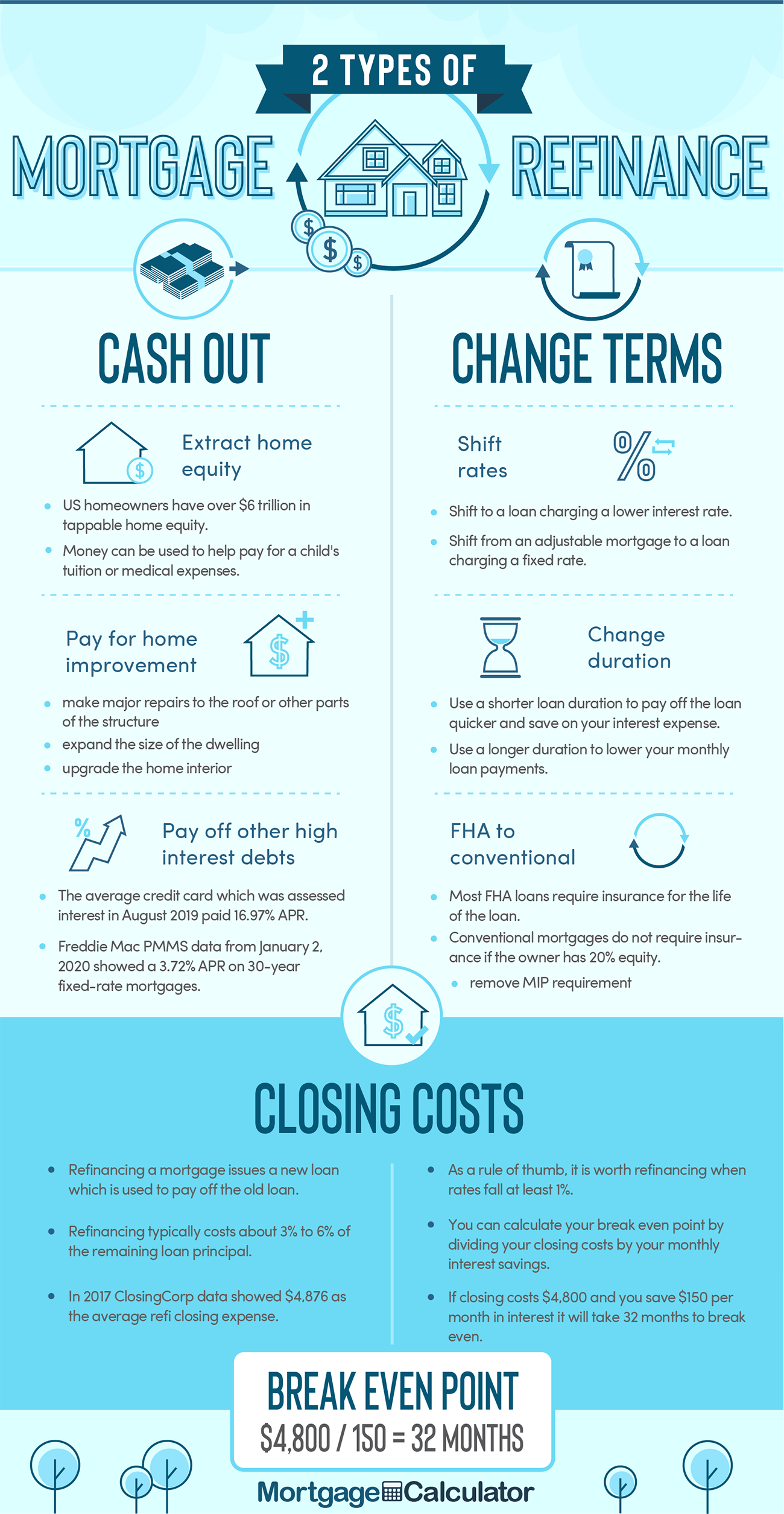
The most common application of the refi rate for individuals is in the mortgage market. Homeowners monitor refi rates closely to determine if they can reduce their monthly payments or shorten their loan term. For example, if a homeowner secured a mortgage at a 6% interest rate and the current refi rate drops to 4%, they may choose to refinance. This move can save tens of thousands of dollars over the life of the loan. However, the decision to refinance is not based solely on the rate itself; it also involves calculating closing costs, the “break-even point,” and the remaining duration of the original debt.
Auto Loans and Personal Debt
Beyond real estate, refi rates are pivotal in managing high-interest consumer debt. Many individuals use debt consolidation or auto loan refinancing to move away from predatory or high-interest rates toward more manageable payments. When market refi rates are low, consumers have a window of opportunity to restructure their liabilities, freeing up disposable income that can then be diverted toward savings, investments, or essential spending. This cycle of debt optimization is a critical component of personal wealth management and financial stability.
Factors That Influence Refi Rate Fluctuations
Refi rates do not exist in a vacuum. They are influenced by a myriad of economic indicators, geopolitical events, and market sentiments. Understanding these drivers is essential for anyone looking to time their financial moves effectively.
Inflation and Economic Indicators
Inflation is perhaps the most significant driver of refi rates. If the cost of goods and services rises too quickly, the purchasing power of a currency diminishes. To combat this, central banks raise rates to dampen demand. Investors also demand higher yields on bonds when inflation is high, which pushes market interest rates upward. Other indicators, such as Gross Domestic Product (GDP) growth, unemployment figures, and manufacturing output, provide a roadmap for where rates might head. A booming economy often leads to higher refi rates to prevent “overheating,” while a recessionary environment usually leads to rate cuts to jumpstart growth.
Global Market Volatility and Risk Appetite
In times of global uncertainty—such as geopolitical conflicts, pandemics, or trade wars—investors often seek “safe-haven” assets like government bonds. This increased demand for bonds can drive down yields, which in turn can lead to lower refi rates in the consumer market. Conversely, if the market perceives a high level of risk in the banking sector or the broader economy, lenders may increase the “risk premium” they charge, leading to higher refi rates for borrowers despite what central banks might be doing.
Strategic Financial Management in Different Rate Environments
Navigating the refi rate requires a proactive approach to financial planning. Whether rates are at historic lows or climbing toward new peaks, there are specific strategies that savvy investors and households can employ.
Capitalizing on Low-Rate Environments
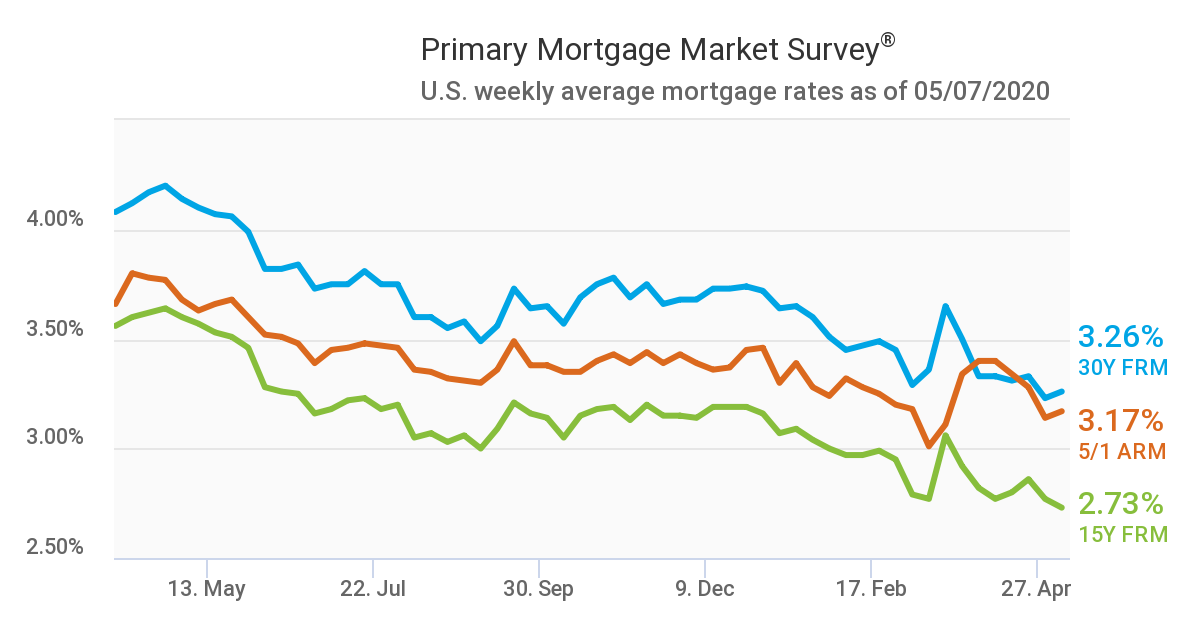
When refi rates are low, the primary strategy is “locking in.” This applies to both homeowners and businesses. For a homeowner, switching from a variable-rate mortgage to a fixed-rate mortgage during a low-rate period provides protection against future increases. For a business, low refi rates represent a “goldilocks” period for expansion. Taking on low-cost debt to fund research and development or to acquire competitors can lead to significant long-term growth. Additionally, low rates are an ideal time to pay down high-interest debt by transferring balances to lower-interest instruments.
Navigating High-Rate Environments
In a high-rate environment, the focus shifts from borrowing to saving and efficiency. This is a time when high-yield savings accounts and Certificates of Deposit (CDs) become attractive, as the interest earned on deposits increases. For those with existing debt, the strategy becomes one of accelerated repayment. Since the cost of carrying debt is higher, every dollar used to pay down principal yields a higher “return” in the form of avoided interest. Furthermore, in a high-rate market, potential buyers often wait for a “pivot” in central bank policy, building up cash reserves in the meantime to minimize the amount they will eventually need to borrow.
The Long-term Economic Implications of the Refi Rate
The refi rate is more than just a number on a bank statement; it is a fundamental tool for social and economic engineering. Its long-term impacts shape the very structure of society, from homeownership rates to the wealth gap.
Housing Market Stability and Accessibility
The refi rate is the primary gatekeeper for the housing market. When rates are consistently low, housing prices tend to rise because buyers can afford larger loans for the same monthly payment. While this benefits existing homeowners through equity growth, it can create barriers to entry for first-time buyers. When refi rates rise, the market often cools, leading to a stabilization or even a decrease in home prices, though the cost of financing that home remains high. The balance of the refi rate is therefore crucial for maintaining a healthy, accessible housing market.
Corporate Investment and Innovation
For the corporate sector, the refi rate dictates the “hurdle rate”—the minimum return a company expects on an investment. If the refi rate is high, fewer projects meet this threshold, leading to a slowdown in innovation and hiring. If the rate is low, capital is “cheap,” and companies are more likely to take risks. However, excessively low rates for too long can lead to the emergence of “zombie companies”—firms that are only able to survive because of the low cost of servicing their debt, rather than through actual productivity.
In conclusion, the refi rate is a multifaceted instrument that serves as the heartbeat of the financial world. Whether it is viewed through the lens of a central bank managing a continental economy or a family trying to save a few hundred dollars a month on their mortgage, its influence is absolute. By staying informed about the movements of the refi rate and understanding the underlying economic forces at play, individuals and businesses can make informed decisions that safeguard their financial future and capitalize on the ever-changing tides of the global market. Understanding “what is a refi rate” is not just about knowing a definition; it is about recognizing the power of interest in shaping the world around us.
aViewFromTheCave is a participant in the Amazon Services LLC Associates Program, an affiliate advertising program designed to provide a means for sites to earn advertising fees by advertising and linking to Amazon.com. Amazon, the Amazon logo, AmazonSupply, and the AmazonSupply logo are trademarks of Amazon.com, Inc. or its affiliates. As an Amazon Associate we earn affiliate commissions from qualifying purchases.