
A home loan, commonly referred to as a mortgage, is perhaps the most significant financial commitment an individual will make in their lifetime. At its core, a home loan is a specialized debt instrument used to purchase real estate without paying the full value of the property upfront in cash. Instead, a financial institution—typically a bank, credit union, or specialized mortgage lender—provides the necessary funds, which the borrower agrees to repay over a predetermined period, plus interest.
The mechanics of a home loan are built upon the concept of collateral. The property being purchased serves as security for the loan. If the borrower fails to meet the repayment terms, the lender maintains the legal right to seize the property through a process known as foreclosure to recoup their investment. This secured nature of the loan is precisely what allows interest rates on home loans to be significantly lower than those of unsecured debts, such as credit cards or personal loans. Understanding the nuances of this financial tool is essential for long-term wealth building and personal financial stability.
The Anatomy of a Home Loan: Key Financial Components
To understand what a home loan is, one must first deconstruct its primary components. Every mortgage is a combination of several financial variables that determine both the monthly cost and the total cost of ownership over time.
Principal and Interest
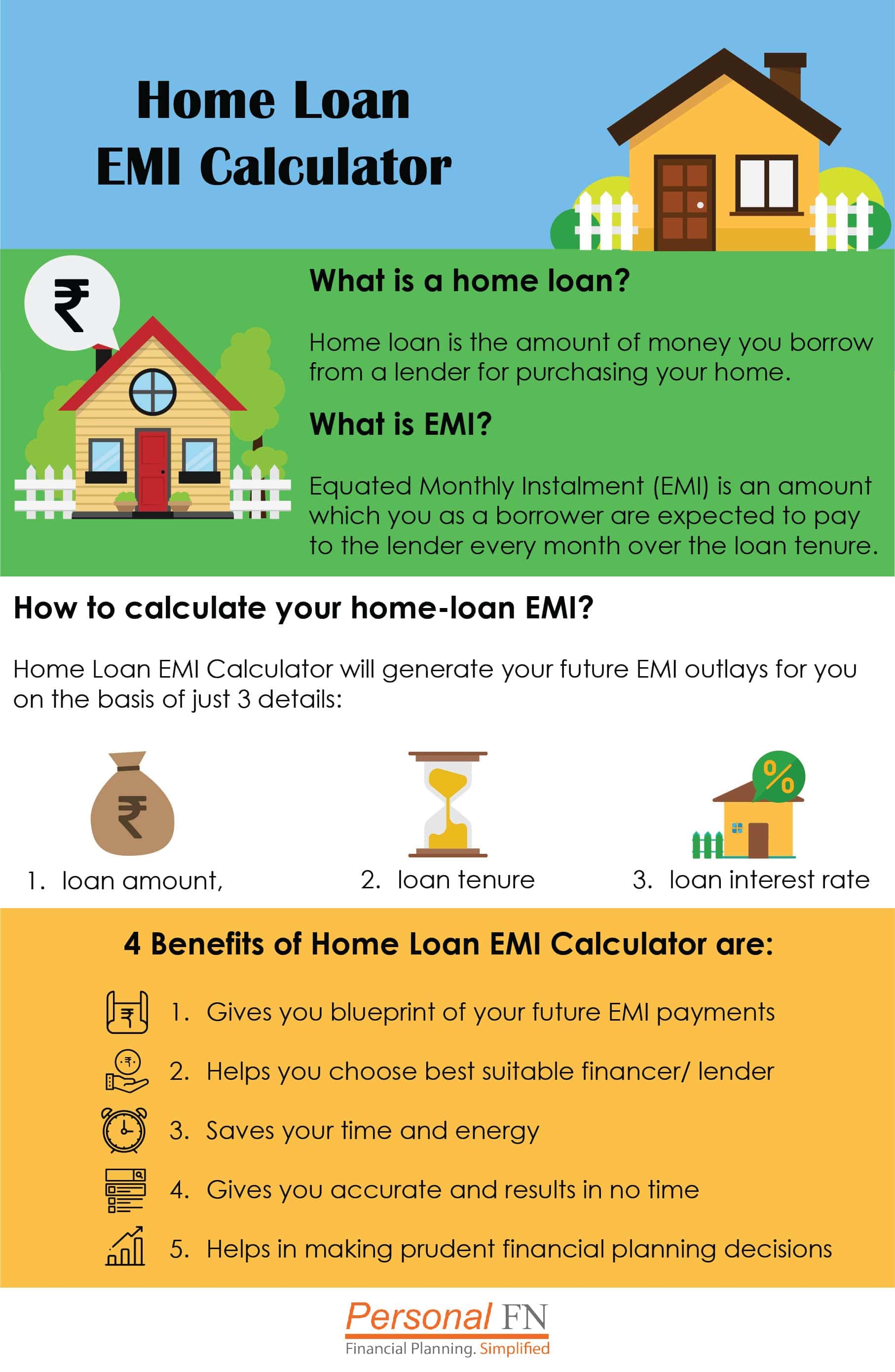
The principal is the actual amount of money borrowed to purchase the home. If you buy a house for $400,000 and provide a $80,000 down payment, your principal loan amount is $320,000. Interest, on the other hand, is the fee charged by the lender for the privilege of using their capital. It is expressed as a percentage. Because of the way interest compounds over decades, the total amount paid back to the lender is often double or triple the original principal, depending on the rate and the term of the loan.
The Down Payment and Loan-to-Value (LTV) Ratio
The down payment is the initial cash investment made by the buyer. In the realm of personal finance, the size of the down payment is a critical lever. A higher down payment reduces the principal, lowers monthly payments, and improves the Loan-to-Value (LTV) ratio. LTV is a risk assessment used by lenders; it is the ratio of the loan amount to the appraised value of the asset. An LTV of 80% (meaning a 20% down payment) is often the threshold for avoiding additional costs like private mortgage insurance.
Amortization Schedules
Amortization is the process of paying off a debt over time through regular installments. In the early years of a home loan, a disproportionately large percentage of the monthly payment goes toward interest. As the principal balance decreases, the interest portion of the payment shrinks, and a larger portion is applied to the principal. Understanding an amortization schedule is vital for homeowners who wish to understand how much equity they are actually building in the first decade of homeownership.
Categorizing Home Loans: Choosing the Right Financial Vehicle
Not all home loans are structured the same. The financial industry has developed various products to suit different risk tolerances, income levels, and long-term goals. Choosing the wrong type of loan can result in thousands of dollars in unnecessary interest or financial instability if market conditions shift.
Fixed-Rate Mortgages
The fixed-rate mortgage is the gold standard of stability in personal finance. As the name suggests, the interest rate remains constant throughout the entire life of the loan, usually 15 or 30 years. This protects the borrower from rising interest rates and provides a predictable monthly housing cost, which is invaluable for long-term budgeting.
Adjustable-Rate Mortgages (ARMs)
Adjustable-Rate Mortgages offer an interest rate that is fixed for an initial period (typically 3, 5, or 7 years) and then adjusts periodically based on market indices. ARMs usually start with lower interest rates than fixed-rate loans, making them attractive for those who plan to sell or refinance before the adjustment period begins. However, they carry significant risk; if market rates rise, the monthly payment can increase dramatically, potentially straining the borrower’s cash flow.
Government-Backed vs. Conventional Loans
Conventional loans are not insured by the federal government and typically require higher credit scores and down payments. Conversely, government-backed loans, such as FHA (Federal Housing Administration) loans or VA (Department of Veterans Affairs) loans, are designed to make homeownership more accessible. FHA loans allow for lower down payments (as low as 3.5%), while VA loans offer zero-down payment options for veterans. While these are excellent tools for entry-level buyers, they often come with specific insurance premiums that add to the monthly cost.
The True Cost of Borrowing: Beyond the Interest Rate
When evaluating a home loan, focusing solely on the interest rate is a common financial oversight. The “sticker price” of the interest rate does not represent the full financial impact of the loan.
APR vs. Interest Rate
The Annual Percentage Rate (APR) is a more comprehensive measure of the cost of a home loan. While the interest rate covers the cost of the principal, the APR includes the interest rate plus other costs such as loan origination fees, mortgage broker fees, and “points” (prepaid interest). Comparing loans based on APR rather than interest rate provides a more transparent look at which loan is actually cheaper.
Private Mortgage Insurance (PMI)
For borrowers who put down less than 20% on a conventional loan, lenders require Private Mortgage Insurance. PMI does not protect the borrower; it protects the lender in case the borrower defaults. This is a “dead cost” in personal finance—it adds to the monthly outflow without building equity or reducing the principal. Savvy financial planning often involves finding ways to reach 20% equity as quickly as possible to cancel this requirement.
Closing Costs and Escrow
The act of securing a home loan involves various third parties, including appraisers, title companies, and government recording offices. These closing costs typically range from 2% to 5% of the home’s purchase price. Additionally, most home loans utilize an escrow account, where a portion of the monthly payment is set aside to pay for property taxes and homeowners insurance. This ensures that these critical bills are paid, protecting the lender’s collateral from tax liens or uninsured damage.
Qualifying for a Home Loan: The Lender’s Perspective
Securing a home loan is an exercise in proving financial reliability. Lenders use a specific set of metrics to determine “creditworthiness,” which directly influences the interest rate offered to the borrower.
Credit Score and Financial History
A credit score is a numerical representation of a borrower’s history with debt. In the mortgage world, a higher score translates to a lower interest rate. Even a 0.5% difference in an interest rate can save a homeowner tens of thousands of dollars over 30 years. Lenders look for a history of on-time payments, low credit utilization, and a diverse mix of credit types.
Debt-to-Income Ratio (DTI)
The Debt-to-Income ratio is a calculation of a borrower’s monthly debt obligations compared to their gross monthly income. Lenders typically prefer a DTI of 43% or lower. This metric ensures that the borrower has enough “breathing room” in their budget to handle the mortgage payment alongside other obligations like car loans, student loans, and daily living expenses.
Verification of Assets and Income
Lenders require extensive documentation, including tax returns, W-2s, and bank statements. They are looking for stability. A consistent two-year history of income in the same field is often the standard requirement. For the self-employed or those with fluctuating income, the qualification process can be more rigorous, often requiring “bank statement loans” or other specialized financial products.
Strategic Financial Planning with Home Loans
A home loan should not be viewed merely as a monthly bill, but as a strategic component of a broader financial portfolio. When managed correctly, a mortgage is a tool for leverage and tax efficiency.
The Power of Equity and Leverage
As the loan is paid down and the property value appreciates, the homeowner builds equity. This equity can be accessed through Home Equity Lines of Credit (HELOCs) or home equity loans to fund renovations, consolidate higher-interest debt, or invest in other ventures. This is the essence of leverage—using a secured, low-interest debt to grow net worth or improve quality of life.
Refinancing Opportunities
Refinancing is the process of replacing an existing home loan with a new one, typically to take advantage of lower interest rates or to change the loan term. For example, moving from a 30-year to a 15-year mortgage can dramatically reduce the total interest paid, while refinancing to a lower rate can free up monthly cash flow for retirement savings or other investments.

Tax Implications and Wealth Building
In many jurisdictions, the interest paid on a home loan is tax-deductible up to certain limits. This effectively lowers the “real” interest rate of the loan. Furthermore, because real estate has historically appreciated over the long term, a home loan allows an individual to control a high-value asset with a relatively small amount of their own capital. This “leveraged appreciation” is a primary driver of middle-class wealth in many developed economies.
Ultimately, a home loan is a complex financial instrument that requires careful navigation. By understanding the mechanics of interest, the variety of loan products available, and the requirements for qualification, borrowers can transform a standard debt into a powerful engine for financial security and long-term prosperity.
aViewFromTheCave is a participant in the Amazon Services LLC Associates Program, an affiliate advertising program designed to provide a means for sites to earn advertising fees by advertising and linking to Amazon.com. Amazon, the Amazon logo, AmazonSupply, and the AmazonSupply logo are trademarks of Amazon.com, Inc. or its affiliates. As an Amazon Associate we earn affiliate commissions from qualifying purchases.