
A residential loan is a specialized financial instrument designed specifically for the purchase, construction, or refinancing of a primary residence or a small-scale investment property. In the broader landscape of personal finance, it is likely the most significant debt an individual will ever incur, but it is also one of the most powerful tools for building long-term generational wealth. Unlike commercial loans, which are intended for business entities and revenue-generating properties like shopping centers or office buildings, residential loans are governed by specific consumer protection laws and are tailored to the unique financial profiles of individuals and families.
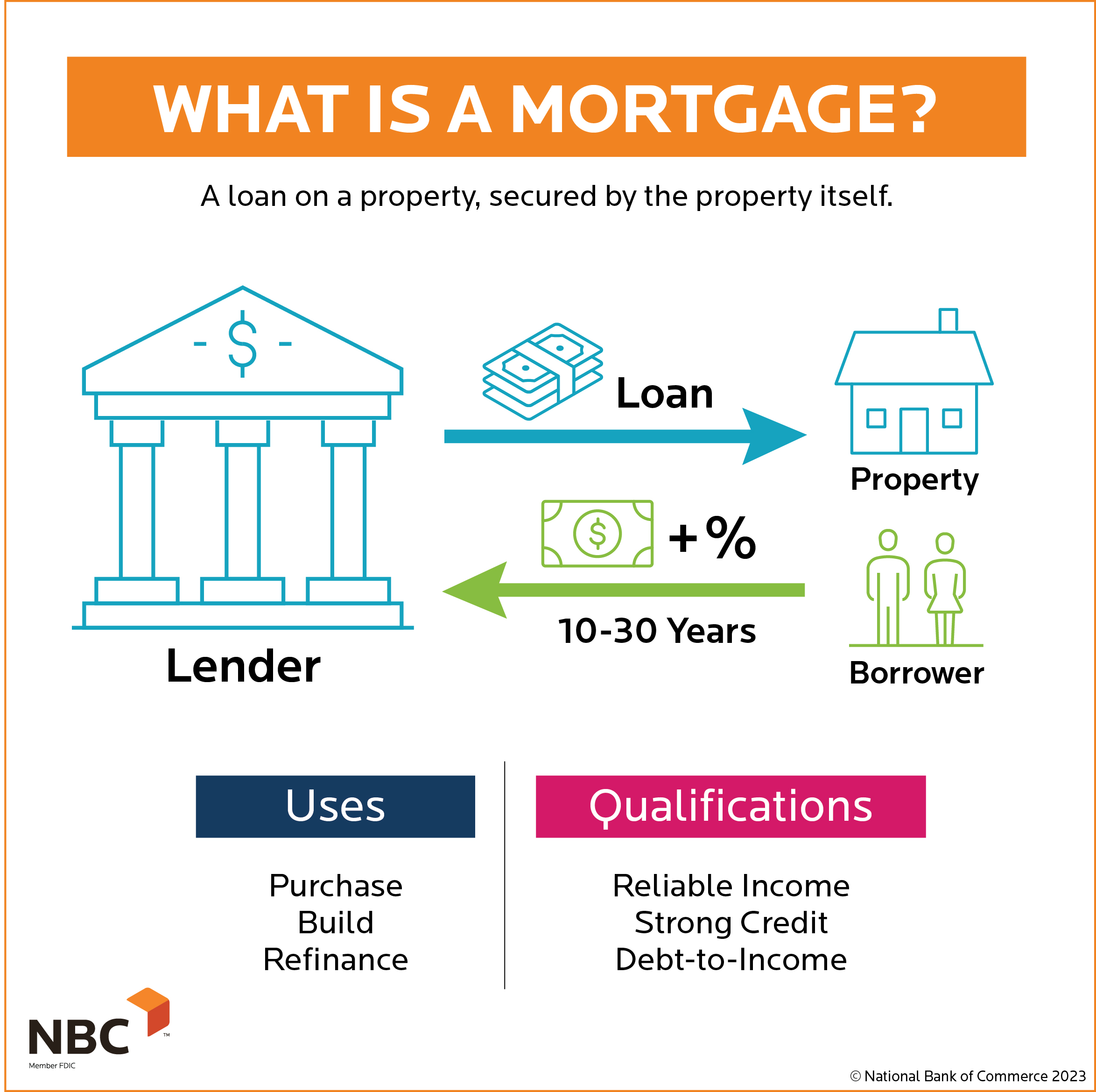
At its core, a residential loan—most commonly referred to as a mortgage—is a secured loan. This means the property itself serves as collateral. If the borrower fails to meet the repayment obligations outlined in the loan agreement, the lender has the legal right to seize the property through a process known as foreclosure. However, for those who manage their finances effectively, these loans provide the leverage necessary to occupy a home while paying it off over a period of decades.
Understanding the Core Mechanics of Residential Loans
To fully grasp what a residential loan is, one must understand how it functions mathematically and legally. Most residential loans are structured around four primary components: principal, interest, taxes, and insurance—often abbreviated as PITI.
Principal and Interest
The principal is the actual amount of money borrowed from the lender. The interest is the cost of borrowing that money, expressed as an annual percentage rate (APR). In the early years of a typical residential loan, a larger portion of the monthly payment goes toward interest. As the balance decreases over time, a greater percentage of the payment is applied to the principal. This process is known as amortization.
Amortization Schedules
A standard 30-year fixed-rate mortgage follows a specific amortization schedule. This schedule ensures that by the end of the 360th payment, the loan is entirely paid off. While the 30-year term is the most popular in the United States due to its lower monthly payments, 15-year terms are also common. The shorter term results in higher monthly payments but significantly less total interest paid over the life of the loan, making it a favorite for those prioritizing rapid equity growth.
Down Payments and Equity
A residential loan rarely covers 100% of the home’s purchase price. Lenders typically require a down payment, which represents the borrower’s initial equity in the home. Equity is the difference between the current market value of the property and the outstanding loan balance. As the borrower pays down the principal and the property value potentially appreciates, equity grows. This equity can later be leveraged through home equity lines of credit (HELOCs) or cash-out refinances to fund home improvements, education, or other investment opportunities.
Primary Categories of Residential Financing
The financial market offers a variety of residential loan products, each designed to meet the needs of different borrower profiles, from first-time buyers with limited savings to high-net-worth individuals purchasing luxury estates.
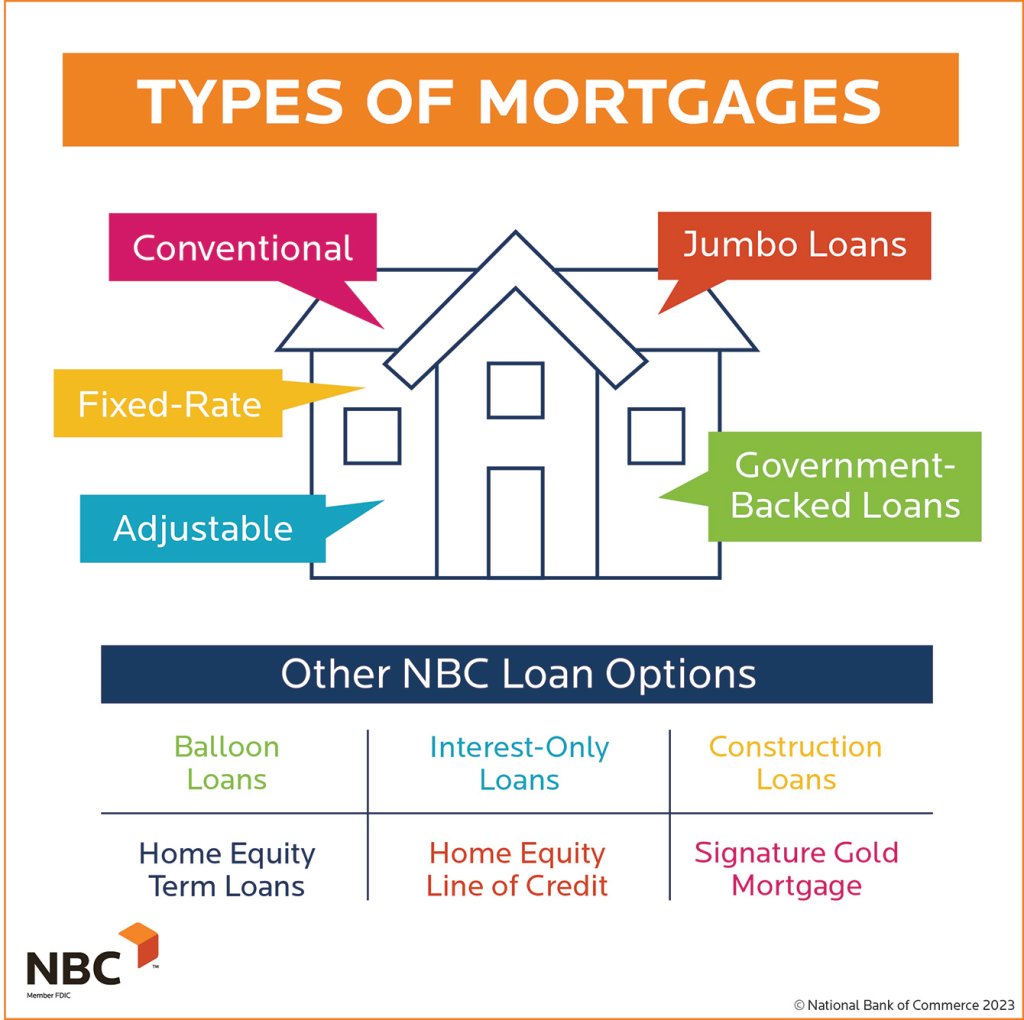
Conventional Loans
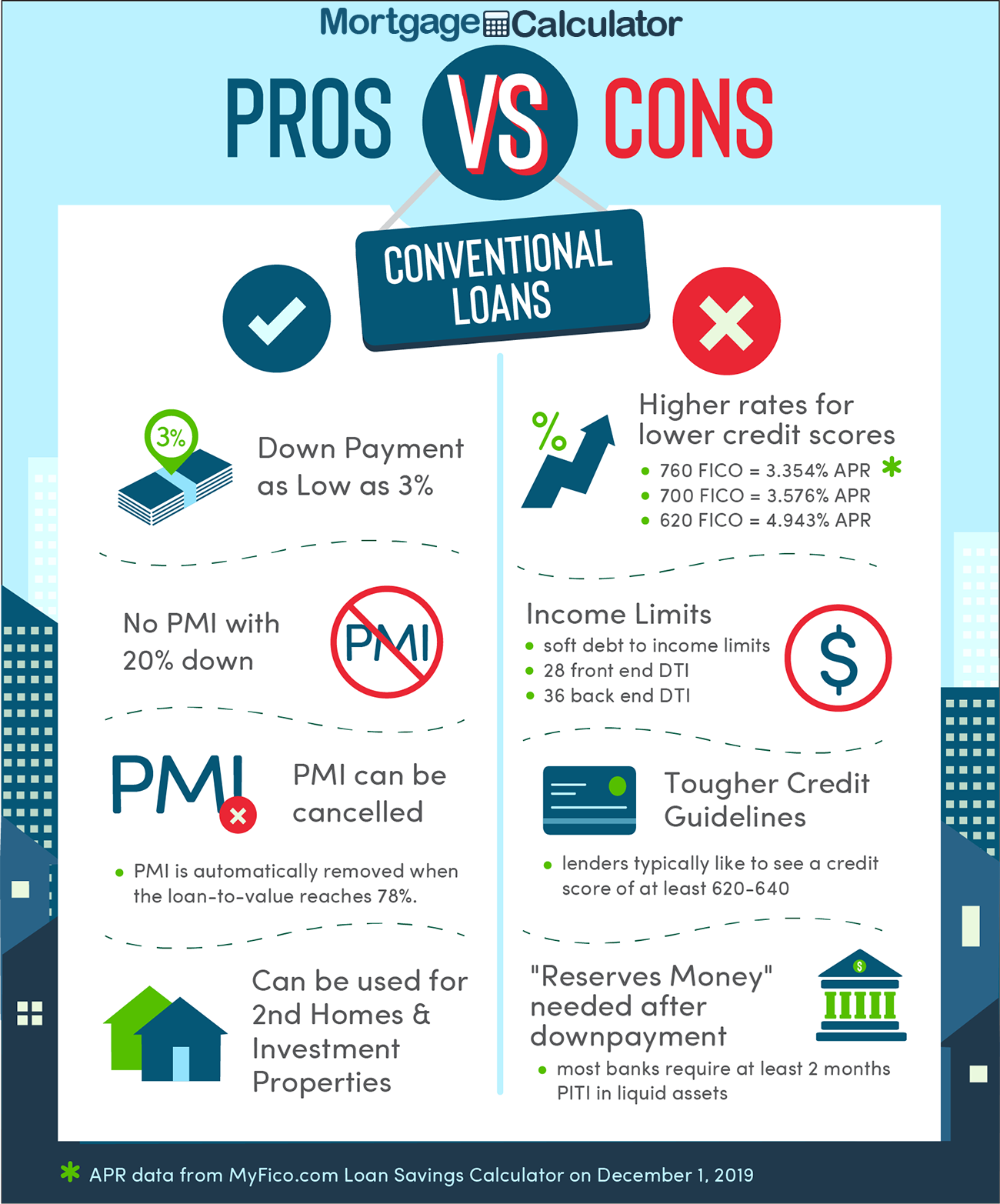
Conventional loans are the most standard type of residential financing. They are not insured or guaranteed by the federal government but usually adhere to the “conforming” guidelines set by Fannie Mae and Freddie Mac. These guidelines dictate the maximum loan amount and the minimum credit score required. Borrowers with strong credit scores and a 20% down payment typically choose conventional loans to avoid paying private mortgage insurance (PMI).
Government-Backed Loans
For many, the barrier to entry for homeownership is the high down payment required by conventional lenders. The federal government addresses this through several programs:
-
FHA Loans: Insured by the Federal Housing Administration, these loans allow for down payments as low as 3.5% and have more flexible credit requirements. They are a staple for first-time homebuyers.
-
VA Loans: Available to veterans, active-duty service members, and eligible surviving spouses, VA loans are backed by the Department of Veterans Affairs. They often require no down payment and no private mortgage insurance, making them one of the most advantageous financial products on the market.
-
USDA Loans: These are designed for low-to-moderate-income borrowers in designated rural areas. Like VA loans, they offer 100% financing options.
Fixed-Rate vs. Adjustable-Rate Mortgages (ARMs)
A fixed-rate mortgage maintains the same interest rate for the entire life of the loan, providing the borrower with predictable monthly costs and protection against rising market rates. In contrast, an Adjustable-Rate Mortgage (ARM) offers an initial fixed period (usually 5, 7, or 10 years) at a lower rate than a standard fixed-rate loan. After this period, the rate adjusts periodically based on market indices. ARMs can be strategic for borrowers who plan to sell or refinance the property before the adjustment period begins.
The Financial Profile: How Lenders Evaluate Borrowers
Securing a residential loan requires a rigorous evaluation of the borrower’s “creditworthiness.” Lenders look at several key financial indicators to determine the risk level associated with the loan.
Credit Score and History
The credit score is perhaps the most influential factor in determining the interest rate a borrower receives. A higher score signals to the lender that the borrower has a history of managing debt responsibly. Even a 1% difference in the interest rate can result in tens of thousands of dollars in savings or costs over the life of a 30-year loan.
Debt-to-Income Ratio (DTI)
Lenders use the DTI ratio to ensure that the borrower is not overextending themselves financially. This ratio compares the borrower’s total monthly debt obligations (including the projected mortgage payment, car loans, student loans, and credit card minimums) against their gross monthly income. Most conventional lenders prefer a DTI ratio below 43%, though some programs allow for higher thresholds.
Employment Verification and Assets
Stability is a primary concern for lenders. Borrowers are typically required to provide at least two years of consistent employment history and tax returns. Additionally, lenders verify assets to ensure the borrower has enough “reserves”—cash in the bank to cover several months of mortgage payments in the event of an income disruption.
The Lifecycle of a Residential Loan
The process of obtaining a residential loan is a multi-step journey that involves various professionals, including loan officers, underwriters, and appraisers.
Pre-Approval: The First Step
Before house hunting, savvy buyers seek a pre-approval. Unlike a pre-qualification, which is a cursory look at finances, a pre-approval involves a thorough review of credit, income, and assets. In a competitive real estate market, a pre-approval letter is essential, as it proves to sellers that the buyer has the financial backing to complete the transaction.
Underwriting and Appraisal
Once a property is under contract, the loan enters the underwriting phase. The underwriter is the “gatekeeper” who meticulously checks all documentation to ensure it meets the lender’s risk standards. During this time, the lender will order an appraisal. The appraisal is an independent estimate of the home’s value. If the appraisal comes in lower than the purchase price, the borrower may need to cover the gap in cash, renegotiate the price, or walk away from the deal.
Closing and Loan Servicing
The final stage is “closing,” where the legal documents are signed, and the funds are disbursed. However, the lifecycle of the loan continues long after the keys are handed over. Many lenders sell the “servicing rights” of the loan to other financial institutions. This means the company you send your monthly check to might not be the same company that originally gave you the loan. This is a standard practice in the secondary mortgage market and does not change the terms of the loan.
Strategic Considerations for Long-Term Wealth
A residential loan should not be viewed merely as a monthly expense, but as a component of a larger financial strategy.
The Power of Refinancing
When market interest rates drop, homeowners often choose to refinance. This involves taking out a new residential loan to pay off the old one. Refinancing can lower monthly payments, shorten the loan term, or allow the homeowner to pull out cash (equity) for other investments. It is a critical maneuver for optimizing a personal balance sheet.
Tax Advantages
In many jurisdictions, the interest paid on a residential loan for a primary residence is tax-deductible up to certain limits. This effectively reduces the “real” cost of the loan. While tax laws are subject to change, the mortgage interest deduction remains a significant incentive for homeownership and a key factor in the “buy vs. rent” financial calculation.
Residential Loans for Investment
While most residential loans are for primary homes, they can also be used to purchase rental properties (up to four units). These loans typically require higher down payments and slightly higher interest rates, but they allow individuals to use the power of leverage to build a portfolio of income-producing real estate.
In conclusion, a residential loan is a sophisticated financial product that bridges the gap between current savings and the high cost of real estate. By understanding the nuances of interest rates, loan types, and the importance of equity, borrowers can transform a standard debt obligation into a cornerstone of their financial independence. Whether it is a first-time FHA loan or a jumbo mortgage for a luxury estate, the residential loan remains the primary engine of the modern housing market and a vital tool for personal financial growth.
aViewFromTheCave is a participant in the Amazon Services LLC Associates Program, an affiliate advertising program designed to provide a means for sites to earn advertising fees by advertising and linking to Amazon.com. Amazon, the Amazon logo, AmazonSupply, and the AmazonSupply logo are trademarks of Amazon.com, Inc. or its affiliates. As an Amazon Associate we earn affiliate commissions from qualifying purchases.