
Securing a loan is one of the most significant financial maneuvers an individual or business owner can undertake. Whether you are looking to consolidate high-interest debt, fund a major purchase, or inject capital into a growing enterprise, the process of obtaining a loan requires a blend of strategic preparation, financial literacy, and market awareness. In today’s complex financial environment, the path from application to funding is governed by a multitude of factors, ranging from your personal credit history to the macroeconomic shifts that influence interest rates. Understanding how to navigate this landscape is essential for securing favorable terms that support, rather than hinder, your long-term financial health.

Understanding the Core Pillars of Creditworthiness
Before approaching a lender, it is imperative to understand the metrics they use to evaluate your risk profile. Lenders are primarily concerned with one question: what is the statistical probability that the borrower will repay the debt in full and on time? To answer this, they look at several key pillars of creditworthiness.
The Significance of the Credit Score
Your credit score—typically a FICO or VantageScore—is the most influential factor in the loan approval process. This three-digit number represents your financial reliability based on your past behavior. Scores range from 300 to 850, with anything above 700 generally considered “good” and scores above 800 considered “excellent.” A higher score not only increases your chances of approval but also unlocks lower interest rates, which can save you thousands of dollars over the life of a loan. Key components of your score include payment history (35%), amounts owed (30%), and length of credit history (15%).
Debt-to-Income Ratio (DTI)
While your credit score shows how you manage debt, your Debt-to-Income ratio (DTI) shows how much debt you can realistically afford to take on. Lenders calculate this by dividing your total monthly debt payments by your gross monthly income. For most personal loans and mortgages, a DTI of 36% or lower is preferred, though some lenders will accept up to 43% or higher depending on other compensating factors. A high DTI suggests that you are overleveraged, making you a higher risk for default.
Income Stability and Employment History
Lenders seek consistency. A steady job history, typically spanning at least two years in the same industry, provides assurance that your income stream is reliable. For self-employed individuals or business owners, this verification process is more rigorous, often requiring two years of tax returns, profit and loss statements, and balance sheets to prove that the income is sustainable.
Categorizing Your Financing Needs
Not all loans are created equal. Choosing the right financial instrument is just as important as getting approved. The “how” of getting a loan depends heavily on the “what” and “why.”
Personal Loans and Debt Consolidation
Personal loans are typically unsecured, meaning they do not require collateral like a house or a car. They are versatile and can be used for everything from medical bills to home improvements. One of the most effective uses of a personal loan is debt consolidation—taking out a single loan at a lower interest rate to pay off multiple high-interest credit card balances. This simplifies your monthly payments and reduces the total interest paid.
Secured vs. Unsecured Loans
The distinction between secured and unsecured debt is a fundamental concept in finance. A secured loan is backed by an asset. If you fail to make payments, the lender has the legal right to seize the asset (such as a vehicle in an auto loan or a home in a mortgage). Because the lender’s risk is mitigated by the asset, secured loans usually offer lower interest rates. Unsecured loans, conversely, are granted based solely on your promise to pay. Because they represent higher risk to the lender, they carry higher interest rates and stricter credit requirements.
Business Financing and SBA Loans
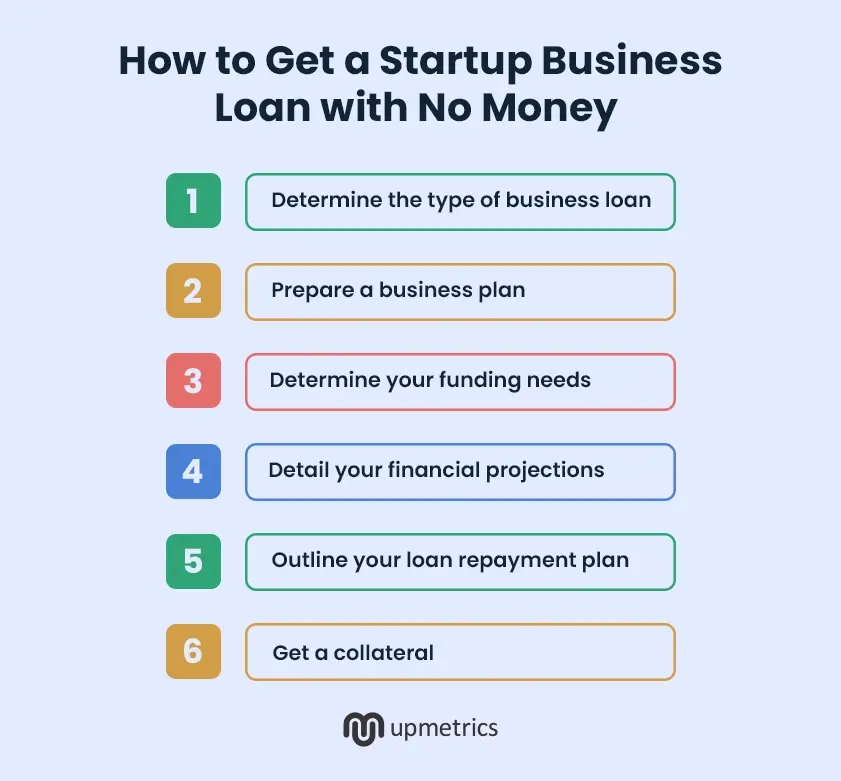
For entrepreneurs, getting a loan involves demonstrating the viability of a business model. Small Business Administration (SBA) loans are a popular route, as the government guarantees a portion of the loan, encouraging banks to lend to small businesses that might not otherwise qualify. These require a solid business plan, financial projections, and often a personal guarantee from the business owners.
The Strategic Path to a Successful Application
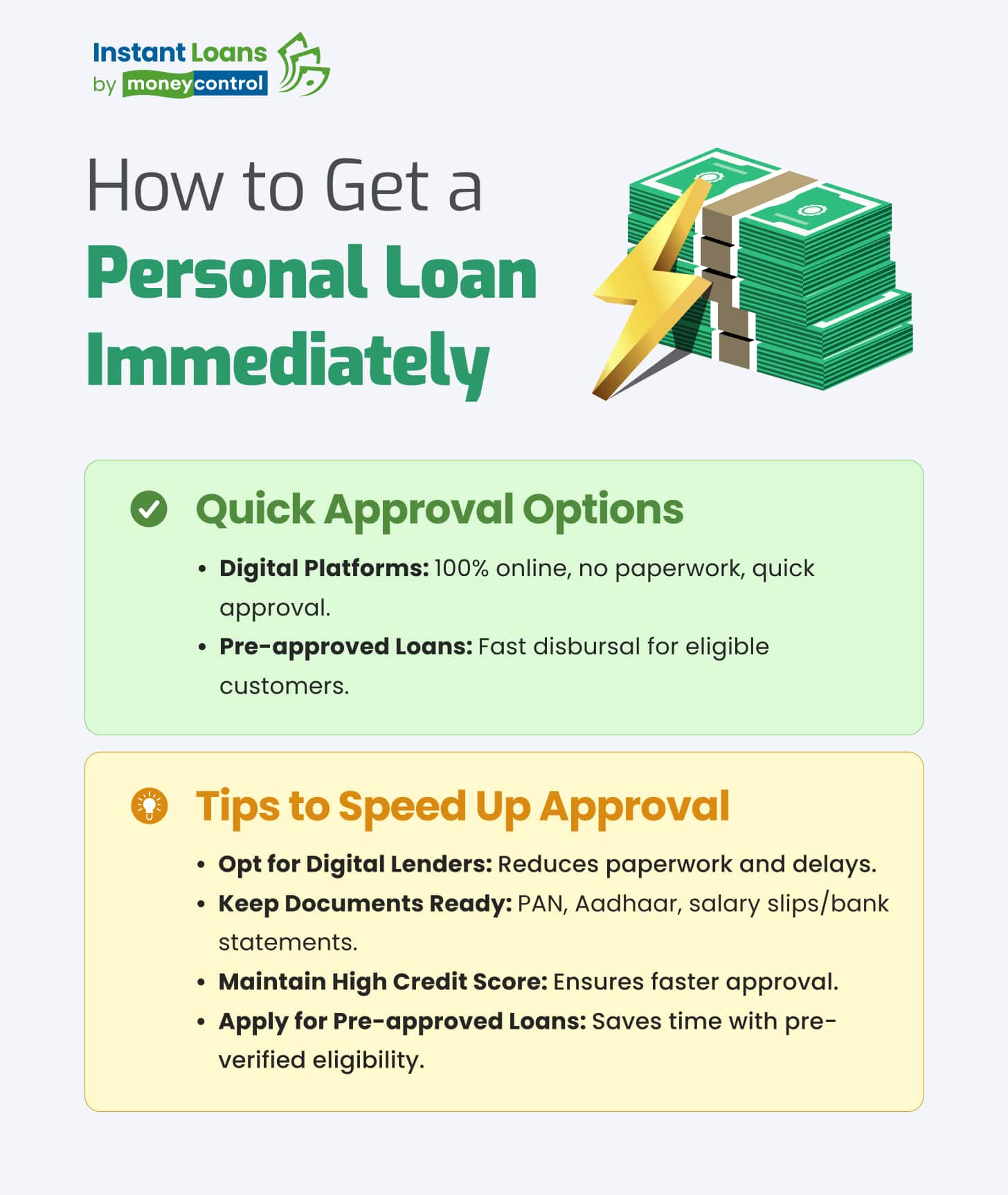
Once you understand your credit standing and the type of loan you need, the next step is the application process. This stage requires meticulous organization and a proactive approach to shopping for the best deal.
Documentation and Preparation
Speed is often a factor in loan approvals. To expedite the process, gather all necessary documentation before you apply. This typically includes:
-
Government-issued identification.
-
Proof of income (pay stubs, W-2s, or 1099s).
-
Bank statements from the last three to six months.
-
Tax returns from the last two years.
-
A list of current debts and monthly obligations.
The Importance of Rate Shopping
Many borrowers make the mistake of accepting the first offer they receive. However, interest rates and fee structures can vary significantly between traditional banks, credit unions, and online lenders. Credit unions are member-owned and often offer lower rates and more personalized service. Online lenders, meanwhile, use advanced algorithms to provide rapid approvals and may be more flexible with borrowers who have non-traditional income streams. It is advisable to get quotes from at least three different sources.
Soft vs. Hard Credit Inquiries
When shopping for a loan, be mindful of how lenders check your credit. A “soft inquiry” (or soft pull) does not affect your credit score and is often used for pre-qualification. A “hard inquiry” occurs when you officially apply for credit and can cause a temporary dip in your score. When rate shopping for mortgages or auto loans, credit bureaus often treat multiple inquiries within a 14-to-45-day window as a single event, allowing you to compare offers without severely damaging your credit.
Optimization Techniques for Borrowers
If your financial profile isn’t quite where it needs to be for a top-tier loan, there are several strategies you can employ to improve your odds of approval and secure better terms.
Improving Your Credit Profile Rapidly
If you have time before you need to apply, focus on “credit hygiene.” Pay down revolving credit card balances to lower your credit utilization ratio—ideally below 30%. Check your credit reports for errors; a single incorrectly reported late payment can drag your score down by dozens of points. Disputing these inaccuracies with the credit bureaus (Equifax, Experian, and TransUnion) is a free and effective way to boost your score.
The Role of a Co-signer
If your credit history is thin or your score is low, a co-signer with a strong credit profile can help you get approved. A co-signer essentially stakes their own credit reputation on your behalf, agreeing to take responsibility for the debt if you default. This reduces the lender’s risk significantly. However, this is a serious commitment; any late payments you make will also damage the co-signer’s credit score.
Offering Collateral or a Larger Down Payment
In the case of mortgages or auto loans, the “loan-to-value” (LTV) ratio is a critical metric. By providing a larger down payment, you reduce the LTV, meaning the lender is financing a smaller percentage of the asset’s value. This lower risk often results in a more favorable interest rate and can sometimes waive the requirement for private mortgage insurance (PMI) in real estate transactions.
Navigating the Repayment Lifecycle
Getting the money is only the beginning. Managing the loan effectively is what ensures the debt serves as a tool for growth rather than a financial burden.
Understanding Amortization and Interest
Most loans are amortized, meaning your monthly payments are split between paying off the interest and reducing the principal balance. In the early stages of a loan, a larger portion of your payment goes toward interest. Understanding your amortization schedule allows you to see how much you are actually paying for the “privilege” of borrowing and can motivate you to make extra principal payments if the loan terms allow.
Avoiding Predatory Lending Practices
While searching for a loan, it is vital to stay away from predatory lenders. These entities often target individuals with poor credit, offering “payday loans” or “title loans” with exorbitant interest rates that can exceed 300% APR. These products are designed to trap borrowers in a cycle of debt. Always look for the Annual Percentage Rate (APR), which includes both the interest rate and any fees, to get a true sense of the loan’s cost. A reputable lender will always be transparent about their fees and terms.
The Refinancing Opportunity
The financial market is dynamic. If interest rates drop significantly or your credit score improves substantially after you have taken out a loan, you should consider refinancing. Refinancing involves taking out a new loan with better terms to pay off the old one. This can lower your monthly payments, reduce the total interest paid, or allow you to change the loan’s duration. By staying proactive and monitoring the lending market, you can ensure that your debt structure remains optimized for your evolving financial situation.
aViewFromTheCave is a participant in the Amazon Services LLC Associates Program, an affiliate advertising program designed to provide a means for sites to earn advertising fees by advertising and linking to Amazon.com. Amazon, the Amazon logo, AmazonSupply, and the AmazonSupply logo are trademarks of Amazon.com, Inc. or its affiliates. As an Amazon Associate we earn affiliate commissions from qualifying purchases.