
Determining the value of your primary residence is one of the most critical steps in managing a comprehensive personal finance portfolio. For the majority of homeowners, their house is not just a shelter but their most significant financial asset. Understanding its current market value is essential for making informed decisions regarding refinancing, tapping into home equity, or preparing for a future sale. Bank of America, as one of the largest financial institutions in the world, provides a robust Real Estate Center designed to help homeowners and potential buyers navigate the complexities of property valuation.
When you ask, “How much is my house worth?” you are essentially seeking a data-driven estimate of your home’s fair market value. Bank of America’s digital tools use a combination of public records, market trends, and proprietary algorithms to provide a snapshot of what your property might command in the current economic climate. In this guide, we will explore how to use these tools, the financial implications of your home’s value, and how to integrate this knowledge into your broader wealth-management strategy.
The Importance of Home Valuation in Personal Finance
In the realm of personal finance, your home’s value is the foundation of your net worth calculation. Unlike liquid assets like stocks or cash, real estate value is subject to local market fluctuations, interest rate changes, and physical depreciation or appreciation.
Equity as a Wealth-Building Tool
Home equity is the difference between the market value of your home and the remaining balance on your mortgage. As your home increases in value or as you pay down your principal, your equity grows. This equity is a powerful financial engine. It can be used as collateral for low-interest loans, such as Home Equity Lines of Credit (HELOCs), which can be utilized for debt consolidation, home improvements, or even funding an education. Knowing your Bank of America valuation helps you track this growth and understand exactly how much “dormant” wealth you have at your disposal.
Strategic Timing for Financial Moves
Accuracy in valuation is paramount when timing the market. If you are considering selling, knowing your home’s worth helps you set a realistic asking price that attracts buyers while maximizing your return. Conversely, if you are looking to refinance your mortgage to a lower interest rate, your lender will require a specific loan-to-value (LTV) ratio. If your home value has increased significantly since you purchased it, you might qualify for better rates or even eliminate the need for private mortgage insurance (PMI), saving you hundreds of dollars every month.
Exploring the Bank of America Real Estate Center
Bank of America has invested heavily in its digital infrastructure to provide consumers with transparent, accessible real estate data. Their Real Estate Center is more than just a search engine for listings; it is a financial dashboard for homeowners.
How Automated Valuation Models (AVMs) Work
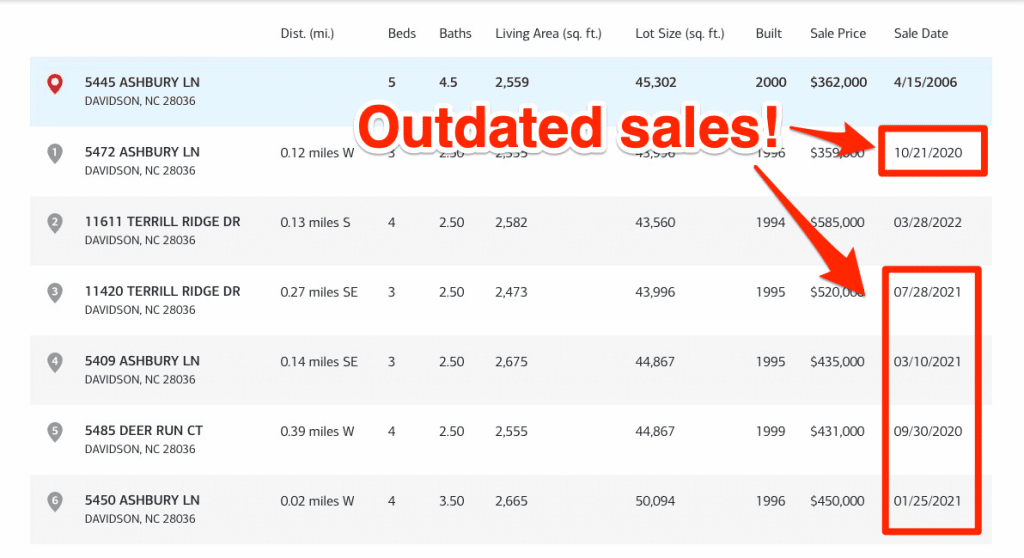
The tool used by Bank of America to estimate your home’s value is known as an Automated Valuation Model, or AVM. This technology aggregates vast amounts of data, including recent sales prices of “comparables” (similar homes in your immediate area), local tax assessments, and historical price trends. Unlike a human appraiser who walks through your home, an AVM looks at the “big picture” data. It is an excellent starting point for a financial check-up, offering a high-level view of where your property stands relative to the neighborhood.
Key Features of the Real Estate Center
When you input your address into the Bank of America Real Estate Center, you receive more than just a single number. The platform typically provides:
-
Estimated Value Ranges: Because real estate is not an exact science, the tool often provides a range, indicating the potential high and low points of your home’s value.
-
Market Insights: You can see how many homes are for sale in your area, the average days on the market, and whether the local market is currently favoring buyers or sellers.
-
Payment Calculators: Once you have a valuation, the tool allows you to plug that number into various calculators to see how it affects your potential for a cash-out refinance or a new home purchase.
Factors Influencing Your Bank of America Home Value Estimate

It is important to understand that no online tool is infallible. Several variables influence the figure you see on the screen, and some are more volatile than others.
Market Trends and Comparable Sales
The most significant driver of your home’s value is the “comps”—properties similar in size, age, and style that have sold within the last three to six months within a small radius of your home. If a neighbor’s house sold for a record high, your valuation will likely see a boost. However, the Bank of America tool also considers broader economic factors, such as the current Federal Reserve interest rates. When rates are high, buying power decreases, which can cause home values to plateau or dip even if the physical property remains in excellent condition.
Property Specifics and Data Sources
The AVM relies on public records, which can sometimes be outdated. If you have recently finished a basement, added a bedroom, or installed a professional-grade kitchen, the digital tool may not yet account for these improvements. Furthermore, school district ratings, proximity to amenities, and even the “walkability” of your neighborhood are factored into the proprietary algorithms used by major banks to determine risk and value.
Using Your Valuation for Financial Strategic Planning
Once you have a firm grasp of your home’s worth through Bank of America’s tools, you can move from observation to action.
Refinancing and Home Equity Lines of Credit (HELOC)
One of the most common reasons homeowners check their value is to see if they can access their equity. A HELOC acts like a credit card secured by your home. If your Bank of America valuation shows a significant increase in equity, you may be eligible for a larger line of credit at a lower interest rate than an unsecured personal loan. This is an essential strategy for high-interest debt consolidation, which can drastically improve your monthly cash flow and overall credit score.
Maximizing ROI for Home Improvements
If your valuation is lower than expected, it may be a signal to invest in the property before putting it on the market. By comparing your home’s value to the “top of the market” homes in the Bank of America Real Estate Center, you can identify which upgrades are likely to provide the highest return on investment (ROI). For instance, minor kitchen remodels or upgrading to energy-efficient windows often yield a higher percentage of cost recovery than installing a luxury swimming pool.
Beyond the Digital Estimate: Professional Appraisals vs. Online Tools
While the Bank of America Real Estate Center is an invaluable tool for financial planning, it is important to distinguish between a digital estimate and a professional appraisal.
The Limitations of Online Estimators
An online tool cannot “see” the condition of your home. It doesn’t know if you have a brand-new roof or if your foundation needs repair. It cannot sense the “curb appeal” or the quality of the interior finishes. Therefore, an AVM should be viewed as a benchmark—a “ballpark” figure—rather than a definitive sale price. For day-to-day personal finance tracking, the AVM is sufficient, but for major legal or financial transactions, more scrutiny is required.

When a Professional Appraisal is Mandatory
If you are officially applying for a mortgage, a refinance, or a home equity loan through Bank of America, the bank will require a professional appraisal. A licensed appraiser will visit the property to conduct a physical inspection. They will verify the data found in public records and adjust the value based on the specific condition of the home. This professional appraisal is the “gold standard” for lenders because it mitigates the risk of over-lending on a property that might have hidden defects.
In conclusion, understanding how much your house is worth through Bank of America’s digital tools is a foundational aspect of modern personal finance. By regularly monitoring your home’s value, you can better manage your net worth, leverage your equity for strategic growth, and prepare yourself for the complexities of the real estate market. Whether you are looking to sell in the near future or simply want to ensure your financial house is in order, these valuation tools provide the clarity needed to make confident, data-driven decisions.
aViewFromTheCave is a participant in the Amazon Services LLC Associates Program, an affiliate advertising program designed to provide a means for sites to earn advertising fees by advertising and linking to Amazon.com. Amazon, the Amazon logo, AmazonSupply, and the AmazonSupply logo are trademarks of Amazon.com, Inc. or its affiliates. As an Amazon Associate we earn affiliate commissions from qualifying purchases.