
For the vast majority of homeowners, a mortgage is the largest financial commitment they will ever undertake. While the physical structure of a home provides shelter and stability, the financial structure of the mortgage determines the trajectory of one’s personal net worth for decades. When asking “how long do mortgages last,” the answer is multifaceted: it is a combination of the contractual term agreed upon at the closing table and the actual duration the borrower holds the debt before selling, refinancing, or paying it off early.
The duration of a mortgage is not merely a timeline; it is a strategic lever in personal finance. Choosing between a short-term and a long-term loan affects monthly cash flow, the total interest paid over the life of the loan, and the rate at which equity is built. To navigate this complex landscape, one must understand the standard products available, the mechanics of amortization, and the tactical moves that can shorten or extend the life of a loan.
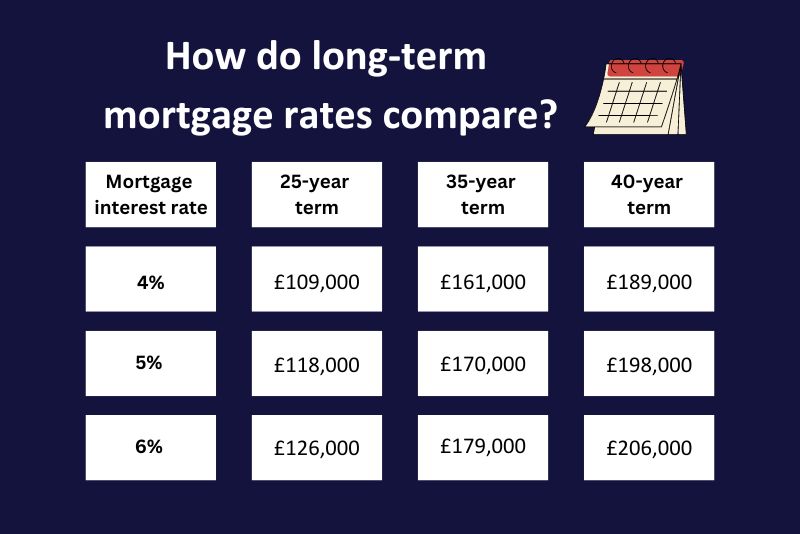
The Standard Timeline: Comparing 15-Year and 30-Year Mortgages
In the United States and many other global markets, the 30-year fixed-rate mortgage is the benchmark. However, it is far from the only option. The choice between a 30-year and a 15-year term represents one of the most significant trade-offs in financial planning.
The 30-Year Fixed-Rate Mortgage: The Industry Standard
The 30-year mortgage is the cornerstone of modern homeownership because it prioritizes affordability. By stretching the repayment of the principal over 360 months, the monthly payment remains relatively low compared to shorter-term options. This allows many buyers to enter the market who might otherwise be priced out by the high monthly costs of a shorter loan.
The primary disadvantage of the 30-year term is the interest cost. Because the loan is outstanding for a longer period, the interest accumulates significantly. In the early years of a 30-year mortgage, the vast majority of each monthly payment goes toward interest rather than principal. This slow “amortization” means that equity builds at a glacial pace for the first decade of the loan.
The 15-Year Fixed-Rate Mortgage: The Path to Debt Freedom
For those with higher disposable income or a desire to minimize interest expenses, the 15-year mortgage is a powerful wealth-building tool. These loans typically come with lower interest rates than their 30-year counterparts because they represent less risk to the lender.
The most striking difference is the total interest paid. Because the debt is retired in half the time, the total cost of the home can be hundreds of thousands of dollars less. Furthermore, the amortization schedule for a 15-year loan is much more aggressive; from the very first payment, a significant portion goes toward the principal. The trade-off is a much higher monthly payment, which can strain a household budget or reduce the amount of money available for other investments.
Beyond the Basics: Alternative Mortgage Lengths and Structures
While 15 and 30 years are the most common, the financial industry offers a variety of durations to suit specific needs. These alternatives allow borrowers to tailor their debt to their specific career trajectories or retirement goals.
Intermediate Terms (10, 20, and 25 Years)
Lenders frequently offer 10-year, 20-year, and 25-year mortgages. A 10-year mortgage is often used by those nearing retirement who want to ensure their home is owned free and clear before their income drops. A 20-year mortgage serves as a “middle ground,” offering a faster payoff than a 30-year loan but with a more manageable monthly payment than a 15-year loan. These intermediate terms are often chosen during a refinance when a homeowner has already paid off several years of their original 30-year loan and doesn’t want to “reset the clock.”
Adjustable-Rate Mortgages (ARMs) and Hybrid Timelines
Adjustable-rate mortgages do not necessarily change the total length of the loan—they are usually structured on a 30-year amortization schedule—but they change the “fixed” nature of the duration. A 5/1 ARM, for example, has a fixed rate for five years, after which the rate adjusts annually.

For many savvy investors, an ARM is used as a short-term tool. If a homeowner knows they will move within seven years, a 7/1 ARM provides a lower interest rate for the entire duration of their stay. In this context, the mortgage “lasts” only as long as the fixed period, after which the borrower exits the debt through a sale or refinance.
Factors That Change How Long You Actually Carry a Mortgage
The contractual term is rarely the actual lifespan of a mortgage. Economic shifts, personal life changes, and strategic financial management often lead to a mortgage being retired much earlier than the original 15 or 30 years.
The Impact of Refinancing
Refinancing is perhaps the most common reason a mortgage duration changes. When interest rates drop, homeowners often refinance to lower their monthly payments or to tap into home equity. However, many borrowers mistakenly restart a new 30-year term, which can result in paying interest for 40 or 50 years across multiple loans. Strategic refinancing involves “shortening the term” (e.g., moving from a 30-year to a 15-year) or maintaining the original payoff date by opting for a customized loan term.
Accelerating Payoff with Principal-Only Payments
Homeowners are not required to follow the amortization schedule strictly. By making extra payments toward the principal, a borrower can drastically shorten the life of the loan. For example, making one extra mortgage payment per year can shave approximately four to five years off a 30-year mortgage. This strategy is highly effective because it prevents interest from accruing on that portion of the principal for the remainder of the loan term.
Recasting vs. Refinancing
A lesser-known method to alter the life of a mortgage is “recasting.” This occurs when a borrower pays a large lump sum toward the principal, and the lender recalculates the monthly payments based on the new, lower balance while keeping the original interest rate and end date. While recasting doesn’t inherently shorten the duration, it provides the flexibility to pay the loan off faster by maintaining the original payment amount despite the lower required minimum.
Strategic Considerations: Choosing the Right Duration for Your Financial Goals
Deciding how long a mortgage should last requires a deep dive into one’s overall financial ecosystem. It is not always mathematically optimal to pay off a mortgage as quickly as possible.
Cash Flow vs. Total Interest Savings
The primary tension in choosing a mortgage length is between monthly cash flow and long-term savings. A 30-year mortgage provides “financial breathing room.” This excess cash can be used for emergency funds, home maintenance, or life experiences. Conversely, a 15-year mortgage is a form of “forced savings,” where wealth is built through home equity at the expense of monthly liquidity.
Opportunity Cost and Investment Potential
From a sophisticated financial perspective, the length of a mortgage should be viewed through the lens of opportunity cost. If a homeowner has a mortgage with a 3% interest rate, but the stock market historically returns 7-10% annually, it may be more beneficial to keep the 30-year mortgage and invest the extra cash rather than rushing to pay off the low-interest debt. In this scenario, a longer-lasting mortgage actually facilitates greater total wealth. However, this strategy carries market risk that a guaranteed return (paying off debt) does not.
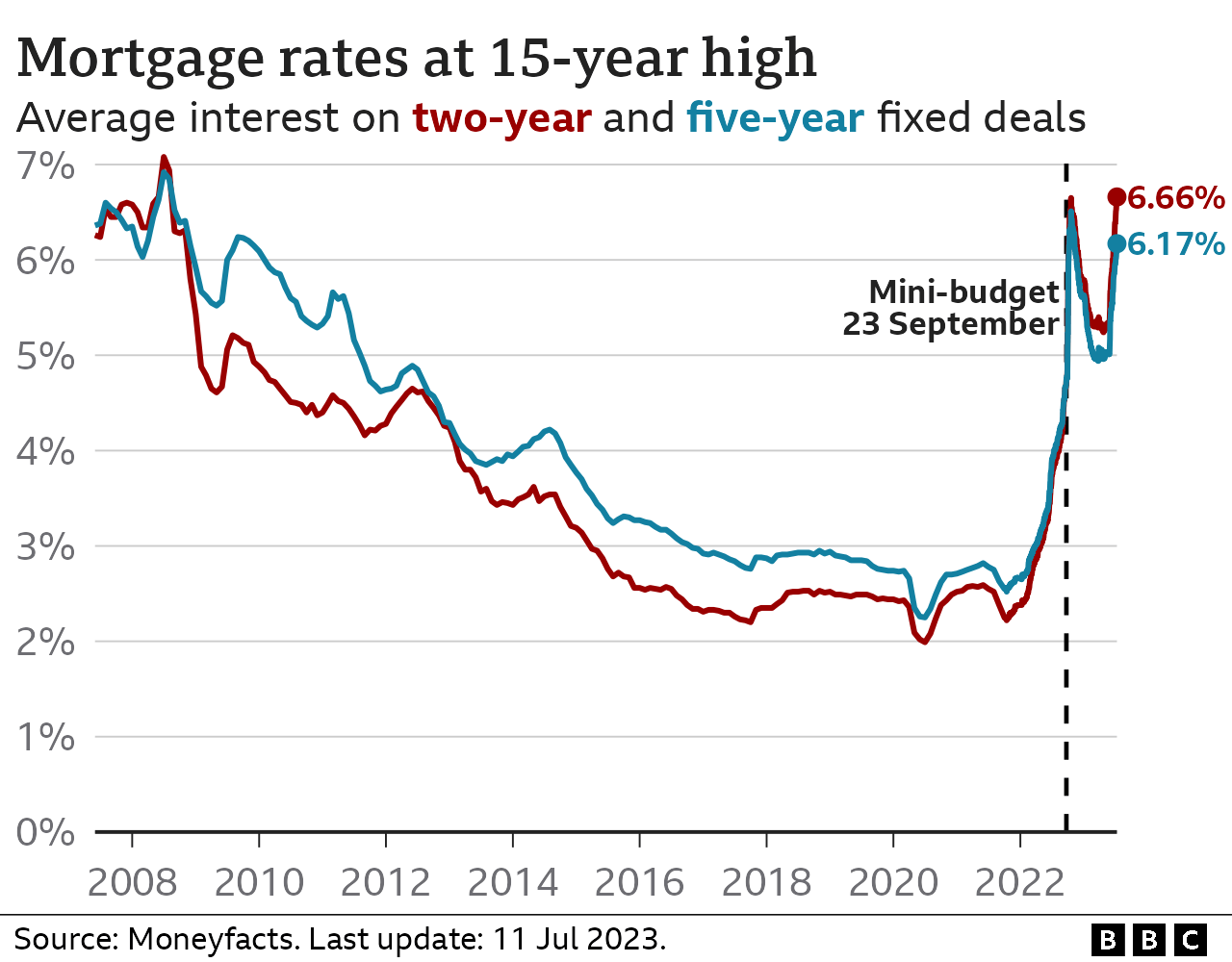
The Reality of Mortgage Longevity: Why Most People Don’t Stay for 30 Years
Despite the prevalence of the 30-year mortgage, the average lifespan of a mortgage is significantly shorter—often estimated between five and ten years. This discrepancy exists because of the inherent mobility of the modern workforce and the cyclical nature of the real estate market.
People move for new job opportunities, they upsize as their families grow, or they downsize as they enter retirement. Each time a home is sold, the existing mortgage is “called” and paid off using the proceeds of the sale. Consequently, while the structure of the loan is designed for 30 years, the utility of the loan is often much shorter.
Understanding how long a mortgage lasts is ultimately about control. By selecting the right term, understanding the mechanics of interest, and proactively managing the debt through extra payments or refinancing, a homeowner can ensure that the mortgage serves their financial goals rather than dictating them. Whether the goal is to eliminate debt rapidly or to leverage low-interest rates to build an investment portfolio, the duration of the mortgage is the most potent tool at a borrower’s disposal.
aViewFromTheCave is a participant in the Amazon Services LLC Associates Program, an affiliate advertising program designed to provide a means for sites to earn advertising fees by advertising and linking to Amazon.com. Amazon, the Amazon logo, AmazonSupply, and the AmazonSupply logo are trademarks of Amazon.com, Inc. or its affiliates. As an Amazon Associate we earn affiliate commissions from qualifying purchases.