
Securing a mortgage is perhaps the most significant financial undertaking the average individual will face in their lifetime. It is a complex synthesis of personal financial management, legal verification, and long-term investment strategy. To mortgage a house is not simply to “get a loan”; it is to enter into a structured agreement where a financial institution provides the capital necessary to purchase real estate, using the property itself as collateral. Understanding the nuances of this process is essential for protecting one’s credit, maximizing net worth, and ensuring long-term fiscal stability.
Preparing Your Financial Foundation
Before a single property is toured or a lender is contacted, the groundwork for a mortgage must be laid through rigorous personal financial auditing. Lenders view a mortgage through the lens of risk management; your goal as a borrower is to present the lowest risk profile possible to secure the most favorable interest rates.
Credit Score Optimization
Your credit score is the primary determinant of your mortgage interest rate. Even a 0.5% difference in your rate can result in tens of thousands of dollars in interest over the life of a 30-year loan. To prepare, you should pull your credit reports from all three major bureaus (Equifax, Experian, and TransUnion) at least six months before applying. Look for errors or outdated information that could be dragging your score down. High credit utilization—the ratio of your credit card balances to your limits—is a common score-killer. Aim to keep utilization below 10% to demonstrate disciplined credit management.
The Debt-to-Income (DTI) Ratio
Lenders use the Debt-to-Income ratio to determine how much of your monthly gross income is already committed to debt obligations, such as student loans, car payments, and credit cards. Most conventional lenders prefer a “front-end” ratio (mortgage payment only) of 28% and a “back-end” ratio (all monthly debts) of no more than 36% to 43%. If your DTI is too high, your options will be limited, or you may be forced into higher interest rates. Aggressively paying down high-interest revolving debt prior to application is a strategic move that increases your purchasing power.
Saving for the Down Payment and Reserves
While the “20% down” rule is no longer a strict requirement for many loan types, it remains a gold standard for several reasons. Putting 20% down eliminates the need for Private Mortgage Insurance (PMI), which is an added monthly cost that protects the lender, not you. Beyond the down payment, you must also account for “cash reserves.” Lenders often want to see that you have two to six months of mortgage payments in a liquid account after the closing costs are paid. This ensures that a temporary loss of income won’t immediately lead to default.
Navigating the Mortgage Market and Loan Types
Not all mortgages are created equal. The “right” mortgage depends on your financial goals, how long you plan to stay in the home, and your current liquidity. Choosing the wrong vehicle can lead to unnecessary costs or financial instability if market conditions shift.
Conventional vs. Government-Backed Loans
Conventional loans are not insured by the federal government and typically require higher credit scores and down payments. However, they offer more flexibility and can be cheaper for those with excellent credit. Conversely, government-backed loans like FHA (Federal Housing Administration) loans are designed for buyers with lower credit scores or smaller down payments (as low as 3.5%). VA loans, available to veterans and active-duty service members, often allow for 0% down and no mortgage insurance, representing one of the most powerful wealth-building tools in personal finance.
Fixed-Rate vs. Adjustable-Rate Mortgages (ARMs)
The 30-year fixed-rate mortgage is the most popular product because it offers predictability; your principal and interest payment remains identical for 360 months. However, if you plan to move or refinance within five to seven years, an Adjustable-Rate Mortgage (ARM) might offer a significantly lower initial interest rate. The risk with an ARM is that once the initial fixed period ends, the rate can adjust upward based on market indices, potentially making the monthly payment unaffordable. Understanding the “caps” or limits on how much an ARM can increase is vital for risk assessment.
Loan Terms: 15-Year vs. 30-Year
A 15-year mortgage usually carries a lower interest rate than a 30-year mortgage and allows you to build equity at a much faster pace. The trade-off is a significantly higher monthly payment. For many investors, a 30-year mortgage is preferred because it maximizes monthly cash flow and allows the borrower to invest the “savings” (the difference between the 15-year and 30-year payment) into higher-yielding assets like index funds or additional real estate.
The Step-by-Step Application Process
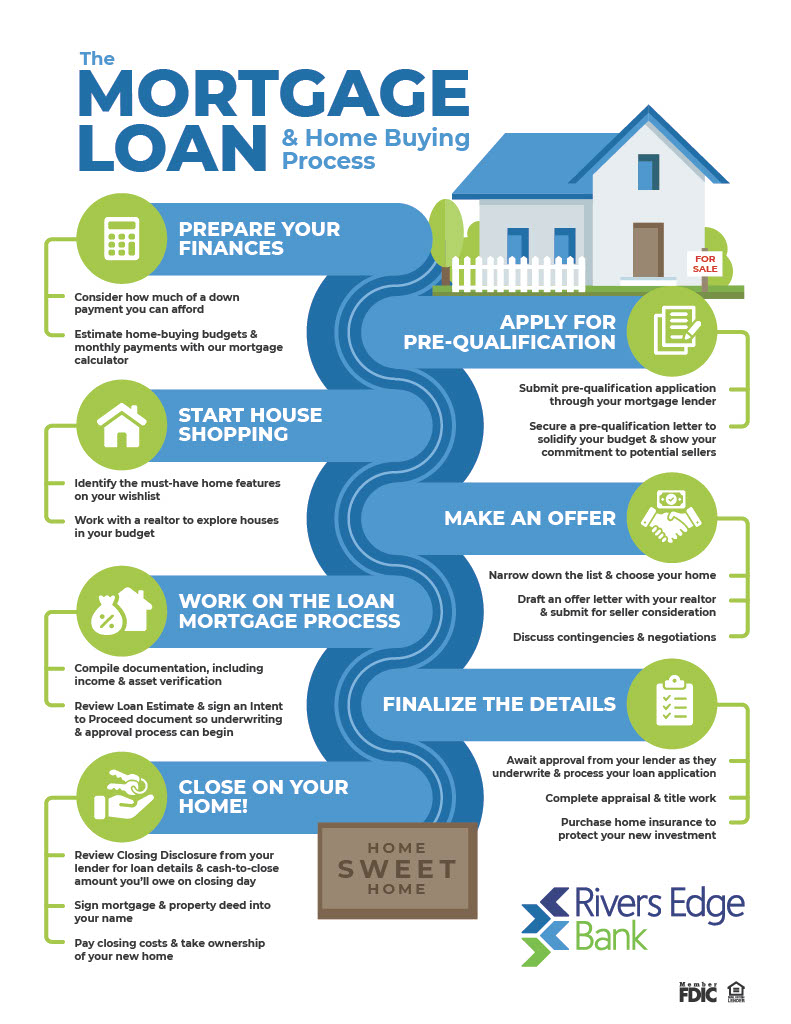
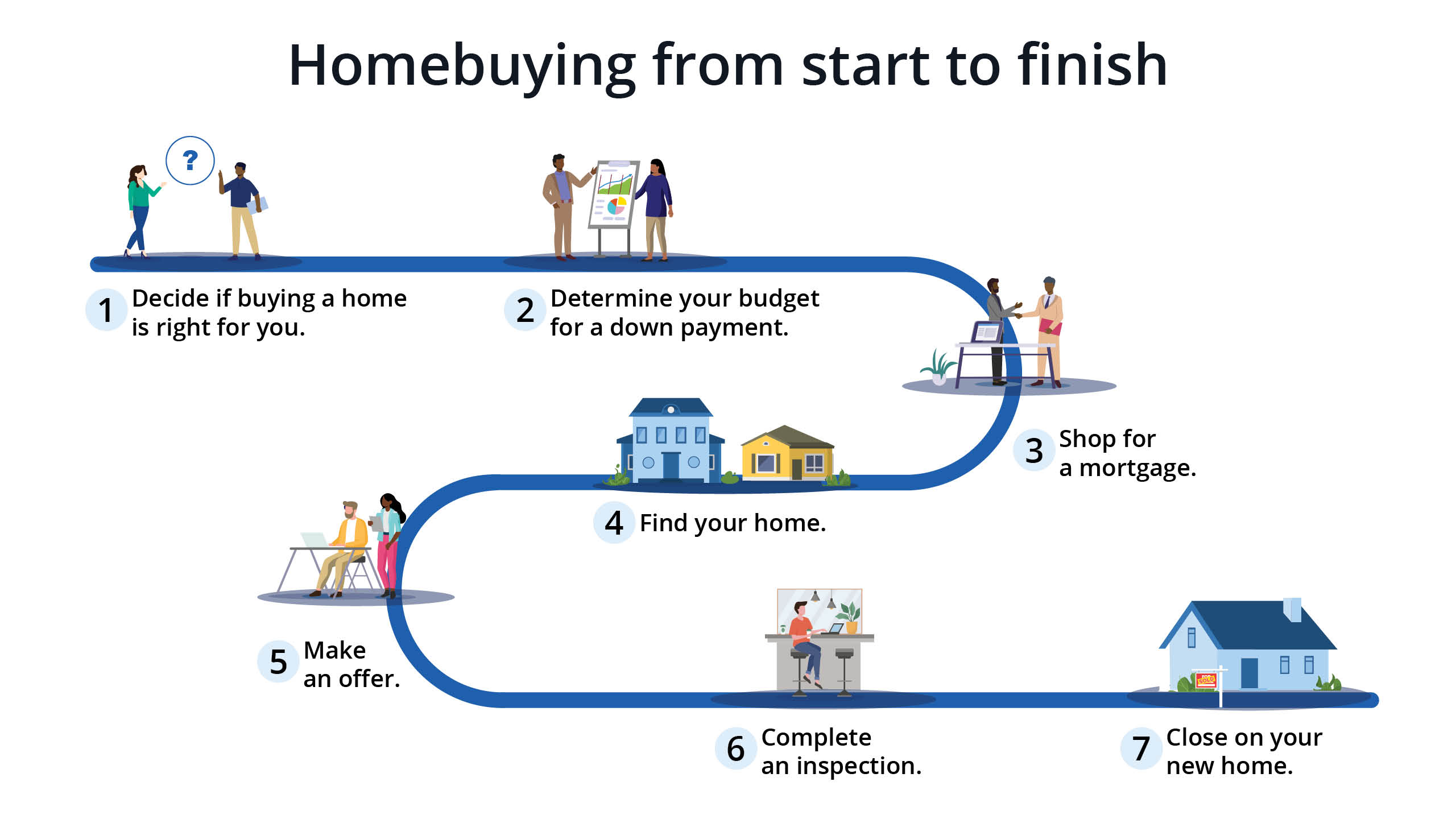
Once your finances are in order and you understand the loan products available, the formal process of mortgaging a house begins. This phase is characterized by intense documentation and professional scrutiny.
Securing a Pre-approval
A pre-approval is a conditional commitment from a lender to grant you a loan up to a specific amount. Unlike a “pre-qualification,” which is based on unverified information you provide, a pre-approval requires the lender to pull your credit and review your financial documents. In a competitive real estate market, a pre-approval letter is mandatory; sellers will rarely entertain an offer without one. It proves you are a “qualified buyer” who has the financial backing to close the deal.
The Documentation Phase
Lenders will require a “paper trail” for every aspect of your financial life. You will typically need to provide the last two years of W-2s, tax returns (especially if you are self-employed), the last 60 days of bank statements, and recent pay stubs. If you receive a “gift” for your down payment from a family member, you will need a signed “gift letter” and a bank statement from the donor to prove the funds are not a disguised loan. Any large, unexplained deposits into your accounts during this time will be flagged and must be documented to ensure they aren’t undisclosed debts.
Underwriting and Conditional Approval
Once you have found a house and your offer has been accepted, your file moves to the underwriter. The underwriter is the “judge” of the mortgage world. Their job is to verify every detail of the application and ensure it meets the lender’s and the secondary market’s guidelines. They will order an appraisal to ensure the house is actually worth what you are paying. If the appraisal comes in low, you may need to cover the “appraisal gap” in cash or renegotiate the price with the seller. During this phase, it is critical not to open new credit lines, quit your job, or make large purchases, as these can disqualify your loan at the eleventh hour.
Finalizing the Transaction and Asset Management
The final stage of mortgaging a house involves the legal transfer of funds and the establishment of your long-term payment structure. This is where the theoretical numbers become a concrete financial obligation.
Understanding Closing Costs
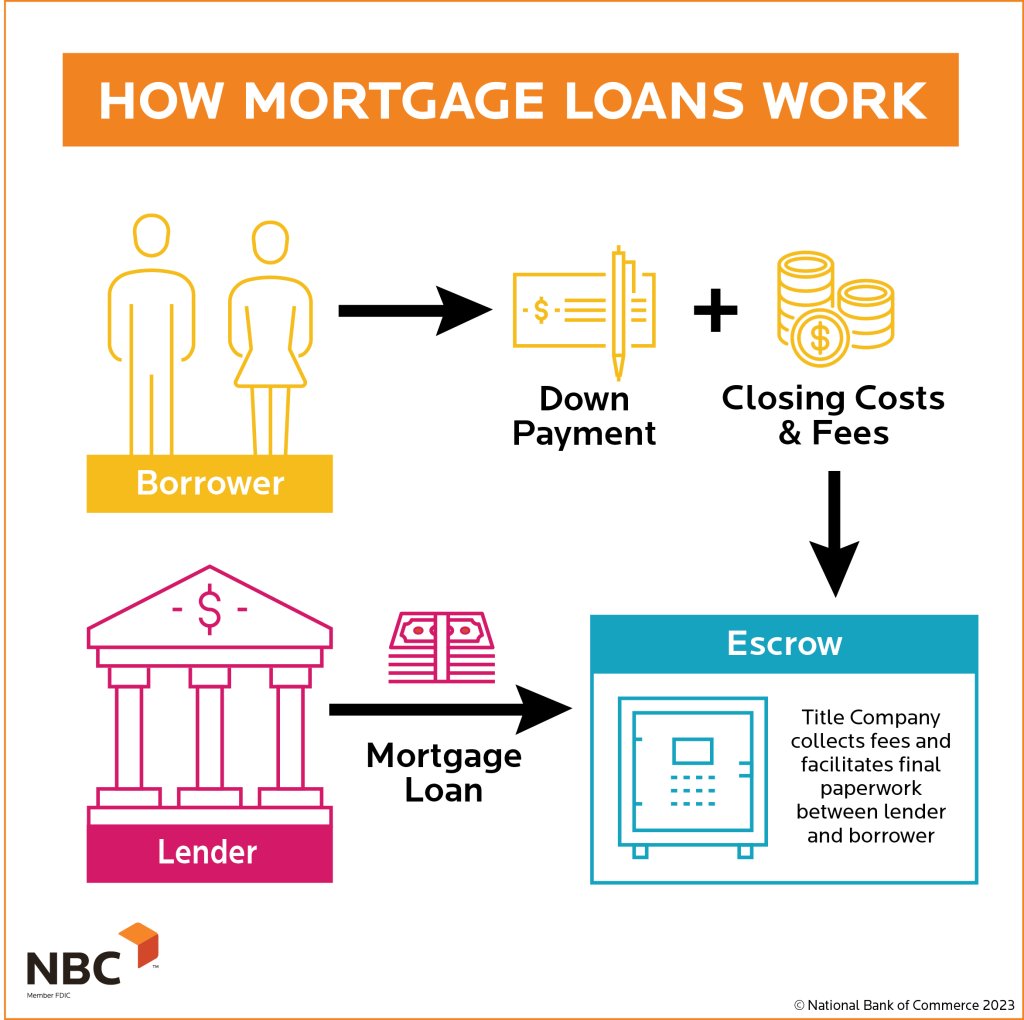
Closing costs typically range from 2% to 5% of the home’s purchase price. These include origination fees, title insurance, recording fees, and “pre-paids” (initial deposits for your escrow account to cover property taxes and homeowners insurance). You will receive a Closing Disclosure (CD) at least three days before you sign the final papers. You must compare this to your initial Loan Estimate (LE) to ensure the lender hasn’t added unnecessary fees or changed the terms of the deal without your knowledge.
The Role of Escrow
Most mortgages include an escrow account, which is a holding pen for the money you pay toward property taxes and insurance each month. The lender collects a portion of these annual bills as part of your monthly payment and pays them on your behalf when they come due. While this adds to your monthly “PITI” (Principal, Interest, Taxes, and Insurance) payment, it protects both you and the lender from the risk of a tax lien or an uninsured loss. For some borrowers, managing these payments themselves is an option, though lenders may charge a fee or require a higher down payment for this privilege.
Post-Closing Financial Strategy
Mortgaging a house is not the end of a financial journey, but the beginning of a new phase of asset management. As you pay down the principal and the property value (hopefully) appreciates, you build equity. This equity can be tapped later through a Home Equity Line of Credit (HELOC) or a cash-out refinance to fund renovations, consolidate high-interest debt, or provide capital for further investments. Furthermore, savvy homeowners monitor interest rate trends. If rates drop significantly below your current rate, a refinance could lower your monthly payment or shorten your loan term, further optimizing your personal balance sheet.
In summary, mortgaging a house is a multi-dimensional process that requires meticulous planning, a deep understanding of financial products, and an organized approach to documentation. By treating the mortgage not just as a debt, but as a strategic component of your broader financial portfolio, you can turn homeownership into a powerful engine for long-term wealth creation.
aViewFromTheCave is a participant in the Amazon Services LLC Associates Program, an affiliate advertising program designed to provide a means for sites to earn advertising fees by advertising and linking to Amazon.com. Amazon, the Amazon logo, AmazonSupply, and the AmazonSupply logo are trademarks of Amazon.com, Inc. or its affiliates. As an Amazon Associate we earn affiliate commissions from qualifying purchases.