
Navigating the landscape of homeownership in the current economic climate requires more than just a passing interest in real estate listings; it demands a deep dive into the financial mechanics of mortgage payments. For most households, the mortgage represents the single largest monthly expense, acting as the foundation upon which the rest of the family budget is built. However, the “average” mortgage payment is a moving target, influenced by fluctuating interest rates, regional economic shifts, and the evolving inventory of the housing market. Understanding these variables is essential for prospective buyers, current homeowners looking to refinance, and investors aiming to gauge market health.
The Current State of National Averages
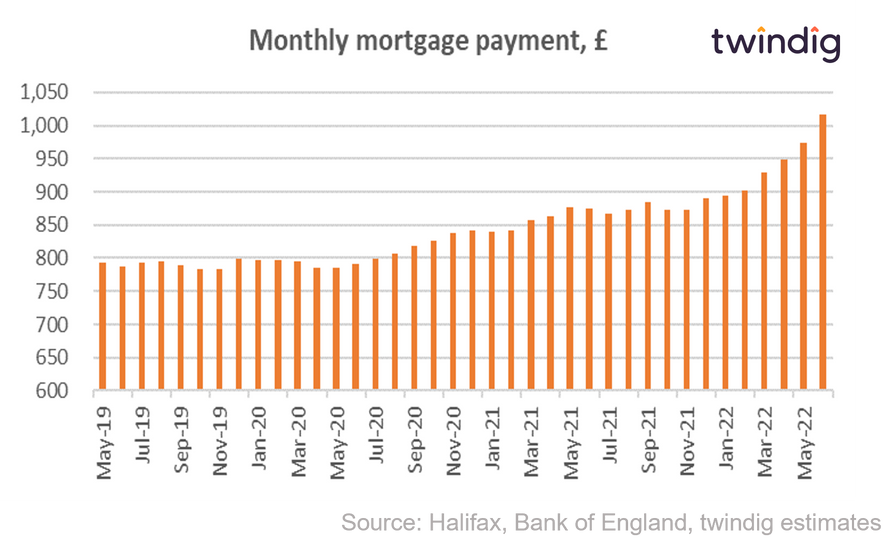
As of the mid-2020s, the national average mortgage payment has seen a significant upward trajectory compared to the previous decade. While for many years the median monthly payment hovered comfortably between $1,200 and $1,500, recent data from the Census Bureau and major lending institutions suggest that the average for new mortgages has surged closer to the $2,300 to $2,700 range. This increase is primarily attributed to the dual pressure of elevated home prices and higher interest rates.
It is important to distinguish between the average payment for all existing homeowners and the average for those entering the market today. Many existing homeowners are locked into “legacy rates”—sub-3% or 4% interest rates secured during the pandemic era. Their payments remain significantly lower than those of new buyers who are facing interest rates in the 6.5% to 7.5% range. This disparity has created a “locked-in effect,” where homeowners are hesitant to sell because moving would mean trading a low monthly payment for a much higher one, even for a home of similar value.
Geographic Disparities in Housing Costs
Geography remains the most potent variable in determining what you will pay each month. In high-cost-of-living (HCOL) areas such as San Francisco, New York City, or Seattle, average mortgage payments frequently exceed $4,000 or even $5,000. These regions are characterized by high demand, limited supply, and premium property taxes.
Conversely, in the Midwest or parts of the South, the average payment can still fall well below the national median. In states like Ohio, Indiana, or Mississippi, it is not uncommon to find average monthly payments hovering around $1,400 to $1,600. These regional differences highlight the importance of localized financial planning; a salary that sustains a comfortable lifestyle in Indianapolis may lead to significant “house poor” stress in San Diego.
The Anatomy of a Monthly Payment: Breaking Down PITI
To understand why the average mortgage payment is what it is, one must look beyond the sticker price of the home. A mortgage payment is typically composed of four main elements, often referred to by the acronym PITI: Principal, Interest, Taxes, and Insurance.
Principal and Interest
The principal is the portion of your payment that goes toward paying down the original loan balance. In the early years of a standard 30-year fixed-rate mortgage, the principal portion is surprisingly small. The majority of the early payments are directed toward interest—the cost of borrowing the money.
Interest rates are the primary lever that determines your monthly outlay. For example, on a $400,000 loan, the difference between a 3% interest rate and a 7% interest rate is roughly $900 per month. This “interest gap” explains why the average mortgage payment has climbed so drastically even in areas where home prices have remained relatively stable. Over the life of the loan, a higher interest rate can result in hundreds of thousands of dollars in additional costs.
Property Taxes and Escrow
Property taxes are a significant, and often rising, component of the monthly payment. These are typically collected by the lender and held in an escrow account, then paid to the local government on your behalf. Because property taxes are based on the assessed value of the home, as home prices rise, tax bills often follow suit. In states with high property tax rates, such as New Jersey or Illinois, the tax portion of the mortgage payment can represent 20% to 30% of the total monthly cost.
Homeowners Insurance and PMI
Insurance is the final piece of the PITI puzzle. Standard homeowners insurance protects against fire, theft, and certain types of damage. However, many buyers also encounter Private Mortgage Insurance (PMI). If you put down less than 20% of the home’s purchase price, lenders generally require PMI to protect themselves in case of default. PMI can add anywhere from $50 to $200 to a monthly payment, depending on the loan size and the borrower’s credit score. While PMI can eventually be canceled once you reach 20% equity, it is a significant factor in the “average” payment for first-time buyers.
Key Factors That Dictate Your Specific Mortgage Rate
While national averages provide a benchmark, your individual mortgage payment will be dictated by several personal financial factors. These are the variables within a borrower’s control that can either mitigate or exacerbate the cost of a loan.

The Role of Credit Scores
In the world of personal finance, your credit score is your most valuable asset when shopping for a mortgage. Lenders use this score to determine the level of risk they are taking. A borrower with a “Very Good” to “Exceptional” score (740 and above) will qualify for the lowest available interest rates. Those with scores in the “Fair” range (580 to 669) may find themselves paying 1% to 2% more in interest. Over a 30-year period, this difference in “average” payment can result in a massive divergence in total wealth accumulation.
Down Payment Impact
The size of the down payment directly influences the monthly principal and interest. A larger down payment reduces the loan-to-value (LTV) ratio, which often results in a lower interest rate offer from the lender. Furthermore, hitting the 20% threshold eliminates the need for PMI, immediately lowering the monthly obligation. Even a 10% down payment significantly reduces the monthly burden compared to a 3% or 3.5% down payment (common for FHA loans), as it reduces the total amount of interest accrued over time.
Loan Term: 15-Year vs. 30-Year Fixed
The choice between a 15-year and a 30-year mortgage creates a dramatic difference in the monthly payment. The 15-year mortgage typically offers a lower interest rate, but because the principal must be repaid in half the time, the monthly payment is significantly higher—often 30% to 50% more than a 30-year mortgage for the same loan amount. However, the long-term savings are immense; a 15-year borrower will pay a fraction of the total interest that a 30-year borrower will, allowing them to build equity at an accelerated rate.
Strategizing for Affordability: Beyond the Monthly Check
Understanding the average mortgage payment is only the first step; the second is determining what is sustainable for your specific financial profile. Financial experts often point to specific metrics to ensure that a mortgage payment doesn’t jeopardize other financial goals, such as retirement savings or emergency funds.
The 28/36 Rule
A classic benchmark in personal finance is the 28/36 rule. This guideline suggests that your total housing expenses (PITI) should not exceed 28% of your gross monthly income, and your total debt obligations (including car loans, student loans, and credit cards) should not exceed 36%. While some lenders allow for higher debt-to-income (DTI) ratios—sometimes up to 43% or even 50% for certain loan products—exceeding these limits can leave a household “house poor,” with little liquid cash left for maintenance, travel, or unexpected expenses.
The Influence of Inflation and Maintenance
It is a mistake to view the mortgage payment as the “total” cost of housing. While a fixed-rate mortgage protects you from rising rent, other costs associated with the mortgage payment—namely insurance and taxes—are subject to inflation. Furthermore, the average homeowner should budget an additional 1% to 2% of the home’s value annually for maintenance and repairs. When calculating if an “average” payment is affordable, these supplemental costs must be factored into the equation to avoid financial strain.
Refinancing and Recasting
For those already holding a mortgage that is higher than the current average, or for those who bought during a high-interest period, refinancing remains a potent tool. Refinancing involves taking out a new loan with better terms to pay off the old one. This is typically beneficial when interest rates drop by at least 0.75% to 1%.
Another lesser-known strategy is mortgage recasting. If a homeowner comes into a lump sum of money, they can pay down the principal and ask the lender to “recast” the loan. Unlike a simple extra payment, recasting re-calculates the monthly payment based on the new, lower balance, effectively lowering the monthly obligation without changing the interest rate or the loan term.
The Future Outlook of Housing Affordability
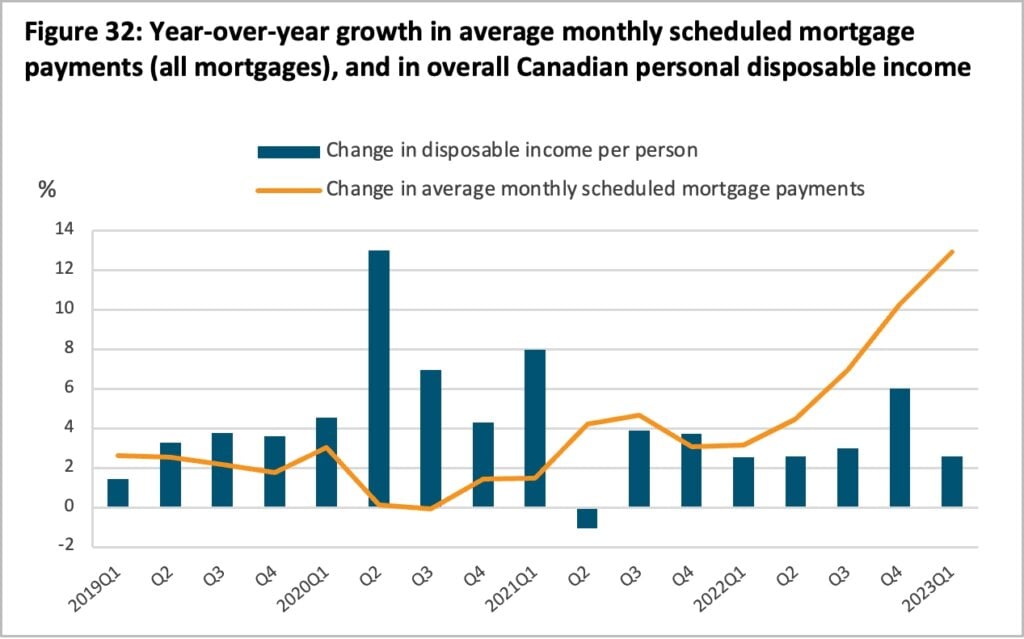
As we look toward the future of the real estate market, the “average” mortgage payment will likely remain elevated compared to historical norms. The combination of structural housing shortages and the normalization of interest rates suggests that the era of “ultra-cheap” money may be behind us.
However, the mortgage remains one of the most effective tools for building long-term wealth. Unlike rent, a mortgage payment acts as a forced savings vehicle, building equity in an asset that historically appreciates over time. By understanding the components of the payment—from the impact of credit scores to the nuances of property taxes—individuals can make informed decisions that align their housing needs with their broader financial aspirations.
Ultimately, the average mortgage payment is more than just a statistic; it is a reflection of the economic pulse of the nation. By staying informed on market trends and maintaining a disciplined approach to personal credit and savings, consumers can navigate the complexities of the mortgage market and secure a payment that supports, rather than hinders, their financial freedom.
aViewFromTheCave is a participant in the Amazon Services LLC Associates Program, an affiliate advertising program designed to provide a means for sites to earn advertising fees by advertising and linking to Amazon.com. Amazon, the Amazon logo, AmazonSupply, and the AmazonSupply logo are trademarks of Amazon.com, Inc. or its affiliates. As an Amazon Associate we earn affiliate commissions from qualifying purchases.