
Navigating the real estate market in the Lone Star State requires a keen understanding of the financial landscape, particularly the fluctuations in mortgage interest rates. As one of the most dynamic economies in the United States, Texas offers a unique blend of urban growth and rural stability, yet its housing market is inextricably linked to broader macroeconomic trends. For potential homebuyers and investors, the question of “current rates” is not just about a single percentage point; it is about understanding the underlying forces that shape borrowing costs in Texas and how to leverage that knowledge to secure the most favorable financial terms.
The Macroeconomic Drivers of Texas Mortgage Rates
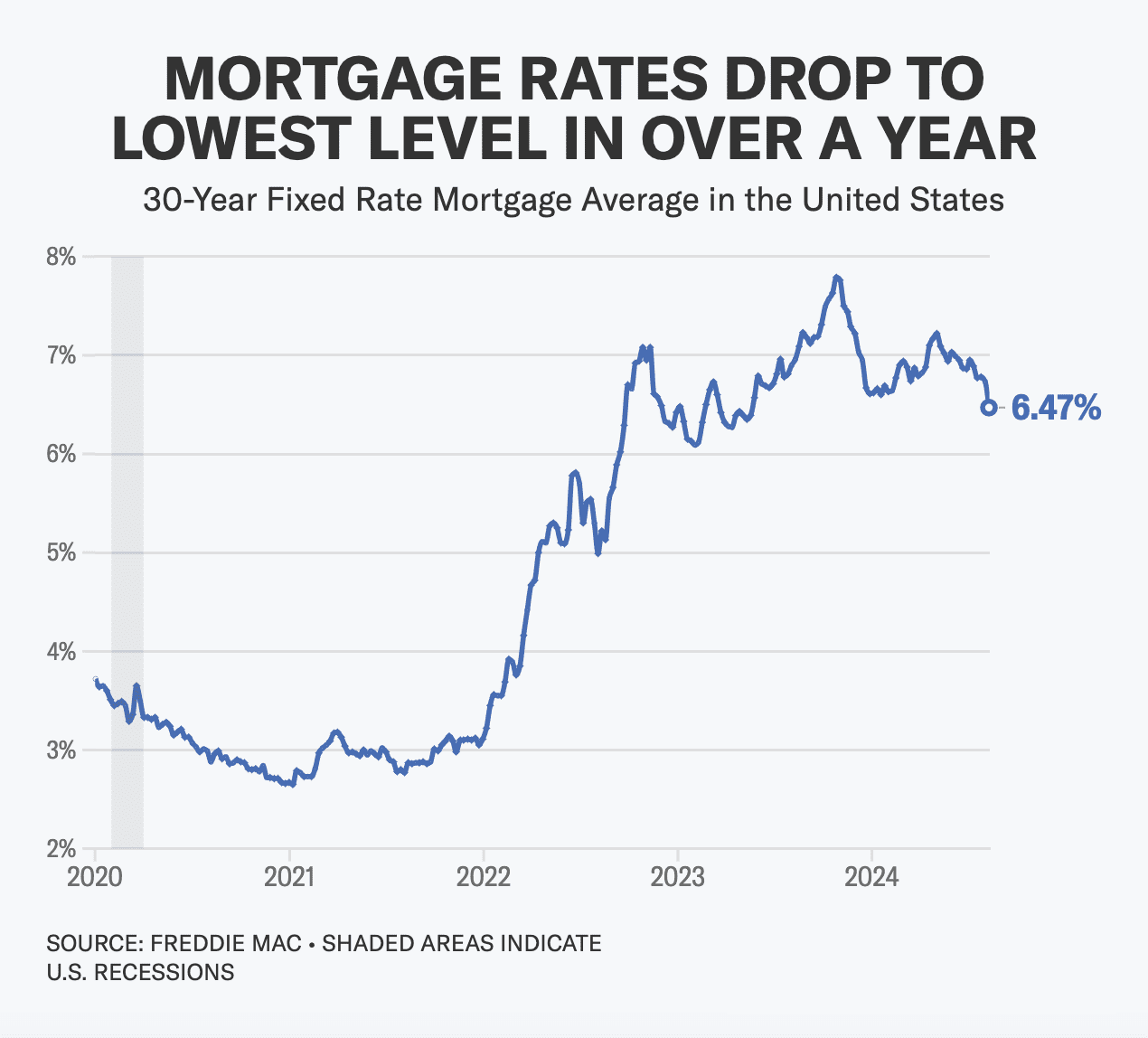
To understand why mortgage rates in Texas sit at their current levels, one must look toward the national and global financial indicators that dictate the flow of capital. While Texas has its own localized demand, mortgage lenders primarily peg their rates to the yield on the 10-year U.S. Treasury note. When investors are concerned about inflation, they demand higher yields, which in turn drives up the cost of home loans.
The Impact of Federal Reserve Policy
The Federal Reserve does not directly set mortgage rates, but its monetary policy decisions create the environment in which those rates live. By adjusting the federal funds rate, the Fed influences the “prime rate” and the cost at which banks lend to one another. Over the past several cycles, the Fed’s aggressive stance on curbing inflation has led to a significant upward shift in mortgage benchmarks. In Texas, where the population continues to swell due to corporate relocations, this has created a push-pull dynamic: high demand for housing meets the headwind of higher borrowing costs.
Inflation and the Consumer Price Index (CPI)
Mortgage rates are often viewed as a hedge against inflation. When the Consumer Price Index shows that the purchasing power of the dollar is eroding, lenders must charge higher interest rates to ensure their long-term returns remain profitable. For a Texan looking at a 30-year fixed-rate mortgage, the current rate reflects the market’s collective expectation of where inflation will head over the next decade. If the data suggests that inflation is cooling, rates often stabilize or tick downward; if inflation remains “sticky,” rates are likely to remain elevated.
The Role of Secondary Markets and MBS
Most mortgages in Texas are bundled into Mortgage-Backed Securities (MBS) and sold to investors. The spread between the 10-year Treasury yield and the average 30-year mortgage rate is a critical metric for financial health. Typically, this spread is around 1.5% to 2%, but in periods of high volatility, it can widen. This means that even if the Fed stops raising rates, mortgage rates in Texas might stay high if investors perceive the housing market as risky or if there is low liquidity in the MBS market.
Regional Variations Within the Texas Real Estate Market
While mortgage rates are largely standardized by national credit markets, the practical application of these rates—and the total cost of borrowing—can vary significantly between the diverse regions of Texas. From the high-tech corridors of Austin to the industrial hubs of Houston, local economic health plays a role in how lenders assess risk and offer terms.
The Austin and Dallas Metropolitan Influence
In high-growth areas like Austin and Dallas-Fort Worth, property values have seen historic appreciation. Lenders in these regions may offer competitive “jumbo loan” rates for properties that exceed the conforming loan limits set by the Federal Housing Finance Agency (FHFA). Because these markets are considered robust, lenders may be more willing to offer aggressive pricing to high-credit-score borrowers, knowing that the underlying asset is located in a primary economic engine of the state.
Property Taxes and the All-In Monthly Payment
A crucial factor for any Texas borrower is the state’s lack of income tax, which is offset by relatively high property taxes. When calculating a mortgage, the “interest rate” is only one part of the PITI (Principal, Interest, Taxes, and Insurance) equation. In many Texas counties, property taxes can range from 1.5% to over 3% of the home’s assessed value. Therefore, a 6.5% interest rate in a high-tax jurisdiction like Harris County or Travis County feels much heavier on the monthly budget than the same rate in a state with lower property taxes. Smart investors in Texas look at the “effective rate” of their total housing cost rather than just the nominal mortgage rate.
Rural vs. Urban Lending Dynamics
In more rural parts of Texas, such as the Panhandle or the Big Bend region, borrowers may find that local community banks and credit unions offer different terms than the “big box” national lenders. These institutions often have a better grasp of the local land values and may offer specialized products, such as USDA loans for rural development, which carry different rate structures and zero-down-payment options that are not applicable in the urban centers of San Antonio or El Paso.
Comparing Fixed-Rate vs. Adjustable-Rate Mortgages (ARMs)
In the current rate environment, Texas borrowers are increasingly faced with a choice: lock in a permanent rate now or gamble on a fluctuating rate in hopes of future decreases. Each strategy carries significant financial implications.
The Stability of the 30-Year Fixed Mortgage
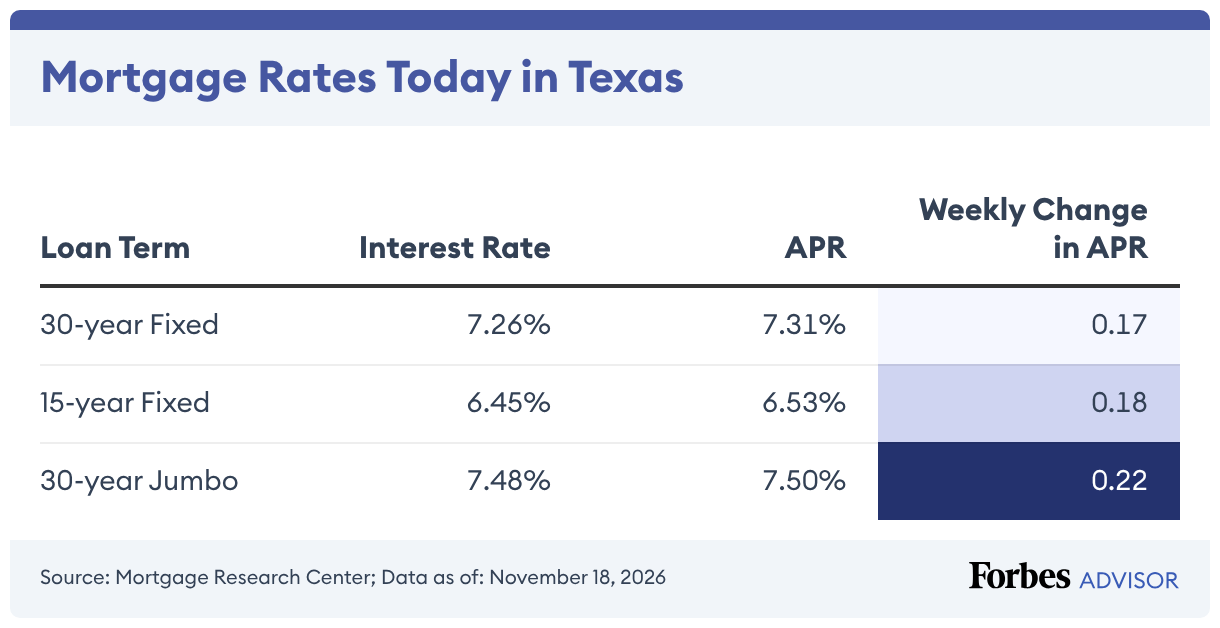
The 30-year fixed-rate mortgage remains the gold standard for Texas families seeking long-term security. The primary benefit is predictability; regardless of what happens to the global economy or the Texas housing market, the principal and interest payment remains the same. In an environment where rates are perceived to be at a cyclical high, some borrowers choose this option with the intent to refinance later if rates drop, essentially using the fixed rate as a safety net.
The Appeal of the 15-Year Fixed Option
For those looking to build equity rapidly and minimize the total interest paid over the life of the loan, the 15-year fixed mortgage is an attractive tool. Typically, 15-year rates in Texas are 0.5% to 1% lower than their 30-year counterparts. While this results in a higher monthly payment, the total interest savings can reach hundreds of thousands of dollars, making it a favorite for high-income earners and those nearing retirement.
Understanding the 5/1 and 7/1 ARMs
Adjustable-Rate Mortgages (ARMs) have regained popularity as rates have climbed. A 5/1 ARM, for instance, offers a fixed interest rate for the first five years, after which the rate adjusts annually based on a specific index (like the SOFR). In Texas, where the average homeowner moves or refinances every seven to ten years, an ARM can be a strategic move. If the initial “teaser” rate is significantly lower than the 30-year fixed rate, the borrower can save thousands in the short term, provided they have an exit strategy—either selling the home or refinancing—before the adjustment period begins.
Specialized Loan Programs for Texas Residents
The state of Texas offers several programs designed to make homeownership more accessible, which can effectively lower the “real” rate a borrower pays through down payment assistance or tax credits.
Texas State Affordable Housing Corporation (TSAHC)
TSAHC provides programs for teachers, fire fighters, police officers, and low-to-moderate-income families. These programs often include fixed-rate mortgage options combined with down payment assistance (DPA) in the form of a grant or a second lien. While the interest rate on a TSAHC loan might be slightly higher than a standard conventional loan, the lack of a need for a massive cash down payment significantly lowers the barrier to entry for many Texans.
VA Loans for the Large Veteran Population
Texas is home to one of the largest veteran populations in the country. VA loans are a critical component of the Texas mortgage market, often offering rates that are 0.25% to 0.5% lower than conventional loans. Furthermore, VA loans do not require private mortgage insurance (PMI) and allow for 100% financing. For eligible Texans, the VA loan is almost always the most cost-effective path to homeownership, regardless of the prevailing market rates.
FHA Loans and Credit Flexibility
For Texas borrowers with credit scores in the 580 to 620 range, FHA loans provide a viable pathway. While FHA rates are often competitive, they come with mandatory Mortgage Insurance Premiums (MIP) that persist for the life of the loan if the down payment is less than 10%. In the context of “current rates,” an FHA borrower must factor in this insurance cost to understand their true APR (Annual Percentage Rate).
Strategies to Secure the Best Possible Rate
Securing a favorable mortgage rate in Texas is not a passive process; it requires active financial management and a strategic approach to the lending market.
Optimizing the Credit Score
In the eyes of a lender, the credit score is the primary indicator of risk. In Texas, the difference between a 680 and a 760 credit score can equate to a 0.5% to 0.75% difference in the interest rate. Over a 30-year loan on a $400,000 home, this seemingly small gap can result in over $50,000 in additional interest. Borrowers are encouraged to reduce credit card utilization and resolve any discrepancies on their reports at least six months before applying for a mortgage.
The Strategy of Paying Points
“Discount points” allow a borrower to pay an upfront fee to “buy down” the interest rate. One point typically costs 1% of the total loan amount and reduces the interest rate by approximately 0.25%. In a high-rate environment, Texans who plan to stay in their homes for ten years or more often find that the “break-even point”—the moment where the monthly savings exceed the initial cost of the points—is reached in about five to seven years. This is a powerful tool for those with extra liquidity at closing who want to minimize their long-term debt service.

Comparison Shopping and Locking the Rate
Mortgage rates can change multiple times in a single day based on bond market fluctuations. It is essential for Texas buyers to shop at least three different types of lenders: a national bank, a local credit union, and an independent mortgage broker. Once a favorable rate is found, the “rate lock” becomes the borrower’s best friend. Most lenders offer a 30-day or 60-day lock period. In a volatile market, securing a lock as soon as the purchase contract is signed protects the borrower from sudden spikes that could disqualify them from the loan or significantly alter their monthly budget.
As the Texas economy continues to evolve, mortgage rates will remain a pivotal factor for personal wealth and financial stability. By understanding the macro drivers, regional nuances, and available loan products, Texans can make informed decisions that align with their long-term financial goals.
aViewFromTheCave is a participant in the Amazon Services LLC Associates Program, an affiliate advertising program designed to provide a means for sites to earn advertising fees by advertising and linking to Amazon.com. Amazon, the Amazon logo, AmazonSupply, and the AmazonSupply logo are trademarks of Amazon.com, Inc. or its affiliates. As an Amazon Associate we earn affiliate commissions from qualifying purchases.