
The human body is a marvel of intricate systems, a symphony of cells working in concert to maintain life and respond to its ever-changing demands. Among these cellular players, a fascinating and often misunderstood group exists: neuroendocrine cells. These remarkable entities stand at a unique crossroads, bridging the nervous and endocrine systems, acting as crucial messengers in the complex communication network that governs everything from mood and metabolism to growth and stress response.
While the immediate association with “neuroendocrine” might lean towards biology and medicine, understanding these cells and their dysfunctions has profound implications across a broader spectrum, including the technological advancements that are revolutionizing diagnostics and treatments, the branding and communication strategies needed to convey complex scientific information, and the financial implications of cutting-edge research and healthcare.
The Dual Nature: Bridging the Nervous and Endocrine Worlds
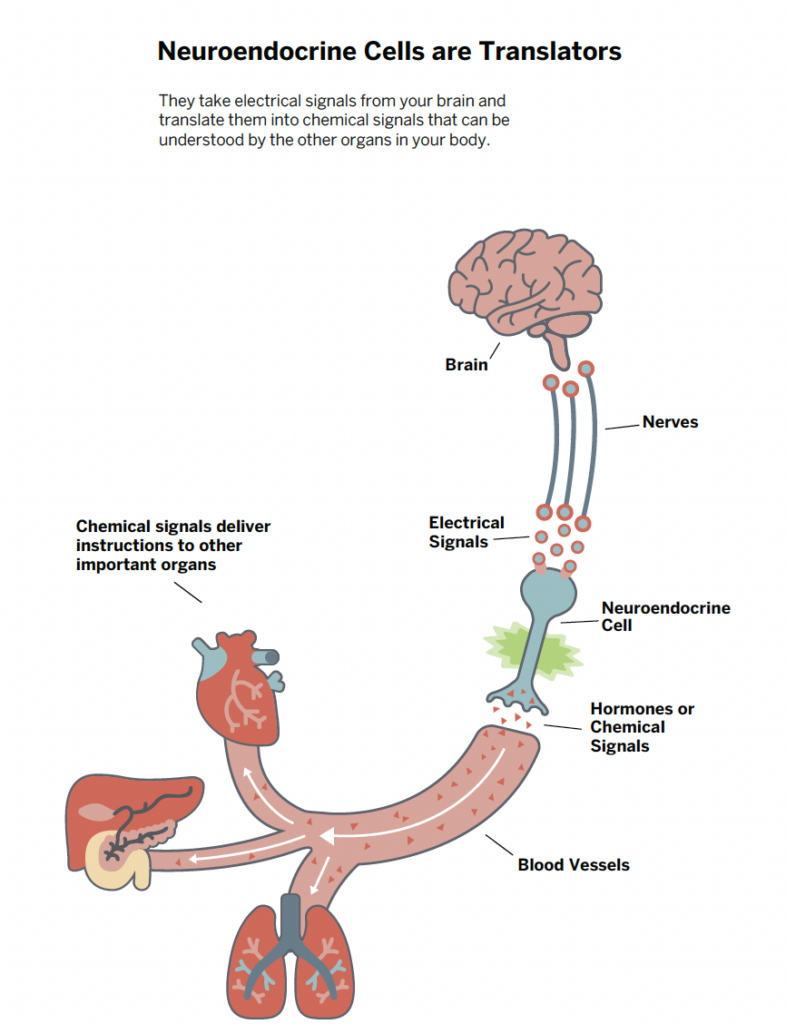
Neuroendocrine cells possess a dual personality, a remarkable ability to exhibit characteristics of both neurons and endocrine cells. This hybrid nature is the key to their unique function within the body.
Neuronal Traits: Signaling Through the Nervous System
Like neurons, neuroendocrine cells are excitable. This means they can generate electrical impulses, or action potentials, in response to stimuli. These electrical signals are fundamental to the rapid, targeted communication that defines the nervous system. When a neuroendocrine cell receives a signal – perhaps a chemical cue from its environment or another cell – it can trigger an electrical impulse that travels along its membrane.
This electrical activity allows neuroendocrine cells to receive and process information from their surroundings. They are adept at sensing subtle changes, whether it’s a fluctuation in blood glucose, a stress hormone, or a signal from the brain. This sensory capacity is crucial for their role as intermediaries, translating external or internal cues into signals that can initiate specific physiological responses.
Endocrine Traits: Orchestrating with Hormones
While they possess neuronal excitability, neuroendocrine cells’ primary output is the synthesis and release of hormones. Unlike traditional neurons that release neurotransmitters directly across a synapse to act on neighboring cells, neuroendocrine cells often release their hormonal products into the bloodstream.
These hormones, acting as chemical messengers, travel throughout the body, reaching distant target cells and organs. The endocrine system is characterized by its slower, more widespread, and long-lasting effects, and neuroendocrine cells are the architects of this crucial communication. They act like miniature endocrine glands, secreting specific molecules that can regulate a vast array of bodily functions.
The hormones they produce can include a diverse range of peptides and amines, such as:
- Releasing Hormones and Inhibiting Hormones: These are often produced in the hypothalamus and act on the pituitary gland, controlling the release of other hormones.
- Neurotransmitters with Hormonal Roles: Some molecules, like dopamine, can act as both neurotransmitters within the nervous system and hormones when released into the bloodstream.
- Peptide Hormones: These are chains of amino acids that can have a wide range of effects, from regulating appetite and sleep to influencing growth and mood.
This dual capacity for electrical signaling and hormonal secretion allows neuroendocrine cells to integrate signals from the nervous system and translate them into widespread physiological changes, making them indispensable for maintaining homeostasis – the stable internal environment necessary for life.
Where Do We Find Them? Ubiquitous Messengers in Key Locations
Neuroendocrine cells are not confined to a single location but are distributed throughout the body, strategically positioned to monitor and influence various physiological processes. Their presence in key organs underscores their critical role in regulating fundamental bodily functions.
The Brain: The Master Regulators
Perhaps the most significant concentration of neuroendocrine cells is found within the brain, particularly in the hypothalamus. This region of the brain acts as the command center for the endocrine system, and its neuroendocrine cells are responsible for a plethora of vital functions:
- Hypothalamus-Pituitary Axis: Neuroendocrine cells in the hypothalamus produce hormones that control the pituitary gland, a pea-sized gland at the base of the brain. This axis is paramount for regulating growth, metabolism, reproduction, stress response, and more. For example, corticotropin-releasing hormone (CRH) from the hypothalamus stimulates the pituitary to release adrenocorticotropic hormone (ACTH), which in turn signals the adrenal glands to produce cortisol.
- Appetite and Satiety: Cells in the hypothalamus also play a critical role in regulating hunger and fullness, producing hormones like ghrelin (stimulates appetite) and leptin (suppresses appetite).
- Sleep-Wake Cycles: The suprachiasmatic nucleus of the hypothalamus contains neuroendocrine cells that regulate circadian rhythms, influencing our sleep patterns.
Beyond the hypothalamus, neuroendocrine cells are also found in other brain regions, contributing to the complex interplay between the nervous and endocrine systems.
The Gastrointestinal Tract: The Gut-Brain Connection
The digestive system, often referred to as the “second brain,” is populated with a significant number of neuroendocrine cells within its lining. These cells are vital for regulating digestion, nutrient absorption, and even influencing mood and behavior through the gut-brain axis.
- Hormone Production: Enteroendocrine cells, a type of neuroendocrine cell in the gut, produce a wide array of hormones that control:
- Gastric Emptying: Regulating how quickly food moves from the stomach to the small intestine.
- Enzyme and Bile Secretion: Stimulating the release of digestive juices.
- Nutrient Absorption: Influencing the uptake of nutrients.
- Appetite Regulation: Releasing hormones like cholecystokinin (CCK) and peptide YY (PYY), which signal satiety.
- Vagal Nerve Stimulation: These gut neuroendocrine cells can also communicate with the brain via the vagal nerve, further strengthening the gut-brain connection.
The Lungs: Breathing and Beyond
Even the lungs, primarily associated with respiration, harbor neuroendocrine cells. These cells, often found in the bronchial epithelium, are thought to play a role in regulating airway function and possibly have implications in certain lung diseases. Their exact functions are still an area of active research, highlighting the ongoing discoveries in neuroendocrinology.
Other Locations: A Widespread Network
Neuroendocrine cells can also be found in other parts of the body, including:
- The Pancreas: Besides producing insulin and glucagon, pancreatic neuroendocrine cells secrete other hormones that influence metabolism.
- The Thyroid and Parathyroid Glands: These glands, crucial for metabolism and calcium regulation, have neuroendocrine components.
- The Adrenal Glands: While primarily endocrine, their interaction with neuroendocrine signals from the hypothalamus is critical.
The widespread distribution of neuroendocrine cells underscores their fundamental importance in orchestrating the body’s complex internal environment, responding to a vast array of stimuli and maintaining physiological balance.
When Things Go Wrong: Neuroendocrine Tumors and the Impact of Technology
The intricate communication network orchestrated by neuroendocrine cells is remarkably robust, but like any biological system, it can be subject to disruptions. One of the most significant clinical manifestations of neuroendocrine cell dysfunction is the development of neuroendocrine tumors (NETs). These are a diverse group of rare tumors that arise from cells with neuroendocrine characteristics.
Understanding Neuroendocrine Tumors (NETs)
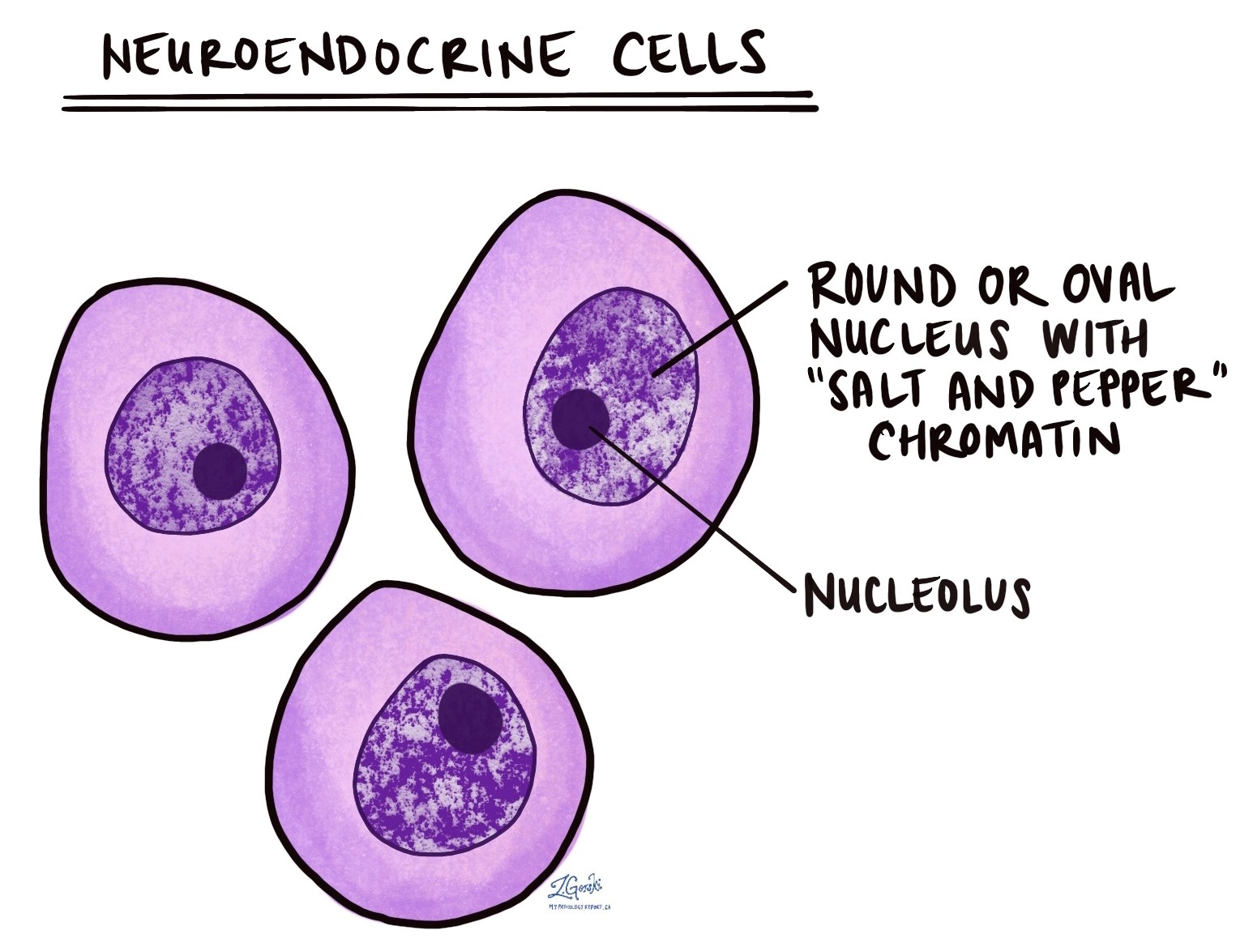
NETs can occur in various parts of the body, with the most common sites being the gastrointestinal tract, pancreas, and lungs. They are characterized by their slow growth rate in many cases, but can also be aggressive. The symptoms associated with NETs are often varied and can be difficult to diagnose because they mimic other common conditions. This is largely due to the hormones that these tumors can overproduce.
- Hormone Overproduction: When neuroendocrine cells become cancerous, they can continue to produce and release hormones, often in excessive amounts. This hormonal imbalance leads to a wide range of symptoms depending on the specific hormone and the tumor’s location. For instance, a NET in the pancreas might overproduce insulin, leading to hypoglycemia (low blood sugar), or gastrin, causing severe stomach ulcers (Zollinger-Ellison syndrome).
- Diagnostic Challenges: The subtle and varied nature of NET symptoms can lead to delayed diagnosis. Patients might experience gastrointestinal distress, flushing, palpitations, diarrhea, or unexplained weight changes, which can be attributed to numerous other ailments. This diagnostic odyssey highlights the need for sophisticated tools and expertise.
The Role of Technology in Diagnosis and Treatment
The advancement of technology has been a game-changer in the diagnosis, management, and treatment of neuroendocrine tumors. From sophisticated imaging techniques to precision medicine approaches, technology is revolutionizing how we understand and combat these complex diseases.
Advanced Imaging and Diagnostics:
- Molecular Imaging: Techniques like Somatostatin Receptor Scintigraphy (Octreoscan) and newer PET (Positron Emission Tomography) scans using specific radiotracers (e.g., Ga-68 DOTATATE PET/CT) have become indispensable. These scans allow clinicians to visualize NETs with remarkable precision, identify their location, size, and whether they have spread to other parts of the body. This level of detail is crucial for treatment planning.
- Genomic Sequencing and Biomarkers: Advances in DNA sequencing and the identification of specific biomarkers are paving the way for more personalized diagnostics. Analyzing the genetic makeup of a NET can help predict its behavior and guide treatment choices. This falls under the umbrella of precision medicine, a field heavily reliant on technological innovation.
- AI-Powered Analysis: Artificial intelligence (AI) is increasingly being integrated into medical imaging analysis. AI algorithms can help radiologists detect subtle abnormalities that might be missed by the human eye, improving the accuracy and speed of NET diagnosis. AI tools are also being developed to analyze vast datasets of patient information to identify patterns and predict disease progression.
Innovative Treatment Modalities:
- Targeted Therapies and Immunotherapies: The development of targeted drugs that specifically attack NET cells or harness the patient’s own immune system to fight the cancer has significantly improved outcomes. These therapies are often guided by the genetic profile of the tumor.
- Radioligand Therapy (PRRT): This cutting-edge treatment involves attaching a radioactive substance to a molecule that specifically binds to NET cells. This allows for targeted delivery of radiation directly to the tumor, minimizing damage to surrounding healthy tissues.
- Minimally Invasive Surgery and Robotics: Technological advancements in surgical techniques, including robotic-assisted surgery, allow for more precise and less invasive removal of NETs, leading to faster recovery times for patients.
Digital Health and Remote Monitoring:
- Telemedicine and Wearable Devices: The rise of telemedicine platforms and wearable health trackers allows for continuous monitoring of patients with NETs, enabling early detection of complications and facilitating proactive management of symptoms. This is particularly beneficial for individuals living far from specialized treatment centers.
- Digital Therapeutics: Emerging digital therapeutics offer personalized interventions and support for patients, helping them manage their condition and improve their quality of life.
The intersection of neuroendocrinology and technology is a fertile ground for innovation, offering hope and improved outcomes for individuals affected by neuroendocrine tumors. The ability to precisely visualize, diagnose, and treat these complex conditions is a testament to the rapid pace of scientific and technological advancement.
Branding and Communication in the Neuroendocrine Landscape
Communicating complex scientific information about neuroendocrine cells and their associated diseases presents a unique branding and communication challenge. Whether for research institutions, pharmaceutical companies, patient advocacy groups, or even individual clinicians, effective branding and strategic messaging are paramount.
The Importance of Clear and Accessible Communication
Neuroendocrinology is a highly specialized field. Explaining the intricacies of neuroendocrine cells, their hormonal functions, and the complexities of NETs to a diverse audience – from medical professionals to patients and the general public – requires a strategic approach.
- Demystifying the Science: The initial challenge is to demystify the subject matter. Terms like “neuroendocrine” and specific hormone names can be intimidating. Branding efforts need to focus on creating accessible language, utilizing clear visuals, and employing analogies to explain complex biological processes.
- Building Trust and Credibility: For research organizations or companies developing new treatments, establishing trust and credibility is vital. This involves showcasing scientific rigor, transparently sharing research findings, and highlighting the expertise of their teams. A strong brand identity that reflects innovation and reliability can be a significant asset.
- Patient Empowerment through Education: Patient advocacy groups play a crucial role in empowering individuals affected by NETs. Their branding should convey a sense of support, community, and hope. Educational materials, webinars, and patient stories, all branded consistently, can significantly improve patient understanding and engagement with their care.
Strategic Messaging and Digital Presence
In today’s digital age, a robust online presence and strategic messaging are indispensable.
- Content Marketing: Creating informative and engaging content, such as blog posts, articles, videos, and infographics, can help disseminate knowledge about neuroendocrine cells and NETs. This content should be optimized for search engines to reach those seeking information.
- Social Media Engagement: Utilizing social media platforms to share updates, engage with the community, and promote events can amplify reach and foster connections. However, it’s crucial to maintain a professional and sensitive tone when discussing health-related topics.
- Website Design and User Experience: The design of websites for organizations in this field needs to be intuitive, informative, and easy to navigate. Clear calls to action, such as “learn more,” “find a specialist,” or “donate,” are essential. A positive user experience can significantly impact how information is received and how the brand is perceived.
- Personal Branding for Experts: Individual researchers, clinicians, and thought leaders can benefit from personal branding. Establishing a strong online presence through platforms like LinkedIn, academic profiles, and professional websites can highlight their expertise and foster collaborations.
Effectively branding the field of neuroendocrinology, from the fundamental science to the patient experience, requires a deep understanding of the audience and a commitment to clear, consistent, and compassionate communication. The integration of technology, particularly in digital marketing and content creation, plays a pivotal role in achieving these goals.
The Financial Landscape of Neuroendocrine Research and Care
The journey from understanding a basic biological cell to developing life-saving treatments for diseases like neuroendocrine tumors involves significant financial considerations. The financial landscape of neuroendocrinology is multifaceted, encompassing research funding, drug development costs, healthcare delivery, and the economic impact on patients.
Research Funding and Investment
The pursuit of knowledge about neuroendocrine cells and their dysfunctions relies heavily on research funding.
- Government Grants and Public Funding: National institutes of health and other government bodies play a crucial role in funding basic and translational research. These grants are competitive and are essential for exploring new hypotheses, understanding disease mechanisms, and identifying potential therapeutic targets.
- Philanthropic Donations and Foundations: Charitable organizations and individual donors often contribute significantly to neuroendocrine research, particularly for rare diseases like NETs. These funds can support specific research projects, fellowships for young scientists, and awareness campaigns.
- Venture Capital and Private Investment: As research progresses and promising therapies emerge, venture capital firms and private investors become increasingly important. They provide the capital necessary to advance drug development, conduct clinical trials, and bring new treatments to market.
The High Stakes of Drug Development
The pharmaceutical industry plays a vital role in translating scientific discoveries into viable treatments. However, this process is incredibly costly and time-consuming.
- Research and Development Costs: Developing a new drug can cost billions of dollars. This includes the extensive preclinical research, multiple phases of clinical trials (which are expensive to conduct and involve many patients), regulatory approvals, and manufacturing.
- Pricing of Specialized Treatments: For rare diseases like NETs, the specialized nature of treatments, combined with the high R&D costs and the relatively small patient population, can lead to high drug prices. This raises critical questions about accessibility and affordability.
- Intellectual Property and Patent Protection: Companies invest heavily in drug development with the expectation of recouping their investment through patent protection, which grants them exclusive rights to sell the drug for a certain period. This system incentivizes innovation but also contributes to the initial high cost of new medications.

Healthcare Delivery and Patient Costs
The financial implications extend to the delivery of healthcare and the direct costs incurred by patients.
- Diagnostic Technologies: The advanced imaging and diagnostic tools discussed earlier, while crucial for accurate diagnosis, can also be expensive. The cost of PET scans, genetic testing, and specialized laboratory analyses can be significant.
- Treatment Modalities: Treatments for NETs, including surgery, targeted therapies, radioligand therapy, and ongoing supportive care, all come with substantial costs. These can include hospital stays, physician fees, medication expenses, and the cost of managing side effects.
- Insurance Coverage and Reimbursement: The extent to which insurance companies cover these diagnostic and treatment costs significantly impacts patient access. Navigating insurance policies and understanding reimbursement processes can be a complex and stressful aspect of managing a NET diagnosis.
- Economic Impact on Patients: A diagnosis of a NET can have a profound economic impact on patients and their families. This can include lost wages due to time off work for appointments and treatment, increased healthcare expenses, and the need for long-term care. Financial planning and support services are often essential for navigating these challenges.
The financial ecosystem surrounding neuroendocrinology is a complex interplay of investment, innovation, and the practical realities of healthcare delivery. Understanding these financial dynamics is crucial for advocating for research, ensuring equitable access to treatments, and supporting patients through their journey. The future promises continued advancements, and with them, ongoing conversations about how to make these life-changing developments financially sustainable and accessible to all who need them.
aViewFromTheCave is a participant in the Amazon Services LLC Associates Program, an affiliate advertising program designed to provide a means for sites to earn advertising fees by advertising and linking to Amazon.com. Amazon, the Amazon logo, AmazonSupply, and the AmazonSupply logo are trademarks of Amazon.com, Inc. or its affiliates. As an Amazon Associate we earn affiliate commissions from qualifying purchases.