
Navigating the real estate market requires a keen understanding of the financial mechanisms that power homeownership. For many first-time homebuyers and those with moderate incomes, the Federal Housing Administration (FHA) loan program serves as a vital gateway to the American Dream. However, the question of “what is the current FHA rate” is rarely answered with a single, static number. Instead, it is a moving target influenced by global economic shifts, federal monetary policy, and individual financial profiles.
Understanding the nuances of FHA rates is essential for any prospective borrower looking to minimize costs and maximize their purchasing power. While FHA loans often boast lower nominal interest rates compared to conventional mortgages, the total cost of borrowing involves a complex interplay of premiums, fees, and market volatility.
Understanding the Fundamentals of FHA Mortgage Rates
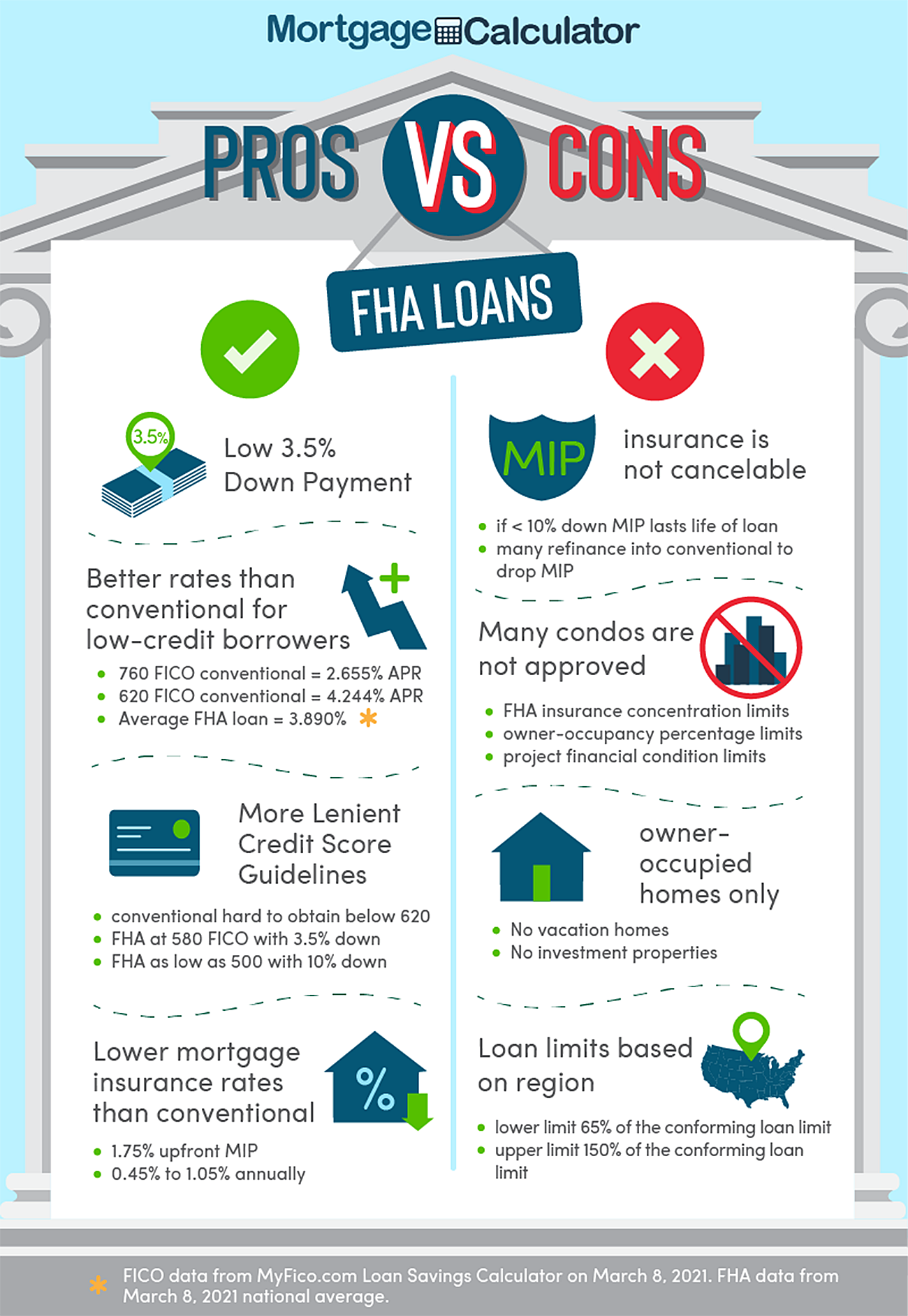
To understand where FHA rates stand today, one must first understand what an FHA loan actually represents. Unlike conventional loans, which are private contracts between a borrower and a lender, FHA loans are insured by the Federal Housing Administration. This insurance protects the lender against loss if the borrower defaults on the mortgage. Because the risk to the lender is significantly reduced, they are often able to offer more competitive interest rates to borrowers who might not qualify for traditional financing.
How FHA Rates Differ from Conventional Loans
Historically, FHA interest rates tend to be slightly lower than conventional 30-year fixed-rate mortgages. On any given day, the “sticker price” of an FHA interest rate might be 0.25% to 0.50% lower than its conventional counterpart. This discrepancy exists because the government guarantee mitigates the risk premium that lenders typically charge.
However, savvy borrowers must look at the Annual Percentage Rate (APR) rather than just the nominal interest rate. The APR includes the cost of mortgage insurance and other fees, which can sometimes make an FHA loan more expensive than a conventional loan despite the lower base rate. In the current market, the spread between FHA and conventional rates fluctuates based on the appetite for mortgage-backed securities (MBS) in the secondary market.
The Role of the Federal Housing Administration
The FHA does not actually lend money. Instead, it sets the standards for loans and provides the insurance. Consequently, “the current FHA rate” is not set by the government but by individual FHA-approved lenders. These lenders—including major banks, credit unions, and non-bank mortgage companies—determine their rates based on the yield required by investors and the operational costs of servicing the loan. This is why you will see different rates from different institutions even for the exact same loan product.
Factors Influencing Current FHA Rates
The interest rate environment is never stagnant. It is a reflection of the broader economy’s health and the expectations of future inflation. When you see FHA rates move, it is usually the result of several high-level economic catalysts working in tandem.
The Federal Reserve and Economic Indicators
The most significant driver of mortgage rates is the Federal Reserve’s monetary policy. While the Fed does not set mortgage rates directly, its management of the federal funds rate influences the entire yield curve. When the Fed raises rates to combat inflation, the cost of borrowing for banks increases, which is then passed on to consumers in the form of higher mortgage rates.
Beyond the Fed, investors keep a close eye on the 10-year Treasury yield. Mortgage rates, including FHA rates, typically track the movement of the 10-year Treasury closely, maintaining a “spread” or margin above it. If the economy shows signs of cooling or if inflation data (such as the Consumer Price Index) comes in lower than expected, Treasury yields often drop, leading to a decrease in FHA rates.
Credit Scores and Debt-to-Income Ratios
While market forces set the baseline for FHA rates, your personal financial profile determines where you land on the spectrum. One of the primary advantages of the FHA program is its flexibility regarding credit scores. Borrowers can qualify with a score as low as 580 with a 3.5% down payment, or even 500 with a 10% down payment.
However, a lower credit score generally correlates with a higher interest rate. Lenders use “loan-level price adjustments” to account for the risk of lower-credit borrowers. To secure the absolute lowest FHA rate currently available, a borrower typically needs a credit score of 720 or higher. Furthermore, your debt-to-income (DTI) ratio—the percentage of your monthly income that goes toward debt payments—can influence the lender’s willingness to offer their most competitive pricing.
Inflation and the Secondary Mortgage Market
Mortgages are often bundled into securities and sold to investors. These investors are seeking a steady return that exceeds the rate of inflation. If inflation is high, the purchasing power of the future interest payments is eroded. To compensate for this risk, investors demand higher yields, which pushes current FHA rates upward. In periods of high volatility, the “spread” between the 10-year Treasury and mortgage rates can widen, making loans more expensive even if government bond yields remain stable.
The Hidden Costs of FHA Loans: Beyond the Interest Rate
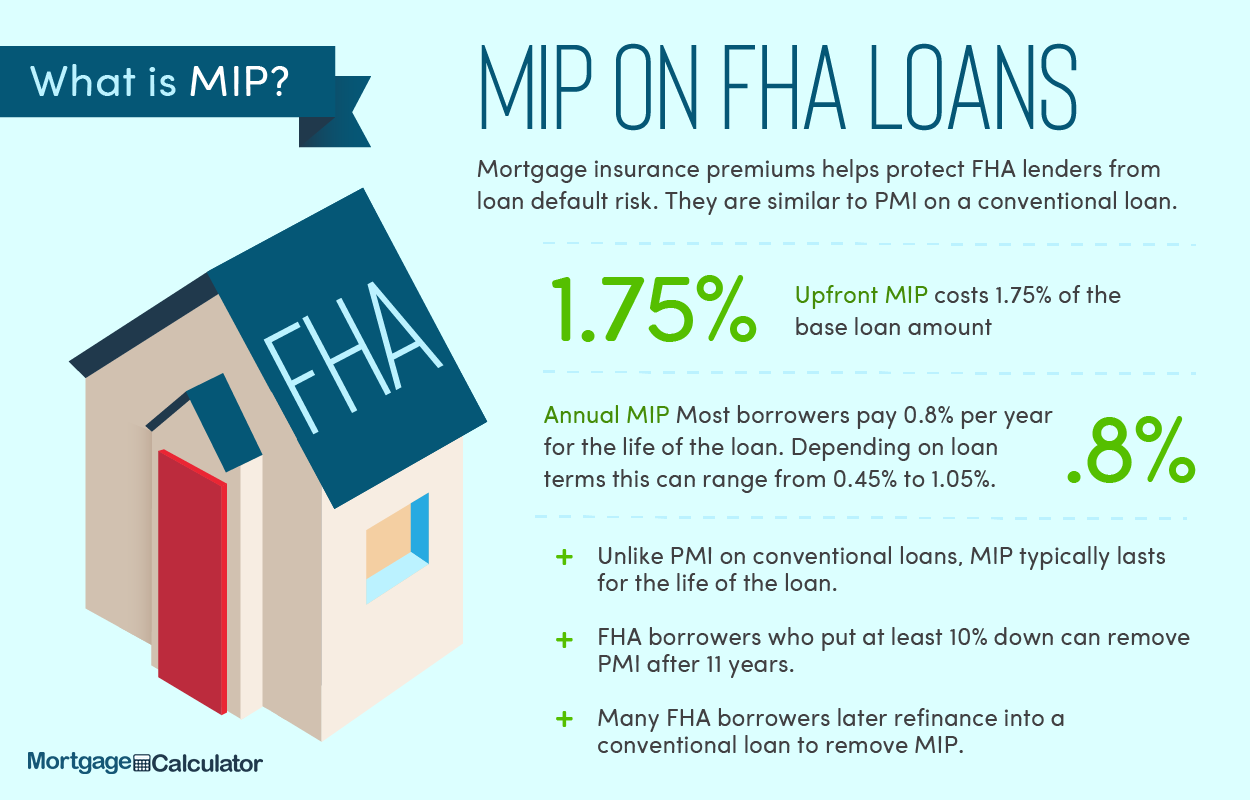
When evaluating the current FHA rate, it is a mistake to focus solely on the interest percentage. The FHA program requires Mortgage Insurance Premiums (MIP), which are a fundamental part of the financial equation. These premiums are the trade-off for the low down payment and flexible credit requirements.
Upfront vs. Monthly MIP
FHA loans require two types of mortgage insurance. The first is the Upfront Mortgage Insurance Premium (UFMIP), which is currently 1.75% of the total loan amount. This can be paid at closing or, as most borrowers choose, rolled into the total loan balance. While rolling it in saves cash upfront, it increases the principal and, consequently, the amount of interest paid over the life of the loan.
The second is the annual Mortgage Insurance Premium (MIP), which is paid monthly. For most borrowers with a down payment of 3.5%, this premium is currently around 0.55% of the loan balance. Unlike private mortgage insurance (PMI) on conventional loans, which can be canceled once you reach 20% equity, FHA MIP typically remains for the entire life of the loan if your down payment was less than 10%.
Calculating the True Cost of Borrowing
To determine if the current FHA rate is a “good deal,” a borrower must calculate the effective rate. If the nominal interest rate is 6.5% and the monthly MIP adds the equivalent of another 0.55%, the borrower is effectively paying over 7% in annual financing costs. This makes it crucial to compare FHA offers against conventional “HomeReady” or “Home Possible” programs, which also offer low down payments but may have different insurance structures.
Strategies to Secure the Best FHA Rate Today
Even in a high-rate environment, there are proactive steps borrowers can take to ensure they are getting the most favorable terms possible. Since FHA rates can change multiple times a day, timing and preparation are paramount.
Shopping Around and Comparing Lenders
The single most effective way to lower your FHA rate is to shop with at least three to five different lenders. Because FHA loans are a standardized product, many borrowers assume the rates will be the same everywhere. This is a misconception. Lenders have different overhead costs and different “appetites” for FHA business. By obtaining multiple Loan Estimates, you can leverage one lender’s offer against another to negotiate lower rates or reduced closing costs.
Buying Down the Rate with Points
If you plan to stay in your home for a long time, you might consider “buying down” the rate using discount points. One point is equal to 1% of the loan amount and typically lowers your interest rate by about 0.25%. In the current market, where rates are higher than they were a few years ago, many sellers are offering “seller concessions” to help buyers pay for these points. This can significantly reduce your monthly payment without increasing your out-of-pocket costs at closing.
Rate Locks and Market Timing
Once you find a rate that fits your budget, it is often wise to “lock” that rate. A rate lock guarantees the interest rate for a specific period (usually 30, 45, or 60 days) while your loan is being processed. In a volatile market, a rate lock protects you from sudden spikes caused by unexpected economic reports or geopolitical events.
Is an FHA Loan Right for You in the Current Market?
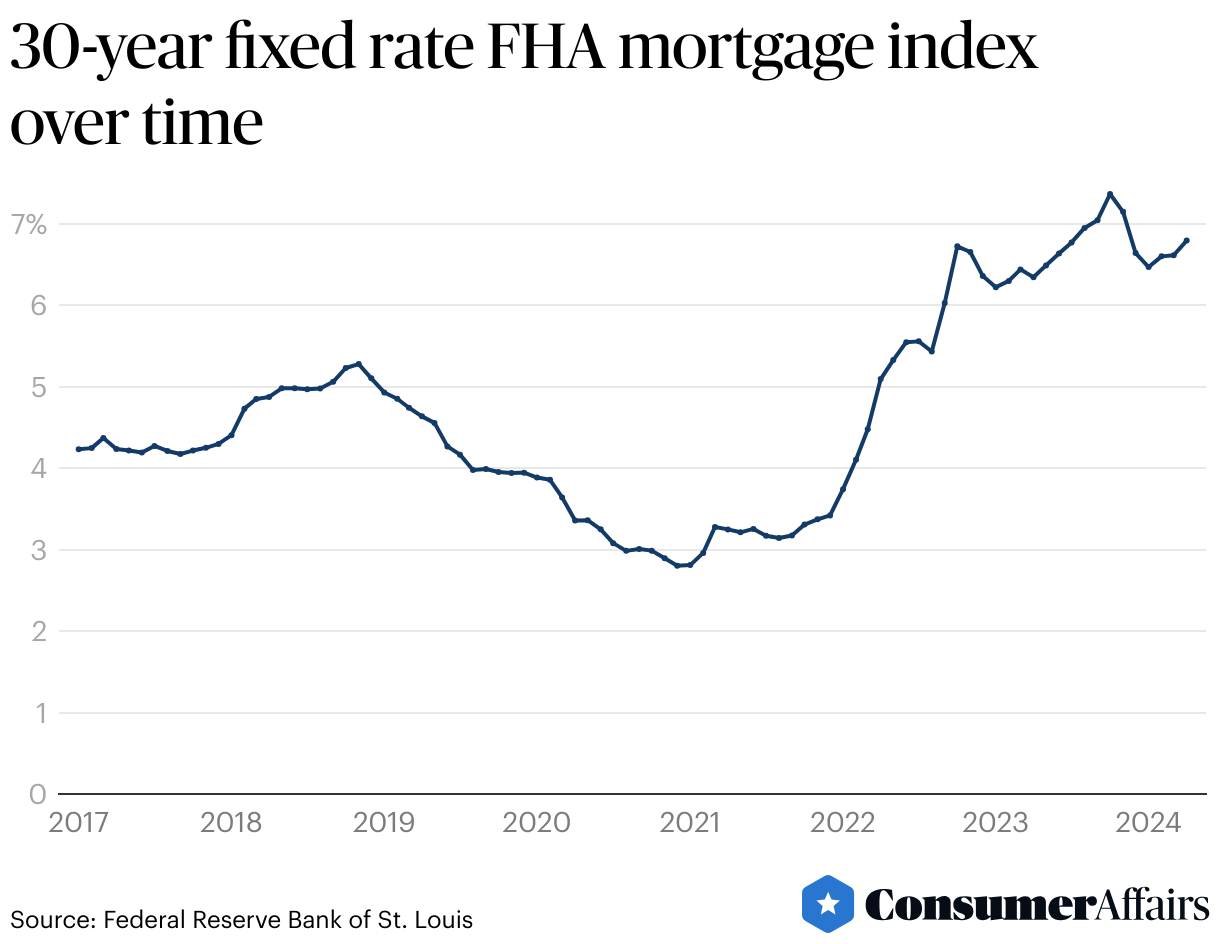
Deciding to move forward with an FHA loan depends on your long-term financial goals and your current liquidity. While the rates are currently higher than the historic lows of 2020 and 2021, they remain within the context of long-term historical averages.
Benefits for First-Time Homebuyers
For many, the FHA loan is the only viable path to homeownership. The ability to use gift funds for the entire down payment and the allowance for higher DTI ratios (sometimes up to 50% or more with compensating factors) provides a level of accessibility that conventional loans cannot match. Furthermore, FHA loans are “assumable,” meaning if you sell your home in the future when rates are even higher, a buyer could potentially take over your lower-rate mortgage, adding significant value to your property.
Analyzing the Long-Term Financial Impact
While FHA loans provide immediate access to the market, the long-term cost of MIP should not be ignored. Many homeowners use the FHA program as a “stepping stone,” purchasing a home with a low down payment and then refinancing into a conventional mortgage once they have built up 20% equity and improved their credit score. This strategy allows you to benefit from home price appreciation today while planning for a lower-cost financial structure in the future.
In conclusion, “what is the current FHA rate” is a question that requires looking at both the macro-economic landscape and your personal financial health. By monitoring the Federal Reserve, understanding the impact of mortgage insurance, and shopping aggressively among lenders, you can secure a rate that makes homeownership a sustainable and rewarding investment. The current market may be complex, but for the informed borrower, the FHA program remains one of the most powerful tools in the realm of personal finance.
aViewFromTheCave is a participant in the Amazon Services LLC Associates Program, an affiliate advertising program designed to provide a means for sites to earn advertising fees by advertising and linking to Amazon.com. Amazon, the Amazon logo, AmazonSupply, and the AmazonSupply logo are trademarks of Amazon.com, Inc. or its affiliates. As an Amazon Associate we earn affiliate commissions from qualifying purchases.