
Navigating the landscape of home financing requires a nuanced understanding of how interest rates, loan terms, and personal financial goals intersect. When prospective homeowners or those looking to refinance begin their search, one of the most significant decisions they face is choosing between the traditional 30-year fixed-rate mortgage and its more aggressive sibling, the 15-year fixed-rate mortgage. While the 30-year option is often touted for its lower monthly payments, the 15-year mortgage rate represents a powerful tool for wealth building and interest savings.
Understanding what the 15-year mortgage rate is—and how it functions within the broader economy—is essential for any savvy investor or homeowner. At its core, the 15-year mortgage rate is the interest percentage charged by lenders for a loan that is fully amortized over 180 months. Because these loans represent a shorter duration of risk for the lender, their rates are consistently lower than those of longer-term loans. However, the implications of choosing this rate extend far beyond a simple percentage point.
Understanding the Mechanics of the 15-Year Fixed-Rate Mortgage
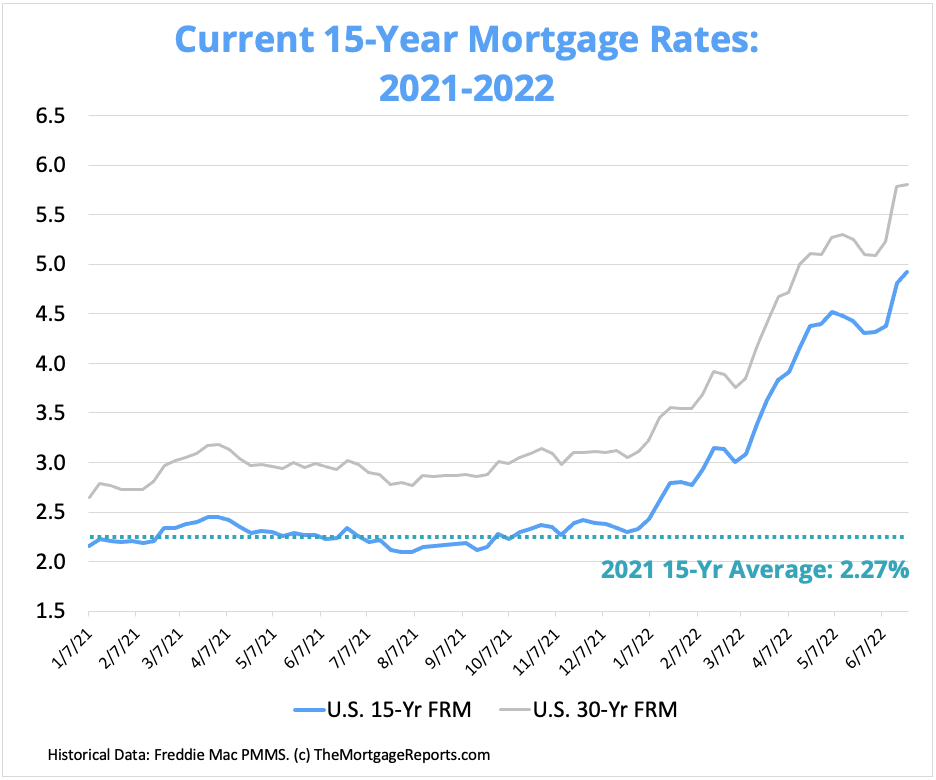
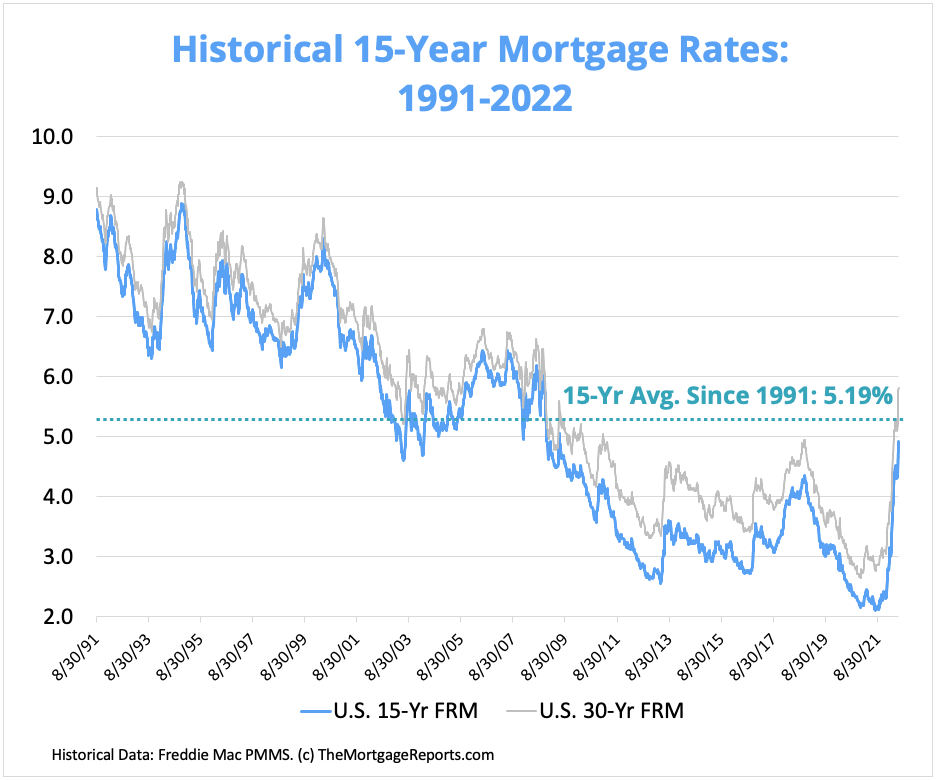
The primary allure of the 15-year mortgage is the interest rate itself. Historically, 15-year rates sit anywhere from 0.5% to 1.0% lower than 30-year rates. This spread exists because lenders are exposed to market volatility and inflation risks for a shorter period. When a bank lends money for three decades, they must price in the possibility that inflation will erode the value of the dollars they are repaid; with a 15-year term, that risk is halved.
How 15-Year Rates Differ from 30-Year Rates
The gap between the 15-year and 30-year rates is known as the “spread.” This spread fluctuates based on the yield curve and investor appetite for mortgage-backed securities (MBS). In a typical economic environment, the yield curve is upward-sloping, meaning longer-term debt carries higher interest. For a borrower, this means the 15-year rate provides an immediate discount on the cost of capital.
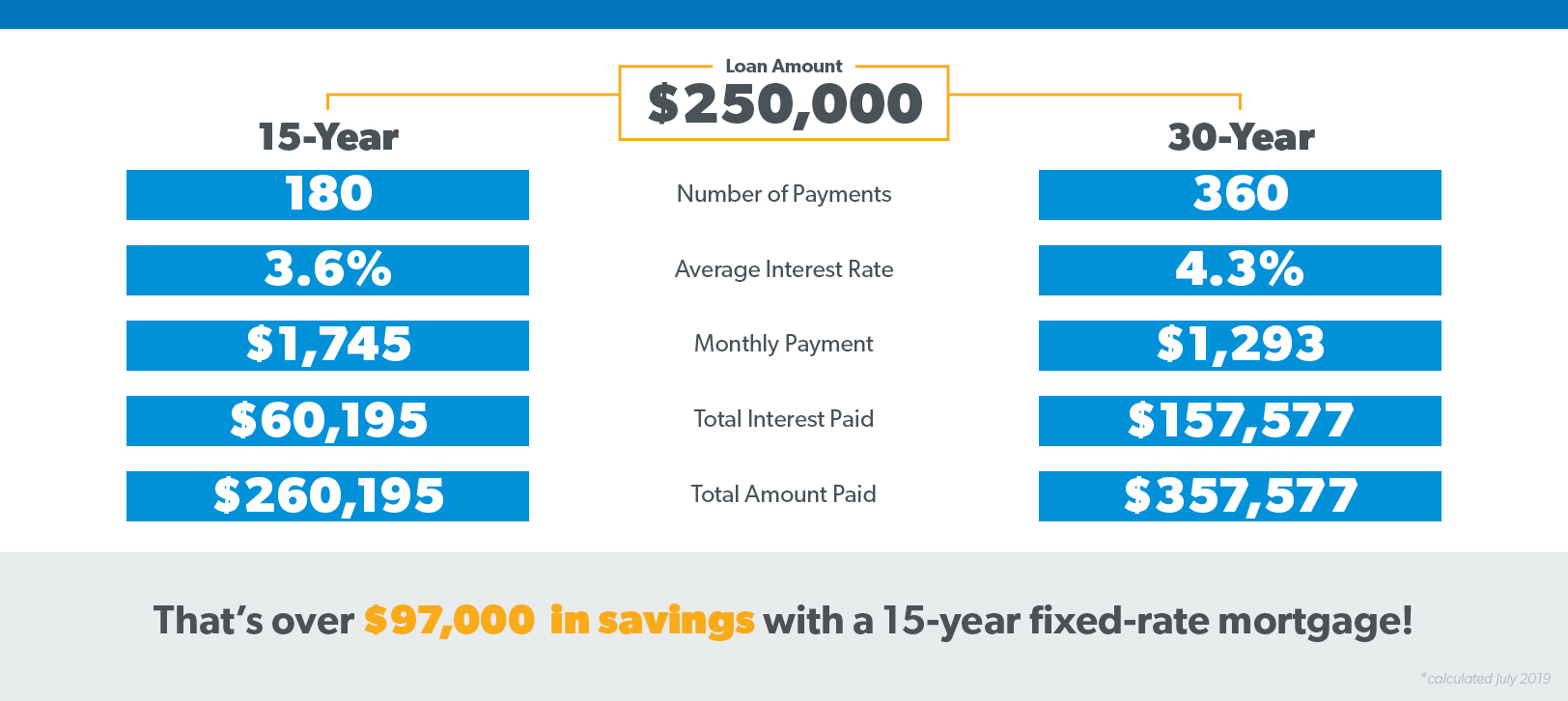
However, it is important to note that while the interest rate is lower, the monthly payment is significantly higher. Because the principal must be repaid in half the time, the amortization schedule is much more aggressive. In the early years of a 30-year mortgage, the vast majority of the monthly payment goes toward interest. In contrast, a 15-year mortgage payment begins tackling the principal balance in a meaningful way from the very first month.
The Role of Amortization
Amortization is the process of spreading out a loan into a series of fixed payments. With a 15-year mortgage rate, the “math of interest” works heavily in the borrower’s favor. Because the interest is calculated based on the remaining principal balance, and because that balance drops rapidly with a 15-year term, the total interest paid over the life of the loan is drastically reduced. Often, a borrower with a 15-year mortgage will pay less than half the total interest of someone with a 30-year mortgage, even if the interest rates were identical—which they aren’t.
Factors Influencing Current 15-Year Mortgage Rates
Mortgage rates do not exist in a vacuum. They are influenced by a complex web of macroeconomic indicators and individual financial metrics. To understand what the 15-year mortgage rate is at any given moment, one must look at the forces moving the needle in the financial markets.
Macroeconomic Indicators and the Federal Reserve
While the Federal Reserve does not directly set mortgage rates, its movements regarding the federal funds rate have a profound “trickle-down” effect. When the Fed raises rates to combat inflation, the cost of borrowing increases across the board. 15-year mortgage rates are particularly sensitive to the 10-year Treasury yield. Investors often view mortgage-backed securities as alternatives to Treasuries. If Treasury yields rise, mortgage rates must also rise to remain attractive to investors.
Inflation is perhaps the greatest enemy of fixed-rate debt. If inflation is high, the purchasing power of the interest a lender receives in the future is diminished. Consequently, when inflation expectations rise, 15-year mortgage rates typically climb as lenders demand a higher return to offset the loss of value.
Individual Financial Profiles
Beyond the global economy, the specific rate offered to a borrower depends on their “risk bucket.” Lenders look at several key factors:
-
Credit Score: The highest-tier 15-year rates are reserved for those with “excellent” credit (typically 760 or higher). A lower score can result in a rate that is significantly higher than the advertised “par” rate.
-
Loan-to-Value (LTV) Ratio: Lenders prefer borrowers who have skin in the game. A 20% down payment (80% LTV) generally unlocks the most competitive 15-year rates.
-
Debt-to-Income (DTI) Ratio: Because the monthly payments on a 15-year mortgage are higher, lenders scrutinize DTI more closely. They need to ensure the borrower can handle the larger monthly commitment alongside existing debts.
The Financial Strategy Behind a 15-Year Term
Choosing a 15-year mortgage is more than a simple borrowing decision; it is a strategic financial move. For many, it represents the fastest path to debt freedom and a critical component of a retirement plan.
Long-Term Interest Savings
The most compelling argument for the 15-year mortgage is the total cost of ownership. For example, on a $400,000 loan, the difference between a 30-year rate at 7% and a 15-year rate at 6.25% is staggering. Over the life of the 30-year loan, the borrower would pay approximately $558,000 in interest. Over the life of the 15-year loan, the interest would be roughly $215,000. That is a savings of over $340,000—money that can be redirected toward retirement accounts, education funds, or other investments.
Accelerated Equity Building
Equity is the portion of the home the resident actually owns. In a 15-year mortgage, equity builds at an accelerated pace. This is particularly beneficial for those who do not plan to stay in their home for three decades. If a homeowner decides to sell after seven years, the person with the 15-year mortgage will have paid down a substantial portion of their principal, resulting in a much larger check at the closing table compared to someone with a 30-year mortgage who has mostly been paying off interest.
The Opportunity Cost Trade-Off
The primary drawback of the 15-year mortgage is the opportunity cost of the higher monthly payment. By committing more cash to a mortgage, the borrower has less liquidity for other investments. In a bull market where the S&P 500 might return 10% annually, some financial advisors argue that it is better to take a 30-year mortgage at 7% and invest the difference in the stock market.
However, this is a “math vs. behavior” debate. The “guaranteed” return of saving 6.25% in interest on a 15-year mortgage is a risk-free gain. Investing in the market involves risk. Furthermore, the psychological peace of mind that comes with owning a home free and clear in 15 years is a value that cannot be easily quantified on a spreadsheet.
Is a 15-Year Mortgage Right for You?
Determining whether to pursue a 15-year mortgage requires an honest assessment of your cash flow and long-term objectives. It is a commitment that demands financial discipline.
Assessing Cash Flow Stability
Before locking in a 15-year rate, a borrower must be certain their income can support the higher payment through various economic cycles. Unlike a 30-year mortgage, where you can choose to pay extra toward the principal whenever you have spare cash, the 15-year mortgage requires the higher payment every month. If you experience a job loss or medical emergency, the lack of flexibility could become a liability.
Refinancing as a Middle Ground
Many homeowners utilize the 15-year mortgage rate during a refinance. If you have lived in a home for ten years with a 30-year mortgage, refinancing into a 15-year term can help you finish paying off the home on a similar timeline while potentially lowering your interest rate. This is a common strategy for individuals entering their peak earning years who want to ensure their mortgage is eliminated by the time they reach retirement age.
Navigating the Application Process for the Best Rate
To secure the most competitive 15-year mortgage rate, borrowers must be proactive. Rates can vary significantly between different types of lenders, including national banks, credit unions, and online mortgage brokers.
Comparison Shopping and Points
It is vital to shop around. Even a 0.25% difference in the 15-year rate can result in thousands of dollars in savings over the life of the loan. Additionally, borrowers should consider “discount points.” A point is an upfront fee paid to the lender (usually 1% of the loan amount) in exchange for a lower interest rate. For those planning to stay in the home for the full 15 years, paying points can be a highly effective way to reduce the total interest paid.
Timing the Market and Rate Locks
Because 15-year mortgage rates fluctuate daily based on bond market activity, timing is important. Once a favorable rate is found, it is generally wise to “lock” the rate. A rate lock protects the borrower from interest rate increases during the 30 to 60 days it takes to process the loan.
In conclusion, the 15-year mortgage rate is a powerful instrument for those prioritized on long-term wealth accumulation and interest minimization. While it requires a higher monthly cash outlay, the trade-off is a significantly lower total cost of homeownership and a faster path to equity. By understanding the factors that influence these rates and evaluating them against personal financial goals, borrowers can make an informed decision that strengthens their financial foundation for years to come.
aViewFromTheCave is a participant in the Amazon Services LLC Associates Program, an affiliate advertising program designed to provide a means for sites to earn advertising fees by advertising and linking to Amazon.com. Amazon, the Amazon logo, AmazonSupply, and the AmazonSupply logo are trademarks of Amazon.com, Inc. or its affiliates. As an Amazon Associate we earn affiliate commissions from qualifying purchases.