
The landscape of mortgage refinancing is in a constant state of flux, driven by a complex interplay of global economic indicators, central bank policies, and local market conditions. For homeowners, staying informed about current refinance rates is not merely a matter of curiosity; it is a critical component of strategic financial management. Whether the goal is to lower monthly payments, shorten the loan term, or tap into home equity for significant expenses, understanding the mechanisms behind interest rate movements is the first step toward making a sound investment decision.
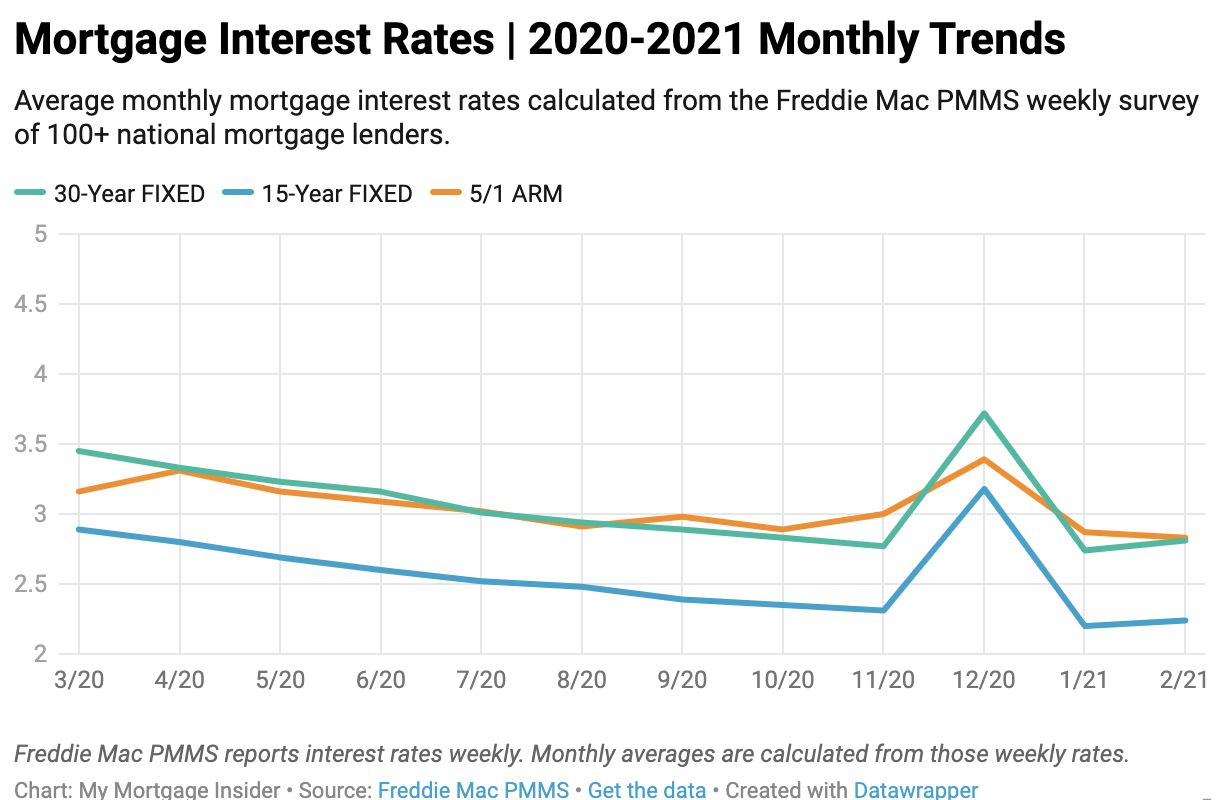
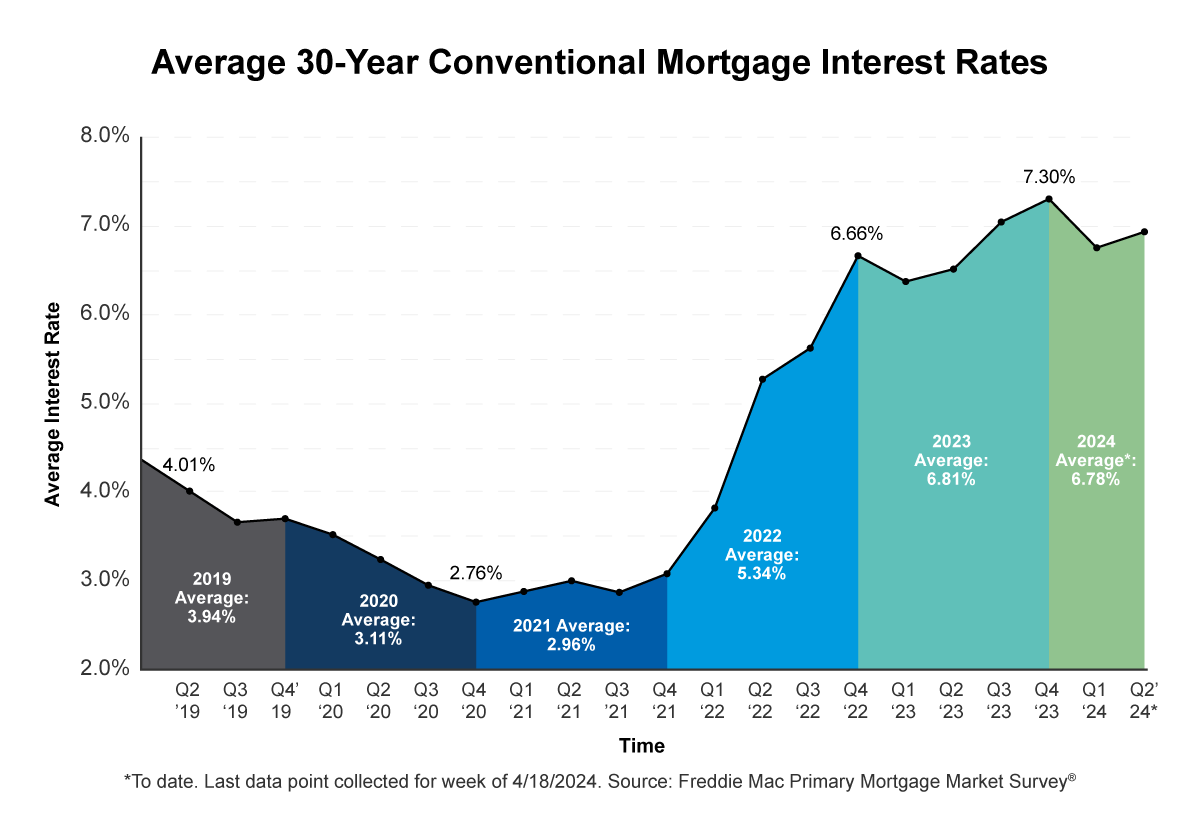
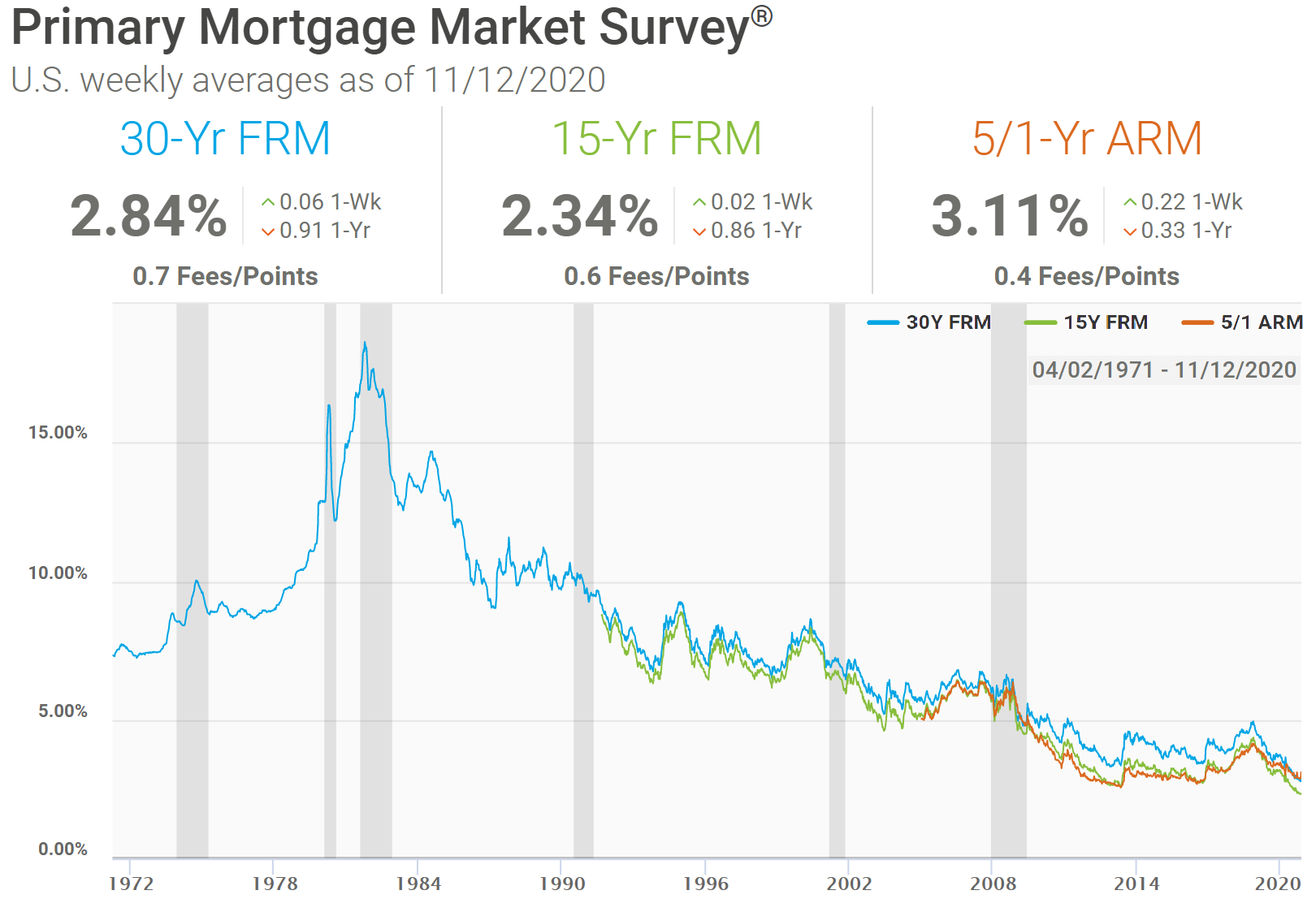
While daily fluctuations are common, the broader trends in refinance rates are dictated by the macroeconomic environment. In the current era, homeowners are witnessing a transition from the historic lows of previous years to a more stabilized, albeit higher, interest rate environment. Navigating this “new normal” requires a sophisticated approach to personal finance, moving beyond simple rate-watching to a deeper analysis of individual financial health and long-term objectives.
Understanding the Forces Driving Current Refinance Rates
To understand where refinance rates stand today, one must first look at the benchmark triggers that lenders use to price their products. Contrary to popular belief, mortgage rates are not set directly by the Federal Reserve. Instead, they are more closely tied to the yield on the 10-year Treasury note. When investors feel confident in the economy, they pivot toward stocks, causing Treasury yields—and consequently mortgage rates—to rise. Conversely, in times of economic uncertainty, a “flight to safety” into bonds typically drives rates downward.
The Role of the Federal Reserve and Inflation
While the Federal Reserve does not dictate mortgage rates, its influence is profound. The Fed’s primary tool for managing the economy is the federal funds rate—the interest rate at which commercial banks borrow and lend to one another overnight. When the Fed raises this rate to combat inflation, it increases the cost of borrowing across the board. Mortgage lenders respond by raising their own rates to maintain profit margins and account for the increased cost of capital. Monitoring the consumer price index (CPI) and the Fed’s subsequent commentary provides a forward-looking glimpse into where refinance rates might head in the coming quarters.
Secondary Market Dynamics and MBS
Mortgage-backed securities (MBS) play a pivotal role in the availability and pricing of refinance loans. Most conventional mortgages are packaged into these securities and sold to investors on the secondary market. The demand for these securities dictates the “spread”—the difference between the 10-year Treasury yield and the mortgage rate offered to consumers. When demand for MBS is high, lenders can offer lower rates. When demand wanes due to market volatility or perceived risk, the spread widens, and refinance rates rise even if Treasury yields remain stable.
Economic Growth and Labor Markets
Strong employment data and robust GDP growth generally signal an inflationary environment, which puts upward pressure on interest rates. Conversely, signs of a cooling labor market often lead to speculation that the Fed will cut rates, prompting a downward trend in the mortgage market. For a homeowner looking to time their refinance, tracking the monthly “Jobs Report” from the Bureau of Labor Statistics can be as important as tracking the rates themselves.
Factors That Determine Your Personal Refinance Rate
When you see a “headline rate” advertised by a lender, it is essential to recognize that this is often the “prime” rate reserved for the most qualified borrowers. Your individual refinance rate is personalized based on a risk assessment conducted by the lender’s underwriting department. Understanding these variables allows you to optimize your financial profile before applying.
Credit Score: The Foundation of Your Rate
In the world of personal finance, your credit score is the most significant lever you can pull to lower your refinance rate. Lenders categorize borrowers into tiers; those with a score of 740 or higher generally receive the most competitive offers. A difference of 50 to 100 points on a credit score can result in an interest rate difference of 0.5% or more, which translates into tens of thousands of dollars over the life of a 30-year loan.
Loan-to-Value (LTV) Ratio and Home Equity
Your LTV ratio compares the amount of your mortgage to the current appraised value of your home. Lenders view a lower LTV as a lower risk. If you have at least 20% equity in your home (an LTV of 80% or less), you will not only qualify for better rates but also avoid the requirement for Private Mortgage Insurance (PMI). In a market where home values have appreciated significantly, many homeowners find that their LTV has improved naturally, putting them in a stronger position to refinance.
Debt-to-Income (DTI) Ratio
Lenders analyze your DTI to ensure you have the cash flow necessary to manage your new mortgage payment alongside existing obligations like car loans, student debt, and credit cards. A DTI below 36% is typically considered ideal, though some programs allow for higher ratios. Lowering your overall debt profile before seeking a refinance can make you a more attractive candidate for “aggressive” pricing from lenders.
Strategic Types of Refinancing Options
Not all refinances are created equal. The strategy you choose should align with your specific financial goals—whether that is maximizing monthly cash flow, minimizing total interest paid, or accessing liquid capital.
Rate-and-Term Refinance
This is the most common form of refinancing. The primary goal is to change the interest rate, the loan term (e.g., moving from a 30-year to a 15-year mortgage), or both, without taking additional cash out of the property. Homeowners utilize this option when market rates drop significantly below their current rate or when they wish to pay off their home faster by shortening the amortization schedule.
Cash-Out Refinance
A cash-out refinance allows you to replace your current mortgage with a new loan for more than you owe, taking the difference in cash. This is a popular tool for debt consolidation, home improvements, or funding large investments. Because this increases the lender’s risk and the total debt on the property, cash-out refinance rates are typically slightly higher than rate-and-term rates.
Cash-In Refinance
In a cash-in refinance, the homeowner pays a lump sum toward their principal balance during the refinancing process. This can be used to lower the LTV ratio to qualify for a better rate, eliminate PMI, or simply reduce the monthly payment beyond what a standard rate reduction would achieve. This is an effective strategy for those with extra liquidity who want to reduce their long-term debt burden.
Government-Backed Streamline Refinancing
For those with FHA, VA, or USDA loans, “streamline” options often allow for refinancing with minimal documentation and sometimes without a new appraisal. These programs are designed to help borrowers quickly take advantage of lower market rates, provided they are current on their existing payments.
Analyzing the “Break-Even” Point
The decision to refinance should never be based on the interest rate alone. One must consider the closing costs, which typically range from 2% to 5% of the loan amount. To determine if a refinance is financially sound, you must calculate the “break-even point”—the moment when the monthly savings from the new loan exceed the costs of obtaining it.
For example, if a refinance costs $6,000 in closing fees and saves you $200 per month on your mortgage payment, it will take 30 months to break even. If you plan to stay in the home for five or ten years, the refinance is a wise investment. However, if you anticipate moving within the next two years, the upfront costs will outweigh the interest savings. In a fluctuating market, performing this calculation is essential to ensure that your “deal” is actually profitable in the long run.
How to Secure the Best Current Refinance Rates
Securing a competitive rate requires more than just a high credit score; it requires a proactive and disciplined approach to the mortgage market.
Comparison Shopping and the Loan Estimate
The most effective way to lower your rate is to shop around. Research suggests that borrowers who get at least three quotes save an average of $1,500 over the life of the loan, while those who get five quotes save even more. When comparing offers, look beyond the interest rate and examine the “Annual Percentage Rate” (APR), which includes fees and points, providing a more accurate picture of the total cost. Demand a formal Loan Estimate (LE) from each lender to compare line-by-line costs.
The Role of Discount Points
Borrowers have the option to “buy down” their interest rate by paying discount points at closing. One point typically costs 1% of the loan amount and reduces the interest rate by approximately 0.25%. This is a trade-off between upfront capital and long-term savings. If you intend to keep the loan for a long duration, paying points can result in significant interest savings over decades.
Locking Your Rate
Because rates change daily—and sometimes hourly—a “rate lock” is a vital tool. Once you find a favorable rate, a lock ensures that the rate will remain the same for a specified period (usually 30 to 60 days) while your loan is being processed. In a rising rate environment, failing to lock a rate can result in a higher monthly payment by the time the loan reaches the closing table.
Ultimately, navigating current refinance rates requires a balance of market awareness and personal financial discipline. By understanding the macroeconomic factors at play, optimizing your personal financial profile, and carefully choosing the right loan structure, you can leverage the mortgage market to enhance your overall net worth and achieve your long-term financial objectives.
aViewFromTheCave is a participant in the Amazon Services LLC Associates Program, an affiliate advertising program designed to provide a means for sites to earn advertising fees by advertising and linking to Amazon.com. Amazon, the Amazon logo, AmazonSupply, and the AmazonSupply logo are trademarks of Amazon.com, Inc. or its affiliates. As an Amazon Associate we earn affiliate commissions from qualifying purchases.