
Understanding the “average” mortgage interest rate is akin to tracking a moving target in a windstorm. For prospective homebuyers, real estate investors, and homeowners looking to refinance, the interest rate is the most significant variable in the cost of borrowing. A fraction of a percentage point can translate into tens of thousands of dollars over the life of a loan. However, the figure often cited in the evening news or on financial websites as the “national average” is rarely the exact rate a specific borrower will receive.
To truly grasp what constitutes an average mortgage interest rate, one must look beyond the surface level numbers and examine the underlying economic forces, individual financial metrics, and the institutional frameworks that dictate the cost of capital.
Understanding the Concept of the “Average” Rate
The term “average mortgage interest rate” typically refers to the mean rate offered to “prime” borrowers—those with high credit scores and substantial down payments—across a broad spectrum of lenders. When financial outlets report that the average 30-year fixed-rate mortgage is 6.5% or 7.2%, they are aggregating data from thousands of daily loan applications and locked-in quotes.
The Benchmark: The 30-Year Fixed-Rate Mortgage
In the United States, the 30-year fixed-rate mortgage is the gold standard of housing finance. It offers stability, allowing borrowers to lock in a payment for three decades. Because of its longevity and popularity, it serves as the primary benchmark for the “average” rate. However, this average is not static; it fluctuates daily based on the bond market, specifically the yield on the 10-year Treasury note.
Historical Context vs. Modern Reality
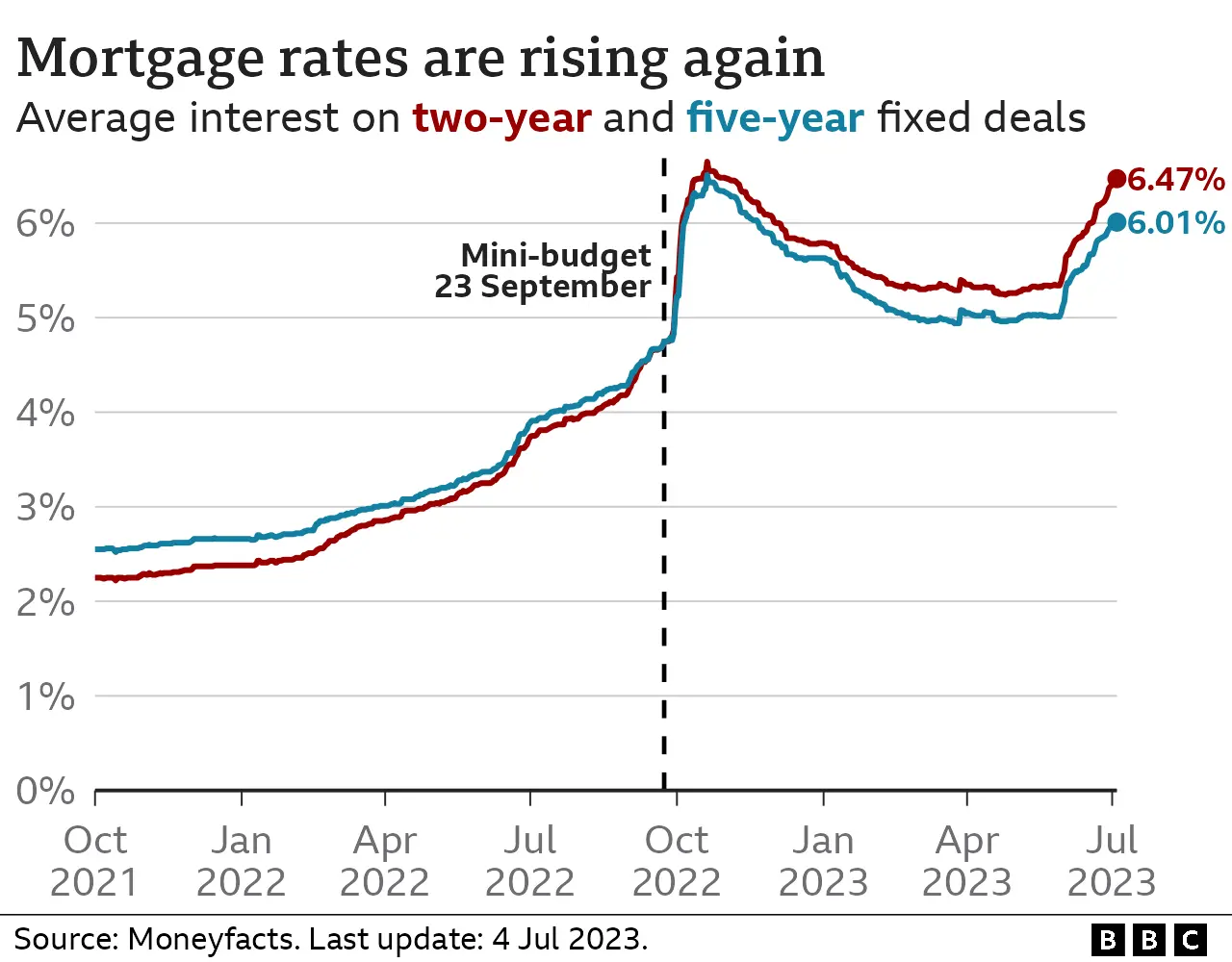
To understand today’s average, one must view it through a historical lens. During the early 1980s, average mortgage rates peaked near 18%, a staggering figure compared to the historic lows of 2.65% seen in early 2021. When people ask what a “good” or “average” rate is, the answer depends heavily on the era. In a broader historical context, an average rate between 5% and 7% is considered moderate and sustainable, whereas the sub-3% rates of the pandemic era were an economic anomaly driven by aggressive central bank intervention.
The Critical Factors That Determine Your Personal Rate
While the national average provides a baseline, your personal interest rate is tailored to your unique financial profile. Lenders use a process called risk-based pricing to determine how much to charge you. The further you deviate from the “ideal” borrower profile, the higher above the average your rate will climb.
Credit Score: The Primary Lever
Your credit score is arguably the most influential factor in determining your interest rate. Lenders view the FICO score as a numerical representation of the risk that you might default on your loan. Borrowers with scores above 740 or 760 are typically eligible for the lowest possible rates—the ones often advertised as the “average.” Conversely, a borrower with a score in the 620s might face an interest rate 1% to 1.5% higher than the prime average, as the lender requires a higher return to offset the increased risk of delinquency.
Loan-to-Value (LTV) Ratio and Down Payments
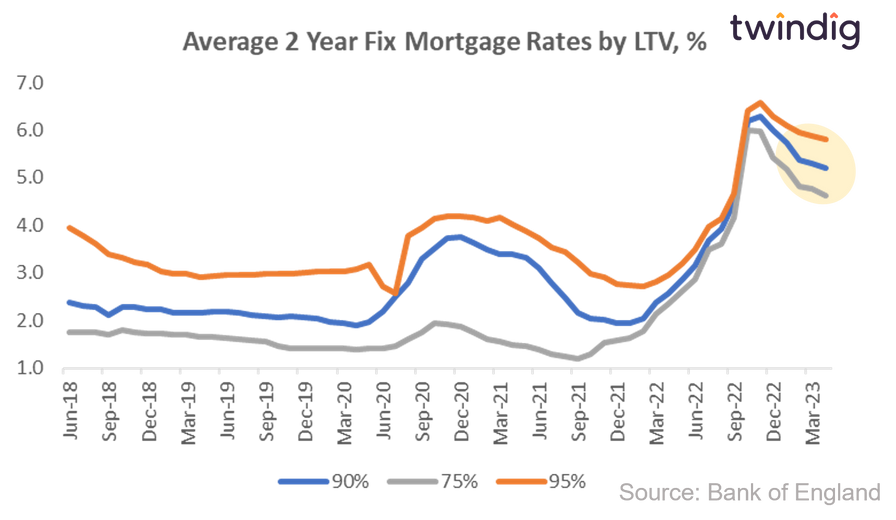
The amount of equity you have in the home also dictates the rate. The Loan-to-Value ratio measures the loan amount against the appraised value of the property. A borrower putting down 20% (an 80% LTV) represents less risk than a borrower putting down 3.5%. Not only do higher LTV ratios often lead to higher interest rates, but they also trigger the requirement for Private Mortgage Insurance (PMI), which adds to the effective monthly cost of the loan, even if it isn’t technically part of the interest rate.
Debt-to-Income (DTI) Ratio
Lenders analyze your Debt-to-Income ratio to ensure you have the cash flow to sustain mortgage payments alongside other obligations like student loans, car payments, and credit card debt. While DTI primarily affects your ability to qualify for a loan, a very high DTI may lead some lenders to increase the interest rate to hedge against the potential for future financial instability.
Economic Drivers Behind Fluctuating Interest Rates
Mortgage rates do not exist in a vacuum. They are influenced by a complex web of macroeconomic indicators and policy decisions that shift the cost of borrowing for the lenders themselves.
The Federal Reserve and the Federal Funds Rate
A common misconception is that the Federal Reserve sets mortgage rates. In reality, the Fed sets the Federal Funds Rate—the rate at which banks lend to one another overnight. However, changes in the Fed’s policy have a powerful “trickle-down” effect. When the Fed raises rates to combat inflation, it becomes more expensive for banks to borrow money, and they pass those costs on to consumers in the form of higher mortgage rates.
Inflation and the 10-Year Treasury Yield
Inflation is the natural enemy of fixed-income investments like mortgages. If a lender issues a 30-year loan at 5%, but inflation rises to 6%, the lender is essentially losing purchasing power over time. Therefore, when inflation expectations rise, mortgage rates generally follow suit. Investors often look at the 10-year Treasury yield as a proxy for mortgage rates. Historically, there is a “spread” or gap between the 10-year Treasury and the 30-year mortgage rate, typically ranging from 1.5% to 3%. If the 10-year yield jumps, mortgage rates almost always move in tandem.
Secondary Market Dynamics: Mortgage-Backed Securities (MBS)
Most mortgages are not held by the bank that originated them. Instead, they are bundled into Mortgage-Backed Securities (MBS) and sold to investors on the secondary market. The demand for these securities influences rates. If investors are hungry for safe, steady returns, they will buy MBS, which can drive rates down. If investors perceive the housing market as risky or if other investments offer better returns, they will demand higher yields on MBS, causing mortgage rates for consumers to rise.
Choosing the Right Mortgage Product for Your Financial Goals
The “average” rate changes depending on the specific type of loan product you choose. Different structures offer different risk profiles for both the borrower and the lender.
Fixed-Rate vs. Adjustable-Rate Mortgages (ARMs)
Fixed-rate mortgages provide the security of a consistent interest rate for 15, 20, or 30 years. Adjustable-rate mortgages, however, typically offer a lower “teaser” rate for an initial period (such as 5, 7, or 10 years) before the rate begins to fluctuate based on market indices. During periods of high interest rates, many borrowers opt for ARMs to secure a lower initial rate, gambling that they will be able to refinance or sell the home before the adjustment period begins.
15-Year vs. 30-Year Terms
The 15-year fixed-rate mortgage almost always carries a lower interest rate than the 30-year counterpart. This is because the lender is exposed to interest rate risk for a shorter duration. While the monthly payments are significantly higher due to the compressed amortization schedule, the total interest paid over the life of the loan is dramatically lower, often saving the borrower hundreds of thousands of dollars.
Government-Backed Loans (FHA, VA, USDA)
Government-backed loans often feature interest rates that are slightly lower than conventional “average” rates. Because the government guarantees a portion of the loan, lenders are willing to offer more competitive rates to borrowers with lower credit scores or smaller down payments. For example, VA loans (for veterans and active-duty military) frequently offer the lowest rates in the market without requiring a down payment or mortgage insurance.
Strategies to Secure a Rate Below the National Average
Securing a mortgage rate that is lower than the reported average requires proactive financial management and strategic negotiation.
Buying Points (Discount Points)
One of the most direct ways to lower your interest rate is by “buying points.” One point typically costs 1% of the total loan amount and reduces your interest rate by a predetermined amount (often 0.25%). This is essentially “prepaid interest.” It is an excellent strategy for those who plan to stay in their home for a long time, as the monthly savings will eventually surpass the initial upfront cost—a calculation known as the break-even point.
Comparison Shopping and Rate Locks
Mortgage rates vary significantly from one lender to another. High-street banks, credit unions, and online mortgage brokers all have different overhead costs and risk appetites. By obtaining Loan Estimates from at least three different lenders, a borrower can leverage these offers against one another. Furthermore, once a desirable rate is found, it is crucial to “lock” the rate. Interest rates can change multiple times a day; a rate lock guarantees that your quoted rate will remain valid through the closing process, shielding you from sudden market spikes.

Improving Your Financial Profile Before Application
If you are not in a rush to buy, taking six months to a year to improve your financial standing can pay massive dividends. Paying down revolving credit card debt to lower your credit utilization, correcting errors on your credit report, and seasoning your assets in a savings account can move you from a “good” credit tier to an “excellent” one. Moving up just one credit tier can shift your offered rate from 0.5% above the average to 0.25% below it, fundamentally changing your long-term wealth accumulation.
In conclusion, the “average” mortgage interest rate is a helpful barometer for the state of the economy, but it is not a fixed destiny for any borrower. By understanding the interplay between market forces and personal financial health, consumers can navigate the mortgage landscape with confidence, ensuring they secure the most favorable terms possible for their most significant financial investment.
aViewFromTheCave is a participant in the Amazon Services LLC Associates Program, an affiliate advertising program designed to provide a means for sites to earn advertising fees by advertising and linking to Amazon.com. Amazon, the Amazon logo, AmazonSupply, and the AmazonSupply logo are trademarks of Amazon.com, Inc. or its affiliates. As an Amazon Associate we earn affiliate commissions from qualifying purchases.