
Securing a mortgage is arguably the most significant financial commitment the average person will make in their lifetime. Because the loan amounts are substantial and the repayment periods often span decades, even a fraction of a percentage point can translate into tens of thousands of dollars in interest over the life of the loan. However, the definition of a “good” rate is not a static number. It is a moving target influenced by global economic shifts, central bank policies, and the individual borrower’s financial profile. To understand what constitutes a favorable rate today, one must look beyond the headline numbers and examine the underlying mechanics of the lending industry.
The Definition of a “Good” Mortgage Rate in Today’s Market
When prospective homebuyers ask what a good rate is, they are often looking for a specific percentage. However, mortgage rates are relative. To determine if a rate is competitive, you must evaluate it against three benchmarks: historical averages, current market trends, and your specific risk profile.
Historical Context vs. Current Reality
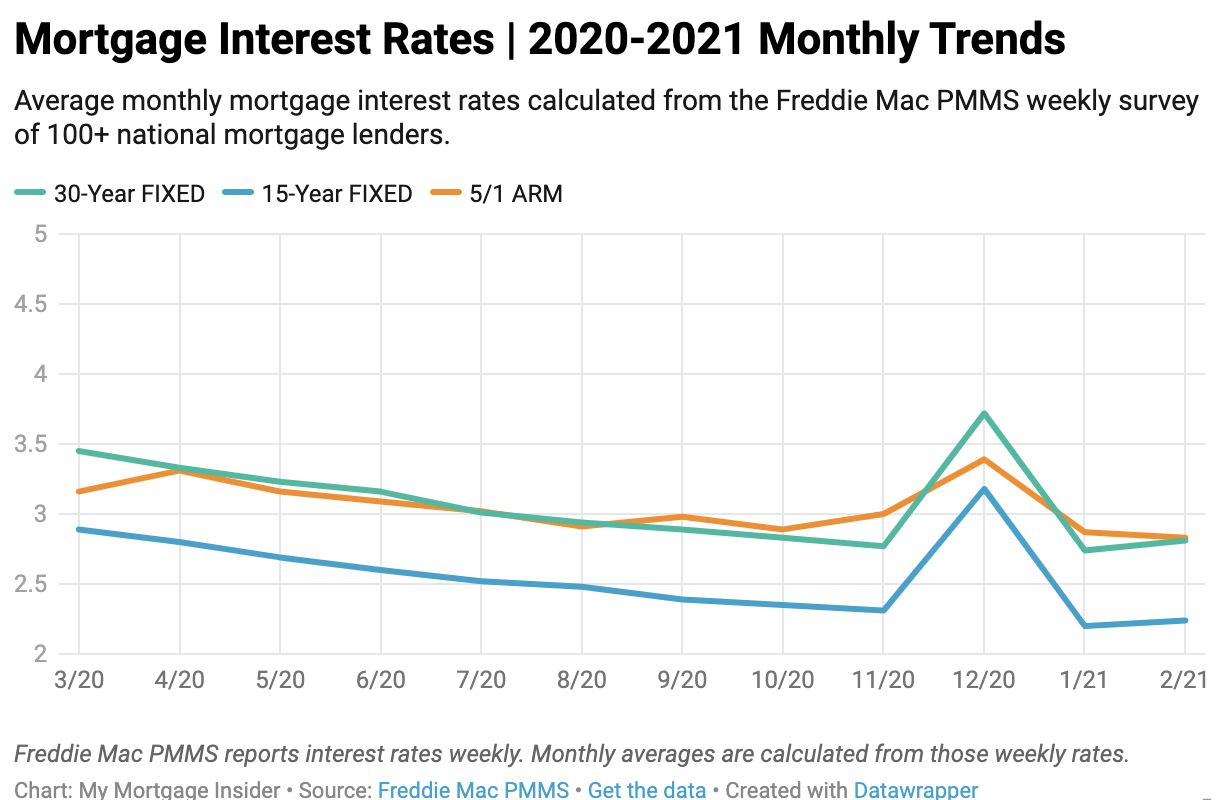
In the early 1980s, mortgage rates in the United States peaked at nearly 18%. Conversely, the period following the 2008 financial crisis and the 2020 pandemic saw rates plummet to historic lows, sometimes dipping below 3% for a 30-year fixed-rate mortgage. While those sub-3% rates were excellent for borrowers, they were an anomaly driven by extreme economic interventions.
In a normalized economy, a “good” rate is generally considered to be anything that falls near or below the current 10-year or 20-year rolling average. If the market average for a 30-year fixed mortgage is 7%, a rate of 6.5% is objectively good. If the market average is 4%, then 7% would be considered poor. A good rate is one that is competitive with the current “prime” offerings available to the most creditworthy borrowers.
The Role of the Federal Reserve and Economic Indicators
While the Federal Reserve does not directly set mortgage rates, its influence is profound. The Fed sets the federal funds rate—the interest rate at which commercial banks borrow and lend to each other overnight. When the Fed raises rates to combat inflation, the cost of borrowing increases across the board, including for mortgages.
Mortgage rates are most closely tied to the yield on the 10-year Treasury note. Lenders view mortgages as long-term investments; therefore, they must price them at a premium above “risk-free” government bonds to account for the risk of default and prepayment. A good mortgage rate is typically about 1.5% to 3% higher than the 10-year Treasury yield. When this “spread” narrows, it indicates a highly competitive lending environment, which is favorable for the consumer.
Key Factors That Determine Your Personal Mortgage Rate
While macroeconomic factors set the “floor” for mortgage rates, your personal financial health determines how far above that floor your specific offer will sit. Lenders use a risk-based pricing model, meaning the more risk you represent, the higher the interest rate you will pay.
Credit Score and Financial Health
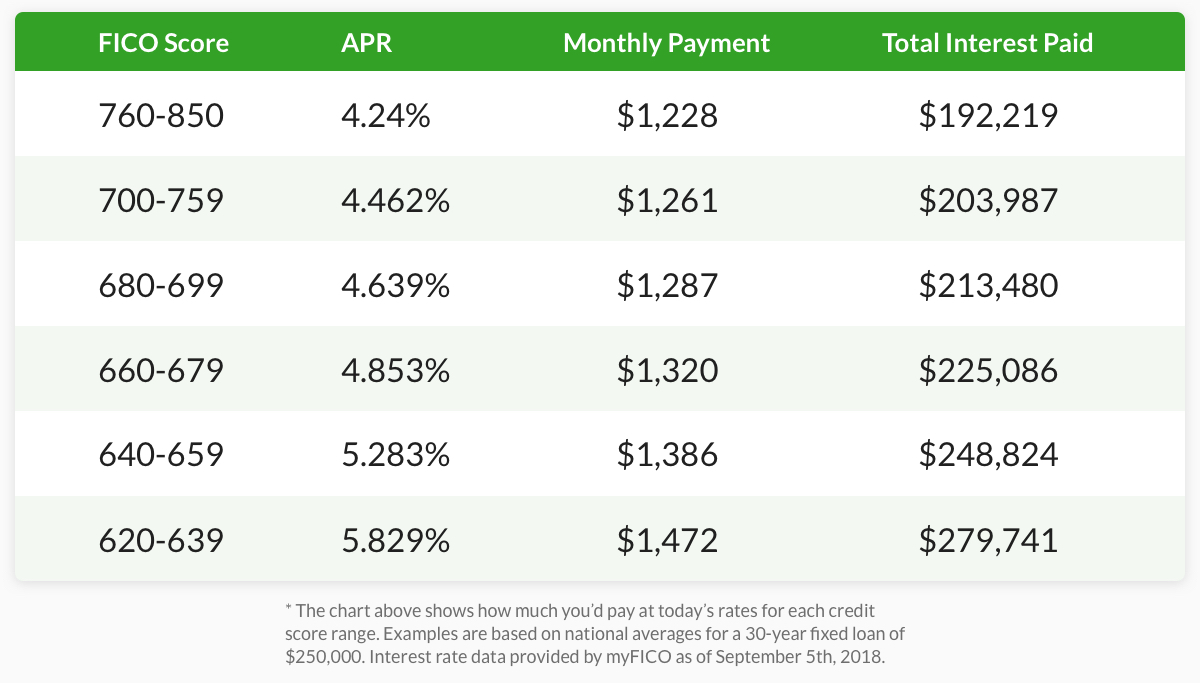
Your credit score is the single most influential factor in the rate a lender offers you. Scores are generally categorized into tiers. Borrowers with “excellent” credit (740 to 850) are offered the lowest possible rates. Those in the “very good” (700-739) or “good” (670-699) ranges may see rates that are 0.25% to 0.75% higher than the top tier.
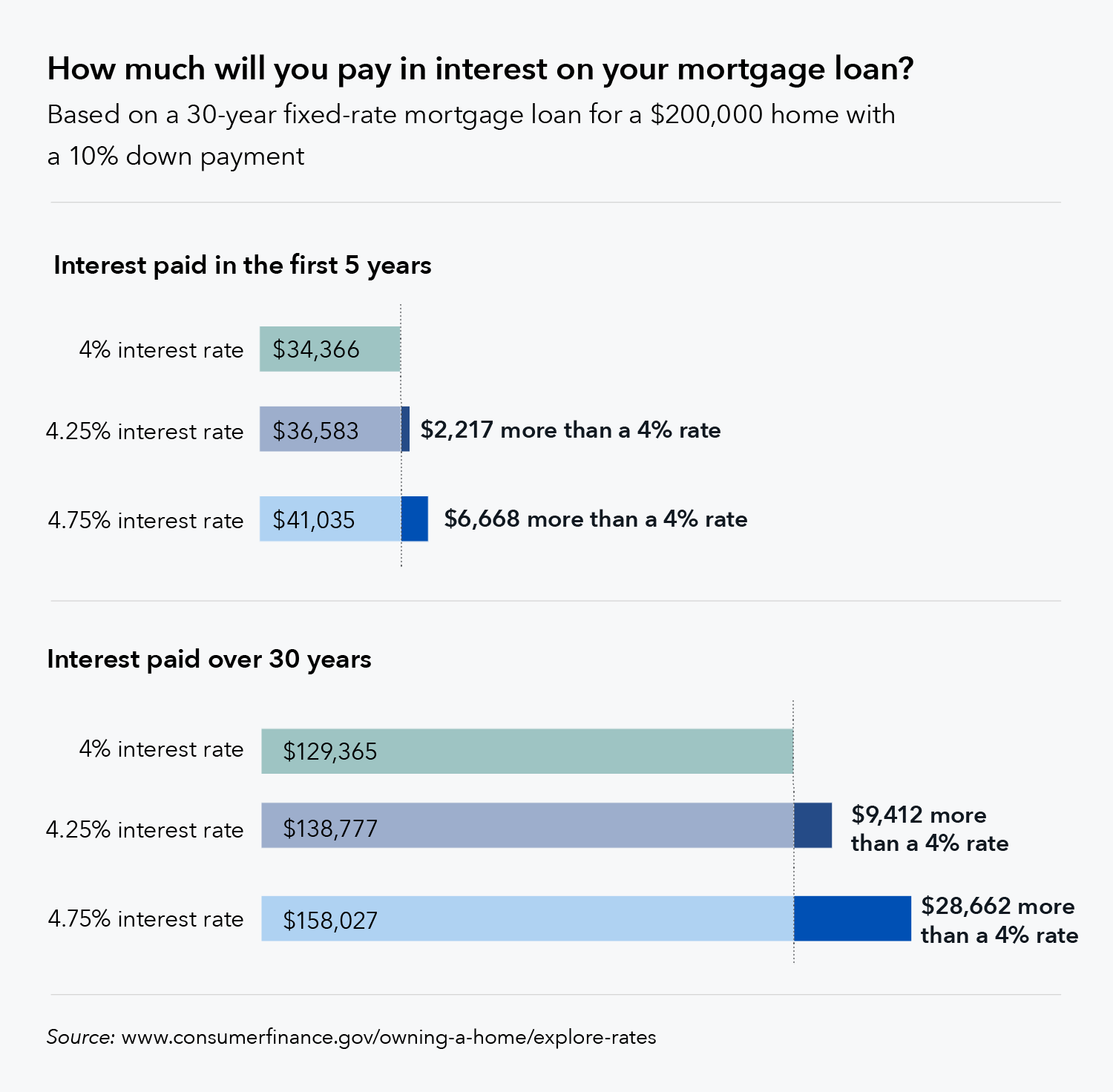
For a borrower, maintaining a high credit score is a direct investment in their mortgage. For example, on a $400,000 loan, the difference between a 6.5% rate and a 7.5% rate is approximately $260 per month. Over 30 years, that difference totals nearly $94,000 in interest. Therefore, a “good” rate is one that reflects the highest tier of your current credit capability.
Loan-to-Value (LTV) Ratio and Down Payments
The Loan-to-Value ratio represents the amount you are borrowing compared to the appraised value of the home. A lower LTV usually results in a lower interest rate. If you provide a 20% down payment, your LTV is 80%. This signifies to the lender that you have significant “skin in the game,” reducing the likelihood of default.
When the LTV is higher than 80%, lenders typically require Private Mortgage Insurance (PMI), which adds to your monthly cost. Furthermore, because the lender is taking on more risk, they may increase the interest rate itself. To secure the best possible rate, aiming for a lower LTV is a proven strategy.
Debt-to-Income (DTI) Ratio
Lenders also examine your Debt-to-Income ratio, which is the percentage of your gross monthly income that goes toward paying debts. While DTI is primarily a qualification tool, a very high DTI can sometimes push a borrower into a different “risk bucket,” resulting in a slightly higher rate or higher closing costs. A “good” rate is more easily accessible to those who keep their total debt obligations (including the projected mortgage payment) below 36% to 43% of their gross income.
Comparing Different Types of Mortgage Products
Not all mortgages are created equal. The “rate” you see advertised is often for a specific product, and choosing the right one for your financial goals is essential.
Fixed-Rate vs. Adjustable-Rate Mortgages (ARMs)
A fixed-rate mortgage offers stability; your interest rate remains the same for the entire life of the loan. This is the gold standard for long-term homeowners. However, Adjustable-Rate Mortgages (ARMs) often offer lower “teaser” rates for an initial period (typically 5, 7, or 10 years).
A “good” rate for an ARM should be significantly lower than the rate for a 30-year fixed mortgage to justify the risk of future rate hikes. If the 30-year fixed rate is 7% and a 5-year ARM is 6.25%, the savings may not be enough to warrant the uncertainty. However, if the ARM is at 5.5%, it becomes a much more attractive tool for someone who plans to sell the home or refinance before the adjustment period begins.
15-Year vs. 30-Year Terms
The term of the loan significantly impacts the interest rate. Lenders generally offer lower rates for 15-year mortgages compared to 30-year mortgages because the shorter duration reduces the lender’s exposure to interest rate risk and inflation. While the monthly payments are higher because you are paying down the principal faster, a “good” rate on a 15-year term is often 0.5% to 1% lower than its 30-year counterpart.
Government-Backed Loans (FHA, VA, USDA)
For those who may not qualify for conventional financing, government-backed loans offer an alternative. FHA loans often have lower interest rates than conventional loans for borrowers with lower credit scores. VA loans (for veterans) frequently offer some of the most competitive rates in the market with no down payment requirement. When evaluating these, a “good” rate is one that, when combined with the required insurance premiums (like the FHA’s Mortgage Insurance Premium), still results in a lower total cost of borrowing than a conventional loan.
How to Secure the Best Possible Rate
Getting a good rate is not just about having a high credit score; it is also about being a savvy consumer and understanding the mechanics of loan pricing.
Shopping Around and Comparing Loan Estimates
One of the biggest mistakes borrowers make is accepting the first rate offer they receive. Rates can vary significantly between big banks, credit unions, and independent mortgage brokers. By obtaining at least three “Loan Estimates,” you can compare the interest rate, the closing costs, and the annual percentage rate (APR). The APR is a more accurate reflection of the “goodness” of a rate because it includes the interest plus the fees and points associated with the loan.
Buying Down the Rate with Points
In many cases, you can “buy” a lower interest rate by paying discount points at closing. One point typically costs 1% of the loan amount and reduces your interest rate by approximately 0.25%.
To decide if this results in a “good” rate for you, you must calculate the “break-even point.” If paying $4,000 in points saves you $100 a month, it will take 40 months to break even. If you plan to stay in the home for ten years, buying down the rate is a financially sound move. If you plan to move in three years, it is a poor use of capital.
Timing the Market: When to Lock Your Rate
Mortgage rates fluctuate daily, sometimes even hourly. Once you have found a rate you are happy with, you should consider a “rate lock.” A rate lock guarantees that your interest rate won’t change between the time you apply for the mortgage and the time you close, provided you close within a specific timeframe (usually 30 to 60 days). In a rising rate environment, a lock is essential to protecting the “good” rate you’ve worked hard to find.
The Long-Term Financial Impact of Interest Rates
Ultimately, a good mortgage rate is a tool for long-term wealth building. By minimizing the cost of housing, you maximize the amount of capital available for other financial goals.
Total Interest Paid Over the Life of the Loan
The true cost of a mortgage is the sum of the principal and the total interest. On a $500,000 30-year mortgage at 7%, you will pay roughly $697,000 in interest alone. If you manage to secure a rate of 6%, that interest drops to $579,000. That $118,000 difference is capital that could have been invested in retirement accounts, a child’s education, or business ventures. This underscores why fighting for even a 0.5% reduction is a high-priority financial task.
Opportunity Costs and Investment Strategies
In the world of personal finance, everything is about opportunity cost. If you have a “good” mortgage rate that is lower than the expected return on the stock market (historically around 7-10% annually), it often makes more sense to carry the mortgage and invest your extra cash rather than paying the mortgage off early.
Conversely, if mortgage rates are high, the “guaranteed return” you get by paying down a 7.5% mortgage is often better than the “uncertain return” of the market. Therefore, a good mortgage rate is one that allows you the flexibility to manage your overall portfolio efficiently. It serves as a foundation for your financial house, providing the stability needed to take calculated risks elsewhere in your investment strategy.
In conclusion, a good mortgage rate is not a universal constant. It is the intersection of favorable market conditions and your own financial preparedness. By focusing on your credit health, shopping across multiple lenders, and understanding the long-term math of interest, you can secure a rate that serves your broader financial objectives for years to come.
aViewFromTheCave is a participant in the Amazon Services LLC Associates Program, an affiliate advertising program designed to provide a means for sites to earn advertising fees by advertising and linking to Amazon.com. Amazon, the Amazon logo, AmazonSupply, and the AmazonSupply logo are trademarks of Amazon.com, Inc. or its affiliates. As an Amazon Associate we earn affiliate commissions from qualifying purchases.