
Understanding the interest rate on a house is perhaps the most critical component of the home-buying process. For most individuals, a home is the largest purchase they will ever make, and the interest rate serves as the price of borrowing that capital. While the sticker price of a home often garners the most attention, the interest rate determines the actual cost of ownership over decades. A difference of a single percentage point can translate into tens of thousands, or even hundreds of thousands, of dollars in interest payments over the life of a thirty-year loan.
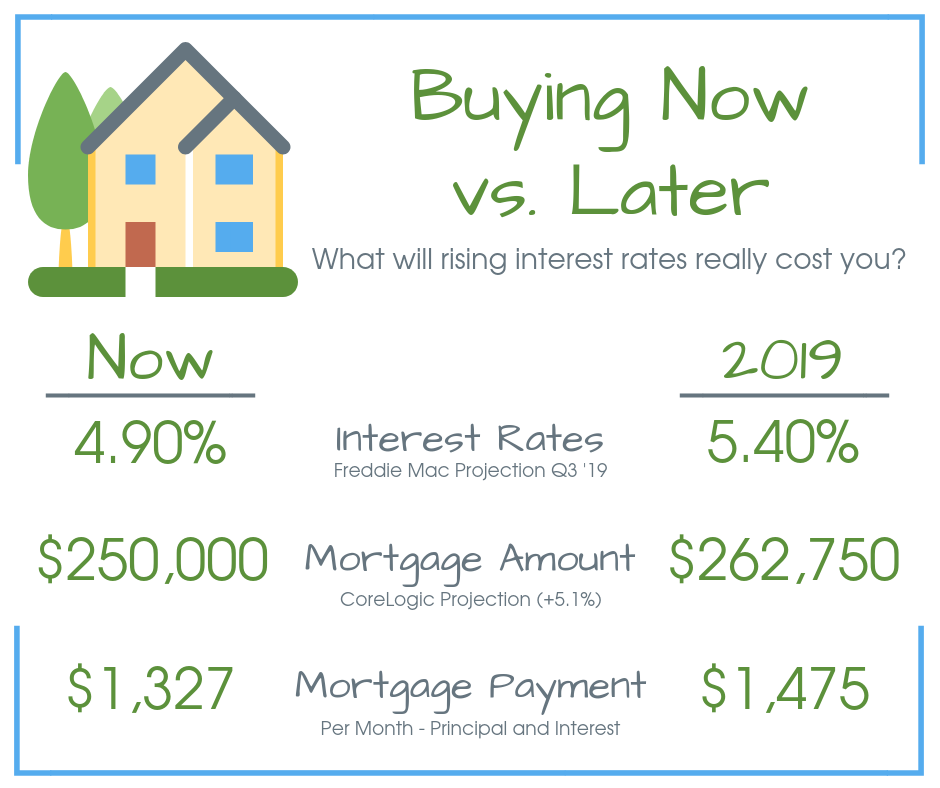
To navigate the complexities of real estate finance, one must look beyond the surface-level numbers. Interest rates are not static; they are a dynamic reflection of global economics, personal financial health, and institutional risk assessment.
Understanding Mortgage Interest Rates and How They Work
At its simplest level, a mortgage interest rate is the percentage of the loan amount that a lender charges a borrower to use their money. However, this figure is rarely as straightforward as it appears on a marketing flyer. To truly understand what you are paying, you must distinguish between the nominal interest rate and the Annual Percentage Rate (APR).
The Difference Between APR and Interest Rate
The interest rate is the specific percentage used to calculate your monthly principal and interest payment. If you borrow $400,000 at a 6% interest rate, your monthly payment is based on that 6% figure.
The APR, however, provides a more comprehensive view of the total cost of the loan. It includes the interest rate plus other costs such as loan origination fees, mortgage insurance, and discount points. Because the APR reflects these additional “closing costs” spread over the life of the loan, it is almost always higher than the base interest rate. When comparing offers from different lenders, the APR is the more accurate tool for evaluating which loan is truly more affordable.
Fixed-Rate vs. Adjustable-Rate Mortgages (ARMs)
The type of loan structure you choose significantly impacts the interest rate you are offered.
-
Fixed-Rate Mortgages: These are the gold standard of stability. The interest rate remains locked for the entire duration of the loan, typically 15 or 30 years. This protects the borrower from rising interest rates in the future, providing predictable monthly payments.
-
Adjustable-Rate Mortgages (ARMs): These loans usually offer a lower initial “teaser” rate for a set period (such as 5, 7, or 10 years). After that period ends, the rate adjusts periodically based on market indices. While ARMs can save money in the short term, they carry the risk of significantly higher payments if market rates rise.
Factors That Determine Your Specific Interest Rate
Lenders do not offer the same rate to everyone. Instead, they use a risk-based pricing model. The interest rate you receive is a reflection of how likely the lender believes you are to repay the loan on time.
Credit Score and Financial History
Your credit score is the single most influential factor within your control. Lenders use the FICO score to categorize borrowers into tiers. Those with “Excellent” credit (typically 740 and above) are offered the lowest possible rates because they represent the lowest risk. Conversely, a borrower with a score in the low 600s might be charged a rate that is 1.5% to 2% higher. Over 30 years, this “credit penalty” can be staggering. Beyond the score, lenders also scrutinize your Debt-to-Income (DTI) ratio to ensure your monthly obligations do not exceed a safe percentage of your gross income.
Loan-to-Value Ratio and Down Payments
The amount of “skin in the game” you have also influences your rate. The Loan-to-Value (LTV) ratio is the percentage of the home’s price that is being financed. A borrower who puts down 20% has an LTV of 80%. Lenders generally offer better rates to those with lower LTVs because the equity acts as a buffer. If you put down less than 20%, you may not only face a higher interest rate but also the added cost of Private Mortgage Insurance (PMI), which protects the lender in case of default.
Economic Indicators and the Federal Reserve
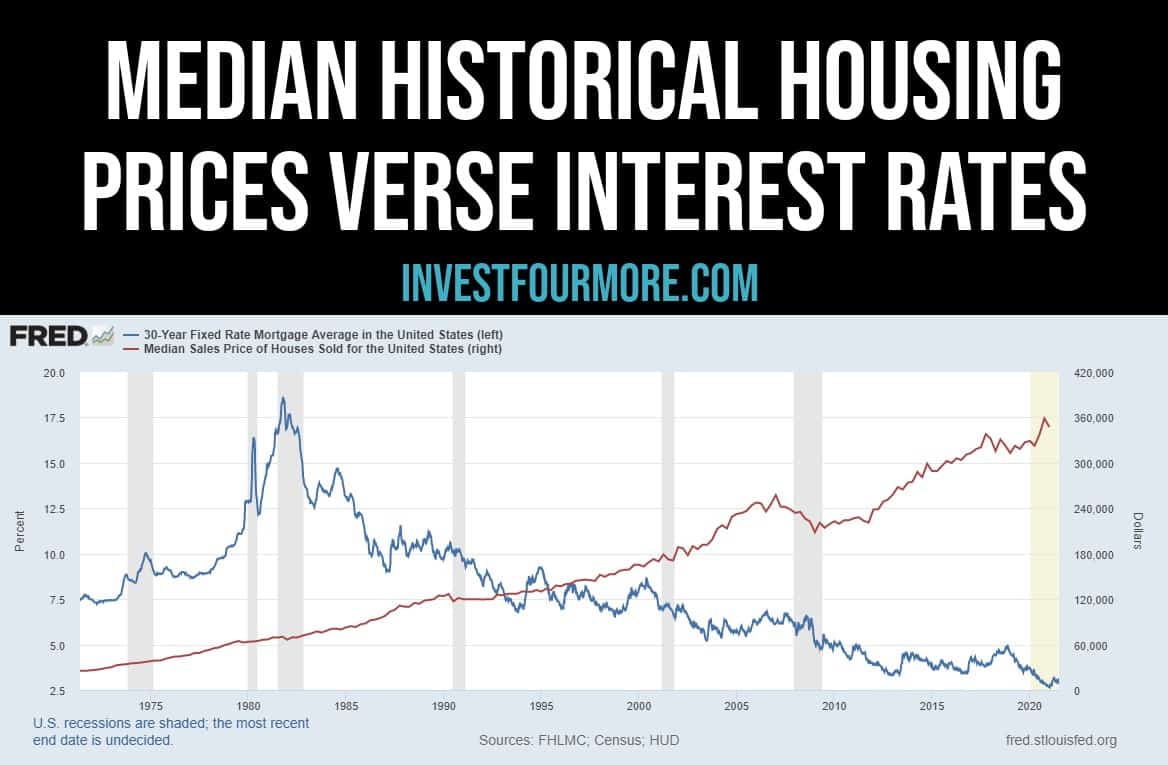
While personal factors decide your “spread” above the market rate, the market rate itself is determined by macroeconomic forces. Many people mistakenly believe the Federal Reserve sets mortgage rates directly. In reality, mortgage rates are more closely tied to the yield on the 10-year Treasury note.
When investors are nervous about the economy, they buy Treasuries, which drives yields (and mortgage rates) down. When the economy is booming or inflation is high, yields rise, pushing mortgage rates higher. The Federal Reserve influences this ecosystem by raising or lowering the federal funds rate to control inflation, which indirectly signals to lenders how to price their long-term loans.
The Long-Term Financial Impact of Interest Rates
The power of compounding is a dual-edged sword. In a savings account, it builds wealth; in a mortgage, it compounds the cost of debt. Understanding the math behind the rate is essential for long-term financial planning.
Total Interest Paid Over the Life of the Loan
To visualize the impact of interest rates, consider a $500,000 mortgage with a 30-year term.
-
At a 3% interest rate, the total interest paid over the life of the loan would be approximately $258,800.
-
At a 7% interest rate, the total interest paid balloons to roughly $697,000.
In the second scenario, the borrower is paying more in interest than the original cost of the house itself. This highlights why even a fractional reduction in a rate—secured through better credit or market timing—is worth thousands of dollars in future net worth.
Amortization Schedules Explained
In the early years of a mortgage, the vast majority of your monthly payment goes toward interest, with very little applied to the principal balance. This process is known as amortization. As the years progress, the ratio shifts, and more of your payment goes toward the principal. Because interest is calculated based on the remaining balance, the cost of the loan is “front-loaded.” This is why homeowners who sell or refinance within the first five to seven years of a loan often find they have built surprisingly little equity, as they have spent that time primarily servicing the interest.
Strategies to Secure the Best Possible Rate
Securing a favorable interest rate is not a matter of luck; it is the result of strategic preparation and market savvy.
Buying Down the Rate with Points
Borrowers often have the option to pay “discount points” at closing to lower their interest rate. One point typically costs 1% of the total loan amount and reduces the interest rate by approximately 0.25%. This is essentially “prepaid interest.” This strategy is most effective for those who plan to stay in their home for a long time, as it takes several years to reach the “break-even point” where the monthly savings exceed the upfront cost of the points.
Shopping Multiple Lenders
Many homebuyers spend weeks looking for the right house but only a few hours looking for the right loan. Rates can vary significantly between big banks, credit unions, and online mortgage brokers. Research from organizations like Freddie Mac suggests that borrowers who get at least one additional rate quote can save an average of $1,500 over the life of the loan, while those who get five quotes can save about $3,000. In a high-interest-rate environment, these savings are likely even more pronounced.
Timing the Market vs. Financial Readiness
It is tempting to try and “time” the bottom of an interest rate cycle. However, mortgage rates are notoriously difficult to predict. Financial experts generally advise that it is better to buy when you are personally financially ready—meaning you have a stable income, a healthy emergency fund, and a solid credit score—rather than waiting for a market shift that may not come. If rates drop significantly in the future, you can often refinance the loan to the lower rate. If rates rise, you will be glad you locked in your rate when you did.

Current Market Trends and Future Outlook
The landscape of housing interest rates has shifted dramatically in recent years. Following a decade of historically low rates, the global economy has entered a period of recalibration. Inflationary pressures have forced central banks to maintain higher interest rates to stabilize the currency, leading to a “new normal” for mortgage costs.
For prospective homeowners and investors, this environment requires a more disciplined approach to finance. The era of “cheap money” facilitated rapid home price appreciation, but higher rates tend to cool the market, leading to more moderate price growth. This shift emphasizes the importance of the interest rate as a tool for financial leverage.
In conclusion, the interest rate on a house is not merely a number on a contract; it is a vital indicator of your long-term financial trajectory. By understanding the mechanics of APR, managing personal credit factors, and employing strategic borrowing techniques, you can minimize the cost of debt and maximize the wealth-building potential of real estate. Whether you are a first-time buyer or a seasoned investor, respecting the power of the interest rate is the first step toward a secure financial future.
aViewFromTheCave is a participant in the Amazon Services LLC Associates Program, an affiliate advertising program designed to provide a means for sites to earn advertising fees by advertising and linking to Amazon.com. Amazon, the Amazon logo, AmazonSupply, and the AmazonSupply logo are trademarks of Amazon.com, Inc. or its affiliates. As an Amazon Associate we earn affiliate commissions from qualifying purchases.