
For any prospective homebuyer or homeowner looking to refinance, the question of the “going rate” for home loans is often the most pressing concern. However, identifying a single, universal rate is nearly impossible because mortgage pricing is a dynamic ecosystem influenced by a complex interplay of macroeconomic indicators, central bank policies, and individual financial profiles. In the current economic climate, understanding the going rate requires looking beyond a simple percentage and examining the forces that push these numbers up or down on a daily basis.
Navigating the mortgage market today requires a blend of financial literacy and strategic timing. Whether you are a first-time buyer or a seasoned real estate investor, the interest rate you secure will dictate your monthly cash flow and the total cost of your home over thirty years. By deconstructing the components of mortgage pricing, borrowers can better position themselves to secure a rate that aligns with their long-term financial goals.
The Mechanics of Mortgage Rates: What Drives the Numbers?
To understand why mortgage rates are where they are today, one must first understand that mortgage lenders do not set rates in a vacuum. Instead, they respond to the broader financial markets. While many people believe the Federal Reserve sets mortgage rates directly, the relationship is more nuanced and indirect.
The Role of the Federal Reserve and Treasury Yields
The Federal Reserve influences mortgage rates primarily through its management of the federal funds rate—the rate at which banks lend to one another overnight. When the Fed raises rates to combat inflation, the cost of borrowing increases across the board. However, mortgage rates more closely track the yield on the 10-year Treasury note.
Investors view 10-year Treasuries and Mortgage-Backed Securities (MBS) as competing “safe-haven” investments. When Treasury yields rise, mortgage rates typically follow suit to remain attractive to investors. If the spread between the 10-year Treasury and mortgage rates widens, it often signals market volatility or a lack of appetite for mortgage debt in the secondary market.
Inflation and Its Impact on Lending Costs
Inflation is the primary enemy of long-term fixed-income investments like mortgages. Because a lender is receiving a fixed payment over 15 to 30 years, the purchasing power of that future money is eroded if inflation is high. To compensate for this risk, lenders demand higher interest rates during inflationary periods. When the Consumer Price Index (CPI) shows signs of cooling, mortgage rates often stabilize or dip, as investors gain confidence that the value of their future returns will be preserved.
Global Economic Shifts and Market Volatility
Mortgage rates are also sensitive to global geopolitical events. In times of international instability, investors often flock to the safety of U.S. government bonds. This “flight to quality” increases demand for Treasuries, driving yields down, which can occasionally lead to a temporary drop in mortgage rates. Conversely, a strong global economy with high growth expectations can lead to higher rates as capital moves into riskier assets like stocks.
How Personal Financial Profiles Influence Individual Rates
While the “market rate” provides a baseline, the specific rate offered to a borrower is highly individualized. Lenders use a process called risk-based pricing to determine how much of a premium they should charge based on the likelihood of the borrower defaulting.
The Critical Importance of Credit Scores
Your credit score is perhaps the single most influential factor in determining your personal “going rate.” Lenders typically categorize borrowers into tiers. Those with “excellent” credit (740 to 850) are eligible for the lowest advertised rates. Those in the “fair” range (620 to 679) may find themselves paying 1% to 1.5% more than top-tier borrowers. Over the life of a $400,000 loan, this difference can amount to over $100,000 in additional interest payments. Maintaining a clean credit history and a low credit utilization ratio is the most effective way to lower your borrowing costs.
Debt-to-Income (DTI) Ratios and Loan-to-Value (LTV)
Lenders also evaluate your ability to handle the monthly payment by looking at your Debt-to-Income (DTI) ratio. This compares your total monthly debt obligations to your gross monthly income. A lower DTI suggests you have more breathing room in your budget, making you a lower-risk borrower.
Similarly, the Loan-to-Value (LTV) ratio measures the size of the loan against the value of the home. If you are borrowing 95% of the home’s value (a 5% down payment), the lender takes on more risk than if you were borrowing 80%. Higher LTV ratios often trigger higher interest rates or the additional requirement of Private Mortgage Insurance (PMI), which increases your effective monthly cost.
The Power of the Down Payment

The amount of skin you have in the game matters. A larger down payment reduces the lender’s exposure to loss if the property value drops. In many cases, reaching the 20% down payment threshold unlocks better interest rate tiers and eliminates the need for PMI. For those who cannot afford 20%, even small increments—moving from 3.5% to 5% or 10%—can sometimes result in a marginal reduction in the offered interest rate.
Exploring Different Loan Products and Their Pricing
The “going rate” also depends heavily on the type of loan product you select. Different structures carry different risk profiles for the lender, which is reflected in the interest rate.
Fixed-Rate Mortgages: The Standard of Stability
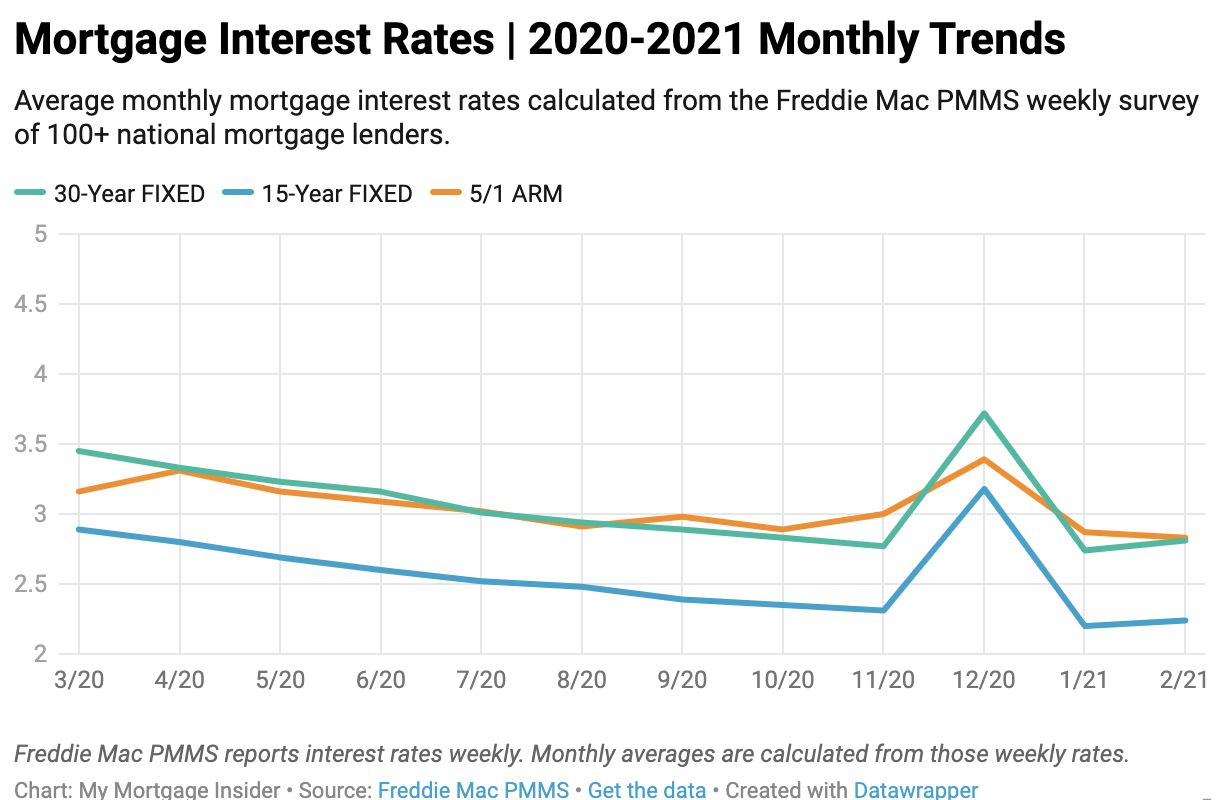
The 30-year fixed-rate mortgage remains the most popular choice for American homeowners. It offers the security of a consistent payment for three decades, regardless of how high market rates may climb in the future. Because the lender is locking in a rate for such a long duration, these loans typically carry higher interest rates than shorter-term or adjustable-rate products. The 15-year fixed-rate mortgage, by contrast, usually offers a significantly lower interest rate because the lender’s capital is at risk for a shorter period, though it requires much higher monthly payments.
Adjustable-Rate Mortgages (ARMs): Short-Term Savings vs. Long-Term Risk
Adjustable-rate mortgages (ARMs) often feature a lower “teaser” rate for an initial period—typically 5, 7, or 10 years. After this period, the rate adjusts annually based on a market index. In a high-rate environment, ARMs become more attractive because the initial rate can be 0.5% to 1% lower than a 30-year fixed loan. However, they carry the risk of payment shock if rates are higher when the adjustment period begins. They are often best suited for buyers who plan to sell the home or refinance before the initial fixed period ends.
Government-Backed Options: FHA, VA, and USDA Loans
Government-backed loans are designed to increase homeownership by reducing the risk to lenders. FHA loans, backed by the Federal Housing Administration, often have lower interest rates than conventional loans, but they require mortgage insurance premiums (MIP) that can make the total cost higher. VA loans, available to veterans and service members, frequently offer some of the lowest rates on the market with no down payment requirement. Understanding these niche products is essential for seeing the full spectrum of available “going rates.”
Strategies for Securing the Best Possible Rate
Securing a competitive home loan is not a passive activity. It requires active management and a willingness to negotiate. Small differences in interest rates can have a massive impact on your long-term wealth accumulation.
The Art of Shopping Around: Comparing Loan Estimates
One of the most common mistakes borrowers make is accepting the first rate quote they receive. Research from the Consumer Financial Protection Bureau (CFPB) suggests that borrowers can save thousands of dollars simply by comparing quotes from at least three different lenders. This includes big banks, credit unions, and independent mortgage brokers. Each institution has different overhead costs and “appetites” for certain types of loans, which can lead to variations in the rates and fees they offer.
Buying Down the Rate: The Pros and Cons of Mortgage Points
Borrowers often have the option to “buy down” their interest rate by paying discount points at closing. One point typically costs 1% of the total loan amount and reduces the interest rate by approximately 0.25%. This is essentially pre-paying interest. Whether this is a good deal depends on your “break-even point”—the amount of time it takes for the monthly savings to exceed the upfront cost. If you plan to stay in the home for 20 years, buying points is often a wise investment. If you plan to move in five years, it is usually better to keep that cash in your pocket.
Timing the Market vs. Timing Your Finances
While it is tempting to wait for rates to drop, “timing the market” is notoriously difficult. A more effective strategy is to focus on your personal “readiness.” If your credit score is at a peak and you have saved a substantial down payment, you may be able to secure a better rate today than a “average” borrower could secure even if market rates drop slightly in six months. Additionally, many lenders offer a “float-down” option, which allows you to lock in a rate today but benefit if rates decrease before you close on the loan.

The Long-Term Outlook: Navigating Future Rate Fluctuations
The concept of a “going rate” is always a snapshot in time. Historically, mortgage rates have fluctuated wildly, from the double-digit highs of the early 1980s to the historic lows seen during the early 2020s. In the current era, we are seeing a return to more “normal” historical averages.
For the modern borrower, the focus should not be on finding the “lowest rate ever,” but on finding a rate that makes the home an affordable and productive asset. By understanding the economic drivers, optimizing personal credit, and choosing the right loan product, you can navigate the mortgage market with confidence. The going rate is merely a starting point; where you end up depends on your strategy, your preparation, and your understanding of the financial landscape.
aViewFromTheCave is a participant in the Amazon Services LLC Associates Program, an affiliate advertising program designed to provide a means for sites to earn advertising fees by advertising and linking to Amazon.com. Amazon, the Amazon logo, AmazonSupply, and the AmazonSupply logo are trademarks of Amazon.com, Inc. or its affiliates. As an Amazon Associate we earn affiliate commissions from qualifying purchases.