
Securing a home loan is arguably the most significant financial commitment the average individual will make in their lifetime. Because the duration of a mortgage typically spans fifteen to thirty years, even a fractional difference in the interest rate can result in tens of thousands of dollars saved—or lost—over the life of the loan. When prospective homeowners ask which bank has the best home loan rates, the answer is rarely a single name. Instead, it is a moving target influenced by global economic shifts, institutional risk appetite, and the unique financial profile of the borrower.

To find the most competitive rates, one must look beyond the flashy advertisements and dive into the mechanics of the lending industry. The “best” rate is not just the lowest number on a screen; it is the rate that aligns with your long-term financial strategy while minimizing the total cost of borrowing.
The Landscape of Modern Mortgage Rates
The mortgage market is a complex ecosystem where interest rates fluctuate daily. These fluctuations are primarily driven by the bond market, specifically the yield on the 10-year Treasury note, and the monetary policies set by central banks. When central banks raise benchmark interest rates to combat inflation, the cost for banks to borrow money increases, a cost that is invariably passed down to the consumer in the form of higher home loan rates.
Fixed-Rate vs. Adjustable-Rate Mortgages
Before identifying which institution offers the best deal, a borrower must decide on the structure of the loan. Fixed-rate mortgages provide the security of a consistent interest rate and monthly payment for the entire term. These are currently the most popular choice for those looking to hedge against future inflation.
On the other hand, Adjustable-Rate Mortgages (ARMs) often start with a lower “teaser” rate for an initial period—usually five, seven, or ten years—before adjusting annually based on market indices. For a borrower who plans to sell the property or refinance within a few years, a bank offering an aggressive ARM might technically provide the “best” rate, even if their fixed-rate products are less competitive.
The Role of Secondary Markets
Banks do not always keep the loans they originate. Many sell their mortgages to government-sponsored entities or private investors. Because of this, many large national banks have standardized rates that mirror the requirements of these secondary markets. To find rates that deviate from the norm, savvy investors often look toward “portfolio lenders”—banks that keep loans on their own books and thus have more flexibility to offer lower rates to high-net-worth clients or those with non-traditional income streams.
Evaluating Top Contenders: National Banks vs. Online Lenders
The quest for the lowest rate typically leads to a fork in the road: the established brick-and-mortar giants or the streamlined digital disruptors. Both have distinct advantages, and the “best” bank often depends on what you value more—personal service or raw pricing.
The Case for Large National Banks
Institutions like JPMorgan Chase, Bank of America, and Wells Fargo possess massive capital reserves. For existing customers, these banks often offer “relationship pricing.” If you maintain a significant balance in a savings or investment account with them, they may shave 0.125% to 0.25% off your mortgage rate. For high-balance borrowers, this discount can make a traditional bank the most cost-effective option. Furthermore, their physical presence provides a level of accountability and face-to-face consultation that many first-time buyers find invaluable.
The Rise of Digital-First Lenders
In the last decade, online lenders like Rocket Mortgage and Better.com have revolutionized the industry. By removing the overhead of physical branches and utilizing high-speed automated underwriting, these entities can often offer lower interest rates than traditional banks. They are particularly competitive for borrowers with straightforward financial situations—W-2 employees with high credit scores. Their platforms allow for rapid rate-locking, which is essential in a volatile market where rates can jump significantly in a single afternoon.
Credit Unions: The Hidden Gems
Often overlooked in the search for the best home loan rates are credit unions. Because credit unions are member-owned, non-profit entities, they do not have the same pressure to generate profits for shareholders. This often translates into lower interest rates and reduced closing costs. While they may require membership based on geography or employment, the savings can be substantial. It is not uncommon to find a local credit union offering a rate that is 0.3% to 0.5% lower than the national average.
Factors That Determine the Rate You Are Quoted
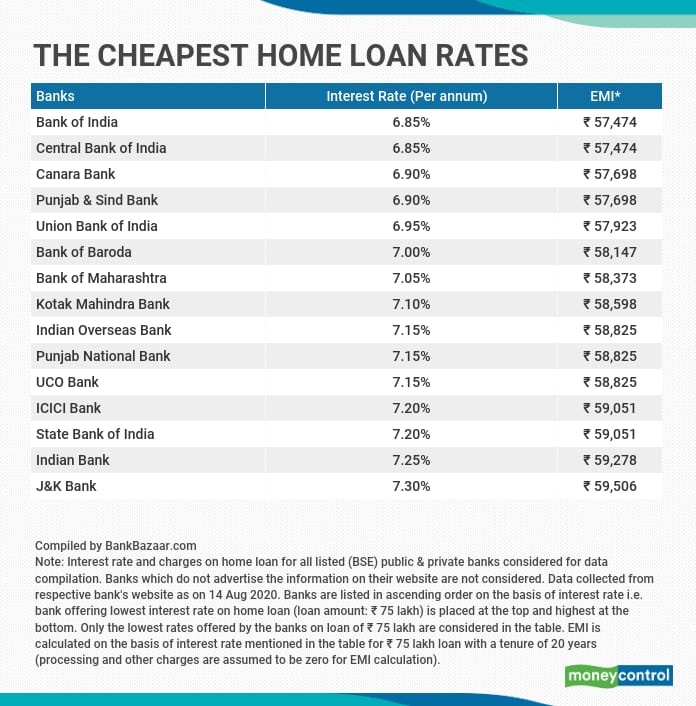
It is a common misconception that every borrower at a specific bank gets the same rate. The rates advertised on bank websites are “best-case scenario” figures. The actual rate you are offered is a reflection of the risk the bank perceives in lending to you.
Credit Score: The Primary Lever
Your credit score is the single most influential factor in the rate quote you receive. Lenders typically categorize borrowers into “tiers.” A borrower with a score of 760 or higher will gain access to the lowest possible rates. As the score drops, the “loan-level price adjustments” (LLPAs) increase. A borrower with a 640 score might be looking at a rate that is a full percentage point higher than someone with an 800 score, costing them hundreds of dollars more every month.
Loan-to-Value (LTV) Ratio
The size of your down payment changes the bank’s risk profile. A borrower putting 20% down represents less risk than one putting 3% down. Banks reward this lower risk with better rates. If you have a high LTV (a small down payment), you will not only face a higher interest rate but also the added cost of Private Mortgage Insurance (PMI), which further increases the effective cost of the loan.
Debt-to-Income (DTI) and Employment History
Banks look for stability. A low DTI ratio—meaning your monthly debt obligations are a small fraction of your gross income—signals that you can comfortably afford the mortgage. Borrowers with high DTI ratios or those who are self-employed with fluctuating income may find that “best” rates are harder to secure, as banks add a premium to account for the increased probability of default.
Understanding the APR Trap and Closing Costs
When comparing banks, focusing solely on the “interest rate” can be a multi-thousand-dollar mistake. To truly identify which bank has the best home loan rates, you must look at the Annual Percentage Rate (APR).
The Difference Between Interest Rate and APR
The interest rate is the cost of borrowing the principal balance. The APR, however, includes the interest rate plus other fees such as loan processing fees, mortgage insurance, and “points.” A bank might advertise a 6.0% interest rate, but if they charge high origination fees, the APR might be 6.4%. Another bank might offer a 6.1% rate with zero fees, resulting in a 6.1% APR. In this scenario, the bank with the higher “rate” is actually the cheaper option.
Discount Points: Buying Down the Rate
Many banks allow you to “buy down” your interest rate by paying discount points at closing. One point typically costs 1% of the loan amount and reduces the interest rate by approximately 0.25%. When asking which bank has the best rate, you must ask if that rate requires paying points. If you plan to stay in the home for thirty years, paying points to secure a lower rate is often a wise investment. If you plan to move in five years, the upfront cost of the points will likely exceed the monthly savings.
Strategic Tips for Securing the Lowest Rate
Finding the best rate is an active process, not a passive one. You cannot simply wait for a bank to offer you a deal; you must position yourself to demand it.
Get Multiple Official Loan Estimates
The only way to accurately compare banks is to apply for a pre-approval and receive a formal Loan Estimate (LE). This three-page document is standardized by law, making it easy to compare the interest rate, closing costs, and monthly payments side-by-side. Studies have shown that borrowers who get at least three quotes save an average of $3,500 over the life of the loan.
Timing and Rate Locks
Mortgage rates can change multiple times a day. Once you find a rate you are comfortable with, you must “lock” it. A rate lock guarantees that the bank will honor that interest rate for a specific period (usually 30, 45, or 60 days) while your loan is processed. If rates rise during that period, you are protected. Some banks offer a “float-down” option, which allows you to lock in a rate but also take advantage of a lower rate if market conditions improve before you close.
Negotiate with the Lenders
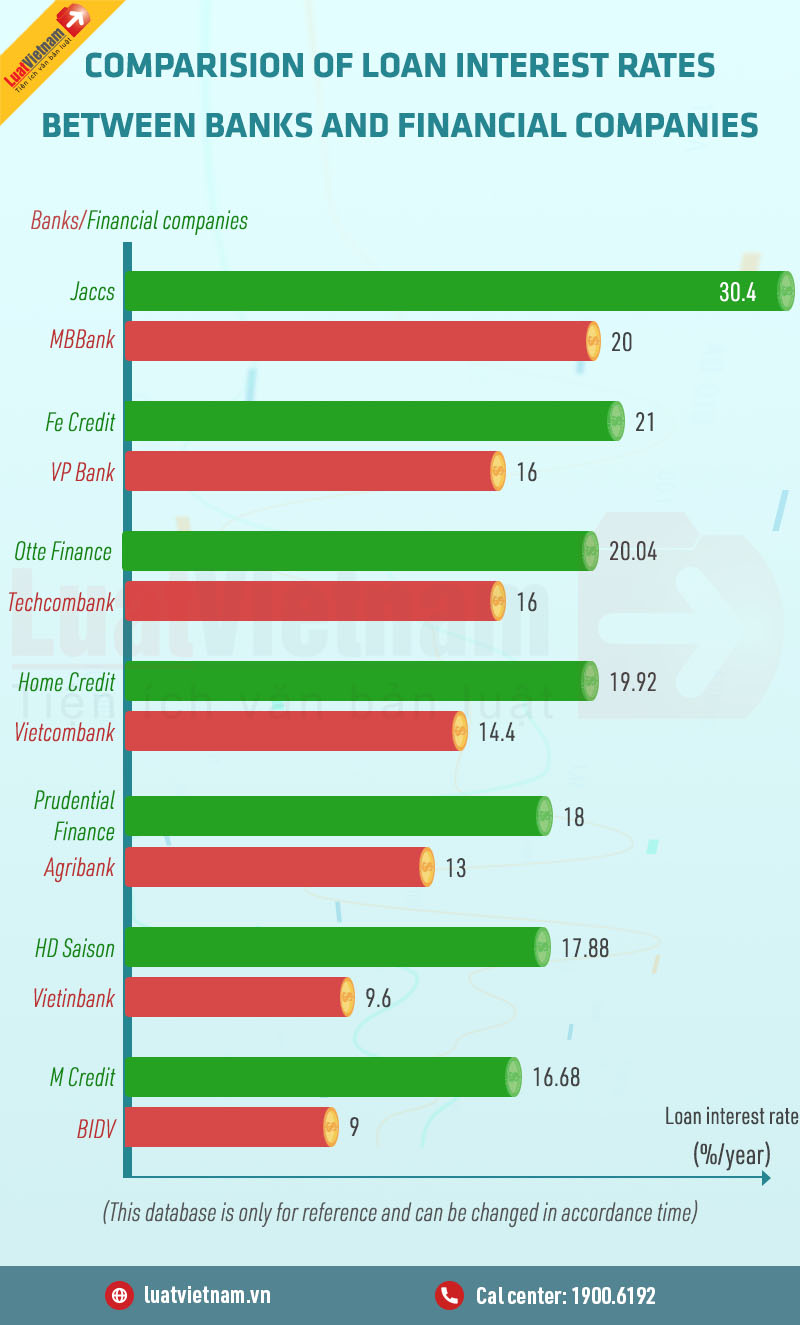
Many people do not realize that mortgage rates and fees are negotiable. If Bank A offers you a lower rate than Bank B, but you prefer Bank B’s service or local presence, show Bank B the Loan Estimate from Bank A. Often, the loan officer will be able to match the rate or drop their origination fees to win your business. This is especially effective with mid-sized regional banks and online lenders.
In conclusion, the bank with the “best” home loan rates is the one that views your specific financial profile as a low risk and is willing to compete for your business. Whether it is a national giant offering relationship discounts, a credit union passing on savings to members, or a digital lender using technology to slash overhead, the key to the lowest rate lies in preparation, comparison, and the willingness to negotiate. By focusing on the APR and the total cost of the loan rather than just the headline interest rate, you can ensure that your home purchase is a sound financial foundation for the decades to come.
aViewFromTheCave is a participant in the Amazon Services LLC Associates Program, an affiliate advertising program designed to provide a means for sites to earn advertising fees by advertising and linking to Amazon.com. Amazon, the Amazon logo, AmazonSupply, and the AmazonSupply logo are trademarks of Amazon.com, Inc. or its affiliates. As an Amazon Associate we earn affiliate commissions from qualifying purchases.