
Navigating the landscape of home financing is often a journey through a sea of fluctuating numbers, economic jargon, and high-stakes decision-making. For prospective homebuyers and those looking to refinance, the question of “what is the going rate” is more than just a matter of curiosity—it is the primary factor that determines monthly affordability and the total cost of debt over several decades. In today’s complex financial environment, mortgage rates are rarely static, and understanding the mechanisms that drive them is essential for any savvy investor or homeowner.
The “going rate” is a benchmark, a reflection of the current economic climate, the Federal Reserve’s monetary policy, and the collective risk appetite of global investors. However, the rate you see on a national news ticker is rarely the exact rate you will be offered at the closing table. To master your personal finances, you must look beneath the surface of the headlines to understand how these rates are manufactured and how you can position yourself to capture the lowest possible figure.
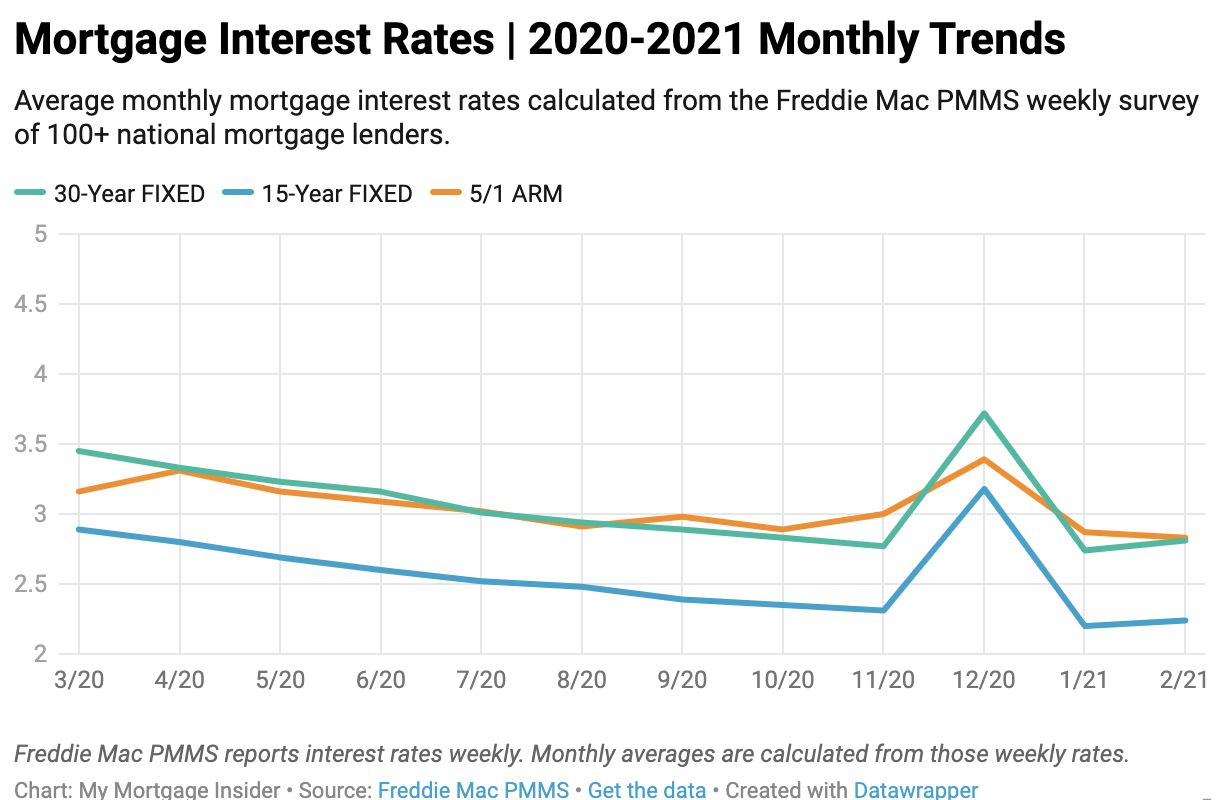
Understanding the Factors that Shape National Mortgage Rates
Mortgage rates do not exist in a vacuum. They are the result of a delicate dance between government policy, market sentiment, and macroeconomic indicators. When people ask about the going rate, they are usually referring to the national average for a 30-year fixed-rate mortgage, which serves as the gold standard for American housing finance.
The Federal Reserve’s Influence and the Federal Funds Rate
While it is a common misconception that the Federal Reserve sets mortgage rates directly, the reality is more nuanced. The Fed sets the federal funds rate—the interest rate at which commercial banks borrow and lend to one another overnight. When the Fed raises this rate to combat inflation, the cost of borrowing increases across the board. Banks pass these higher costs on to consumers in the form of higher interest rates for credit cards, auto loans, and, indirectly, mortgages. The Fed’s stance on quantitative easing or tightening also impacts the supply of money in the system, which further influences the yield required by mortgage lenders.
The 10-Year Treasury Yield Connection
If you want to know where mortgage rates are headed tomorrow, look at the 10-Year Treasury yield today. Historically, there is a strong correlation between the two. Because mortgages are often packaged into Mortgage-Backed Securities (MBS) and sold to investors, they must compete with other low-risk investments, specifically U.S. Treasury bonds. When Treasury yields rise, mortgage rates typically follow suit to remain attractive to investors. The “spread”—the difference between the 10-year Treasury yield and the 30-year mortgage rate—usually hovers around 1.5 to 3 percentage points, reflecting the added risk and administrative costs associated with home loans compared to government debt.
Inflation and Economic Indicators
Inflation is the natural enemy of fixed-income investments. If a lender issues a mortgage at 6% interest, but inflation is running at 5%, the real return for the lender is only 1%. Consequently, when inflation data comes in higher than expected, lenders proactively raise mortgage rates to protect their future purchasing power. Similarly, strong employment reports often lead to higher rates because a robust economy suggests that the Fed may keep interest rates high to prevent overheating, whereas signs of a recession might cause rates to cool as investors seek the safety of bonds.
Why Your Personal Rate Might Differ from the National Average
The “going rate” reported in the media is typically based on a “prime” borrower—someone with an exceptional credit score, a significant down payment, and a low debt-to-income ratio. In practice, mortgage pricing is highly individualized through a process known as risk-based pricing.
Credit Score and Financial History
Your credit score is arguably the most significant factor in determining your personal mortgage rate. Lenders use tiers to categorize risk; a borrower with a score of 760 or higher will almost always secure a lower rate than someone with a score of 660. Even a 100-point difference can result in a rate variance of 0.5% to 1.0%, which translates to tens of thousands of dollars in interest over the life of the loan. Maintaining a clean credit history, low credit utilization, and a long track record of on-time payments is the most effective way to beat the “going rate.”
Loan-to-Value (LTV) Ratio and Down Payments
The amount of equity you put into the home upfront significantly impacts the lender’s risk. A borrower providing a 20% down payment (an 80% LTV ratio) is viewed as much safer than a borrower putting down 3.5% or 5%. Higher LTV ratios often come with “delivery fees” or pricing adjustments that increase the interest rate. Furthermore, if your down payment is less than 20%, you will likely be required to pay Private Mortgage Insurance (PMI), which, while not technically part of the interest rate, increases your effective monthly cost.
Property Type and Occupancy
The intended use of the property also dictates the rate. Primary residences—homes where the borrower intends to live—receive the most favorable rates because borrowers are statistically less likely to default on their own homes. Conversely, investment properties and second homes carry higher rates because they are viewed as riskier; in a financial crisis, an owner is more likely to walk away from a rental property than their own roof. Additionally, multi-unit properties (2-4 units) often carry a premium compared to single-family detached homes.
Comparing Different Mortgage Products and Their Rates

The “going rate” varies significantly depending on the structure of the loan. Choosing the right product is a balancing act between short-term monthly affordability and long-term interest savings.
15-Year vs. 30-Year Fixed Rates
The 30-year fixed-rate mortgage is the most popular choice because it offers the lowest monthly payment by stretching the debt over three decades. However, the 15-year fixed-rate mortgage consistently offers a lower interest rate—often 0.5% to 1.0% lower than its 30-year counterpart. While the monthly payments are significantly higher due to the shorter repayment term, the total interest paid over the life of the loan is drastically reduced. For those with the cash flow to support it, the 15-year mortgage is a superior wealth-building tool.
Adjustable-Rate Mortgages (ARMs)
In a high-interest-rate environment, Adjustable-Rate Mortgages often gain popularity. An ARM typically offers a lower “teaser” rate for an initial period (such as 5, 7, or 10 years). After this period, the rate adjusts annually based on a market index. The going rate for a 5/1 ARM is usually lower than a 30-year fixed rate, making it an attractive option for buyers who plan to sell the home or refinance before the introductory period ends. However, the risk of rate hikes in the future makes this a strategic move that requires careful financial planning.
Government-Backed Loans: FHA, VA, and USDA
For those who may not qualify for conventional financing, government-backed loans provide an alternative. FHA loans, insured by the Federal Housing Administration, often have lower interest rates than conventional loans for borrowers with lower credit scores. VA loans, available to veterans and active-duty service members, frequently offer the lowest rates on the market with the added benefit of no down payment. While these “going rates” may look lower on paper, it is essential to account for the specific insurance premiums and funding fees associated with these programs.
Strategies to Secure the Best Possible Rate
Securing a mortgage rate below the national average requires proactive financial management and a willingness to shop the market. Since even a fraction of a percentage point can change your financial trajectory, the following strategies are essential for any prospective borrower.
The Power of Mortgage Points
One of the most direct ways to lower your rate is by “buying down” the interest through discount points. One point typically costs 1% of the total loan amount and reduces your interest rate by approximately 0.25%. This is essentially prepaying interest to secure a lower monthly payment for the duration of the loan. The decision to buy points depends on your “break-even point”—the amount of time you need to stay in the home for the monthly savings to exceed the upfront cost of the points.
Improving Your Debt-to-Income (DTI) Ratio
Lenders look at your DTI ratio to determine how much of your monthly income is consumed by debt payments. A high DTI can signal financial stress, leading lenders to offer higher rates or deny the loan altogether. By paying down high-interest credit card debt or car loans before applying for a mortgage, you can improve your financial profile and potentially qualify for a more competitive rate tier.
Shopping Multiple Lenders and Rate Locking
The going rate can vary from one lender to another. Research consistently shows that borrowers who get at least three quotes can save thousands of dollars. Local credit unions, national banks, and online mortgage brokers all have different overhead costs and risk tolerances. Once you find a competitive rate, it is crucial to use a “rate lock.” Because market rates change daily (and sometimes hourly), a rate lock protects you from increases while your loan is being processed, ensuring that the “going rate” on the day you applied is the one you receive at closing.
The Long-Term Impact of Mortgage Rates on Your Wealth
From a personal finance perspective, the mortgage rate is the single most important variable in the homeownership equation. It dictates the velocity at which you build equity and the amount of discretionary income you have left for other investments.
Amortization and the Cost of Borrowing
The impact of the interest rate is most visible when looking at an amortization schedule. In the early years of a 30-year mortgage, a significant portion of every payment goes toward interest rather than the principal balance. A higher “going rate” slows down the equity-building process. For example, on a $400,000 loan, the difference between a 4% and a 7% interest rate is over $800 per month in interest alone. Over 30 years, that 3% difference results in hundreds of thousands of dollars in extra payments that could have otherwise been directed toward retirement accounts or other income-generating assets.

Refinancing as a Wealth Strategy
Understanding the going rate is not just for buyers; it is a vital part of ongoing financial maintenance. When market rates drop significantly below your current rate—typically by 0.5% to 1% or more—refinancing becomes a viable option. By swapping a high-interest loan for a lower one, homeowners can reduce their monthly overhead or shorten their loan term, effectively giving themselves a “raise” and accelerating their path to debt-free homeownership.
Ultimately, the “going rate” for home mortgages is a benchmark that reflects the pulse of the global economy, but your personal financial health determines your specific reality. By understanding the underlying drivers of interest rates, maintaining a strong credit profile, and choosing the right mortgage product, you can navigate the complexities of the housing market and secure a foundation for long-term financial success. In the world of personal finance, the goal is not just to find a house, but to finance it in a way that serves your broader wealth-building objectives.
aViewFromTheCave is a participant in the Amazon Services LLC Associates Program, an affiliate advertising program designed to provide a means for sites to earn advertising fees by advertising and linking to Amazon.com. Amazon, the Amazon logo, AmazonSupply, and the AmazonSupply logo are trademarks of Amazon.com, Inc. or its affiliates. As an Amazon Associate we earn affiliate commissions from qualifying purchases.