
For most individuals, a home is the most significant purchase they will ever make. While the “sticker price” of a house often garners the most attention, the true cost of homeownership is dictated by a more subtle, yet powerful, figure: the house interest rate. Understanding what this rate is, how it is determined, and how it impacts your long-term financial health is essential for any savvy investor or prospective homeowner. At its core, a house interest rate—commonly referred to as a mortgage rate—is the cost you pay a lender to borrow money for the purchase of real estate. It is expressed as a percentage of the total loan amount and is paid periodically, usually monthly, over the life of the loan.
Understanding the Fundamentals of Mortgage Interest
To grasp the concept of a house interest rate, one must first understand the mechanics of a mortgage. A mortgage is a secured loan where the property itself serves as collateral. Because the lender is taking a risk by providing a large sum of capital upfront, they charge interest as compensation for that risk and for the loss of liquidity.
The Components of a Monthly Payment
A typical monthly mortgage payment consists of four main components, often abbreviated as PITI: Principal, Interest, Taxes, and Insurance. While the principal goes toward paying down the actual balance of the loan, the interest is the profit the lender earns. In the early years of a standard 30-year fixed mortgage, a significantly higher portion of your monthly payment is allocated toward interest rather than principal. This process, known as amortization, ensures that the lender recovers their costs and profit early in the loan’s lifecycle.
Fixed-Rate vs. Adjustable-Rate Mortgages
The nature of your interest rate depends heavily on the type of loan product you choose. A fixed-rate mortgage maintains the same interest rate for the entire duration of the loan, whether that is 15, 20, or 30 years. This offers predictability and protection against rising market rates.
Conversely, an Adjustable-Rate Mortgage (ARM) usually starts with a lower “teaser” rate for a set period (such as five or seven years) and then adjusts periodically based on market indices. While ARMs can save money in the short term, they introduce a level of financial risk if interest rates climb significantly in the future. Choosing between these requires a deep dive into your personal financial timeline and your tolerance for market volatility.
Factors That Determine Your Specific House Interest Rate
Not every borrower receives the same interest rate. Lenders use a complex risk-assessment model to determine the rate offered to a specific individual. While some factors are within your control, others are dictated by the broader economic landscape.
Credit Score and Financial Health
Your credit score is arguably the most influential factor under your control. Lenders view a high credit score as an indicator of financial responsibility. A borrower with a score above 760 will typically qualify for the lowest available rates, whereas someone with a score in the 600s may face significantly higher rates to offset the perceived risk of default. Additionally, your Debt-to-Income (DTI) ratio—the percentage of your gross monthly income that goes toward paying debts—helps lenders decide if you can afford the interest payments over the long haul.
The Loan-to-Value (LTV) Ratio
The size of your down payment directly affects your interest rate. The Loan-to-Value ratio is the amount you are borrowing compared to the appraised value of the home. A higher down payment (and thus a lower LTV) reduces the lender’s risk. If you provide a 20% down payment, you are often rewarded with a lower interest rate and the elimination of Private Mortgage Insurance (PMI), which further reduces your monthly financial burden.
Macroeconomic Drivers and the Federal Reserve
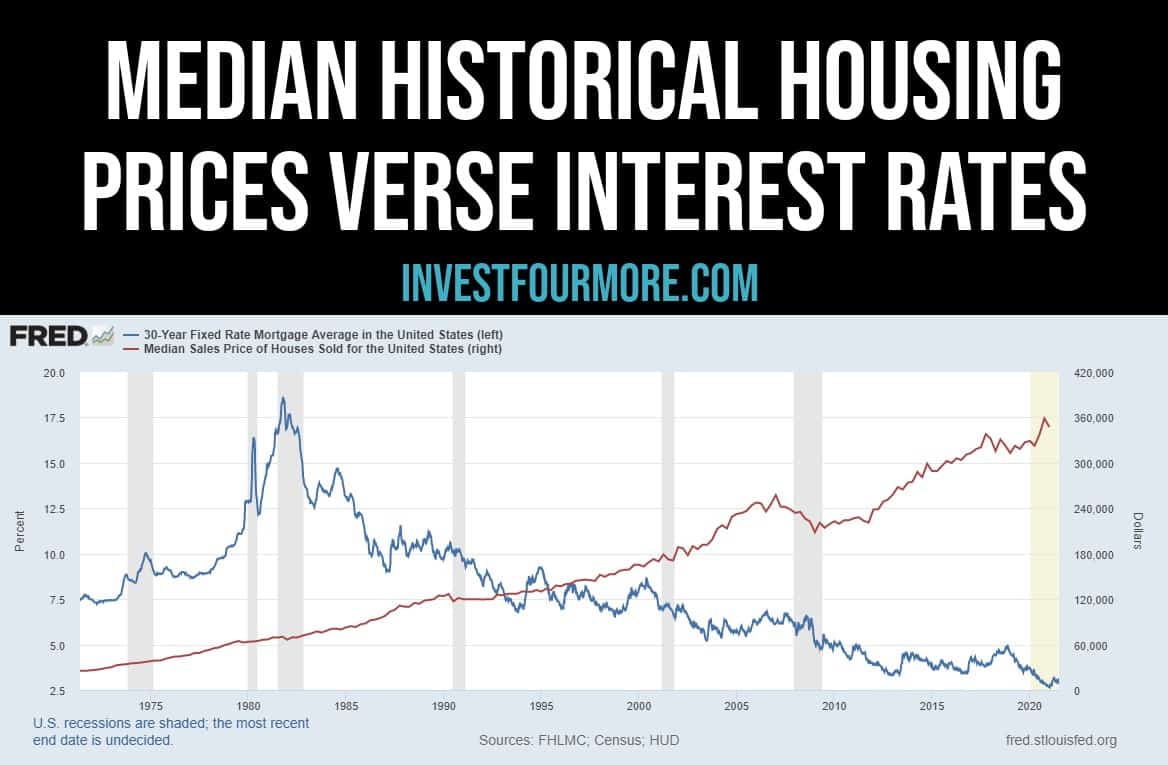
On a broader scale, house interest rates are influenced by the bond market, specifically the 10-year Treasury yield. When investors are confident in the economy, they may sell bonds, driving yields—and mortgage rates—up. Conversely, in times of economic uncertainty, investors flock to the safety of bonds, which can push rates down.
It is also a common misconception that the Federal Reserve sets mortgage rates directly. While the Fed sets the “federal funds rate” (the rate at which banks lend to each other overnight), this move creates a ripple effect. If the Fed raises rates to combat inflation, the cost of borrowing for banks increases, which they eventually pass on to consumers in the form of higher house interest rates.

The Long-Term Impact of Interest Rates on Wealth Accumulation
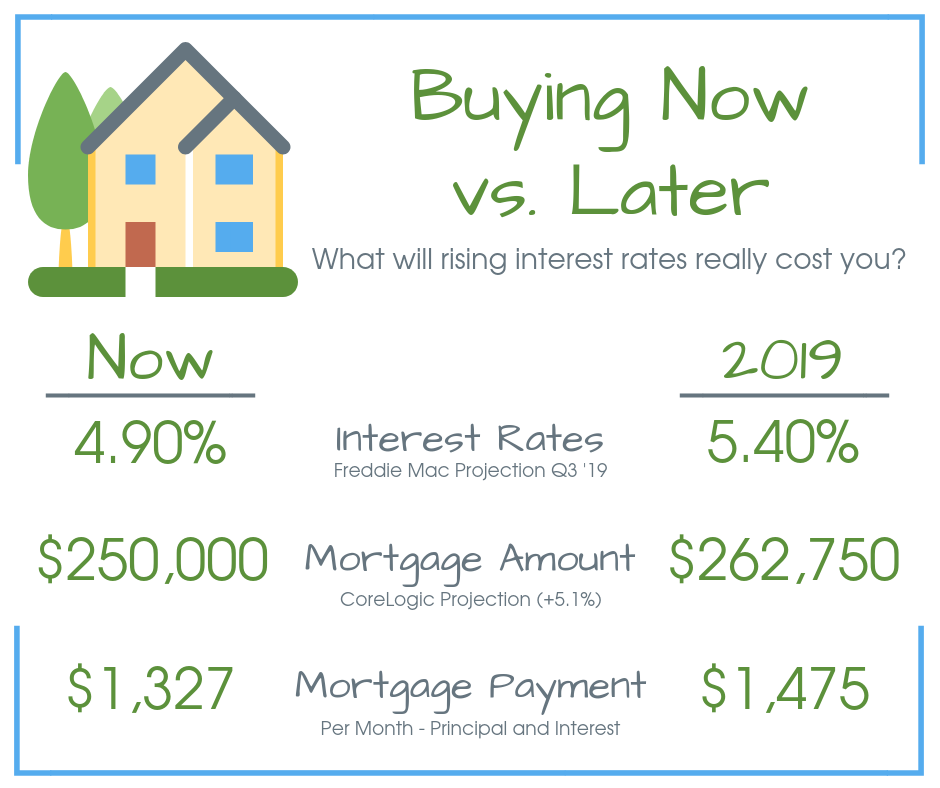
Even a seemingly small fluctuation in an interest rate—such as a 0.5% difference—can result in tens of thousands of dollars in additional costs over the life of a loan. Understanding this mathematical reality is crucial for long-term financial planning and wealth management.
The Cost of Borrowing Over 30 Years
Consider a $400,000 mortgage. At a 4% interest rate, the total interest paid over 30 years would be approximately $287,000. However, if that rate increases to 6%, the total interest paid jumps to roughly $463,000. That 2% difference costs the borrower an additional $176,000. In the world of personal finance, that is money that could have been invested in the stock market, a retirement fund, or a business venture. This illustrates why the interest rate is often more important than the purchase price of the home itself.
Amortization and Equity Building
The interest rate also dictates how quickly you build equity in your home. Equity is the difference between the market value of the home and the amount you owe. Because interest is front-loaded in the amortization schedule, a higher interest rate means a slower reduction of the principal balance in the first decade of homeownership. For those looking to use real estate as a vehicle for wealth, securing a lower rate is the most effective way to accelerate equity growth.
Strategies to Secure the Best Possible Rate
Given the massive financial implications of the house interest rate, borrowers should be proactive in optimizing their position before applying for a loan. Securing a competitive rate is not just about luck; it is about strategic financial positioning.
Comparison Shopping and Mortgage Points
One of the most effective strategies is to shop around. Different lenders—ranging from large national banks to local credit unions and online mortgage brokers—have different “appetites” for risk and different overhead costs. Obtaining at least three different Loan Estimates allows you to leverage offers against each other.
Furthermore, borrowers can “buy down” their interest rate through mortgage points. One point typically costs 1% of the loan amount and reduces the interest rate by a specific increment (usually 0.25%). This is essentially paying interest upfront to save money over the long term. This strategy is highly effective for those who plan to stay in their home for many years, as they will eventually reach a “break-even point” where the monthly savings outweigh the initial cost of the points.
Timing and Rate Locks
While “timing the market” is notoriously difficult, staying informed about economic trends can help. If you are in the process of buying a home and rates begin to trend upward, you can utilize a “rate lock.” A rate lock is a guarantee from a lender to provide a specific interest rate for a set period, typically 30 to 60 days. This protects you from market volatility while your loan is being processed.
Improving Financial Profiles Post-Purchase
If you purchase a home during a period of high interest rates, you are not necessarily stuck with that rate forever. The “Money” niche often emphasizes the power of refinancing. When market rates drop, homeowners can replace their current mortgage with a new one at a lower rate. This can significantly reduce monthly payments or shorten the loan term, though it is important to calculate the closing costs of the new loan to ensure the move makes financial sense.
The Role of Interest Rates in Investment Strategy
For real estate investors, the house interest rate is a critical variable in the “Capitalization Rate” and “Cash-on-Cash Return” calculations. When interest rates are low, the cost of capital is cheap, making it easier for an investment property to generate positive cash flow.
In a high-interest-rate environment, investors must be more discerning. Higher borrowing costs eat into profit margins, often leading to a cooling of property prices as demand decreases. Smart investors look at the interest rate as the “hurdle rate” that their investment must clear to be considered successful. If the interest rate on a mortgage is 7%, but the expected return on the property is only 6%, the investment is technically losing value in real terms.
Ultimately, the house interest rate is the heartbeat of the real estate market and a cornerstone of personal finance. Whether you are a first-time buyer or a seasoned investor, respecting the power of this percentage is the key to maintaining a healthy balance sheet and achieving long-term financial independence. By understanding the factors that drive these rates and employing strategies to minimize them, you can ensure that your home remains an asset rather than a financial burden.
aViewFromTheCave is a participant in the Amazon Services LLC Associates Program, an affiliate advertising program designed to provide a means for sites to earn advertising fees by advertising and linking to Amazon.com. Amazon, the Amazon logo, AmazonSupply, and the AmazonSupply logo are trademarks of Amazon.com, Inc. or its affiliates. As an Amazon Associate we earn affiliate commissions from qualifying purchases.