
The question of what the current interest rate on mortgages is rarely has a single, static answer. In the modern financial ecosystem, mortgage rates are a moving target, influenced by a complex interplay of macroeconomic data, central bank policies, and individual borrower profiles. For any prospective homeowner or real estate investor, understanding the current rate environment is not just about looking at a ticker on a screen; it is about understanding the underlying forces that dictate the cost of capital and how those costs translate into long-term financial health.
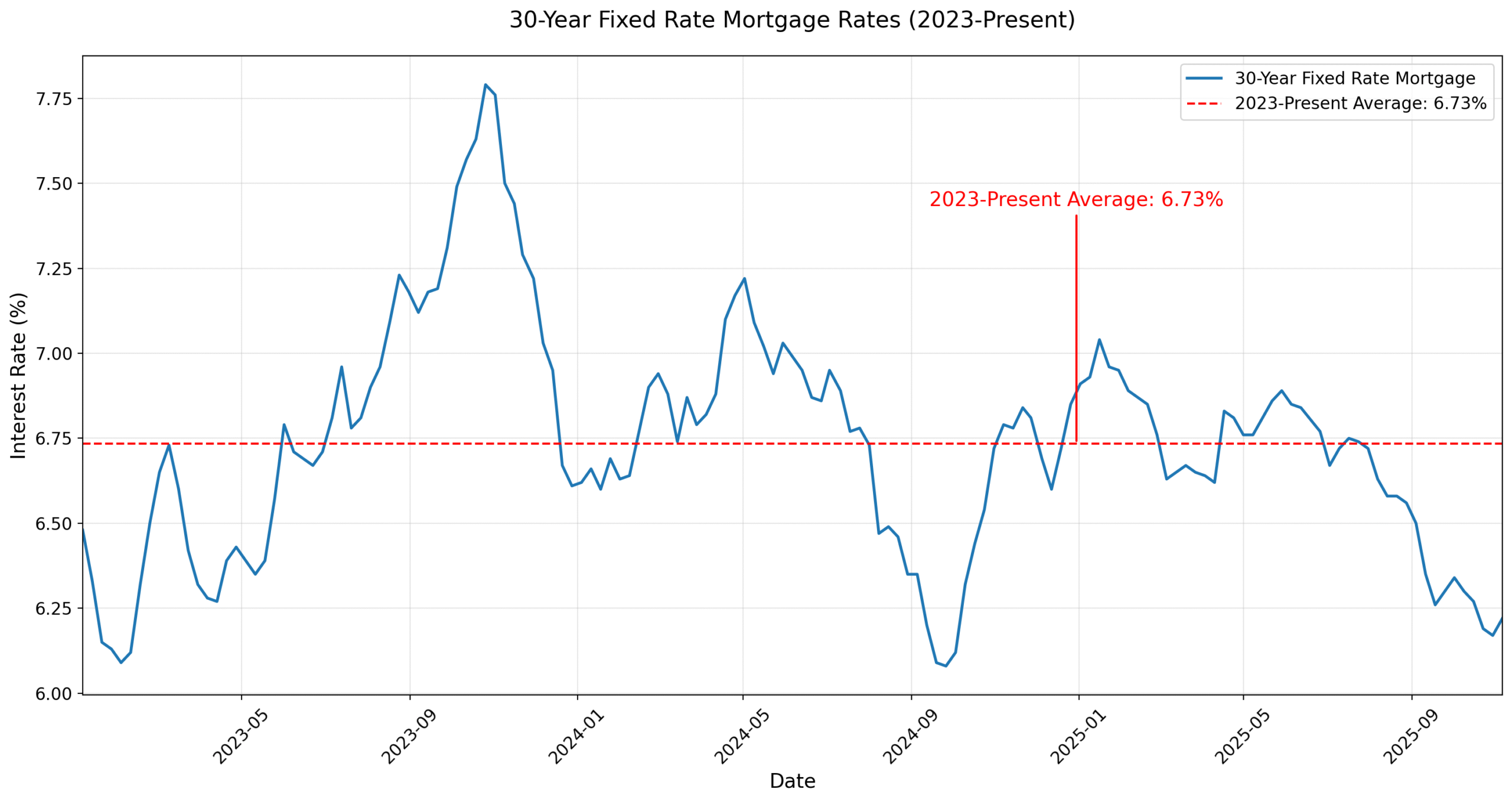
As of the current market cycle, mortgage rates have moved away from the historic lows seen during the early 2020s, stabilizing in a range that reflects a more restrictive monetary policy aimed at curbing inflation. While the specific daily average fluctuates, the broader trend is one of caution and strategic positioning. To navigate this landscape, one must look deeper into the mechanics of the mortgage market.
Understanding the Forces Driving Current Mortgage Rates
Mortgage rates do not exist in a vacuum. They are primarily driven by the bond market, specifically the yield on the 10-year Treasury note. While the Federal Reserve does not set mortgage rates directly, its actions regarding the federal funds rate create a ripple effect throughout the economy. When the Fed raises rates to combat inflation, the cost of borrowing increases across the board, pushing mortgage lenders to raise their requirements to maintain profitability and hedge against risk.
The Role of Inflation and the Federal Reserve
Inflation is the primary enemy of fixed-income investments like mortgage-backed securities (MBS). When inflation is high, the purchasing power of the interest payments received by investors is eroded. Consequently, investors demand higher yields to compensate for this loss of value. This demand for higher yields directly translates to higher interest rates for the consumer. The Federal Reserve’s dual mandate—maintaining price stability and maximum sustainable employment—often requires aggressive rate hikes during inflationary periods, which keeps mortgage rates elevated.
The Spread and Market Volatility
The “spread” refers to the difference between the 10-year Treasury yield and the 30-year fixed mortgage rate. Historically, this spread hovers around 1.5 to 2 percentage points. However, during periods of economic uncertainty or high market volatility, this spread can widen significantly. Lenders increase the spread to protect themselves against the risk of rapid prepayments (in the event rates drop and everyone refinances) or defaults (if the economy enters a recession). Understanding the current spread provides a clearer picture of whether mortgage rates are “fair” relative to the broader bond market.
Key Factors That Determine Your Specific Rate
While national averages provide a benchmark, the rate a specific borrower receives is highly individualized. In the realm of personal finance, your “financial DNA” determines the level of risk you represent to a lender, which in turn dictates the interest rate you are offered.
The Impact of Credit Scores
Perhaps no single factor is more influential than the FICO score. Lenders categorize borrowers into tiers. Those with “Excellent” credit (typically 760 and above) are eligible for the lowest possible rates, as they represent the lowest risk of default. A borrower with a score in the mid-600s might face a rate that is 1% or even 1.5% higher than a prime borrower. Over the life of a 30-year loan, this seemingly small difference can result in hundreds of thousands of dollars in additional interest payments.
Debt-to-Income (DTI) and Loan-to-Value (LTV) Ratios
Lenders also scrutinize your Debt-to-Income ratio—the percentage of your gross monthly income that goes toward paying debts. A lower DTI suggests you have the financial breathing room to handle a mortgage payment. Similarly, the Loan-to-Value ratio measures the amount of the loan against the appraised value of the property. A higher down payment reduces the LTV, lowering the lender’s risk and often resulting in a more favorable interest rate. Borrowers who can provide a 20% down payment not only secure better rates but also avoid the added cost of Private Mortgage Insurance (PMI).

Loan Type and Term Length
The structure of the loan itself influences the rate.
-
30-Year Fixed-Rate Mortgage: The most popular option, offering stability but usually carrying a higher rate than shorter-term loans.
-
15-Year Fixed-Rate Mortgage: These typically offer significantly lower interest rates because the lender is exposed to interest rate risk for a shorter period, though the monthly payments are higher due to the accelerated principal repayment.
-
Adjustable-Rate Mortgages (ARMs): These often start with a “teaser” rate that is lower than fixed-rate options for a set period (e.g., 5, 7, or 10 years). Once that period ends, the rate adjusts based on market indices, which can be a gamble in a rising-rate environment.
Strategic Financing in a High-Rate Environment
When interest rates are higher than the historical “floor,” borrowers must become more strategic. The goal shifts from simply obtaining a loan to optimizing the total cost of homeownership.
The Power of Mortgage Points
One common strategy is “buying down the rate” using discount points. One point typically costs 1% of the total loan amount and reduces the interest rate by a specific increment (usually 0.25%). This is essentially prepaying interest to lower the monthly payment. To determine if this is a sound financial move, a borrower must calculate the “break-even point”—the number of months it will take for the monthly savings to equal the upfront cost of the points. If you plan on staying in the home for a decade or more, buying points can be a highly effective long-term investment.
Rate Locks and Timing
Because mortgage rates can change multiple times in a single day, the “rate lock” is a critical tool. Once a borrower finds a rate they are comfortable with, they can lock it in for a period (usually 30 to 60 days) while the loan is processed. This protects the borrower from upward spikes in the market. In a volatile environment, missing a lock by 48 hours could mean the difference between a manageable payment and a strained budget.
Government-Backed Programs
For those who may not qualify for the best conventional rates, government-backed loans offer an alternative.
-
FHA Loans: Insured by the Federal Housing Administration, these are designed for borrowers with lower credit scores or smaller down payments. While they have their own fee structures (like UFMIP), the base interest rates are often quite competitive.
-
VA Loans: Available to veterans and active-duty service members, these often feature the lowest rates on the market and require no down payment, making them an elite financial tool for those who qualify.
-
USDA Loans: Designed for rural and suburban homebuyers with low-to-moderate incomes, these also offer competitive rates and zero-down-payment options.
The Long-Term Perspective: Buying Equity, Not Just a Rate
It is easy to become hyper-focused on the current interest rate, but personal finance experts often emphasize that “you marry the house and date the rate.” This adage suggests that while you are committed to the purchase price of the home, the interest rate is something that can potentially be changed in the future.
The Refinancing Strategy
If you purchase a home during a period of high interest rates, you are not necessarily locked into that rate for 30 years. If the economy cools and the Federal Reserve eventually lowers rates, homeowners can refinance their existing mortgage into a new loan at a lower rate. This strategy allows buyers to secure a property at today’s prices (before potential further appreciation) while planning for a lower cost of debt in the future. However, this requires maintaining a strong credit profile and ensuring the home retains enough equity to qualify for a new loan.
Building Equity vs. Paying Rent
Even at a 6% or 7% interest rate, a mortgage serves as a forced savings vehicle. A portion of every payment goes toward principal, building equity in an asset that historically appreciates over time. In contrast, rent offers a 0% return on investment and provides no protection against inflation. When evaluating the current interest rate, it is vital to compare the total cost of the mortgage against the total cost of renting a similar property. Often, the tax benefits of homeownership (such as the mortgage interest deduction) further tip the scales in favor of buying, even when rates are not at their historic lows.
Market Dynamics and Inventory
The current interest rate also dictates the level of competition in the housing market. High rates tend to cool demand, which can lead to less competition, fewer bidding wars, and more room for negotiation on the purchase price. In some cases, the savings negotiated on the price of the home can outweigh the increased cost of a higher interest rate. For the savvy investor, a high-rate environment is often a time of opportunity, as “tourist” buyers exit the market, leaving more room for those with a long-term financial strategy.
In conclusion, the current interest rate on mortgages is a reflection of a complex global economy, but its impact on your personal finances is something you can manage through education and strategy. By understanding the macro factors at play, optimizing your personal credit profile, and utilizing tools like points and rate locks, you can secure a mortgage that aligns with your long-term wealth-building goals. Rates will always fluctuate, but a sound financial plan remains the most effective hedge against market volatility.
aViewFromTheCave is a participant in the Amazon Services LLC Associates Program, an affiliate advertising program designed to provide a means for sites to earn advertising fees by advertising and linking to Amazon.com. Amazon, the Amazon logo, AmazonSupply, and the AmazonSupply logo are trademarks of Amazon.com, Inc. or its affiliates. As an Amazon Associate we earn affiliate commissions from qualifying purchases.