
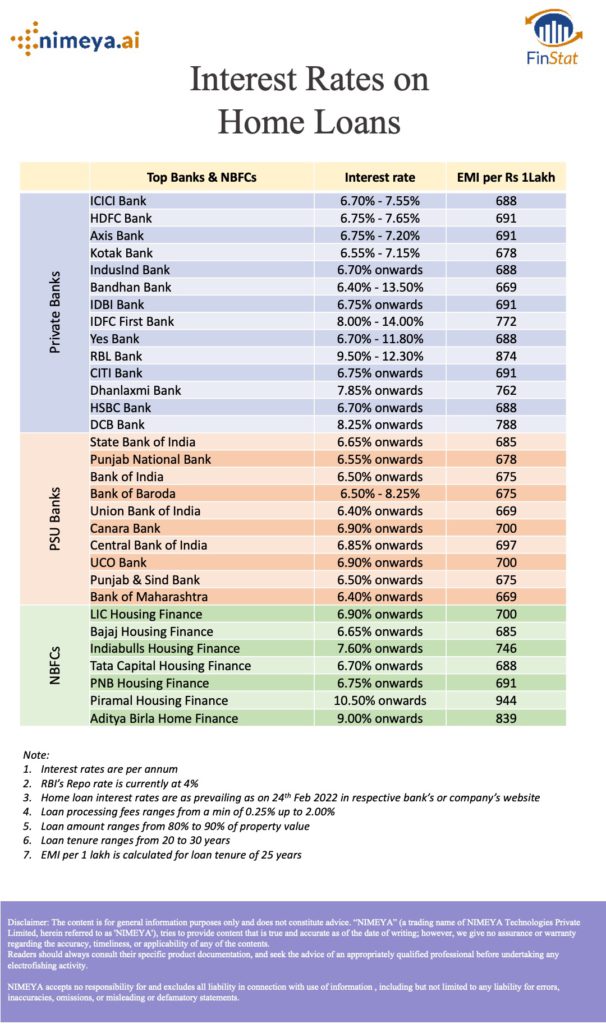
The landscape of the mortgage market has undergone a dramatic transformation over the last few years. For many prospective homeowners and seasoned investors, the days of historically low sub-3% interest rates feel like a distant memory. Navigating the current environment requires a deep understanding of how interest rates are set, what drives their fluctuation, and how individual financial profiles impact the final offer from a lender. Currently, home loan rates are hovering in a range that reflects the broader economic struggle to balance growth with inflation, making it more important than ever to understand the mechanics of mortgage pricing.
The Macroeconomic Drivers of Current Mortgage Rates
To understand why home loan rates are where they are today, one must look at the broader financial ecosystem. Mortgage rates do not exist in a vacuum; they are the result of complex interactions between government policy, investor sentiment, and global economic health.
The Role of the Federal Reserve
While the Federal Reserve does not directly set mortgage rates, its influence is paramount. The Fed sets the federal funds rate—the interest rate at which commercial banks borrow and lend to each other overnight. When the Fed raises this rate to combat inflation, it increases the cost of borrowing across the board. Mortgage lenders respond by raising their own rates to maintain profit margins and account for the increased cost of capital. In the current cycle, the Federal Reserve’s commitment to bringing inflation down to its 2% target has kept upward pressure on mortgage rates, leading to the higher-rate environment we see today.
The 10-Year Treasury Yield
A more direct barometer for fixed-rate mortgages is the yield on the 10-year Treasury note. Mortgage-backed securities (MBS), which are bundles of home loans sold to investors, compete for the same capital as government bonds. When the yield on the 10-year Treasury rises, mortgage rates almost always follow suit. Investors demand a higher yield on mortgages than on Treasuries because mortgages carry more risk (such as the risk of prepayment or default). The “spread” between the 10-year Treasury and the 30-year fixed mortgage rate is a key metric that analysts use to determine if mortgage rates are overvalued or undervalued relative to the broader market.
Inflation and Economic Indicators
Inflation is the primary enemy of fixed-income investments like mortgages. If inflation is high, the purchasing power of the future monthly payments a lender receives is eroded. To compensate for this loss of value, lenders increase interest rates. Consequently, when economic reports such as the Consumer Price Index (CPI) or the Personal Consumption Expenditures (PCE) price index show signs of cooling inflation, mortgage rates often stabilize or dip. Conversely, “hot” economic data usually leads to a spike in rates as the market anticipates further tightening by the central bank.
Factors That Determine Your Personal Interest Rate
While the national average gives a general sense of the market, the rate you are actually quoted depends heavily on your unique financial profile. Lenders use a process called risk-based pricing to determine the likelihood that a borrower will repay the loan.
Credit Score and Financial History
Your credit score is perhaps the single most influential factor in determining your specific interest rate. Lenders typically categorize borrowers into tiers. Those with “Excellent” credit (760 or higher) are offered the lowest possible rates, as they represent the lowest risk of default. As credit scores drop, the “interest rate adjustment” increases. For example, a borrower with a 640 credit score might pay a full percentage point (or more) higher than a borrower with an 800 score. Maintaining a clean credit history, low credit card utilization, and a long history of on-time payments is essential for securing a competitive rate.
Loan-to-Value Ratio and Down Payment
The amount of equity you put into the home upfront significantly impacts the lender’s risk. The Loan-to-Value (LTV) ratio is the percentage of the home’s value that you are borrowing. A traditional 20% down payment results in an 80% LTV, which is often the threshold for the best pricing. If you put down less than 20%, not only might your interest rate be slightly higher, but you will also likely be required to pay Private Mortgage Insurance (PMI), which increases your overall monthly cost. Higher down payments signal to the lender that the borrower has more “skin in the game,” reducing the probability of the borrower walking away from the property during a market downturn.
Debt-to-Income (DTI) Ratio
Lenders also look at your Debt-to-Income ratio, which is the percentage of your gross monthly income that goes toward paying debts. While DTI is primarily a qualification tool to determine how much you can borrow, a high DTI can sometimes lead to less favorable loan terms or require a shift to a different loan product that carries a higher interest rate. Most conventional lenders prefer a DTI below 43%, though some programs allow for higher ratios with compensating factors.
Understanding Different Loan Types and Their Rates
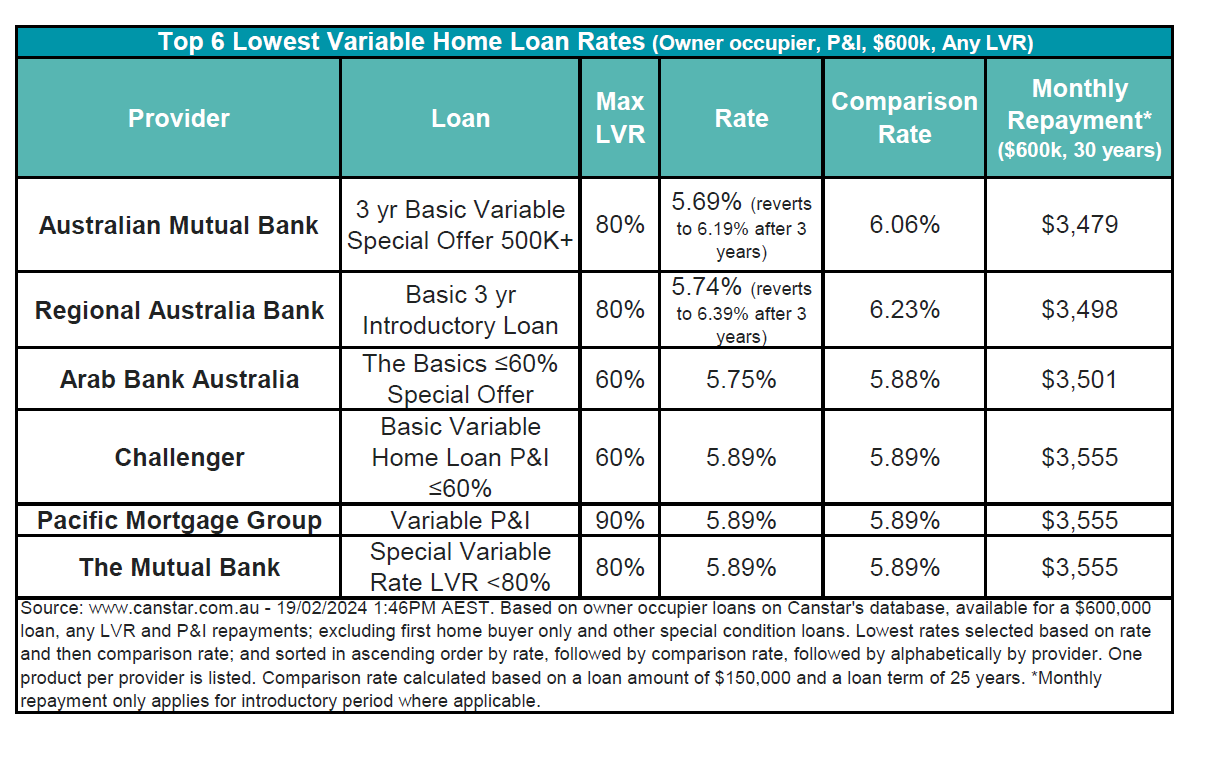
Interest rates are not uniform across all loan products. Depending on your goals and your eligibility, certain types of loans may offer significantly lower rates than the standard 30-year fixed conventional mortgage.
Fixed-Rate Mortgages vs. Adjustable-Rate Mortgages (ARMs)
The 30-year fixed-rate mortgage remains the gold standard for American homebuyers because it offers predictability; the interest rate and the principal payment remain the same for the life of the loan. However, in high-rate environments, Adjustable-Rate Mortgages (ARMs) often become more popular. An ARM typically offers a lower “teaser” rate for an initial period (such as 5, 7, or 10 years). After that period, the rate adjusts annually based on market indices. If you plan to sell the home or refinance before the initial period ends, an ARM can save you thousands of dollars in interest.
Government-Backed Loans: FHA, VA, and USDA
Government-backed loans often feature lower interest rates than conventional loans because the government guarantees a portion of the loan to the lender.
-
FHA Loans: Designed for borrowers with lower credit scores or smaller down payments. FHA rates are often lower than conventional rates, though the cost of mortgage insurance can offset some of those savings.
-
VA Loans: Available to veterans and active-duty service members, these loans often have the lowest rates on the market and require no down payment.
-
USDA Loans: Targeted at rural and suburban homebuyers with low-to-moderate incomes, these also offer competitive rates and zero down payment options.
Jumbo Loans
When a loan amount exceeds the “conforming loan limits” set by the Federal Housing Finance Agency (FHFA), it is considered a jumbo loan. Because these loans cannot be sold to Fannie Mae or Freddie Mac, they carry different risks for lenders. Interestingly, jumbo loan rates can sometimes be lower than conventional rates, depending on the liquidity in the private investor market and the lender’s desire to attract high-net-worth clients.
Strategies to Secure the Lowest Possible Rate
In a volatile market, being proactive can result in a substantially lower interest rate. Small differences in your rate can result in tens of thousands of dollars in savings over the life of the loan.
Shopping Multiple Lenders
One of the most common mistakes borrowers make is only getting a quote from their primary bank. Mortgage rates can vary significantly from one lender to another—sometimes by as much as 0.50%. It is advisable to get quotes from a mix of large retail banks, credit unions, and independent mortgage brokers. Brokers, in particular, have access to a wide array of wholesale lenders and can often find niche products or better pricing than a single institution can offer.
Buying Down the Rate with Points
“Points” or “discount points” are a way to prepay interest to secure a lower rate for the duration of the loan. One point typically costs 1% of the loan amount and reduces the interest rate by approximately 0.25%. This strategy is most effective if you plan to stay in the home for a long time, as it takes several years to reach the “break-even point” where the monthly savings exceed the upfront cost of the points.
Timing and Rate Locks
Because mortgage rates change daily (and sometimes multiple times per day), timing is critical. Once you find a rate you are comfortable with, you should “lock” it. A rate lock guarantees that your interest rate won’t change between the time of your application and the closing of the loan, provided you close within a specific window (usually 30 to 60 days). Some lenders offer a “float-down” option, which allows you to lock in a current rate but also take advantage of a lower rate if market conditions improve before you close.
The Future Outlook for Mortgage Interest Rates
Predicting the future of interest rates is notoriously difficult, as it depends on shifting geopolitical events and economic data. However, financial analysts generally look for a few key signals to determine where rates are headed.
The Pivot Toward Rate Cuts
The market is currently focused on when the Federal Reserve will begin “pivoting” from a tightening stance to a neutral or accommodative stance. If the economy slows significantly or if inflation falls below the 2% target, the Fed will likely begin cutting the federal funds rate. Market participants often “price in” these cuts months in advance. Therefore, if the consensus grows that rate cuts are coming, we may see mortgage rates begin to slide downward even before the Fed officially acts.
Housing Inventory and Market Dynamics
Interest rates also interact with housing inventory. When rates are high, many current homeowners are “locked in” to their existing low-rate mortgages and are hesitant to sell and buy a new property at a much higher rate. This creates a shortage of inventory, which keeps home prices elevated despite higher borrowing costs. If rates begin to descend toward the 5% or 6% range, it is expected that a surge of inventory will hit the market, though this may also trigger a surge in buyer demand, potentially leading to further price appreciation.
Long-Term Financial Planning
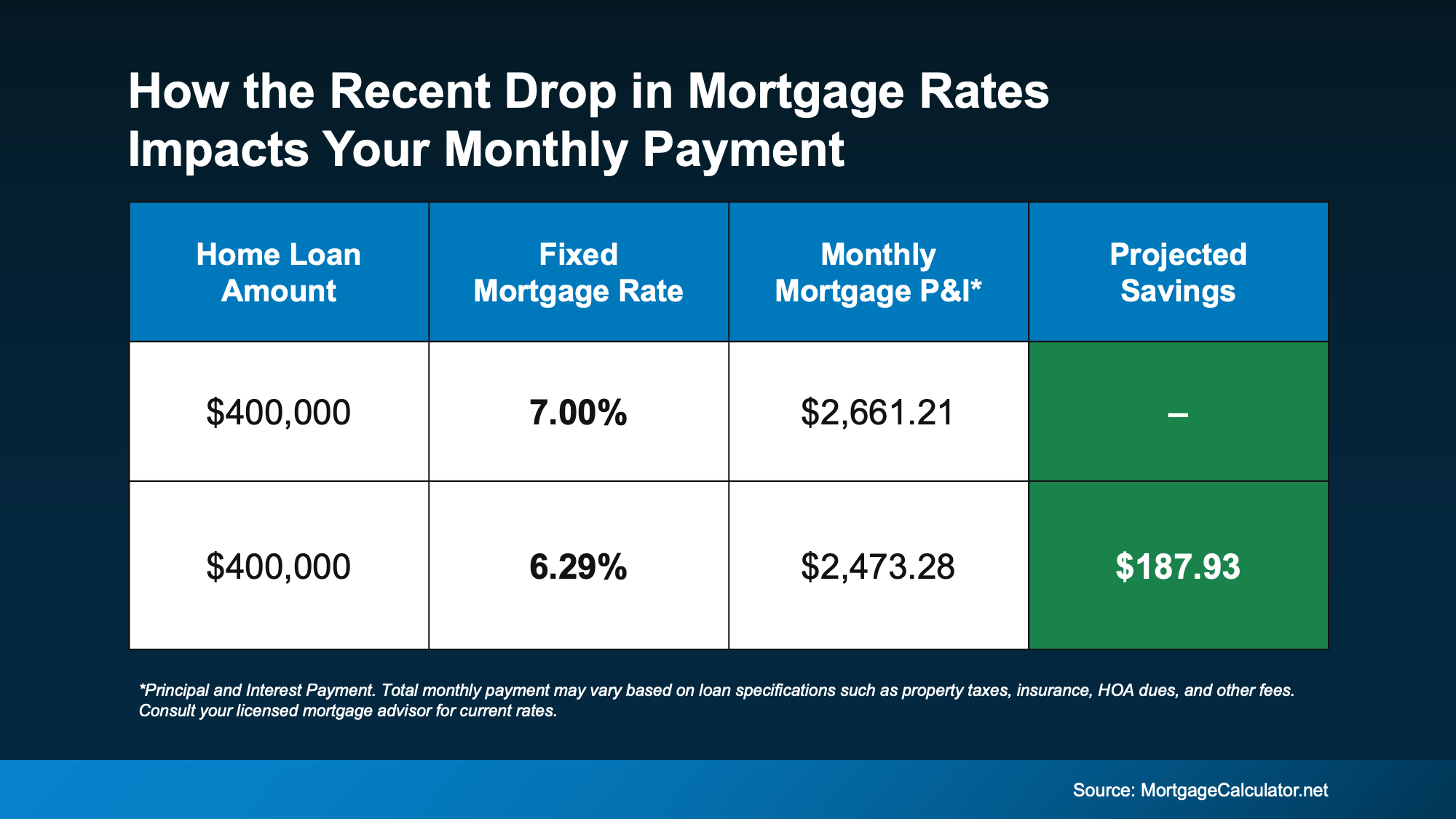
Ultimately, the “current” rate is only one part of the homeownership equation. For many, the decision to buy is driven by life events—marriage, children, or relocation—rather than the specific movement of the 10-year Treasury. Finance experts often suggest that if you find a home you love and can afford the monthly payment at today’s rates, it may be better to buy now and refinance later if rates drop. Waiting for the “perfect” rate can often lead to missing out on property appreciation that outweighs the interest savings. In the current money-conscious environment, the key is to stay informed, maintain an impeccable credit profile, and be ready to act when the right opportunity aligns with your financial goals.
aViewFromTheCave is a participant in the Amazon Services LLC Associates Program, an affiliate advertising program designed to provide a means for sites to earn advertising fees by advertising and linking to Amazon.com. Amazon, the Amazon logo, AmazonSupply, and the AmazonSupply logo are trademarks of Amazon.com, Inc. or its affiliates. As an Amazon Associate we earn affiliate commissions from qualifying purchases.