
Navigating the landscape of home financing in the current economic climate requires a deep understanding of how interest rates operate, what influences them, and how they impact the long-term cost of borrowing. For prospective homeowners and seasoned real estate investors alike, the interest rate is perhaps the most significant variable in the financial equation of property ownership. It determines not only the monthly mortgage payment but also the total interest paid over the life of the loan, which can vary by hundreds of thousands of dollars based on even minor fluctuations in percentage points.
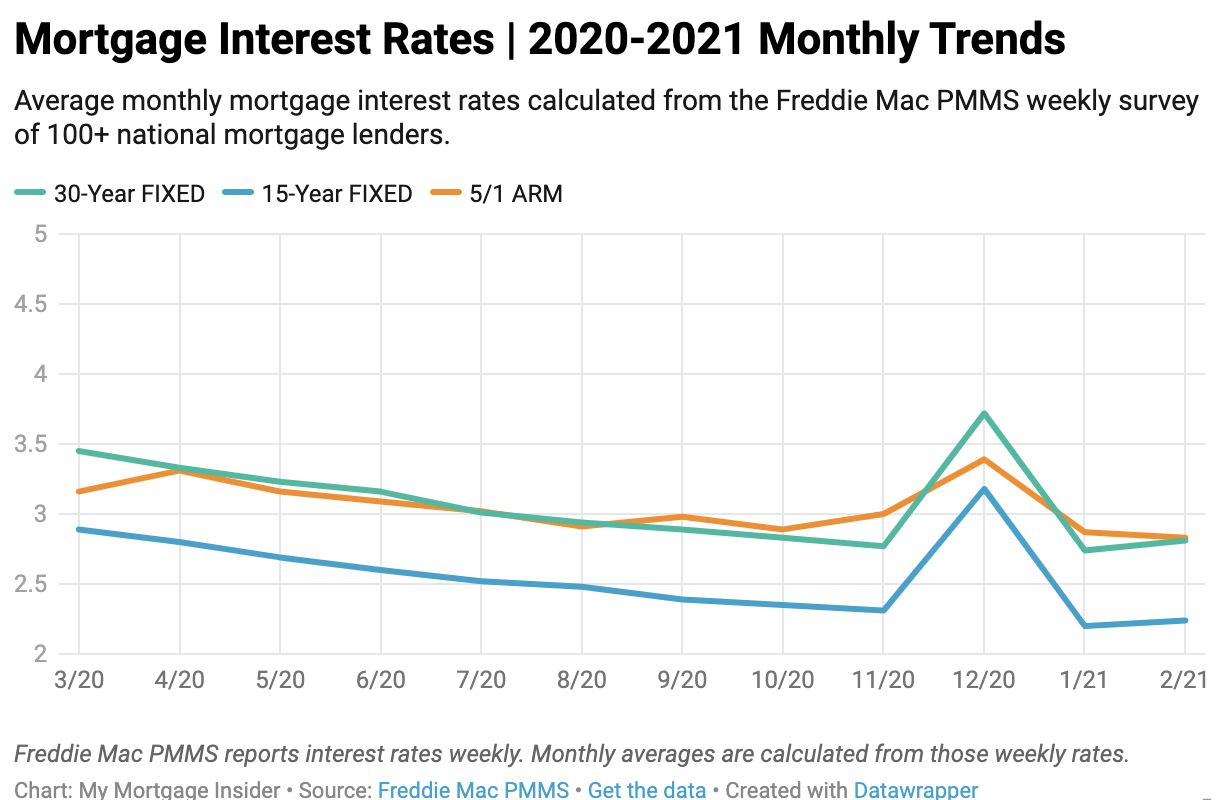
As of the current market cycle, interest rates have transitioned from the historic lows seen in the early 2020s to a more restrictive environment characterized by volatility and upward pressure. This shift is a direct response to global economic shifts, domestic monetary policy, and the ongoing effort to balance growth with price stability. To understand where rates stand today, one must look beyond the raw numbers and examine the underlying forces that move the needle.
Understanding the Drivers of Current Mortgage Rates
Mortgage rates are not set in a vacuum; they are the result of a complex interplay between federal policy, investor sentiment, and global economic health. While many consumers believe that a single entity dictates what they will pay for a home loan, the reality is a market-driven mechanism that reacts to a variety of signals.
The Role of the Federal Reserve
One of the most common misconceptions in personal finance is that the Federal Reserve sets mortgage rates. In reality, the Fed sets the “federal funds rate,” which is the interest rate at which commercial banks borrow and lend to one another overnight. However, changes in the federal funds rate create a ripple effect throughout the entire economy. When the Fed raises rates to combat inflation, the cost of borrowing increases for banks, who then pass those costs on to consumers in the form of higher rates for mortgages, credit cards, and auto loans. Conversely, when the Fed lowers rates to stimulate economic activity, mortgage rates typically follow a downward trajectory.
Inflation and Economic Indicators
Inflation is the primary enemy of fixed-income investments like mortgage-backed securities (MBS). When inflation is high, the purchasing power of the future interest payments that investors receive is eroded. To compensate for this risk, investors demand higher yields. This is why mortgage rates often climb ahead of official Fed announcements if the Consumer Price Index (CPI) or other inflation metrics show signs of heat. Employment data also plays a critical role; a robust labor market can lead to higher wages and increased spending, which may fuel inflation and prompt higher interest rates to cool the economy.
Bond Markets and the 10-Year Treasury Yield
There is a historical and highly correlated relationship between the yield on the 10-year U.S. Treasury note and the 30-year fixed-rate mortgage. Investors often view these two instruments as competing for similar space in a portfolio. Generally, mortgage rates tend to stay about 1.5 to 3 percentage points higher than the 10-year Treasury yield. This “spread” accounts for the added risks associated with mortgages, such as the risk of prepayment or default. Monitoring the bond market is often the best way for a homebuyer to predict where mortgage rates will head in the short term.
Types of Mortgage Rates and Their Current Market Performance
Different loan products respond differently to market shifts. Depending on an individual’s financial goals and the intended duration of homeownership, certain products may offer more favorable rates than others.
Fixed-Rate Mortgages: The 30-Year vs. The 15-Year
The 30-year fixed-rate mortgage remains the gold standard for American homebuyers due to its stability and lower monthly payments compared to shorter-term loans. However, because the lender is taking on interest rate risk for three decades, these loans carry a higher interest rate than 15-year options.
The 15-year fixed-rate mortgage is currently an attractive option for those who can afford higher monthly payments. Because the loan is paid off twice as fast and carries less risk for the lender, the interest rate is significantly lower. Over the life of the loan, a 15-year mortgage can save a borrower a fortune in interest, making it a powerful tool for wealth building and debt reduction.
Adjustable-Rate Mortgages (ARMs)
In a high-interest-rate environment, Adjustable-Rate Mortgages (ARMs) often see a resurgence in popularity. These loans typically offer a lower “teaser” rate for an initial period—usually 5, 7, or 10 years—after which the rate adjusts periodically based on market indices. For buyers who plan to sell the home or refinance before the initial period ends, an ARM can provide significant savings. However, they carry the inherent risk of payment shock if market rates are significantly higher at the time of adjustment.
Government-Backed Loans: FHA, VA, and USDA
Government-backed loans often feature interest rates that are slightly lower than conventional loans, though they may come with additional costs like mortgage insurance premiums (MIP).
-
FHA Loans: Designed for borrowers with lower credit scores or smaller down payments.
-
VA Loans: Reserved for veterans and active-duty service members, these often offer the most competitive rates in the market with no down payment requirement.
-
USDA Loans: Aimed at rural and suburban homebuyers, these provide low-interest options for those meeting specific income and location criteria.
Factors Influencing Your Personal Interest Rate

While market trends set the baseline, the specific rate offered to a borrower is highly individualized. Lenders use a process called risk-based pricing to determine the likelihood that a borrower will repay the loan.
Credit Scores and Financial Health
The FICO score is the single most influential factor in determining an individual’s interest rate. A borrower with a score above 760 will typically qualify for the “prime” rate—the lowest available in the market. Those with scores in the 600s may find themselves paying 1% to 2% more in interest, which adds up to massive costs over time. Maintaining a clean credit report, reducing revolving debt, and ensuring all payments are made on time are essential steps for any prospective homebuyer looking to secure a lower rate.
Loan-to-Value (LTV) Ratio and Down Payments
The amount of equity a buyer puts into a home directly impacts the lender’s risk. A higher down payment results in a lower Loan-to-Value (LTV) ratio. Lenders generally offer better rates to those who can put down 20% or more, as these borrowers have a significant financial stake in the property and are less likely to walk away in the event of a market downturn. Conversely, low-down-payment loans may see “loan level price adjustments” (LLPAs) that increase the interest rate or the closing costs.
Debt-to-Income (DTI) Ratios
Lenders also examine a borrower’s Debt-to-Income (DTI) ratio to ensure they have the cash flow necessary to handle a mortgage payment alongside existing obligations like student loans, car payments, and credit card debt. A lower DTI ratio suggests financial stability and can help a borrower qualify for more competitive loan products and interest rates.
Strategies for Navigating High-Interest Environments
When interest rates are higher than historical averages, borrowers must be more strategic in their approach to financing. There are several financial tools and tactics available to mitigate the impact of high rates.
Buying Down the Rate with Points
One effective strategy is the use of mortgage points, also known as discount points. A point is equal to 1% of the loan amount. By paying points upfront at closing, the borrower can “buy down” the interest rate for the life of the loan. This is essentially pre-paying interest to secure a lower monthly payment. This strategy is most effective for homeowners who plan to stay in their property for a long period, as it takes several years to reach the “break-even point” where the monthly savings outweigh the upfront cost.
Rate Locks and Floating Down
Mortgage rates can change multiple times in a single day. Once a borrower finds a rate they are comfortable with, they should consider a “rate lock.” This agreement with the lender guarantees the interest rate for a specific period, usually 30 to 60 days, while the loan is being processed. Some lenders also offer a “float-down” provision, which allows the borrower to lock in a rate but also take advantage of a lower rate if market conditions improve before the loan closes.
Improving Your Financial Profile Before Applying
Sometimes, the best strategy is patience. Taking six months to a year to aggressively pay down high-interest debt and boost a credit score can result in a significantly lower mortgage rate. In a market where interest rates are 7%, moving from a “good” credit tier to an “excellent” credit tier could save a borrower enough money to cover the cost of a luxury vehicle or a child’s college education over the 30-year span of the loan.
The Long-Term Outlook for Real Estate Investing
From an investment perspective, current interest rates change the math of “cash-on-cash” returns and “cap rates.” However, it is important to remember that real estate has historically been one of the most reliable hedges against inflation.
Evaluating ROI in a Volatile Market
Investors must be more diligent in their underwriting when rates are high. The era of “easy money” and rapid appreciation may have slowed, but demand for housing remains structurally high due to a chronic undersupply of inventory. Successful investors are shifting their focus toward properties with strong cash flow potential and considering alternative financing methods, such as seller financing or assuming existing low-rate mortgages where legal and applicable.
Refinancing Opportunities in the Future
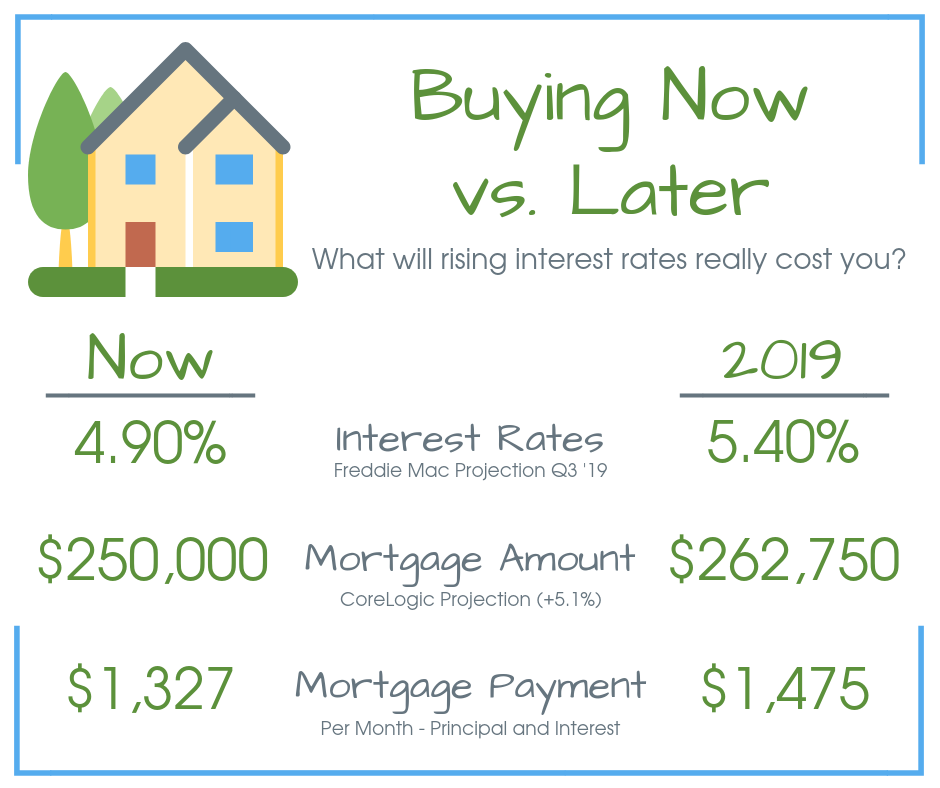
The prevailing wisdom in the current real estate market is often summarized by the phrase, “Marry the house, date the rate.” This suggests that if a buyer finds the right property, they should move forward with the purchase despite higher rates, with the intention of refinancing once the economic cycle turns and rates inevitably drop. While there is no guarantee when or if rates will return to previous lows, the ability to refinance provides a “safety valve” for homeowners to optimize their financing long after the initial purchase.
In conclusion, while current interest rates for homes are higher than the historic anomalies of the recent past, they remain within a manageable range when viewed through a long-term historical lens. By understanding the macroeconomic factors at play and optimizing one’s personal financial profile, it is still entirely possible to secure a mortgage that facilitates both homeownership and long-term financial security. Knowledge, preparation, and a strategic approach to the market are the most valuable assets any borrower can possess.
aViewFromTheCave is a participant in the Amazon Services LLC Associates Program, an affiliate advertising program designed to provide a means for sites to earn advertising fees by advertising and linking to Amazon.com. Amazon, the Amazon logo, AmazonSupply, and the AmazonSupply logo are trademarks of Amazon.com, Inc. or its affiliates. As an Amazon Associate we earn affiliate commissions from qualifying purchases.