
For prospective homebuyers and current homeowners looking to refinance, the question of “how much is mortgage rate today” is more than just a matter of curiosity; it is a critical variable that determines long-term financial health. Mortgage rates are the pulse of the real estate market, dictating affordability and influencing the broader economy. Understanding today’s rates requires looking beyond a single percentage point and examining the intricate web of economic forces, personal financial metrics, and market trends that cause these numbers to fluctuate daily.
Understanding the Current Landscape of Mortgage Rates
The mortgage market is famously volatile, with rates shifting based on a variety of macroeconomic indicators. When you see a quoted rate, it represents the interest charged by a lender to borrow funds for a property purchase. This rate is influenced by several external factors that are often beyond the control of the individual borrower.
The Role of the Federal Reserve
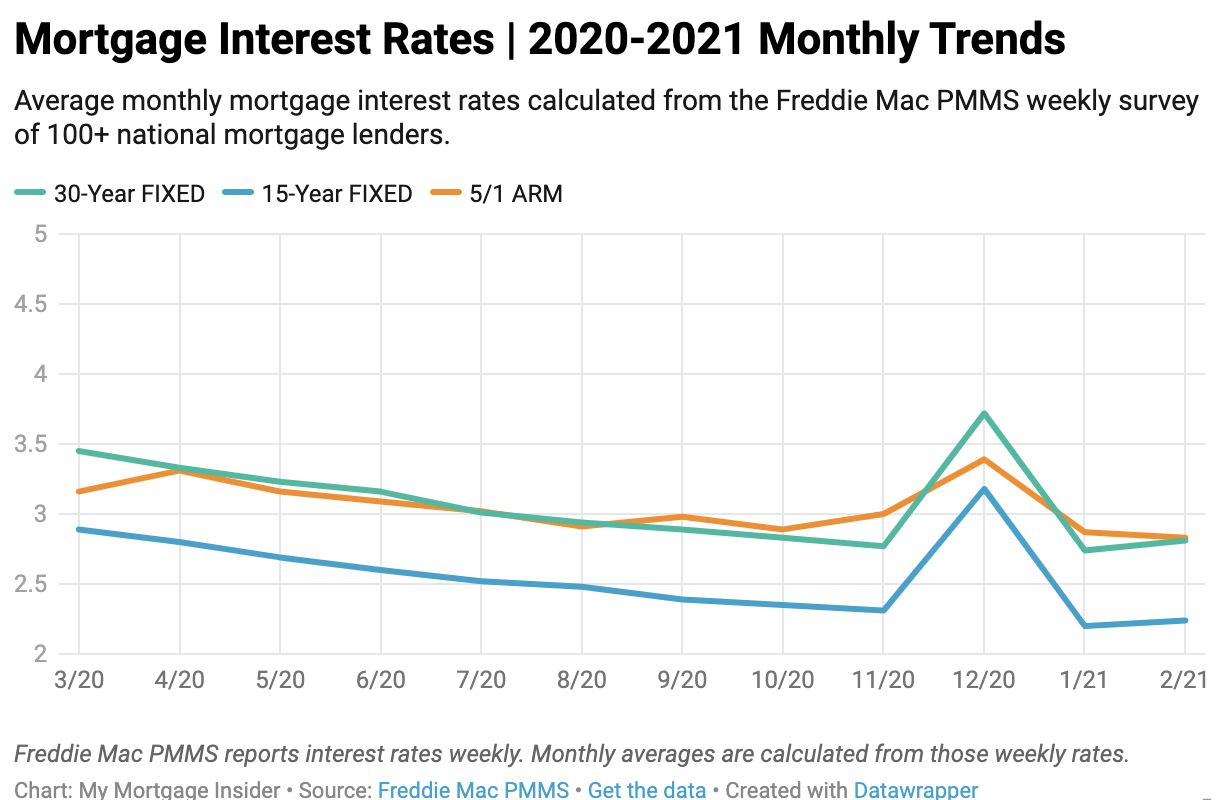
While the Federal Reserve does not directly set mortgage rates, its influence is profound. The Fed sets the federal funds rate—the interest rate at which commercial banks borrow and lend to each other overnight. When the Fed raises rates to combat inflation, the cost of borrowing increases across the board. This ripple effect typically leads to higher yields on U.S. Treasury bonds, which are the primary benchmark for fixed-rate mortgages. Investors in mortgage-backed securities (MBS) demand higher returns when government bond yields rise, leading lenders to increase the interest rates offered to consumers.
Inflation and Its Impact on Lending
Inflation is perhaps the greatest enemy of fixed-income investments like mortgages. When inflation is high, the purchasing power of the future interest payments a lender receives is eroded. To compensate for this risk, lenders raise interest rates. Conversely, when inflation data shows signs of cooling, mortgage rates often stabilize or begin to trend downward as the market anticipates a more favorable environment for long-term lending. Tracking the Consumer Price Index (CPI) and the Personal Consumption Expenditures (PCE) price index can provide valuable clues into where mortgage rates might head next.
Global Economic Indicators
In a globalized economy, international events can sway domestic mortgage rates. Geopolitical instability, shifts in foreign central bank policies, and global supply chain disruptions can drive investors toward “safe-haven” assets like U.S. Treasuries. When demand for Treasuries increases, their yields fall, which can lead to a temporary dip in mortgage rates. Therefore, “today’s rate” is not just a reflection of the domestic market but also a response to the global financial climate.
Factors That Influence Your Personal Mortgage Rate
While market averages provide a baseline, the specific rate you are offered is highly individualized. Lenders use a risk-based pricing model to determine the likelihood that a borrower will repay their loan. Understanding these personal levers can help you position yourself for a more favorable offer.
Credit Score and Financial History
Your credit score is the most significant personal factor in determining your mortgage rate. Borrowers with “excellent” credit scores (typically 760 and above) are viewed as low-risk and are rewarded with the lowest available rates. Even a 20-point difference in your score can move you into a different pricing tier, potentially saving or costing you tens of thousands of dollars over the life of a 30-year loan. Lenders also scrutinize your credit report for late payments, bankruptcies, or high credit utilization, all of which signal higher risk.
Loan-to-Value (LTV) Ratio and Down Payments
The amount of equity you have in the property—or the size of your down payment—directly impacts your rate. A higher down payment reduces the lender’s risk because the borrower has more “skin in the game.” Generally, an LTV ratio of 80% or lower (a 20% down payment) qualifies you for better rates and allows you to avoid Private Mortgage Insurance (PMI). If your LTV is high, the lender may increase the interest rate to offset the increased risk of default.
Debt-to-Income (DTI) Ratio
Lenders examine your DTI ratio to ensure you have sufficient income to cover your new mortgage payment alongside existing obligations like car loans, student debt, and credit card balances. A lower DTI ratio suggests financial stability and a higher capacity to manage debt. Most lenders prefer a DTI ratio below 36%, though some programs allow for higher limits. A high DTI can result in a higher interest rate or, in some cases, a loan denial.
Comparing Different Types of Mortgage Products
Not all mortgages are created equal. The type of loan product you choose will have a significant impact on the interest rate you are quoted.
Fixed-Rate vs. Adjustable-Rate Mortgages (ARMs)
The 30-year fixed-rate mortgage remains the most popular choice because it offers stability; your interest rate and monthly principal and interest payment remain the same for the duration of the loan. However, 15-year fixed-rate mortgages typically offer lower interest rates because the lender’s money is at risk for a shorter period.
Adjustable-Rate Mortgages (ARMs) often start with a lower “teaser” rate for an initial period (such as 5, 7, or 10 years). After that period, the rate adjusts periodically based on market indices. ARMs can be attractive in a high-rate environment if you plan to sell or refinance before the adjustment period begins, but they carry the risk of significantly higher payments in the future.
Conventional vs. Government-Backed Loans
Conventional loans are not insured by the government and typically follow guidelines set by Fannie Mae and Freddie Mac. They often require higher credit scores but offer competitive rates for well-qualified borrowers.
Government-backed loans, such as FHA, VA, and USDA loans, are designed to make homeownership more accessible. FHA loans are popular for those with lower credit scores or smaller down payments. VA loans offer excellent rates and zero down payment options for veterans and active-duty service members. While the base rates for these loans might seem lower, they often come with specific insurance premiums or funding fees that should be factored into the total cost.
Jumbo Loans for High-Value Properties
When a loan amount exceeds the conforming loan limits set by the Federal Housing Finance Agency (FHFA), it is classified as a jumbo loan. Because these loans cannot be purchased by Fannie Mae or Freddie Mac, they carry different risks for lenders. Historically, jumbo rates were higher than conforming rates, but in some market conditions, they can actually be lower depending on the liquidity of the banks holding them.
Strategies to Secure the Best Possible Rate
Knowing “how much is mortgage rate today” is the first step, but taking action to secure that rate requires a strategic approach.
Shopping Around and Comparing Lenders
One of the most common mistakes borrowers make is accepting the first rate quote they receive. Mortgage rates can vary significantly from one lender to another—including big banks, credit unions, and online mortgage companies. Obtaining Loan Estimates from at least three different lenders allows you to compare not just the interest rate, but also the closing costs and fees. This competition can give you leverage to negotiate a better deal.
The Power of Points and Rate Locks
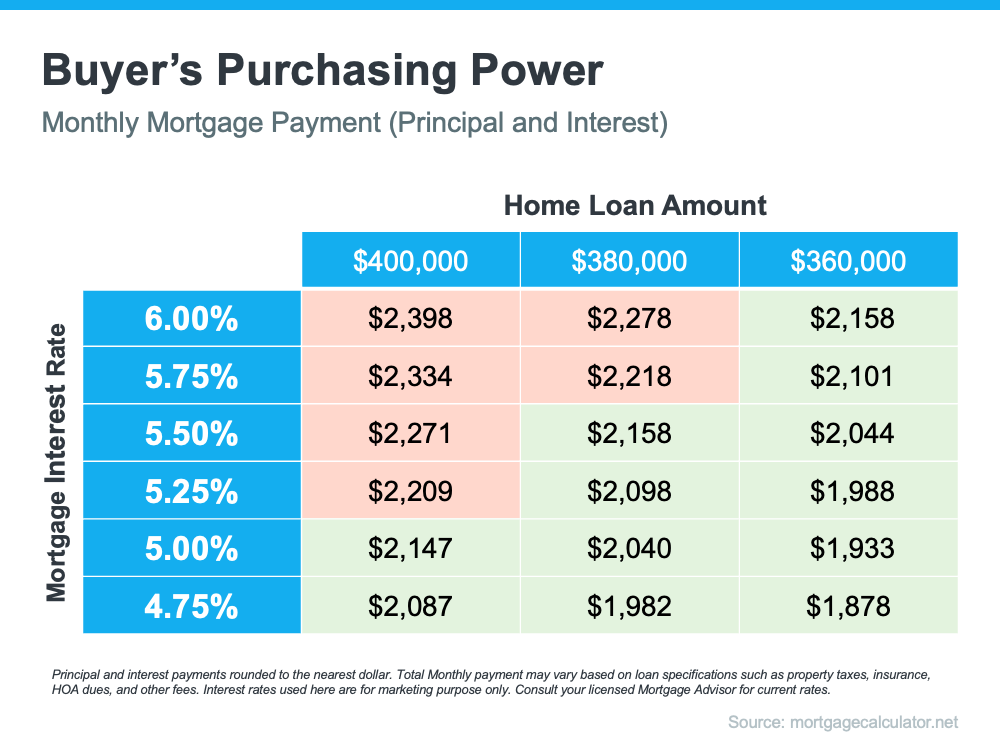
Lenders often give you the option to “buy down” your interest rate by paying discount points at closing. One point typically costs 1% of the loan amount and reduces your interest rate by a predetermined increment (often 0.25%). This is a math problem: you must determine if the monthly savings justify the upfront cost based on how long you plan to stay in the home.
Additionally, because rates change daily, a “rate lock” is essential. Once you find a rate you are comfortable with, a lock guarantees that rate for a specific period (usually 30 to 60 days) while your loan is processed. This protects you from market volatility during the underwriting phase.
Improving Your Financial Profile Before Applying
If you are not in a rush to buy, taking six months to a year to improve your financial profile can pay dividends. Focus on paying down high-interest debt to lower your DTI and ensure all bills are paid on time to boost your credit score. Even moving your score from “Good” to “Very Good” can result in a lower interest rate that saves you hundreds of dollars every month.
The Future Outlook: What to Expect in the Mortgage Market
The question of “how much is mortgage rate today” is inherently tied to expectations of “how much will it be tomorrow.” Predicting mortgage rates is notoriously difficult, but market analysts look for specific signals to forecast trends.
Predicting Rate Trends for the Coming Year
Economists closely watch the Federal Reserve’s dot plot and summary of economic projections. If the Fed signals that it has reached the peak of its tightening cycle and may begin cutting rates to support economic growth, mortgage rates are likely to follow suit. However, if the labor market remains unexpectedly tight and inflation stays “sticky,” rates may remain elevated for longer than anticipated. Borrowers should stay informed on employment reports and GDP growth figures, as these are the data points the Fed uses to make its decisions.
Long-term Investment Considerations for Homeowners
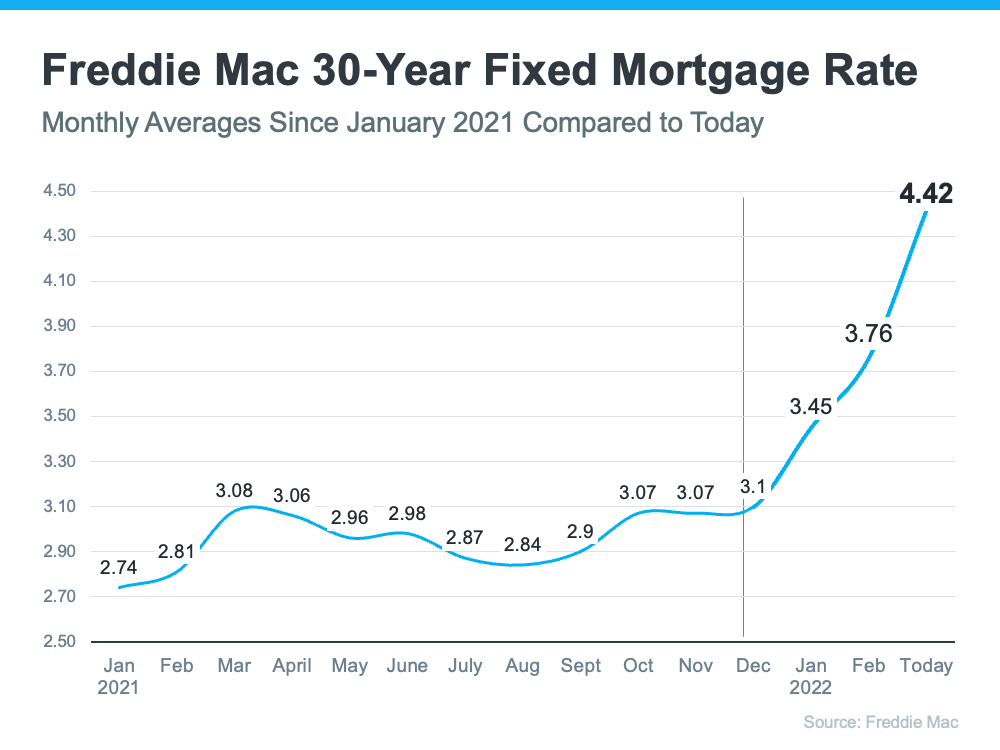
For many, the current rate environment represents a “new normal.” While the historically low rates of the early 2020s were an anomaly, the current rates are closer to long-term historical averages. Real estate remains a powerful wealth-building tool through appreciation and equity build-up, regardless of the interest rate.
Smart investors often use the strategy of “marrying the house and dating the rate.” This means buying the property you want now at the current rate and planning to refinance in the future if and when rates drop. While there is no guarantee that rates will decrease, this approach allows you to begin building equity today rather than waiting on the sidelines for a market shift that may not occur for years.
In conclusion, understanding today’s mortgage rates requires a blend of macroeconomic awareness and personal financial discipline. By monitoring the factors that drive market shifts, optimizing your credit profile, and comparing a diverse range of loan products, you can navigate the complexities of home financing with confidence. The rate you secure today is a foundational element of your financial future, and staying informed is your most powerful tool in achieving a favorable outcome.
aViewFromTheCave is a participant in the Amazon Services LLC Associates Program, an affiliate advertising program designed to provide a means for sites to earn advertising fees by advertising and linking to Amazon.com. Amazon, the Amazon logo, AmazonSupply, and the AmazonSupply logo are trademarks of Amazon.com, Inc. or its affiliates. As an Amazon Associate we earn affiliate commissions from qualifying purchases.