
Purchasing a home is likely the most significant financial commitment you will ever make. While the “sticker price” of the property often commands the most attention, the true cost of homeownership is dictated by the interest attached to your house loan. Interest is essentially the price you pay for borrowing the bank’s money over a long period. Even a minor fluctuation of 0.5% in an interest rate can translate into tens of thousands of dollars over the life of a thirty-year mortgage. Understanding how interest is calculated, what factors influence the rate you are offered, and how it impacts your long-term net worth is essential for any savvy borrower.

Understanding the Foundation of Mortgage Interest Rates
To answer the question of how much interest costs, one must first understand that interest rates are not arbitrary numbers. They are a reflection of the current economic climate, the lender’s cost of doing business, and the specific risk profile of the borrower. At its simplest level, the interest rate is the percentage of the principal loan amount charged by the lender annually. However, for a homeowner, the calculation is more nuanced because of how loans are structured.
The Critical Distinction Between Interest Rate and APR
When shopping for a house loan, you will encounter two primary figures: the base interest rate and the Annual Percentage Rate (APR). The interest rate is the cost you pay each year to borrow the money, expressed as a percentage. The APR, however, is a more comprehensive measure of the loan’s cost. It includes the interest rate plus other costs such as broker fees, mortgage insurance, and “points” (prepaid interest). Because the APR reflects the “all-in” cost of the loan, it is typically higher than the advertised interest rate. When comparing offers from different lenders, the APR is the more reliable metric for determining which loan is actually cheaper.
Fixed-Rate vs. Adjustable-Rate Mortgages (ARMs)
The type of loan structure you choose heavily dictates how much interest you will pay over time. A fixed-rate mortgage locks in an interest rate for the entire duration of the loan, whether that is 15, 20, or 30 years. This provides stability and protection against rising market rates.
Conversely, an Adjustable-Rate Mortgage (ARM) usually begins with a lower “teaser” rate for a set period (typically 5, 7, or 10 years). After this period, the rate adjusts periodically based on market indices. While ARMs can be beneficial if you plan to sell the home before the adjustment period begins, they carry the risk of significantly higher interest costs if market rates rise in the future.
Factors That Determine Your Personal Interest Rate
Lenders do not offer the same interest rate to every applicant. Instead, they use a tiered system based on risk. The lower the perceived risk that you will default on the loan, the lower the interest rate you will be offered.
The Role of Credit Scores
Your credit score is perhaps the single most influential factor in determining your interest rate. Lenders primarily use FICO scores to gauge your reliability. A borrower with a “very good” to “exceptional” score (740 to 850) will qualify for the lowest possible rates. Conversely, a borrower with a score in the 620s may be charged an interest rate that is 1.5% to 2% higher than the top-tier rate. Over a 30-year period on a $300,000 loan, this difference in credit score could cost the borrower over $100,000 in additional interest.
Loan-to-Value (LTV) Ratio and Down Payments
The amount of equity you have in the home from day one also affects your rate. The Loan-to-Value (LTV) ratio is the amount of the loan divided by the value of the property. A lower LTV—meaning a higher down payment—signals to the lender that you have more “skin in the game.” If you provide a 20% down payment, you are viewed as a lower-risk borrower than someone putting down 3.5%. Consequently, higher down payments often lead to slightly lower interest rates and the elimination of Private Mortgage Insurance (PMI), which further reduces the effective cost of the loan.
Debt-to-Income Ratio (DTI)
Lenders also look at your Debt-to-Income (DTI) ratio to ensure you aren’t overleveraged. This ratio compares your total monthly debt obligations (including the projected mortgage payment) to your gross monthly income. Most lenders prefer a DTI below 43%, though some specialized programs allow for higher. A lower DTI suggests you have the financial “breathing room” to handle interest payments even during economic downturns, which can occasionally help in securing more favorable loan terms.
Market Influences on House Loan Interest
While personal factors dictate your specific rate, the baseline for all mortgage rates is determined by the broader economy. House loan interest rates are not set by the government, but they are heavily influenced by government policy and global financial trends.
The Federal Reserve and Monetary Policy

The Federal Reserve (the “Fed”) does not directly set mortgage rates. However, the Fed sets the federal funds rate—the rate at which banks lend to each other overnight. When the Fed raises this rate to combat inflation, it becomes more expensive for banks to borrow money. To maintain their profit margins, banks pass these costs on to consumers in the form of higher mortgage interest rates. Following the Fed’s movements is a primary way for prospective homebuyers to predict whether interest costs will rise or fall in the near future.
Economic Indicators and Inflation
Inflation is the greatest enemy of fixed-income investors, including the institutions that buy mortgage-backed securities. If inflation is high, the purchasing power of the future interest payments a lender receives will be lower. To compensate for this loss of value, lenders raise interest rates. Additionally, mortgage rates tend to track the yield on the 10-year Treasury note. When investors are confident in the economy, they may move money out of bonds and into stocks, causing bond yields (and mortgage rates) to rise. In times of economic uncertainty, a “flight to safety” in bonds often causes yields and mortgage rates to drop.
Calculating the Long-Term Cost of Interest
The “how much” of house loan interest is best understood through the lens of amortization. Amortization is the process of paying off a debt over time through regular installments. In the early years of a mortgage, the vast majority of your monthly payment goes toward interest, with very little applied to the principal balance.
Amortization: How Interest is Front-Loaded
Because interest is calculated based on the remaining principal balance, your interest payments are highest at the beginning of the loan when the balance is at its peak. For example, on a $400,000 30-year fixed-rate mortgage at 6.5%, your first monthly payment would be roughly $2,528. Of that amount, approximately $2,166 goes toward interest, while only $362 goes toward the principal. It isn’t until roughly year 20 of a 30-year loan that the portion of the payment going toward the principal finally exceeds the portion going toward interest. This “front-loading” is why it takes so long to build equity in a home through monthly payments alone.
The Impact of Loan Term: 15 vs. 30 Years
The duration of the loan has a massive impact on the total interest paid. While a 30-year mortgage offers lower monthly payments, the interest cost is significantly higher because the debt is outstanding for a longer period.
Consider a $300,000 loan at 6%.
-
30-Year Term: Monthly payment is $1,798. Total interest paid over the life of the loan is approximately $347,514. You essentially pay for the house more than twice.
-
15-Year Term: Monthly payment is $2,531. Total interest paid is approximately $155,683.
By opting for a 15-year term, the borrower saves nearly $192,000 in interest. Furthermore, 15-year mortgages almost always come with lower interest rates than 30-year mortgages, amplifying these savings even further.
Strategies to Lower Your Interest Expense
Knowing the factors that drive interest costs allows you to take proactive steps to minimize them. Even small adjustments can lead to significant long-term financial gain.
Buying Down the Rate with Points
At closing, you may have the option to pay “discount points.” One point generally costs 1% of the total loan amount and typically lowers your interest rate by 0.25%. This is essentially “prepaying” interest to secure a lower rate for the duration of the loan. This strategy is highly effective if you plan to stay in the home for a long time (typically more than 7 to 10 years), as the monthly savings will eventually outweigh the upfront cost of the points.
Refinancing Opportunities
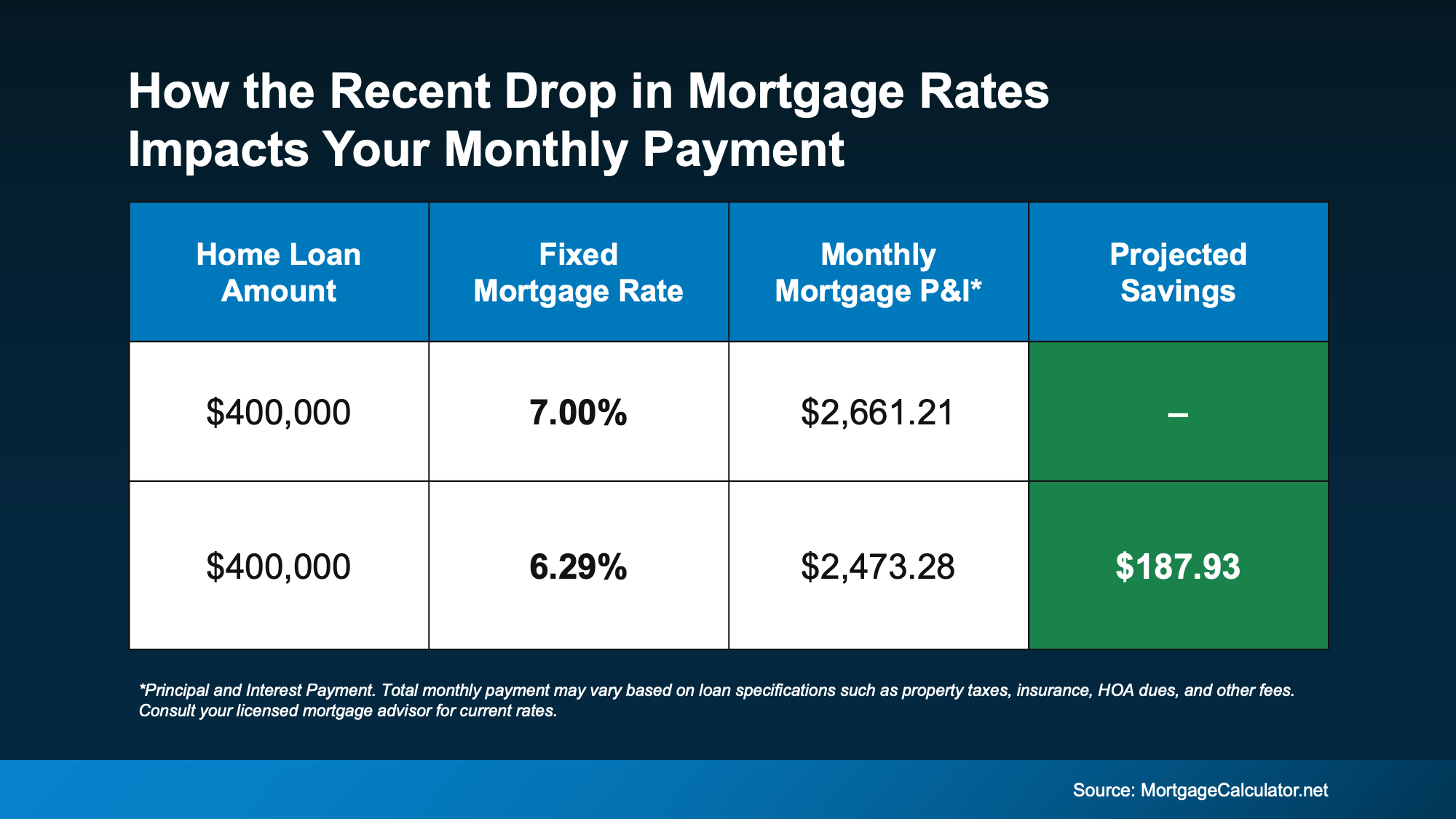
Interest rates are not static. If you purchase a home when rates are high and market conditions later improve, you can refinance your loan. Refinancing involves taking out a new loan at a lower interest rate to pay off the old one. Financial experts generally suggest considering a refinance if you can lower your rate by at least 0.75% to 1%, provided you plan to stay in the home long enough to recoup the closing costs of the new loan.
Making Extra Principal Payments
One of the most effective ways to reduce interest is to pay down the principal balance faster than the schedule requires. Because interest is calculated on the remaining balance, every extra dollar you pay toward the principal today prevents interest from accruing on that dollar for the remainder of the loan. Adding just one extra mortgage payment per year or rounding up your monthly payment can shave years off your mortgage and save tens of thousands of dollars in interest.
Ultimately, the interest on a house loan is more than just a percentage; it is a dynamic cost influenced by your personal financial health, the global economy, and the structure of your loan. By understanding these variables and managing them strategically, you can significantly reduce the cost of your home and accelerate your journey toward true financial independence.
aViewFromTheCave is a participant in the Amazon Services LLC Associates Program, an affiliate advertising program designed to provide a means for sites to earn advertising fees by advertising and linking to Amazon.com. Amazon, the Amazon logo, AmazonSupply, and the AmazonSupply logo are trademarks of Amazon.com, Inc. or its affiliates. As an Amazon Associate we earn affiliate commissions from qualifying purchases.