
Understanding the current interest rate is more than just checking a single percentage on a dashboard; it is about comprehending the heartbeat of the global economy. Interest rates serve as the price of borrowing money and the reward for saving it. When you ask “what is the interest rate today,” you are effectively asking about the cost of entry for homeownership, the potential growth of your retirement savings, and the feasibility of business expansion. In the current economic climate, interest rates have moved from the historical lows of the previous decade into a more restrictive territory, fundamentally altering the strategies individuals and businesses use to manage their capital.
Understanding the Drivers of Interest Rate Fluctuations
The interest rate environment is never static. It is a dynamic variable influenced by a sophisticated interplay of government policy, market sentiment, and global economic data. To understand why rates sit where they do today, one must look toward the institutions and indicators that govern them.
The Role of the Federal Reserve and Central Banks
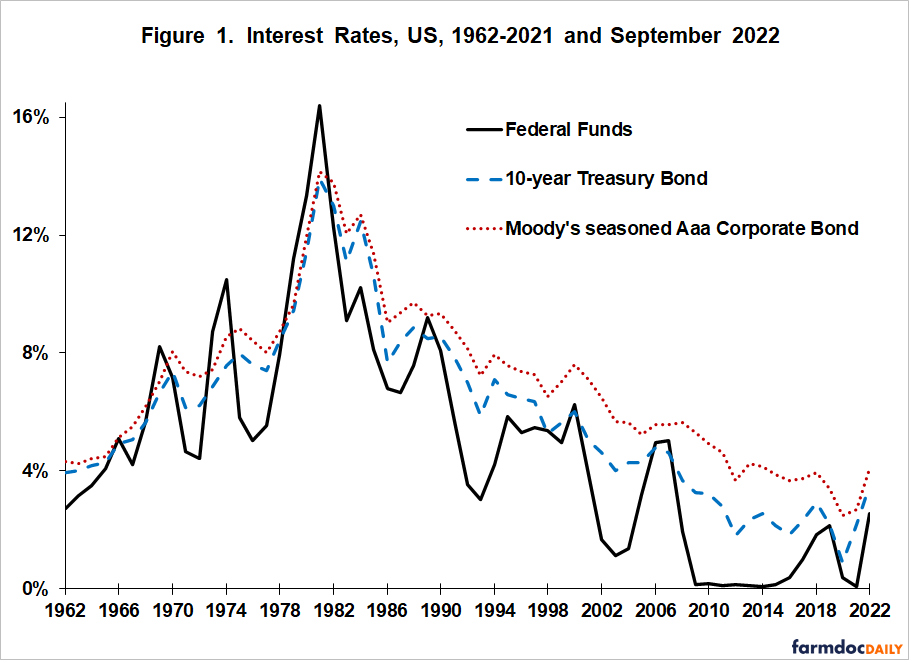
In the United States, the primary driver of interest rates is the Federal Open Market Committee (FOMC) of the Federal Reserve. The “benchmark rate” or the “federal funds rate” is the interest rate at which commercial banks borrow and lend to one another overnight. While this rate isn’t what a consumer pays on a car loan, it sets the floor for all other lending products. When the Fed raises this rate to combat inflation, the “Prime Rate”—which is the basis for most consumer debt—rises in tandem. Today’s rates are the direct result of the Fed’s mandate to balance maximum employment with price stability.
Inflation and Economic Growth Indicators
Inflation is the greatest enemy of fixed-interest returns. When the Consumer Price Index (CPI) reflects rising costs for goods and services, central banks typically increase interest rates to “cool” the economy. By making borrowing more expensive, they reduce the money supply and slow down spending. Conversely, during periods of economic stagnation or recession, rates are lowered to encourage investment. Monitoring today’s interest rate requires a constant eye on employment reports, manufacturing data, and consumer spending habits, as these are the signals that dictate the next move by central bankers.
The Global Yield Curve and Market Sentiment
Interest rates are also influenced by the bond market, specifically the yield on the 10-year Treasury note. Investors move money between stocks and bonds based on their perception of risk. If investors fear a downturn, they flock to the safety of government bonds, driving prices up and yields down. If they are optimistic, yields may rise. The “yield curve,” which plots interest rates of bonds with equal credit quality but differing maturity dates, is a critical tool for forecasting where rates are headed tomorrow based on where they are today.
How Current Rates Impact Your Personal Finances
For the average individual, the current interest rate environment dictates the monthly budget and long-term wealth accumulation. Whether you are looking to buy a house, pay down debt, or grow an emergency fund, the prevailing rate is your most significant headwind or tailwind.
Mortgages and the Real Estate Market
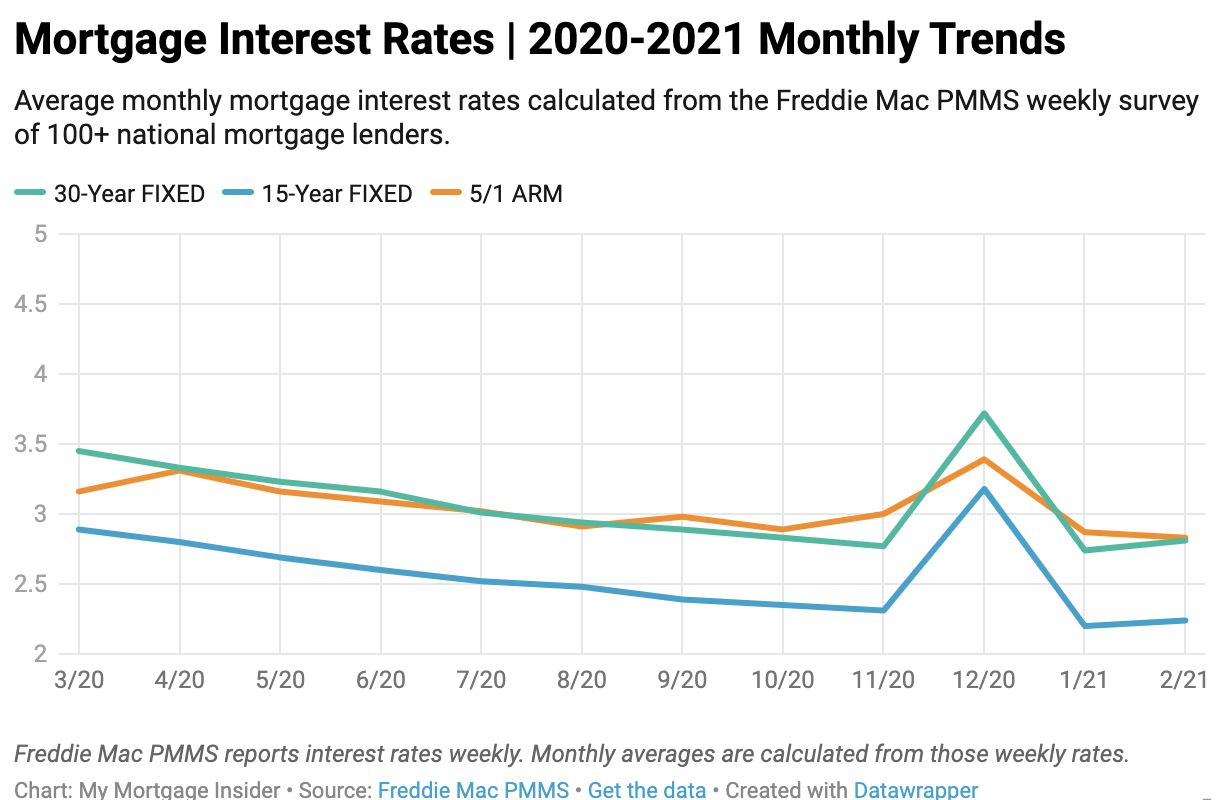
Perhaps nowhere is the interest rate more visible than in the housing market. A difference of just 1% or 2% in a 30-year fixed-rate mortgage can result in hundreds of thousands of dollars in interest over the life of the loan. Today’s higher-rate environment has led to a “lock-in effect,” where homeowners with low rates from previous years are reluctant to sell, leading to decreased inventory. For buyers, navigating today’s rates requires a focus on credit scores—as the best available rates are reserved for those with the highest scores—and potentially considering adjustable-rate mortgages (ARMs) or temporary buydowns to manage initial costs.
Credit Cards and Personal Loans
Most credit cards carry variable interest rates tied directly to the Prime Rate. As the federal funds rate rises, the Annual Percentage Yield (APR) on credit card balances increases almost immediately. This makes carrying a balance significantly more expensive than it was just a few years ago. In this environment, financial discipline becomes paramount. Utilizing balance transfer offers or consolidating high-interest debt into fixed-rate personal loans can be a strategic move to hedge against further rate hikes.
The Silver Lining: High-Yield Savings and CDs
While borrowers feel the sting of higher rates, savers are finally seeing a meaningful return on their liquidity. For years, savings accounts offered negligible interest. Today, high-yield savings accounts (HYSAs) and Certificates of Deposit (CDs) offer rates that can help protect the purchasing power of cash against inflation. “Laddering” CDs—a strategy where you invest in multiple CDs with different maturity dates—allows savers to lock in today’s higher rates while maintaining periodic access to their capital.
Strategic Investing in a High-Rate Environment
The investment landscape shifts dramatically when interest rates rise. Assets that performed well in a “zero-interest-rate policy” (ZIRP) environment often struggle when the cost of capital increases. Investors must recalibrate their portfolios to align with the current reality.

Bonds and Fixed-Income Securities
There is an inverse relationship between bond prices and interest rates: when rates go up, the market value of existing bonds goes down. However, the “yield” on new bonds becomes much more attractive. For income-focused investors, today’s interest rates offer an opportunity to lock in yields that haven’t been seen in over a decade. Treasury Inflation-Protected Securities (TIPS) and short-duration corporate bonds are currently popular tools for capturing yield while mitigating the risk of further rate volatility.
Equity Markets and Sector Performance
High interest rates generally put pressure on stock valuations, particularly in the tech and growth sectors. When it costs more for a company to borrow money to fund its growth, its future earnings are discounted more heavily. Conversely, “Value” sectors—such as banking, insurance, and energy—often perform better or remain resilient in a higher-rate environment. Banks, for instance, can see expanded net interest margins as they charge more for loans than they pay out in interest on deposits.
Real Estate Investment Trusts (REITs) and Alternative Assets
For those looking beyond traditional stocks and bonds, interest rates heavily influence alternative investments. REITs, which rely on debt to acquire property, may face higher financing costs, but they often have the ability to raise rents in an inflationary environment. Understanding the debt structure of an investment—whether it is fixed or floating—is crucial for assessing its risk today.
Business Finance and the Cost of Capital
For entrepreneurs and corporate executives, the current interest rate is a fundamental component of the “Weighted Average Cost of Capital” (WACC). This figure determines whether a project is worth pursuing or if the money would be better spent elsewhere.
Financing Operations and Expansion
When rates are low, businesses are encouraged to take on debt to fund research and development or to expand their footprint. Today, with borrowing costs elevated, many companies are shifting their focus from aggressive growth to operational efficiency. Small business loans and lines of credit are more expensive, requiring a more rigorous analysis of Return on Investment (ROI) for any new capital expenditure.
Debt Management and Refinancing for Businesses
Businesses that took on floating-rate debt during the low-rate era are now facing significantly higher interest expenses. Managing this debt often involves “hedging” through interest rate swaps or looking for opportunities to refinance into fixed-rate instruments if they anticipate rates will stay “higher for longer.” Strategic CFOs are currently prioritizing de-leveraging—paying down debt—to strengthen the balance sheet against economic uncertainty.
The Impact on Startups and Venture Capital
The venture capital (VC) world is highly sensitive to interest rates. As the “risk-free rate” (the return on government bonds) increases, the hurdle for investing in risky startups becomes higher. Today’s interest rate environment has led to a “flight to quality,” where only the most profitable and well-managed startups are receiving funding. For entrepreneurs, this means a shift in focus from “growth at all costs” to “path to profitability.”
Preparing for Future Rate Shifts: A Roadmap
While it is important to know what the interest rate is today, it is equally important to prepare for where it will be tomorrow. Financial agility is the key to surviving and thriving in a changing rate environment.
Refinancing Decisions and Timing
If you are currently holding high-interest debt, you should be monitoring the “dot plot” (the Federal Reserve’s projections for future rates). While it may not make sense to refinance a mortgage today, staying prepared with a high credit score and liquid assets will allow you to move quickly if the market shifts. For those with private student loans or car loans, shopping around for better rates remains a vital habit, even when the national average is high.
Diversification and Long-Term Wealth Building
The most effective hedge against interest rate volatility is a diversified portfolio. By spreading assets across stocks, bonds, real estate, and cash equivalents, you ensure that a move in interest rates that hurts one part of your portfolio might benefit another. For example, while your bond prices might dip, your high-yield savings and certain stock sectors may see gains.
Maintaining an Emergency Fund
In a high-rate environment, the “opportunity cost” of holding cash is lower because that cash can actually earn interest. Maintaining a robust emergency fund in a liquid, high-interest account provides a safety net that prevents you from having to take on high-interest credit card debt if an unexpected expense arises. In today’s economy, cash is no longer “trash”; it is a strategic asset that provides both security and a modest return.
In summary, the question of “what is the current interest rate today” is the starting point for a deep dive into your financial health. By understanding the macro-economic forces at play, the impact on your personal liabilities and assets, and the strategic shifts necessary in your investment and business ventures, you can turn a challenging interest rate environment into a period of disciplined growth and stability. Navigating these waters requires constant vigilance, but for those who understand the mechanics of money, high interest rates are simply another variable to be managed in the pursuit of long-term financial success.
aViewFromTheCave is a participant in the Amazon Services LLC Associates Program, an affiliate advertising program designed to provide a means for sites to earn advertising fees by advertising and linking to Amazon.com. Amazon, the Amazon logo, AmazonSupply, and the AmazonSupply logo are trademarks of Amazon.com, Inc. or its affiliates. As an Amazon Associate we earn affiliate commissions from qualifying purchases.