
The question of how much mortgage rates are today is more than just a search for a single percentage point. It is a query into the heart of the global economy, the health of the housing market, and the personal financial trajectory of millions of prospective homeowners. In the current economic climate, mortgage rates have become a central topic of discussion for investors, first-time buyers, and those looking to tap into their home equity. Understanding where rates stand today requires a deep dive into the macroeconomic forces that move them, the personal financial metrics that influence your specific quote, and the strategies available to navigate a volatile lending landscape.
The Global and Domestic Factors Driving Mortgage Volatility
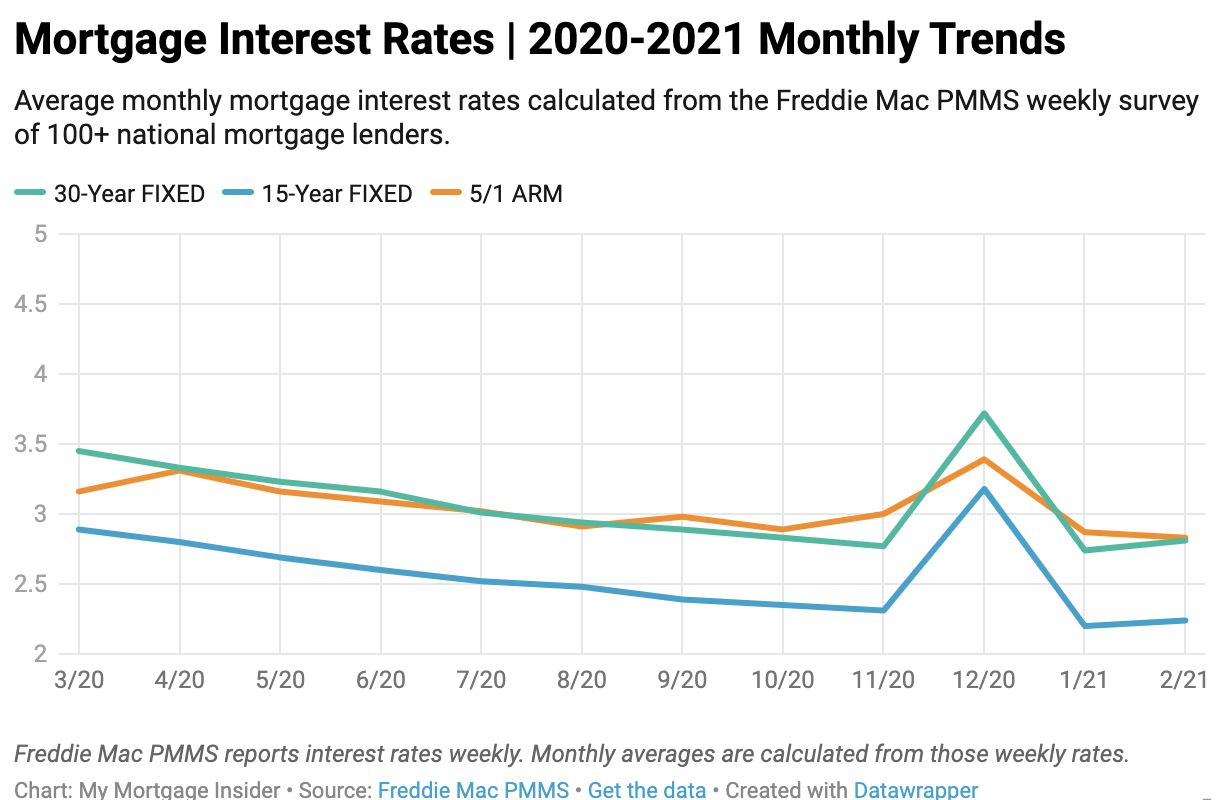
To understand why mortgage rates fluctuate daily, one must look beyond the local bank branch. Mortgage rates are not set by a single entity; rather, they are the result of a complex interplay between government policy, investor sentiment, and inflationary pressures.
The Role of the Federal Reserve and Inflation
While the Federal Reserve does not directly set mortgage rates, its influence is profound. The Fed controls the federal funds rate—the interest rate at which commercial banks borrow and lend to each other overnight. When the Fed raises rates to combat inflation, the cost of borrowing increases across the economy. Mortgages, being long-term debt instruments, are highly sensitive to inflation expectations. Inflation erodes the purchasing power of the future interest payments that lenders receive. Consequently, when inflation is high or expected to rise, lenders demand higher interest rates to compensate for that loss of value.
The 10-Year Treasury Yield Connection
Mortgage rates are most closely tethered to the yield on the 10-year U.S. Treasury note. Investors often view mortgage-backed securities (MBS) and Treasury bonds as competing investment options. When the yield on the 10-year Treasury rises, mortgage rates typically follow suit to remain attractive to investors. The “spread” between the 10-year Treasury yield and the 30-year fixed mortgage rate is a critical metric for economists. Historically, this spread sits around 1.7 to 2 percentage points, but in times of economic uncertainty or market volatility, the spread can widen significantly, leading to higher mortgage rates even if Treasury yields remain relatively stable.
Decoding Your Quote: Why Rates Differ from Person to Person
When you see a “headline rate” advertised online, it often represents a “perfect” borrower profile. In reality, the rate you are offered is a highly personalized figure based on the level of risk you represent to the lender.
Credit Score: The Primary Lever of Interest
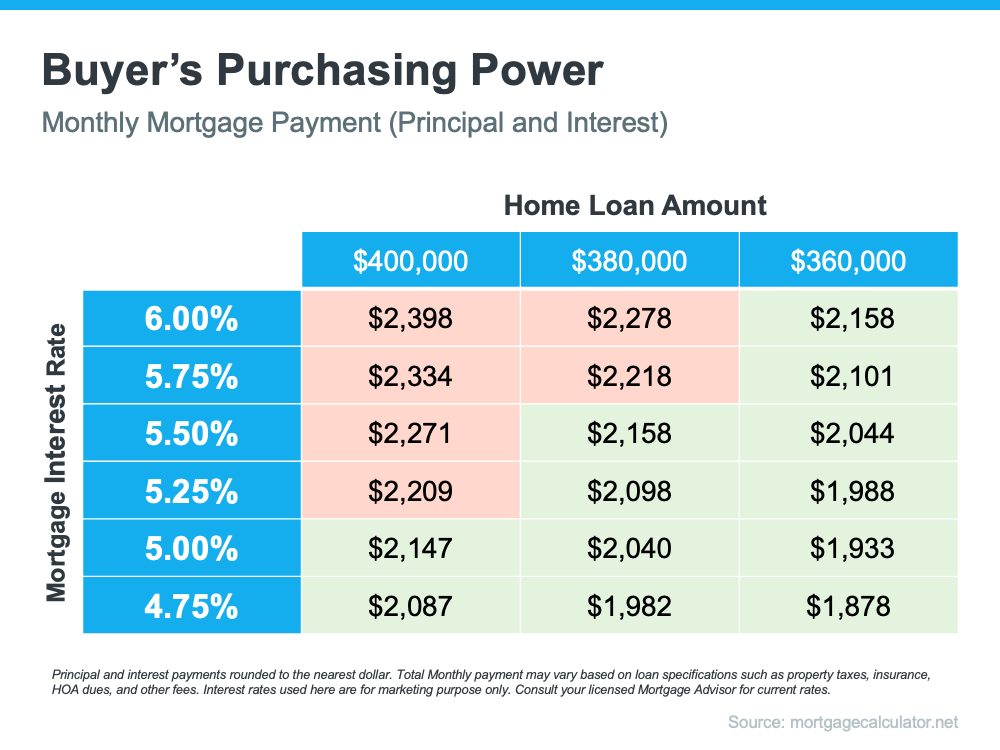
Your credit score is perhaps the single most influential factor in determining your mortgage rate. Lenders use tiered pricing based on FICO scores. For example, a borrower with a score above 760 will typically qualify for the lowest possible rates, while someone with a score in the mid-600s might see a rate that is a full percentage point higher. Over the life of a 30-year loan, even a 0.5% difference in interest can result in tens of thousands of dollars in extra payments. Maintaining a clean credit history and low credit utilization is essential for those seeking to secure the best rates available today.
Loan-to-Value (LTV) and Down Payments
The amount of equity you put into the home upfront significantly impacts the lender’s risk. A higher down payment results in a lower Loan-to-Value ratio. Lenders generally offer better rates to those who can provide a 20% down payment, as it provides a substantial cushion against a potential drop in home prices. If you put down less than 20%, you are often hit with a “double whammy”: a higher interest rate and the added cost of Private Mortgage Insurance (PMI), which protects the lender in the event of a default.
Debt-to-Income Ratio and Employment Stability
Lenders assess your ability to repay the loan by looking at your Debt-to-Income (DTI) ratio. This is the percentage of your gross monthly income that goes toward paying debts. While a high DTI might not always result in a higher interest rate, it can disqualify you from certain loan products or lead to more stringent underwriting requirements. Consistent employment history and a stable income stream provide lenders with the confidence needed to offer competitive terms.
Navigating Loan Types in a High-Rate Environment
The type of mortgage you choose can have a dramatic effect on the interest rate you pay and your long-term financial flexibility. Different products serve different financial goals, especially when rates are higher than the historical lows of the previous decade.
30-Year vs. 15-Year Fixed-Rate Mortgages
The 30-year fixed-rate mortgage remains the gold standard for American homebuyers because of its stability and lower monthly payments. However, the interest rate on a 30-year loan is almost always higher than that of a 15-year loan. For borrowers who can afford the higher monthly payments associated with a shorter term, the 15-year fixed mortgage offers a significantly lower interest rate and the ability to build equity twice as fast. In today’s market, the gap between these two products can be substantial, making the 15-year option an attractive choice for those focused on long-term wealth building.
Adjustable-Rate Mortgages (ARMs): A Strategic Choice?
Adjustable-Rate Mortgages (ARMs) often feature a lower “teaser” rate for an initial period—typically five, seven, or ten years. After this period, the rate adjusts periodically based on market indices. In a high-rate environment, ARMs can be a strategic tool for buyers who plan to sell the home or refinance before the initial period ends. However, they carry the inherent risk that rates could be significantly higher when the adjustment period arrives. Borrowers must carefully weigh the immediate savings against the potential for future payment shocks.
Government-Backed Loans: FHA, VA, and USDA
For those who may not qualify for conventional financing, government-backed loans offer an alternative path to homeownership. FHA loans, backed by the Federal Housing Administration, allow for lower credit scores and smaller down payments. VA loans, available to veterans and service members, often offer some of the most competitive rates in the market with no down payment required. USDA loans target rural homebuyers and offer unique benefits. While these loans may have different fee structures, their interest rates are often competitive with, or lower than, conventional rates.
Tactical Approaches to Lowering Your Monthly Payment
Given that mortgage rates are currently higher than many buyers would prefer, many are looking for tactical ways to reduce their borrowing costs. There are several professional strategies used by savvy investors and homebuyers to mitigate high rates.
Buying Down the Rate with Mortgage Points
One of the most common ways to lower an interest rate is through the purchase of discount points. One point typically costs 1% of the total loan amount and reduces the interest rate by a predetermined amount (often 0.25%). This is essentially “prepaid interest.” Whether this makes sense for you depends on your “break-even point”—the time it takes for the monthly savings to exceed the upfront cost of the points. If you plan to stay in the home for a decade or more, buying down the rate can be a highly effective financial move.
The Importance of Shopping Multiple Lenders
Many borrowers make the mistake of only getting a quote from their current bank. However, mortgage rates can vary significantly between retail banks, credit unions, and online mortgage brokers. Research has shown that borrowers who get at least three to five quotes can save thousands of dollars over the life of their loan. Each lender has different overhead costs and risk appetites, which allows for price competition that benefits the consumer.
Locking Your Rate
Because mortgage rates can change multiple times in a single day, “locking” your rate is a critical step in the mortgage process. Once you find a rate you are comfortable with, a rate lock guarantees that interest rate for a specific period (usually 30, 45, or 60 days) while your loan is being processed. In a volatile market, failing to lock a rate can lead to a higher monthly payment if market conditions shift before the loan closes.
The Long-Term Perspective: Inventory, Demand, and Refinancing
When analyzing how much mortgage rates are today, it is essential to consider the broader context of the real estate market. Rates do not exist in a vacuum; they interact with housing inventory and buyer demand to shape the economy.
The “Lock-In Effect” and Housing Supply
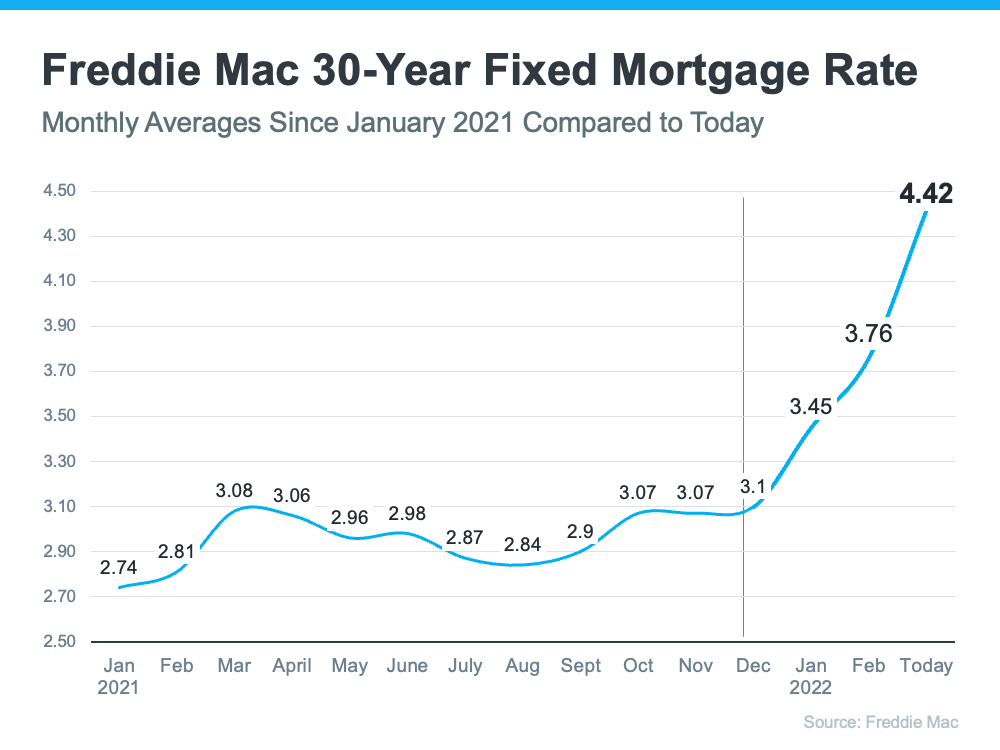
High mortgage rates have created a phenomenon known as the “lock-in effect.” Homeowners who secured sub-3% rates during the pandemic are hesitant to sell their homes and trade up to a new property with a 6% or 7% mortgage. This has led to a significant decrease in housing inventory, which keeps home prices elevated even as borrowing costs rise. For buyers today, this means facing the dual challenge of higher rates and a lack of available homes.
The Refinance Strategy: “Marry the House, Date the Rate”
A common mantra in the current real estate market is “marry the house, date the rate.” This philosophy suggests that if you find a home you love, you should purchase it now despite the high rates, with the intention of refinancing later when rates eventually drop. While this can be a viable strategy, it is not without risk. There is no guarantee that rates will fall significantly in the near future, and refinancing requires a certain amount of equity and another round of closing costs. It is a calculated gamble that requires a solid financial foundation.
In conclusion, understanding how much mortgage rates are today is the first step in a complex financial journey. While the headline figures provide a general sense of the market, your personal financial health, the type of loan you choose, and your ability to shop around will ultimately determine the price you pay for homeownership. By staying informed on macroeconomic trends and utilizing professional borrowing strategies, you can navigate the current high-rate environment and make a decision that aligns with your long-term financial goals. Whether you are looking to buy now or waiting for a shift in the market, the key is to remain prepared, stay credit-conscious, and understand the levers that move the needle on your mortgage quote.
aViewFromTheCave is a participant in the Amazon Services LLC Associates Program, an affiliate advertising program designed to provide a means for sites to earn advertising fees by advertising and linking to Amazon.com. Amazon, the Amazon logo, AmazonSupply, and the AmazonSupply logo are trademarks of Amazon.com, Inc. or its affiliates. As an Amazon Associate we earn affiliate commissions from qualifying purchases.