
The landscape of digital audio has undergone a radical transformation over the last two decades, evolving from terrestrial FM/AM broadcasts to a sophisticated ecosystem of satellite-delivered and IP-based streaming content. At the forefront of this evolution is SiriusXM, a service that has redefined how we consume music, talk, news, and sports. For many users, the question of “what stations are on Sirius Radio” is not just about a list of numbers; it is about understanding a complex technological platform that offers hundreds of curated experiences across multiple delivery methods.
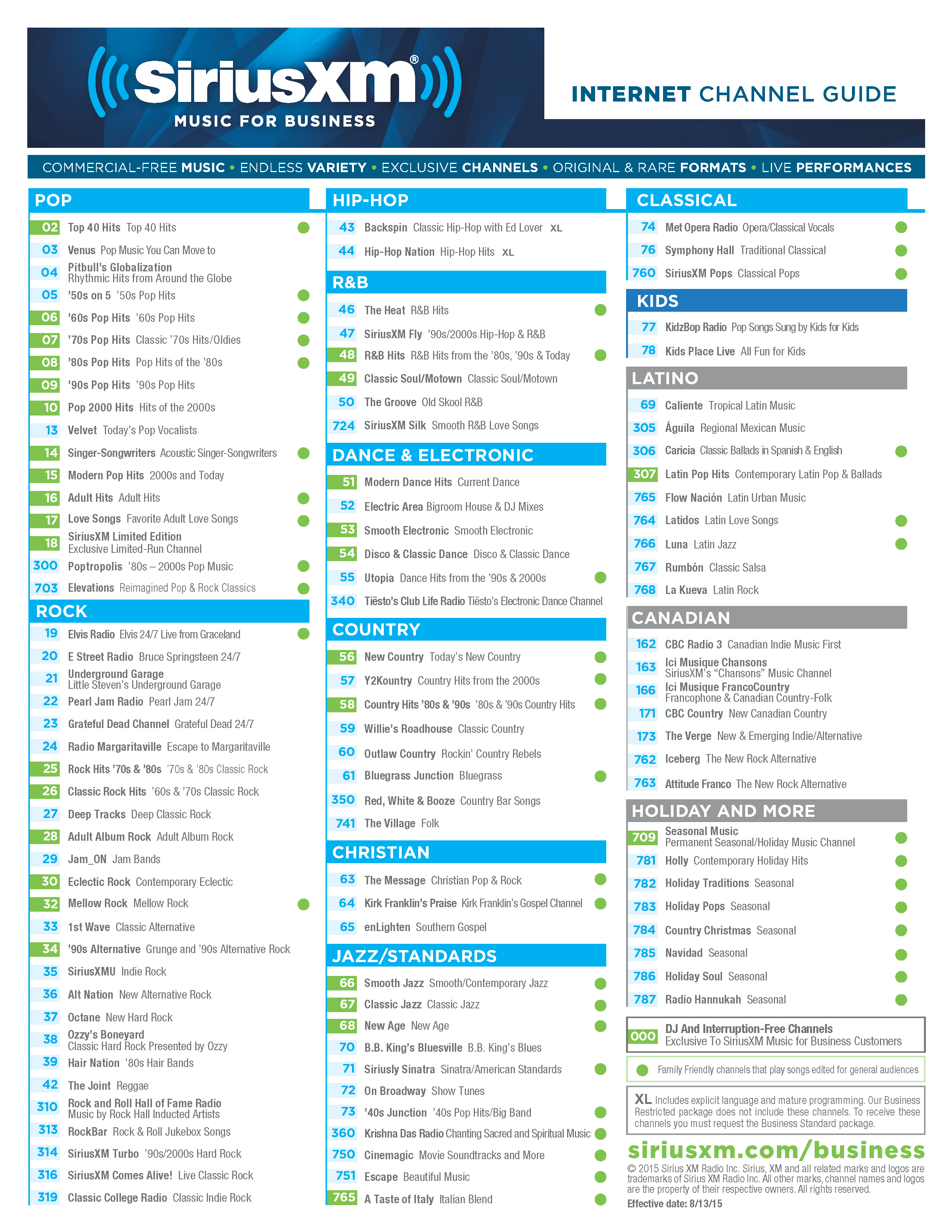
SiriusXM operates as a hybrid tech giant, utilizing a constellation of satellites to provide coverage across North America while simultaneously leveraging high-bandwidth internet protocols for its mobile and web applications. This dual-delivery system ensures that whether you are driving through a remote mountain pass or sitting in a high-tech office, you have access to a massive library of over 400 channels.
The Evolution of Digital Audio: Understanding the SiriusXM Ecosystem
To understand what stations are available, one must first understand the infrastructure that delivers them. SiriusXM is the result of a high-stakes merger between two former rivals, Sirius Satellite Radio and XM Satellite Radio. This merger consolidated their technological assets, creating a robust network that utilizes both the X and S bands of the electromagnetic spectrum.
Satellite vs. Internet Streaming Technology
The station lineup on a Sirius Radio device often differs slightly from the lineup available via the mobile app or web player. This is due to the inherent bandwidth limitations of satellite broadcasting versus the virtually unlimited capacity of the internet.
On a traditional satellite receiver—the hardware found in most modern vehicles—the channel lineup typically includes around 150 to 160 core stations. These are the “prime” stations, ranging from Top 40 music to live play-by-play sports. However, for users accessing the service through the SiriusXM app or “360L” connected car systems, the number of stations expands to over 425. These additional “Xtra” channels are delivered via IP (Internet Protocol), allowing for niche genres and personalized discovery that satellite bandwidth cannot support on its own.
The Hardware: From Integrated Car Receivers to Portable Devices
The variety of stations you can access is also dependent on the age and model of your hardware. Legacy XM and Sirius radios use different chipsets, which historically dictated which channel numbers corresponded to which stations. Modern “SiriusXM” branded receivers have unified most of this, but high-definition (HD) audio and 24/7 video content are reserved for the latest generation of internet-connected hardware. For tech-savvy consumers, the shift toward the 360L platform represents the pinnacle of this technology, blending satellite reliability with the deep customization of a digital streaming interface.
Navigating the Spectrum: Key Programming Categories on Sirius Radio
SiriusXM organizes its vast array of stations into logical categories, making it easier for users to navigate the interface. Whether you are using a dial-and-button interface in a vehicle or a touch-screen interface on a smartphone, the stations are generally grouped by genre and content type.
Exclusive Music Channels and Artist-Branded Stations
Music remains the cornerstone of the SiriusXM experience. Unlike terrestrial radio, the majority of these stations are commercial-free, a feat made possible by the subscription-based business model.
One of the most significant technological and branding trends within the platform is the “Artist-Dedicated Channel.” High-profile artists have their own 24/7 stations that feature not only their discography but also live performances, interviews, and hand-picked tracks from their personal collections. Notable examples include:
-
The Beatles Channel (Channel 18): A deep dive into the Fab Four’s history.
-
E Street Radio (Channel 20): Dedicated to Bruce Springsteen.
-
No Shoes Radio (Channel 57): Kenny Chesney’s curated lifestyle station.
-
U2X Radio (Channel 32): A platform for U2’s extensive library.
Beyond artist-specific content, the music stations are broken down by decade (e.g., ’80s on 8, ’90s on 9) and genre-specific sub-categories like Lithium (Grunge/90s Alt), Octane (Hard Rock), and BPM (Electronic Dance Music).
Live Sports and Real-Time Data Integration
For sports enthusiasts, SiriusXM is a critical piece of technology because of its ability to deliver live, low-latency play-by-play coverage. The platform holds broadcasting rights for every major professional sports league in the United States.
-
NFL Radio (Channel 88): Year-round coverage and live games.
-
MLB Network Radio (Channel 89): Analytical talk and live play-by-play.
-
SiriusXM NBA Radio (Channel 86): Exclusive interviews and game broadcasts.

The technology behind these stations allows for “Game Alerts,” where the receiver can notify the listener if a specific team is playing or if a game is in a critical state (like a “no-hitter” in progress), showcasing the smart integration between metadata and audio streams.
Talk, News, and Original Podcast Content
The talk radio sector is dominated by “Howard 100” and “Howard 101,” the exclusive home of Howard Stern. These stations utilize proprietary broadcasting tech to deliver high-quality audio and, more recently, integrated video highlights via the app. In addition to entertainment, the news category features simulcasts of major networks like CNN, FOX News, MSNBC, and CNBC, allowing users to stay informed while commuting without the need for a video screen.
How to Find Specific Stations: Using the Digital Interface and App
As the number of stations has grown, the technology required to navigate them has become more sophisticated. Finding “what stations are on Sirius Radio” is no longer a matter of memorizing channel numbers; it is about utilizing AI-driven search and discovery tools.
Personalized Recommendations and AI-Driven Curation
With the acquisition of Pandora, SiriusXM integrated advanced recommendation algorithms into its streaming app. The “For You” section uses machine learning to analyze your listening habits and suggest stations. If you frequently listen to “The Highway” (Country), the system might suggest “No Shoes Radio” or “Bluegrass Junction.” This algorithmic curation is a significant tech advantage, helping users find hidden gems among the 400+ available channels.
High-Fidelity Audio and “Xtra” Digital Channels
For audiophiles, the streaming app offers a “Maximum Audio Quality” setting that utilizes higher bitrates than the compressed satellite signal. This is where you find the “Xtra” channels—hyper-niche stations such as “Chillhop,” “90s on 9 Party,” or “Classic Rock Workout.” These stations exist purely in the digital cloud, bypassing the physical limitations of orbital satellite transponders.
Integration and Connectivity: Sirius Radio in the Modern Smart Home
The utility of SiriusXM stations extends far beyond the dashboard of a car. The modern tech landscape requires cross-platform compatibility, and SiriusXM has expanded its reach through significant IoT (Internet of Things) integration.
Connected Car Systems and Apple CarPlay/Android Auto
Most new vehicles come equipped with “connected” head units. Even if a vehicle does not have a dedicated satellite antenna, the SiriusXM app integrates seamlessly with Apple CarPlay and Android Auto. This allows users to access the full suite of 400+ stations using their phone’s data connection, displayed directly on the car’s infotainment screen. This “app-in-dash” technology ensures that the full breadth of stations is available regardless of satellite line-of-sight.
Smart Speakers and IoT Integration
The SiriusXM ecosystem is deeply integrated into the smart home. By using voice commands with Amazon Alexa, Google Assistant, or Apple Siri, users can launch specific stations instantly. For example, saying “Alexa, play ’70s on 7 on SiriusXM” triggers an API call that authenticates the user’s subscription and begins the stream. This level of connectivity has transformed SiriusXM from a “radio service” into a ubiquitous digital audio provider.

The Future of Satellite Radio: Beyond Traditional Broadcasting
As we look toward the future, the definition of “what stations are on Sirius Radio” will continue to expand. The company is currently investing in its “360L” platform, which is a hybrid tech solution designed to merge satellite and streaming into a single, seamless user interface.
The 360L system uses the satellite signal for the most popular stations (to save data and ensure reliability) while using a built-in 4G/5G modem to pull in the Xtra channels and “On Demand” content. This hybrid approach represents the future of the medium: a world where the hardware intelligently decides the most efficient way to deliver a station to the listener.
Furthermore, the integration of personalized “Artist Stations”—where a user can give a “thumbs up” or “thumbs down” to tracks, much like Pandora—is being rolled out across more channels. This turns a static broadcast station into a dynamic, interactive experience.
In conclusion, the stations on Sirius Radio represent a massive technological achievement in content curation and distribution. From the vacuum of space to the silicon chips in our smartphones, the journey of a single audio signal is a testament to how far digital broadcasting has come. Whether you are looking for the latest pop hits, deep-dive political analysis, or live sports, the SiriusXM platform provides a high-tech gateway to a world of sound that is constantly evolving, expanding, and adapting to the needs of the modern digital consumer.
aViewFromTheCave is a participant in the Amazon Services LLC Associates Program, an affiliate advertising program designed to provide a means for sites to earn advertising fees by advertising and linking to Amazon.com. Amazon, the Amazon logo, AmazonSupply, and the AmazonSupply logo are trademarks of Amazon.com, Inc. or its affiliates. As an Amazon Associate we earn affiliate commissions from qualifying purchases.