
In an increasingly digital world, where every interaction, creation, and transaction leaves a digital footprint, understanding the underlying architecture of information becomes paramount. At the heart of this architecture lies a concept often overlooked yet fundamentally critical: metadata. Simply put, a metadata file, or more broadly, metadata itself, is “data about data.” It’s the descriptive information that provides context and clarity to other data, making it discoverable, manageable, and ultimately, useful. Without metadata, our vast digital libraries would be chaotic, unsearchable labyrinths of information, rendering much of it inaccessible and meaningless. From the photos we snap on our phones to the intricate financial reports that drive global economies, metadata is the invisible fabric that binds, organizes, and enriches our digital existence.
This article will delve into the essence of metadata files, exploring their various forms, functions, and the profound impact they have across technology, brand management, and financial operations. By understanding metadata, we unlock a deeper appreciation for the precision and power behind our digital tools and strategies.
The Invisible Fabric of Digital Information
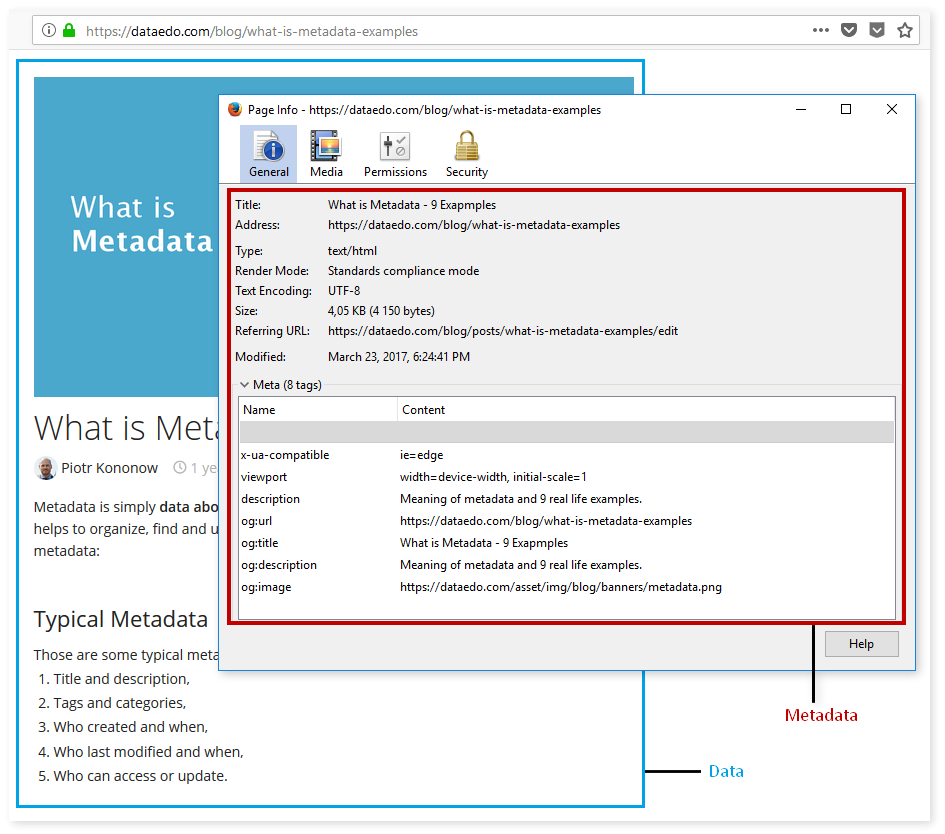
To truly grasp what a metadata file is, one must first understand the fundamental concept of “data about data.” Imagine a traditional library: the books are the “data.” The card catalog, with entries detailing author, title, publication date, genre, and location, is the “metadata.” This catalog doesn’t contain the content of the books, but it provides all the necessary information to find, categorize, and understand them. In the digital realm, metadata serves the identical purpose, but on a scale and with a complexity that spans every digital artifact.
Beyond the Data Itself: Understanding Core Concepts
Metadata isn’t a monolithic entity; it exists in several distinct categories, each serving a unique purpose:
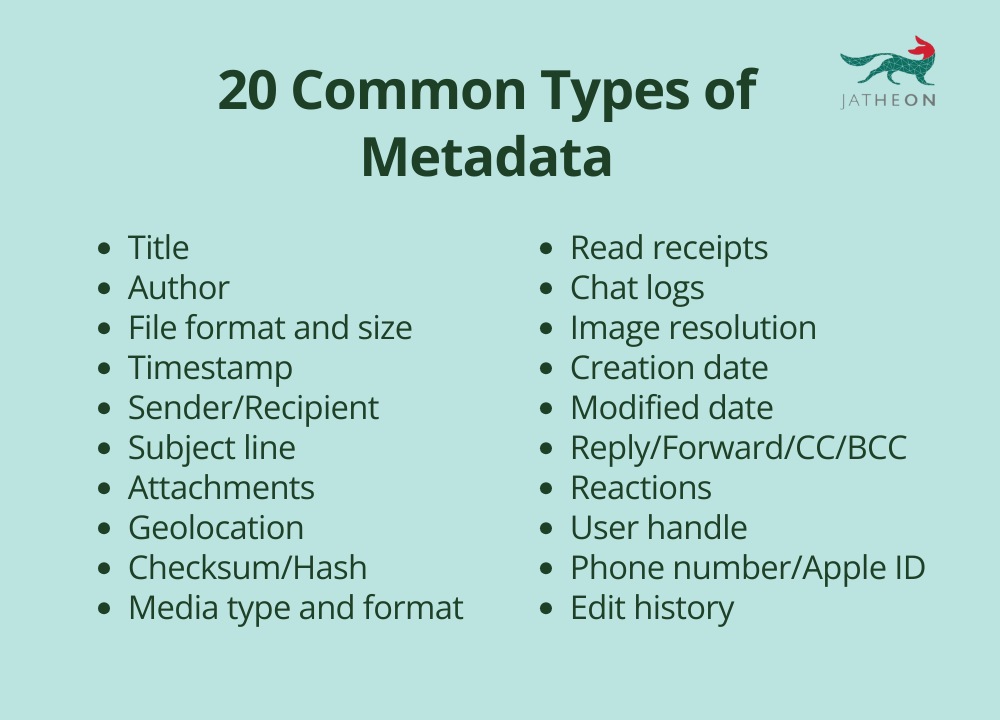
- Descriptive Metadata: This type of metadata describes an information resource for purposes of discovery and identification. It includes elements such as title, author, subject, keywords, publisher, and date created. For example, in an image file, descriptive metadata might include the photographer’s name, the date taken, and a short caption. In a document, it could be the document title, author, and creation date. This is the primary kind of metadata that helps users find what they’re looking for.
- Structural Metadata: Structural metadata provides information about the relationships within a digital object or a collection of digital objects. It describes how components of a digital object are organized and navigate, such as how pages are ordered to form chapters in a book, or how a video is divided into scenes. It tells us how the pieces fit together. For instance, in an e-book, structural metadata might define the sequence of pages, chapters, and sections.
- Administrative Metadata: This category facilitates the management and preservation of information resources. It typically includes technical information (file type, compression schema, resolution), preservation metadata (archiving dates, migration history, audit trails), and rights and intellectual property metadata (copyright information, access restrictions, licensing terms). For a software application, administrative metadata might detail the version number, operating system compatibility, and developer. It’s crucial for ensuring data remains accessible and usable over time.
Why Metadata Matters: The Power of Context
The significance of metadata lies in its ability to provide context. Without context, raw data is often meaningless. A string of numbers, for instance, could be a phone number, a date, or a financial figure. Metadata tells us which it is. This context is what transforms raw data into actionable information, enabling a multitude of essential functions in our digital landscape:
- Organization and Classification: Metadata allows for systematic categorization of vast quantities of digital content, making large datasets manageable. This is critical for everything from personal photo albums to enterprise-level digital asset management systems.
- Search and Discovery: Effective search engines, whether within an application, on a website, or across the internet, rely heavily on metadata. When you search for an “iPhone review,” the metadata associated with articles, videos, and product pages helps the search engine deliver relevant results quickly.
- Interoperability: Metadata standards allow different systems and applications to understand and exchange information consistently. This is vital for collaborative workflows and data sharing across diverse platforms.
- Preservation and Archiving: For long-term storage, metadata ensures that digital objects remain understandable and usable decades into the future, even as technologies evolve. It provides the necessary historical and technical data for migration and emulation strategies.
Diverse Forms and Functions: A Look at Metadata Types
Metadata is not a one-size-fits-all solution; its form and function often depend on the type of data it describes and the industry it serves. Different file formats and content types have evolved their own specific metadata standards and implementations, allowing for specialized descriptions and functionalities.
Common Metadata Standards Across Media
The digital world has adopted various standardized formats to embed metadata within different types of files:
- EXIF (Exchangeable Image File Format): Predominant in digital photography, EXIF metadata is embedded directly into JPEG and TIFF image files by digital cameras and smartphones. It captures a wealth of technical details about the photo itself, such as the camera model, date and time of capture, exposure settings (shutter speed, aperture, ISO), focal length, and often GPS coordinates indicating where the photo was taken. This is invaluable for photographers for post-processing and organization, and for users seeking contextual information about an image.
- ID3 Tags: Widely used for audio files, particularly MP3s, ID3 tags store descriptive information about the audio content. This includes the song title, artist, album, genre, year of release, track number, and even album art. Music players and streaming services rely on ID3 tags to display relevant information to listeners and to organize vast music libraries.
- XMP (Extensible Metadata Platform): Developed by Adobe, XMP is a flexible metadata standard that can be embedded in various file types, including images (JPEG, TIFF), video (MPEG), audio (MP3), and PDF documents. XMP is highly versatile, allowing for custom metadata schemas and extensive descriptive data. It’s especially powerful in professional creative workflows, where it ensures consistency across different Adobe applications and facilitates digital asset management.
- Dublin Core: A widely adopted, generic metadata standard, Dublin Core provides a simple yet effective set of 15 core elements (e.g., Title, Creator, Date, Subject, Description) for describing a broad range of digital and physical resources. It’s particularly popular in web resources, libraries, and educational institutions for its simplicity and interoperability, enabling basic resource discovery across disparate systems.
- IPTC (International Press Telecommunications Council) Metadata: Primarily used by news organizations and photo agencies, IPTC metadata provides a comprehensive set of fields for describing news images. This includes details like caption, keywords, location, city, country, photographer’s name, copyright, and usage rights. It is crucial for indexing, searching, and managing large collections of journalistic photography.
Where Metadata Resides: From Files to Databases
Metadata isn’t just an abstract concept; it’s physically stored and accessed. While some metadata is embedded directly within a file, others exist alongside files in separate repositories or databases:
- Embedded Metadata: As seen with EXIF, ID3, and XMP, this metadata is an integral part of the file itself. When the file is moved or copied, its metadata travels with it. This method ensures that the data’s context is never separated from its content.
- Sidecar Files: Some applications or systems choose to store metadata in separate “sidecar” files (e.g., .xmp files) that reside in the same directory as the primary data file. This approach keeps the original data file untouched while allowing for extensive and modifiable metadata.
- Database-Driven Metadata: For large collections of digital assets, especially in professional environments like Digital Asset Management (DAM) systems, metadata is often stored in a centralized database, linked to the actual data files. This allows for powerful searching, filtering, and management capabilities across vast archives. Websites, for instance, rely on databases to store metadata about articles, products, and users, powering their search and content delivery systems.
Connect to Tech: The ability of various apps and software to leverage these diverse metadata formats is what drives their functionality and enhances the user experience. Image editing software reads EXIF for camera settings; music players interpret ID3 tags; content management systems use Dublin Core and custom metadata to organize web pages; and enterprise software relies on robust database-driven metadata for document management and workflow automation. This intricate interplay of data and its descriptive counterparts is a cornerstone of modern technological infrastructure.
Metadata’s Strategic Role Across Tech, Brand, and Money
The true power of metadata emerges when we examine its strategic applications. Far from being a mere technical detail, metadata is a critical enabler of innovation, a protector of identity, and a driver of financial efficiency across diverse sectors. Its strategic importance touches upon the very core topics of technology, brand management, and finance, which define much of our digital economy.
Empowering Technology and Productivity
In the realm of technology, metadata is the unsung hero that facilitates everything from everyday computing tasks to groundbreaking advancements in artificial intelligence.
- Digital Asset Management (DAM) Systems: At the enterprise level, DAM systems heavily rely on rich metadata to organize, retrieve, and distribute vast libraries of digital assets (images, videos, documents, logos). This ensures that marketing teams can quickly find the correct version of a brand asset, legal teams can track document revisions, and content creators can locate source material efficiently, significantly boosting productivity.
- AI and Machine Learning Training: The effectiveness of AI tools and machine learning models is directly proportional to the quality and quantity of the data they are trained on. Metadata plays a crucial role here by providing structured labels and context to raw data. For instance, in training an image recognition AI, metadata might label images with “cat,” “dog,” “tree,” allowing the AI to learn patterns. Without accurate metadata, the AI would struggle to make sense of the visual information. This also extends to natural language processing (NLP) models, where textual metadata provides essential context for understanding language nuances.
- Search Engines and Data Discovery: Every successful search engine, from Google to an internal enterprise search tool, is fundamentally a metadata engine. When you search, you’re often querying metadata (keywords, titles, descriptions) rather than the full content of every file. The better the metadata associated with digital assets (web pages, documents, software), the more relevant and precise the search results, directly impacting user productivity and information access.
- Cybersecurity and Forensics: Metadata can be a critical asset in digital security and forensic investigations. Log files, which are essentially administrative metadata, track user activity, system events, and network traffic. This metadata allows security analysts to detect anomalies, trace the origin of cyberattacks, and reconstruct events after a breach. In legal contexts, metadata embedded in documents can prove authorship, creation dates, and modification history, serving as crucial evidence.
- Software Development and Version Control: In software engineering, metadata about code commits (author, date, changes made, associated task) is vital for version control systems like Git. This administrative metadata allows developers to track the evolution of codebases, revert to previous versions, and collaborate effectively, directly impacting the efficiency and quality of software development.
- Connect to Tech: The seamless functioning of AI tools, the user-friendliness of apps, the advanced features in gadgets, the depth of software reviews, the clarity of tutorials, and the robustness of digital security all hinge on well-managed metadata. It underpins the very fabric of how technology delivers value and enables productivity.
Building and Protecting Brand Identity
For brands, metadata transcends mere technical utility; it becomes a strategic asset for establishing, maintaining, and protecting their identity in a competitive digital landscape.
- Brand Consistency and Control: Metadata ensures that all brand assets (logos, images, videos, corporate documents) are correctly attributed, consistently described, and properly versioned. By embedding administrative metadata like copyright, usage rights, and approval status, brands can control how their assets are used, preventing unauthorized distribution or misrepresentation. This is crucial for maintaining a cohesive corporate identity across all platforms.
- SEO and Discoverability: Search Engine Optimization (SEO) is heavily reliant on metadata. Title tags, meta descriptions, image alt text, structured data (e.g., Schema.org markup for product reviews, events, or recipes), and keywords embedded in content all serve as metadata that helps search engines understand what a web page is about. High-quality, relevant metadata significantly improves a brand’s visibility in search results, driving organic traffic and potential customers.
- Content Strategy and Marketing: Metadata allows marketing teams to analyze the performance of their content by tracking creation dates, authors, target audiences, and campaign associations. This administrative metadata helps in optimizing future content strategies, understanding what resonates with audiences, and personalizing content delivery.
- Intellectual Property Rights: Copyright information, licensing terms, and usage restrictions embedded as administrative metadata are crucial for protecting a brand’s intellectual property. This makes it easier to track the origin of content and enforce rights against infringement, safeguarding a brand’s creative investments.
- Customer Insights: While not always direct, metadata from website analytics (e.g., page views, time on page, traffic sources, user agent strings) provides valuable insights into customer behavior, preferences, and engagement patterns. This data about user interactions helps brands refine their online presence and marketing strategies.
- Connect to Brand: Whether it’s crafting a brand strategy, defining corporate identity, executing marketing campaigns, or managing reputation, metadata provides the granular control and insights necessary. It ensures consistency in design, optimizes content for discoverability, and helps protect the very assets that define a brand.
Navigating the Financial Landscape with Precision
In the world of money, accuracy, transparency, and compliance are paramount. Metadata plays an indispensable role in achieving these goals, from personal finance to complex investment strategies.
- Financial Data Management: Financial institutions manage colossal volumes of data: transaction records, customer accounts, market data, regulatory reports. Metadata for this data includes transaction IDs, timestamps, account numbers, currency types, sender/receiver details, and data classifications. This rich metadata allows for efficient data storage, retrieval, and analysis, which is critical for daily operations, fraud detection, and customer service.
- Regulatory Compliance & Auditing: The financial sector is heavily regulated, requiring meticulous record-keeping and audit trails. Metadata embedded in financial documents, communication logs, and transaction records provides verifiable proof of compliance with laws and internal policies. It allows auditors to trace every step of a transaction or decision, ensuring transparency and accountability. This is especially relevant for regulations like GDPR, SOX, and various banking compliance standards.
- Investment Analysis: For investors, metadata associated with financial instruments (stocks, bonds, derivatives) is crucial. This includes company identifiers, industry classifications, exchange listings, historical price data, dividend information, and analyst reports. Sophisticated algorithms and financial tools leverage this metadata to perform market analysis, risk assessment, and portfolio management, aiding in informed investment decisions and identifying side hustles that are truly profitable.
- Fraud Detection: In a sector constantly battling fraud, metadata provides critical clues. Patterns in transaction metadata (e.g., unusually large transfers, frequent transactions from new accounts, unusual geographic locations) can trigger alerts and help identify suspicious activities, protecting both financial institutions and their customers.
- Online Income Tracking and Management: For individuals engaged in online income generation (e.g., content creators, e-commerce sellers, freelancers), metadata associated with sales, payments, invoices, and content performance is essential. This helps in tracking revenue streams, managing expenses, calculating taxes, and understanding the profitability of various side hustles.
- Business Intelligence: Metadata in business finance provides the foundation for powerful business intelligence (BI) and analytics tools. By tagging financial data with relevant business units, product lines, geographic regions, or time periods, organizations can gain deep insights into their performance, identify trends, and make strategic financial decisions.
- Connect to Money: From managing personal finance and tracking investments to enabling sophisticated business finance operations and ensuring regulatory compliance, metadata is the backbone that lends structure and reliability to financial information. It facilitates everything from spotting a lucrative online income opportunity to auditing the most complex financial transactions.
Managing Metadata: Best Practices and Challenges
Given its pervasive and critical role, the effective management of metadata is not merely a technical task but a strategic imperative. Organizations and individuals alike must adopt best practices to harness its power while navigating its inherent challenges.
The Art of Metadata Creation and Curation
Effective metadata management begins with thoughtful creation and continuous curation:
- Consistency is Key: Standardized naming conventions, controlled vocabularies, and consistent tagging practices are crucial. Disparate or contradictory metadata can render search systems useless and create confusion. Implementing a metadata schema or dictionary ensures uniformity across an organization.
- Accuracy and Completeness: Metadata must be accurate and comprehensive to be valuable. Incorrect dates, misspelled names, or missing keywords severely diminish its utility. Regular audits and validation processes are essential.
- Automated vs. Manual Tagging: While some metadata (like EXIF data) is automatically generated, much descriptive and administrative metadata requires manual input. Organizations often employ a hybrid approach, using automation for technical metadata and human expertise for subject-specific or contextual tagging. AI and machine learning tools are increasingly assisting in automated content analysis and metadata generation.
- Metadata Management Tools: Specialized software, such as Digital Asset Management (DAM) systems, Enterprise Content Management (ECM) systems, and dedicated metadata editors, provide robust platforms for creating, editing, storing, and retrieving metadata efficiently across large collections. These tools often include features for version control, access rights management, and workflow integration.
- Integration with Workflows: Metadata creation and updating should be integrated seamlessly into existing digital workflows. For instance, requiring metadata input during the content creation process rather than as an afterthought ensures its presence from the outset.
Metadata and the Imperative of Digital Security & Privacy
While metadata offers immense benefits, it also presents significant challenges, particularly concerning digital security and privacy:
- Data Leakage and Exposure: Metadata, especially EXIF data (which can contain GPS coordinates), can inadvertently reveal sensitive information. Sharing photos online without stripping this data can expose personal locations, while document metadata might reveal authors, editors, and revision history that was meant to be confidential. This poses a risk for personal privacy and corporate espionage.
- Geolocation Risks: The automatic embedding of GPS data in images and other files can be a serious privacy concern, allowing for the tracking of individuals’ movements or the pinpointing of sensitive locations. Users must be aware of this and have the option to remove or disable such features.
- Ethical Considerations: The aggregation and analysis of metadata can reveal patterns about individuals or groups, raising ethical questions about surveillance, profiling, and discrimination. While data may be anonymized, “re-identification” is sometimes possible by combining various metadata points.
- Data Governance and Policy: Organizations must establish clear data governance policies that dictate what metadata is collected, how it is stored, who has access to it, and for how long it is retained. This includes protocols for anonymization, encryption, and secure deletion of metadata, especially for sensitive financial or personal data.
- Compliance with Privacy Regulations: Regulations like GDPR (General Data Protection Regulation) and CCPA (California Consumer Privacy Act) directly impact how personal data (including metadata related to individuals) must be handled. Non-compliance can lead to severe penalties. Businesses need to ensure their metadata practices align with these stringent privacy standards.
Understanding and actively managing these risks is as crucial as leveraging the benefits of metadata. It requires a delicate balance between maximizing information utility and safeguarding privacy and security.

Conclusion
The metadata file, in its myriad forms and functions, is far more than a mere technical detail; it is the invisible, indispensable infrastructure that underpins our entire digital world. From enabling robust search capabilities in technology, protecting and promoting brand identity, to ensuring precision and compliance in finance, metadata provides the essential context that transforms raw data into actionable intelligence. It empowers our AI tools, streamlines our productivity, defines our digital assets, and secures our financial transactions.
As the volume of digital information continues to explode, the strategic importance of metadata will only grow. Effective metadata management—encompassing consistent creation, diligent curation, and robust security protocols—will be a defining characteristic of successful individuals and organizations. By recognizing metadata not as an afterthought, but as a foundational element of digital strategy, we can unlock greater efficiency, foster innovation, enhance security, and build a more navigable and meaningful digital future. Understanding “what is a metadata file” is not just about comprehending a technical term; it’s about grasping a core principle that governs how we interact with, organize, and derive value from the boundless sea of digital information.
aViewFromTheCave is a participant in the Amazon Services LLC Associates Program, an affiliate advertising program designed to provide a means for sites to earn advertising fees by advertising and linking to Amazon.com. Amazon, the Amazon logo, AmazonSupply, and the AmazonSupply logo are trademarks of Amazon.com, Inc. or its affiliates. As an Amazon Associate we earn affiliate commissions from qualifying purchases.