
To many, Apple is a hardware company that manufactures smartphones and laptops. To others, it is a software giant that controls the interface through which they interact with the world. However, from a brand strategy perspective, Apple is neither of these things exclusively. Apple is a lifestyle ecosystem, a cultural signifier, and a masterclass in corporate identity. To ask “who is Apple” is to peel back layers of meticulously crafted marketing, industrial design, and emotional psychology that have turned a computer company into the world’s first trillion-dollar brand.

The identity of Apple is built on the premise that a product is not merely a utility; it is an extension of the self. By examining the brand’s evolution, its core philosophical pillars, and its unique approach to the consumer relationship, we can understand how Apple transcends the traditional boundaries of business to exist as a global icon of prestige and simplicity.
The Philosophy of Identity: More Than Just a Logo
At its core, Apple’s identity is rooted in the concept of “Simplicity as Sophistication.” This was the mantra of Steve Jobs and Jony Ive, who believed that the ultimate form of design was the removal of the unnecessary. When we look at who Apple is today, we see a brand that has successfully commodified minimalism.
The Cult of Simplicity
Most brands attempt to add features to justify price increases. Apple, conversely, often removes them—the headphone jack, the physical keyboard on phones, the charging brick—framing these subtractions as “courageous” design choices. This strategy reinforces the brand identity of being a curator. Apple tells its users what they need, rather than asking them what they want. This paternalistic brand relationship creates a sense of trust; the consumer believes that if Apple designed it this way, it must be the “correct” way. This is a powerful form of brand authority that few other companies can replicate.
Design as a Language
Apple’s brand identity is inseparable from its industrial design. The use of premium materials—brushed aluminum, surgical-grade stainless steel, and sapphire glass—serves a dual purpose. It justifies a premium price point, but more importantly, it communicates a specific set of values: durability, precision, and elegance. When a person places an iPhone on a table, the hardware communicates “Apple” before the screen even turns on. This is the hallmark of a successful brand: the visual language is so strong that the logo becomes secondary to the form factor.
The Ecosystem as a Brand Moat
The question of “who is Apple” is increasingly answered by the “Walled Garden.” In brand strategy, a moat is a competitive advantage that protects a company from rivals. Apple’s moat is its ecosystem, which functions as a psychological and technical bond between the user and the brand.
Seamless Integration and the Psychology of Friction
Apple’s brand promise is that things “just work.” This is not just a technical achievement; it is a marketing masterstroke. By ensuring that an Apple Watch, an iPad, and a MacBook communicate effortlessly, Apple creates a high “switching cost.” To leave the brand is not just to change a phone; it is to break a lifestyle. The brand identity here is one of convenience and harmony. Users are not just buying a tool; they are buying entry into a synchronized environment where the brand manages the complexity of modern life for them.
Privacy as a Modern Brand Pillar
In recent years, Apple has pivoted its corporate identity to focus heavily on digital security and privacy. While competitors like Google and Meta rely on data-driven advertising, Apple has positioned itself as the “Privacy Brand.” By making privacy a core component of its marketing—exemplified by the “Sign in with Apple” and “App Tracking Transparency” features—the company has built a moral dimension into its brand. This allows Apple to frame itself as the protector of the consumer, differentiating its identity from the “Big Tech” narrative of surveillance and exploitation.
The Evolution of Brand Voice: From Rebels to Institutions
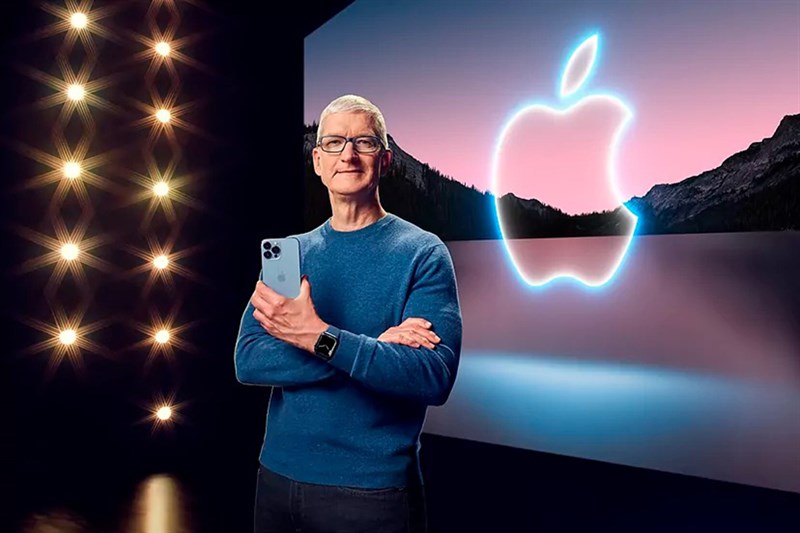
Apple’s identity has not remained static. It has undergone a profound transformation from the “underdog rebel” of the 1980s to the “global institution” of the 2020s. This shift provides a fascinating case study in how a brand maintains its “cool” factor while becoming the largest entity in its market.
The “Think Different” Legacy
In 1997, the “Think Different” campaign redefined Apple. It aligned the brand with historical geniuses—Einstein, Gandhi, Picasso—suggesting that using an Apple computer was an act of creative rebellion. This established a “rebel” brand archetype. People didn’t just buy Macs; they bought into the idea that they were creative, forward-thinking, and non-conformist. This emotional resonance is what saved Apple from bankruptcy and laid the groundwork for its current dominance.
Maintaining Aspirational Status
As Apple grew, it faced the “luxury trap”: how do you remain exclusive when everyone has your product? Apple solved this through “Aspirational Marketing.” Even though iPhones are ubiquitous, the brand maintains its prestige through high-end retail experiences and “Pro” tier products. Apple has successfully transitioned from being the brand for the “crazy ones” to being the brand for the “successful ones.” Its current voice is professional, polished, and quietly confident. It no longer needs to shout to get attention; its silence and minimalist aesthetic do the talking.
Brand Experience: The Retail and Digital Interface
A brand is the sum of every interaction a customer has with it. Apple’s mastery of the “Brand Experience” is perhaps its greatest achievement in corporate identity.
The Store as a Secular Temple
Apple Stores are not just retail outlets; they are brand showrooms designed to evoke the feeling of a gallery or a town square. By removing traditional cash registers and using open-plan layouts with high-quality materials, Apple reinforces the idea that it is a luxury brand, not a tech retailer. The “Genius Bar” rebrands technical support as an elite service, further humanizing the brand. The architecture of the stores—often featuring glass cubes or renovated historical buildings—communicates that Apple is a pillar of modern culture.
The Art of the Unboxing
Apple pioneered the “unboxing” experience as a marketing tool. The friction-fit boxes, the specific smell of the plastics, and the tactile sensation of peeling back a screen protector are all choreographed brand touchpoints. This attention to detail signals to the consumer that the company cares about the smallest aspects of their experience. It creates a sense of ceremony, turning a commercial transaction into a memorable event. This is where Apple’s brand identity is most visceral: in the hands of the consumer.
Future-Proofing the Identity: Sustainability and Resilience
To remain “Apple” in a changing world, the brand is currently undergoing its most significant identity shift yet: the transition toward sustainability and brand elasticity.
The Green Transition
Apple’s “Mother Nature” presentation and its goal of being carbon neutral by 2030 represent a strategic brand pivot. In the modern era, a brand’s identity is judged by its environmental footprint. By aggressively marketing its use of recycled materials and clean energy, Apple is attempting to align its brand with the values of Gen Z and Alpha. It is moving from a brand that “empowers the individual” to a brand that “protects the planet.”

Brand Elasticity in New Markets
The launch of the Vision Pro and Apple’s expansion into financial services (Apple Card, Apple Pay) and healthcare demonstrate the incredible “elasticity” of the brand. Apple’s identity is now so strong that it can move into entirely unrelated industries and immediately command authority. When Apple enters a market, it doesn’t just sell a product; it sells the “Apple version” of that experience. This suggests that “who Apple is” is no longer tied to computers, but to a specific standard of quality and user experience that can be applied to almost any aspect of human life.
In conclusion, Apple is a master of the “Identity Economy.” It has moved beyond being a manufacturer to become a philosophy of living. It represents the intersection of art and technology, authority and simplicity, and rebellion and institution. By controlling every facet of its image—from the architecture of its headquarters to the sound of its notifications—Apple has created a brand identity that is not just recognized, but felt. To know who Apple is, one must only look at the way they have redefined the relationship between humans and their tools. They are the designers of the modern digital existence.
aViewFromTheCave is a participant in the Amazon Services LLC Associates Program, an affiliate advertising program designed to provide a means for sites to earn advertising fees by advertising and linking to Amazon.com. Amazon, the Amazon logo, AmazonSupply, and the AmazonSupply logo are trademarks of Amazon.com, Inc. or its affiliates. As an Amazon Associate we earn affiliate commissions from qualifying purchases.