
In the landscape of global commerce, few names command the same level of recognition, devotion, and prestige as Apple. While many companies produce smartphones, laptops, and tablets, Apple has transcended the status of a hardware manufacturer to become a cultural phenomenon. When asking what Apple is known for, the answer lies far beyond a list of technical specifications. Instead, it is found in the meticulous architecture of its brand identity, a strategy rooted in simplicity, emotion, and an unwavering commitment to a premium user experience.
Apple is not just a technology company; it is the definitive case study in brand equity. Its journey from a garage-based startup to the world’s most valuable brand is a narrative of design-led innovation and the psychological positioning of products as lifestyle choices rather than mere tools.
The Philosophy of Minimalism: Design as a Brand Pillar
Perhaps the most immediate thing Apple is known for is its design language. Under the leadership of Steve Jobs and the creative vision of designers like Jony Ive, Apple pioneered a minimalist aesthetic that redefined industrial design in the 21st century.
Simplicity in Form and Function
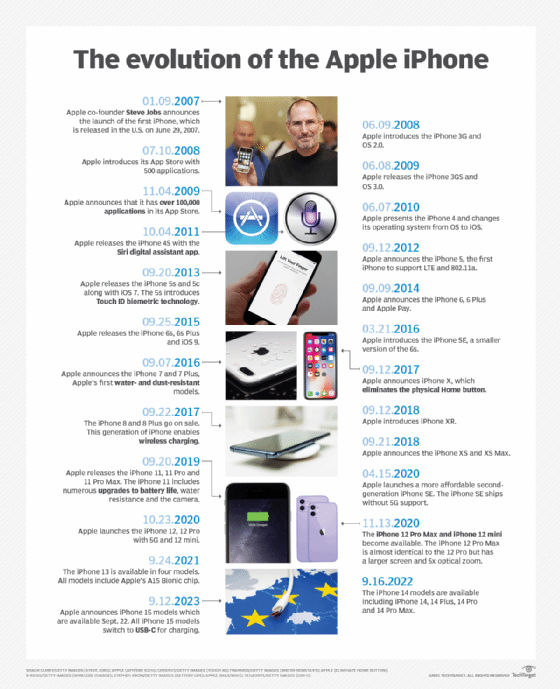
Apple’s design philosophy is anchored in the concept of “Less is More.” While competitors in the 1990s and early 2000s were focused on adding more buttons, ports, and complex features, Apple moved in the opposite direction. The brand is known for stripping away the unnecessary until only the essential remains. This is evident in the evolution of the iPhone, which replaced physical keyboards with a single multi-touch screen, and the MacBook, which pioneered the unibody aluminum construction that has since become an industry standard.
This commitment to simplicity extends to the user interface (UI) and user experience (UX). Apple is known for “intuitive design,” the idea that a user should be able to pick up a device and understand how to use it without reading a manual. By prioritizing the human element over the technical, the brand built a reputation for accessibility and elegance.
The Packaging and Out-of-Box Experience
For Apple, the brand experience begins long before the device is powered on. The company is famous for its obsession with packaging. Every box is engineered to create a specific sensory experience—the resistance of the lid as it slides off, the tactile feel of the materials, and the organized layout of the accessories. This “unboxing” ritual has become a core component of the Apple brand, reinforcing the idea that the consumer is purchasing a high-end luxury item, not just a piece of electronics.
Building the Ecosystem: Brand Loyalty Through Integration
One of Apple’s most powerful strategic achievements is the creation of its “walled garden” ecosystem. Apple is known for the seamless integration between its hardware, software, and services, creating a holistic experience that makes it difficult for consumers to leave the platform.
The Power of Cross-Device Synergy
The Apple ecosystem is built on the premise that devices should work better together than they do in isolation. Features like Handoff, AirDrop, and Universal Clipboard allow a user to start a task on an iPhone and finish it on a Mac or iPad with zero friction. iMessage and FaceTime provide exclusive communication channels that create social “stickiness,” particularly among younger demographics.
From a brand strategy perspective, this ecosystem creates high switching costs. When a consumer owns an iPhone, an Apple Watch, and a pair of AirPods, the value of each individual device is amplified by the presence of the others. This interconnectedness has turned Apple users into brand evangelists, fostering a level of loyalty that is virtually unparalleled in the tech industry.
Software as a Brand Identity
Apple is known for controlling both the “racks and the tracks”—the hardware and the operating system. By developing iOS and macOS specifically for its own chips and components, Apple ensures a level of stability and performance that generic operating systems struggle to match. This vertical integration allows Apple to market its products as “just working,” a reputation that serves as a cornerstone of its brand promise.
Emotional Branding: Selling a Lifestyle, Not a Product

Apple is perhaps the world’s greatest practitioner of emotional branding. While most companies market what their products do, Apple markets how its products make people feel and what they represent about the owner.
The “Think Different” Legacy
The 1997 “Think Different” campaign remains one of the most influential marketing efforts in history. By aligning itself with rebels, geniuses, and visionaries like Albert Einstein and Martin Luther King Jr., Apple positioned its brand as a tool for the creative and the bold. This wasn’t about megahertz or RAM; it was about identity. Apple is known for making its customers feel like they are part of an elite group of “misfits” who change the world.
Aspiration and Social Status
In many parts of the world, owning an Apple product is a status symbol. The brand has successfully occupied the “masstige” (mass-prestige) category—luxury items that are expensive enough to signal status but accessible enough for a broad middle class. The distinct silhouette of the AirPods or the glowing logo on a MacBook serves as a badge of membership in a specific cultural and professional tribe. Apple does not just sell tools for productivity; it sells an aspirational lifestyle centered on creativity, sophistication, and modernity.
Premium Positioning and Pricing Strategy
Apple’s brand is synonymous with premium quality, and its pricing strategy reflects this. Unlike competitors who often engage in “races to the bottom” by slashing prices to gain market share, Apple has consistently maintained high margins by positioning itself as a luxury brand.
Quality as a Justification for Cost
Apple is known for its uncompromising stance on materials and build quality. By using medical-grade stainless steel, aerospace-grade aluminum, and custom-designed silicon, the brand justifies its premium price points. Consumers are generally willing to pay a “luxury tax” for Apple products because the brand has built decades of trust regarding longevity and resale value. Apple devices typically hold their value far better than their Android or Windows counterparts, which reinforces the brand’s image as a wise investment rather than a disposable purchase.
Scarcity and the Hype Cycle
The brand is a master of the “Hype Cycle.” Through carefully orchestrated keynote events (the “Stevenotes” of the past and the high-production films of today), Apple creates a sense of theater around product launches. By controlling the narrative and maintaining a level of secrecy, the brand generates immense media coverage and consumer anticipation. This “scarcity mindset”—the idea that you must have the latest device the moment it drops—has allowed Apple to dominate the cultural conversation year after year.
The Evolution of Retail: The Apple Store Concept
In the early 2000s, many analysts predicted that Apple’s foray into physical retail would fail. Instead, the Apple Store became the most profitable retail space per square foot in the world and redefined what a storefront could be.
Creating the “Town Square”
Apple is known for turning its stores into community hubs rather than just sales floors. With their glass facades, open layouts, and minimalist shelving, Apple Stores look more like art galleries or upscale boutiques than electronics shops. The “Genius Bar” replaced traditional customer service with a face-to-face consultation model, humanizing the brand and providing a level of support that builds deep consumer trust.
The “Today at Apple” program furthered this strategy by offering free workshops on photography, music production, and coding. By providing value beyond the transaction, Apple transformed its retail locations into “town squares” where people gather to learn and create. This physical presence serves as a constant, tangible reinforcement of the brand’s values: openness, innovation, and human connection.

Conclusion: The Consistency of the Apple Brand
Ultimately, Apple is known for its remarkable consistency. From the design of a tiny icon on an iPhone screen to the architecture of its global headquarters, every touchpoint reflects a singular vision. The brand has successfully navigated the transition from a niche computer maker to a global lifestyle powerhouse without losing its core identity.
By focusing on the intersection of technology and the liberal arts, Apple has created a brand that is both high-tech and deeply human. It is known for being the gold standard of corporate identity—a company that doesn’t just respond to consumer needs but shapes consumer desires. In the world of branding, Apple remains the ultimate benchmark for how to build a legacy that is as much about inspiration as it is about innovation.
aViewFromTheCave is a participant in the Amazon Services LLC Associates Program, an affiliate advertising program designed to provide a means for sites to earn advertising fees by advertising and linking to Amazon.com. Amazon, the Amazon logo, AmazonSupply, and the AmazonSupply logo are trademarks of Amazon.com, Inc. or its affiliates. As an Amazon Associate we earn affiliate commissions from qualifying purchases.