
In the contemporary retail landscape, the search for “good jeans” has evolved from a simple functional necessity into a complex exercise in brand navigation. For the consumer, “good” might signify durability, fit, or ethical production. For the strategist, however, the quest for where to find good jeans is a study in how brands carve out high-value niches in a saturated market. Denim is one of the most competitive segments in the fashion industry, with a global market value exceeding $70 billion. To succeed, a brand must do more than weave cotton; it must construct a compelling identity that resonates with a specific consumer archetype.
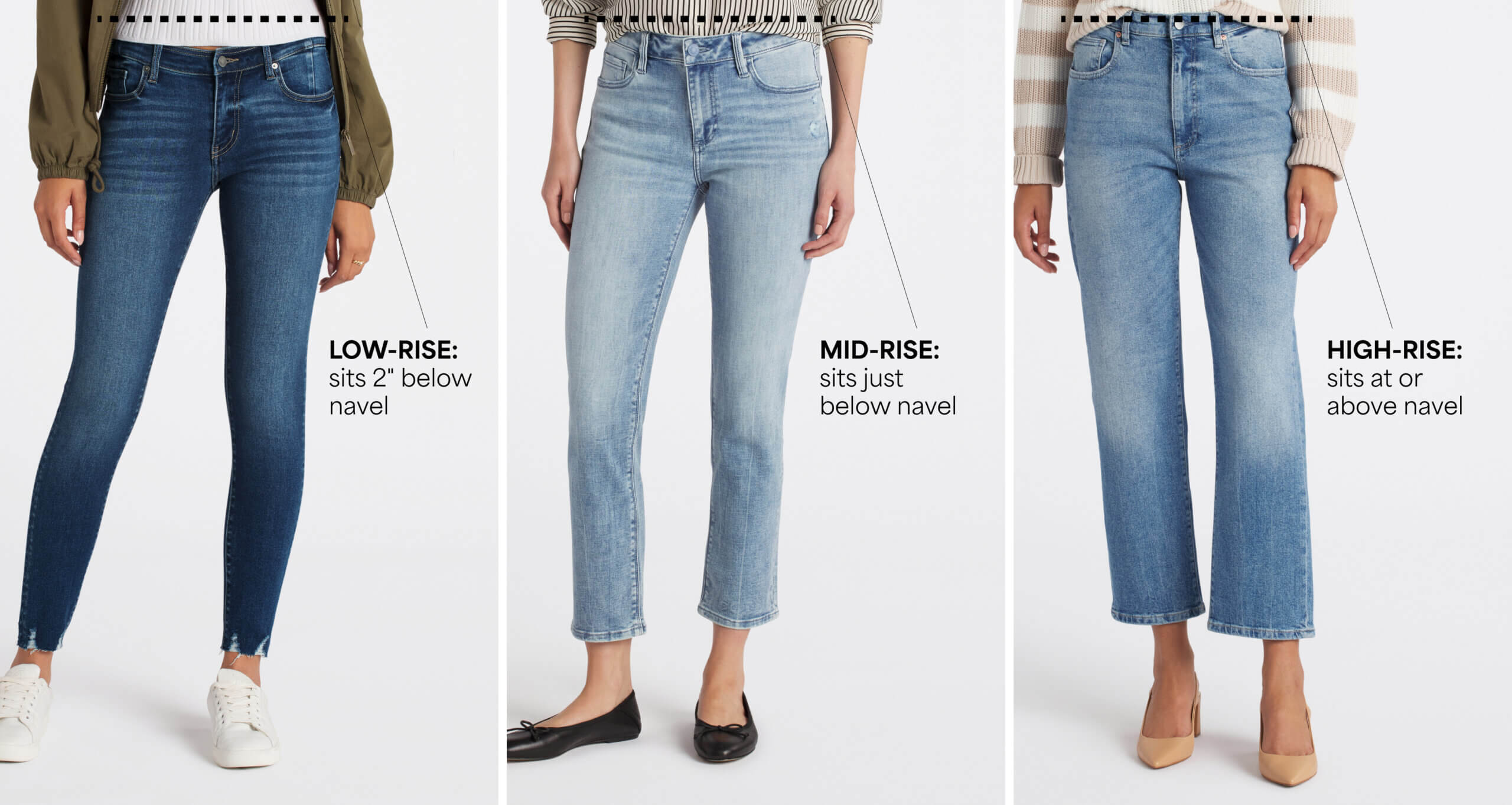
Understanding where to find good jeans requires an analysis of the brand strategies that elevate a product from a commodity to a cultural staple. From the heritage giants that lean on historical narratives to the direct-to-consumer (DTC) disruptors that prioritize radical transparency, the denim market is a roadmap of modern marketing excellence.
The Heritage Factor: Engineering Loyalty through Historical Narratives
When consumers ask where to find good jeans, the most frequent answer remains the industry’s legacy players. Brands like Levi Strauss & Co., Lee, and Wrangler do not just sell apparel; they sell historical continuity. This strategy, known as heritage branding, leverages the past to insulate the brand against the volatility of current trends.
The Levi’s Blueprint: Selling the American Dream
Levi’s serves as the ultimate case study in heritage brand strategy. Their positioning is built on the concept of “The Original,” utilizing the 501 fit as a benchmark for the entire industry. By anchoring their identity in the 1873 patent of copper-riveted waist overalls, Levi’s creates a perception of authenticity that newcomers cannot replicate.
Their marketing strategy effectively bridges the gap between the blue-collar worker of the 19th century and the urban professional of the 21st. This is achieved through “story-mining”—resurrecting archival designs and celebrating the “worn-in” stories of their customers. When a consumer chooses Levi’s, they are not just buying denim; they are opting into a brand narrative that suggests reliability and timelessness. This strategic positioning ensures that despite the influx of luxury and fast-fashion alternatives, Levi’s remains the default destination for “good jeans.”
Legacy as a Barrier to Entry
Heritage brands utilize their history as a competitive moat. In brand strategy, this is referred to as “narrative authority.” Because these brands were present during the birth of the product category, they possess an inherent credibility. They don’t need to convince the market that they know how to make jeans; the market already assumes it. This allows heritage brands to command a premium price and maintain a dominant market share even when their manufacturing processes evolve or move offshore.
The DTC Revolution: Redefining Transparency and Niche Positioning
As the digital landscape matured, a new breed of denim brands emerged, challenging the dominance of legacy players by focusing on what the giants lacked: agility and extreme transparency. Brands like Everlane and Madewell have redefined “where to find good jeans” by targeting the pain points of the modern, socially conscious consumer.
Everlane and the Ethics of the Supply Chain
Everlane disrupted the denim market through its “Radical Transparency” campaign. Their strategy was built on the premise that the traditional retail model was opaque and overpriced. By revealing the exact cost of materials, labor, and transport for their jeans, Everlane positioned itself as the ethical alternative to corporate giants.
Their brand strategy focused on “Modern Essentials”—jeans that are designed to be seasonless. This approach appeals to a demographic that is increasingly skeptical of fast fashion and values corporate responsibility. For Everlane, a “good” jean is one that is manufactured in a LEED-certified factory and sold at a fair markup. This value proposition has allowed them to capture a significant share of the Millennial and Gen Z markets, who view their purchasing power as a form of activism.
Madewell: Building a Brand Around Emotional Resonance
While Everlane focused on the “how,” Madewell focused on the “who.” Madewell’s brand strategy is a masterclass in community building and emotional branding. They moved away from the hyper-masculine or overly rugged imagery of traditional denim marketing and instead focused on the “artwell” lifestyle—creative, effortless, and communal.
Madewell’s positioning centers on the idea of the “perfect fit.” By focusing heavily on fit inclusivity and denim technology (such as their “Magic Pocket” construction), they addressed the primary psychological barrier in denim shopping: the frustration of the fitting room. Their strategy proves that “good jeans” are often defined by the emotional relief of finding a pair that fits perfectly. By prioritizing this customer experience, Madewell built a cult-like following that transcends simple product loyalty.
The Premium Tier: Craftsmanship and the Aura of Scarcity
For a specific segment of the market, “good jeans” are defined by the technicality of the weave and the rarity of the production. This is the realm of premium and luxury denim, where brands like Iron Heart, Momotaro, and A.P.C. operate. Their brand strategy is not based on mass appeal, but on the “cult of the connoisseur.”

The Cult of Japanese Selvedge
A significant portion of the high-end denim market is dominated by Japanese brands that utilize vintage shuttle looms. The strategy here is “Process-as-Product.” These brands do not market their jeans based on comfort; in fact, raw denim is notoriously uncomfortable at first. Instead, they market the potential of the product.
The brand narrative focuses on the “fade”—the way the indigo dyes wear off over time to create a personalized garment. This shifts the value proposition from a static product to a long-term project. By emphasizing the slow, artisanal nature of their production, these brands create a sense of scarcity and exclusivity. For the denim enthusiast, “good” is synonymous with “authentic craftsmanship,” and they are willing to pay a 400% premium for it.
Pricing as a Brand Signal
In the luxury denim sector, price is used as a strategic tool to signal quality and status. High price points act as a filter, ensuring the brand remains associated with an elite tier of consumers. Brands like Saint Laurent or Fear of God use denim as a canvas for their broader fashion identity. In these cases, “good jeans” are those that carry the social capital of the brand’s creative director and its placement in the high-fashion hierarchy.
Brand Discovery in the Digital Age: From Search Engines to Social Proof
The question of where to find good jeans is increasingly answered by algorithms and social networks rather than traditional storefronts. Brand strategy in the 2020s must account for the shift from “pull” marketing (consumers seeking brands) to “push” marketing (brands seeking consumers via data).
The Role of Micro-Influencers in Denim Strategy
Large-scale celebrity endorsements are being supplemented—and in some cases replaced—by micro-influencer strategies. Denim is a highly visual and tactile product, making it perfect for platforms like TikTok and Instagram. Brands now partner with influencers who possess “relatable authority.”
When a trusted influencer showcases how a specific brand of jeans fits a specific body type, it generates a level of social proof that a billboard cannot match. This strategy has been instrumental for brands like Abercrombie & Fitch, which successfully rebranded from an exclusionary, mall-based retailer to an inclusive, digital-first denim destination. By leveraging social proof, they convinced a new generation that they were, once again, the place to find good jeans.
Data-Driven Personalization: The Stitch Fix Model
The ultimate evolution of finding “good jeans” is the removal of the search entirely. Subscription and personalization services like Stitch Fix use data science to curate selections for the consumer. Their brand strategy is built on the elimination of choice fatigue. By analyzing thousands of data points regarding fit, style preference, and price point, they “find” the jeans for the customer. This data-centric approach represents a shift in branding from “style leader” to “utility provider.”
Sustainability as the New Standard for Brand Longevity
In the modern market, a brand cannot be considered “good” if its environmental impact is “bad.” As the denim industry is one of the most water-intensive sectors of fashion, sustainability has moved from a niche marketing point to a core brand pillar.
Nudie Jeans and the Repair Shop Concept
Nudie Jeans Co. has built its entire brand identity around the lifecycle of the product. Their “Repair for Life” strategy is a revolutionary approach to brand loyalty. By offering free repairs on every pair of jeans they sell, they incentivize the consumer to keep the product longer, directly counteracting the fast-fashion cycle.
This strategy does two things: it reinforces the “good” quality of the jeans (as they are worth repairing) and it creates a permanent physical touchpoint between the brand and the consumer. Every time a customer visits a Nudie repair shop, the brand relationship is strengthened. This is a brilliant example of how a commitment to sustainability can be leveraged to increase customer lifetime value (CLV).
The Future of Denim Branding: Circularity and Corporate Responsibility
As we look forward, the brands that will define “where to find good jeans” are those that master circularity. This involves using recycled cotton, reducing water usage through “waterless” dyeing technologies, and ensuring fair labor practices. Brands like Patagonia and Outerknown are leading this charge, positioning themselves as the choice for the “conscious consumer.”
In this context, the definition of a “good” brand is one that aligns with the values of its audience. The product is no longer just the jeans; it is the entire ethical framework of the company that produced them. For the modern strategist, the goal is to ensure that when a consumer searches for quality, they find a brand that reflects their own identity and ethics.
In conclusion, the answer to where to find good jeans is found at the intersection of quality manufacturing and expert brand positioning. Whether through the lens of heritage, the transparency of DTC, the exclusivity of luxury, or the commitment to sustainability, the most successful brands are those that understand that “good” is a subjective term defined by the brand’s ability to fulfill a specific promise to its audience. Finding good jeans is, ultimately, about finding a brand you can trust.
aViewFromTheCave is a participant in the Amazon Services LLC Associates Program, an affiliate advertising program designed to provide a means for sites to earn advertising fees by advertising and linking to Amazon.com. Amazon, the Amazon logo, AmazonSupply, and the AmazonSupply logo are trademarks of Amazon.com, Inc. or its affiliates. As an Amazon Associate we earn affiliate commissions from qualifying purchases.