
The retail landscape is littered with the remnants of brands that failed to adapt to the shifting sands of consumer sentiment. Yet, American Eagle Outfitters (AEO) stands as a definitive case study in brand resilience and strategic evolution. To understand the brand’s current dominance in the youth apparel market, one must look back to its inception and trace the deliberate moves that transformed it from a niche outdoorsy retailer into a global lifestyle symbol.
American Eagle Outfitters was established in 1977. Founded by brothers Jerry and Mark Silverman, the brand was originally launched as a subsidiary of Retail Ventures, Inc., a company that also owned Silverman’s Menswear. From its earliest days in Novi, Michigan, the brand was designed to fill a specific gap in the market: high-quality, durable leisurewear and outdoor gear. However, the American Eagle of the late 1970s would be almost unrecognizable to today’s consumer. The journey from a localized leisure brand to a multi-billion-dollar corporate identity is a masterclass in strategic brand positioning.

The Origins and Corporate Identity of a Retail Giant
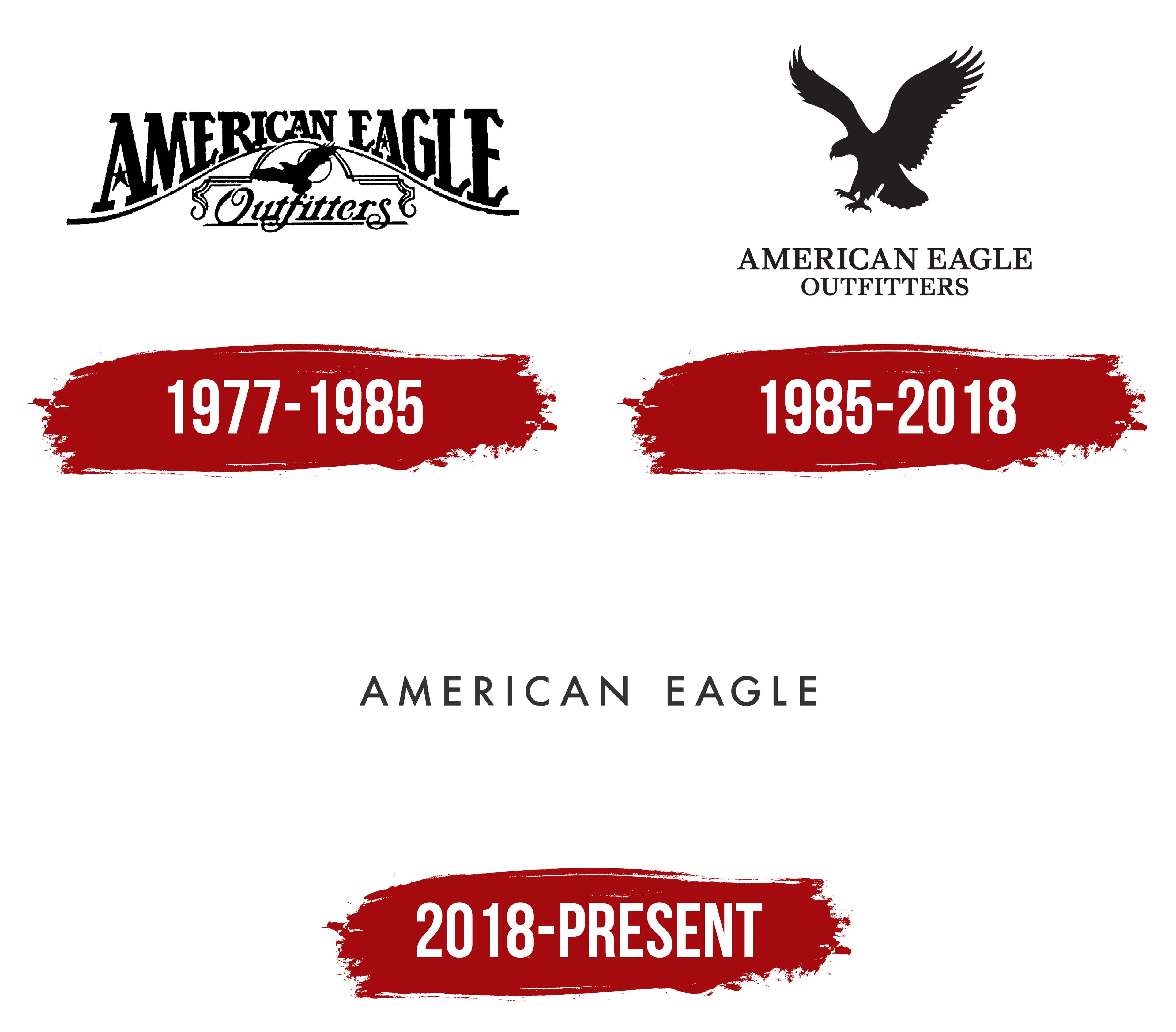
In 1977, the retail environment was dominated by department stores and specialized boutiques. The Silverman brothers identified a burgeoning trend toward casual, rugged apparel—a precursor to the “athleisure” and “workwear” trends we see today. Initially, the brand’s identity was built around the concept of the great American outdoors. The “Eagle” logo was chosen to evoke feelings of freedom, strength, and national heritage, aligning with the bicentennial-era pride that permeated the late 1970s.
Throughout the 1980s, the brand underwent significant growth, but it also faced the challenge of defining a unique value proposition. In the early 1990s, the Schottenstein family took full control of the company, a move that would prove pivotal. Under their stewardship, the brand shifted its focus away from generic outdoor gear and toward a more lifestyle-oriented approach. This period marked the beginning of AEO as a specialized retailer for the 15-to-25-year-old demographic.
The corporate identity was refined to focus on “attainable cool.” Unlike its competitors at the time—most notably Abercrombie & Fitch, which leaned into an exclusionary, high-status aesthetic—American Eagle chose a path of inclusivity and approachability. This strategic pivot was not merely about fashion; it was about building a brand persona that felt like a peer to its customers rather than an aspirational gatekeeper. By the time the company went public in 1994, it had established a robust infrastructure and a clear vision: to become the go-to destination for the American teenager’s everyday wardrobe.
From Leisurewear to Denim Authority
A key pillar of American Eagle’s brand strategy has been its relentless focus on product specialization, specifically in denim. While many brands spread their resources across various categories, AEO recognized early on that jeans are the “uniform” of youth culture. By investing heavily in fabric technology, such as the introduction of “Next Level Flex,” the brand moved beyond mere aesthetics to focus on comfort and fit.
This product-centric branding allowed AEO to capture a significant share of the market. They didn’t just sell jeans; they marketed the idea of the “perfect fit” for every body type. This strategy created a high level of brand stickiness. Once a consumer finds a denim brand that fits their specific proportions, brand loyalty becomes nearly automatic. By positioning themselves as the denim authority, American Eagle created a foundation that could weather the volatility of fast-fashion trends.
Brand Strategy: The Pivot to Authenticity and Inclusivity
In the mid-2010s, the retail industry faced a crisis of identity. Modern consumers, particularly Gen Z, began to reject the airbrushed, hyper-sexualized marketing of the previous decade. American Eagle’s most brilliant strategic move during this era was the launch and scaling of Aerie, its intimate apparel sub-brand.
Established in 2006, Aerie initially served as a complementary line to the main brand. However, in 2014, the brand launched the “Aerie Real” campaign, a revolutionary marketing strategy that pledged to stop retouching models’ photos. This move was a seismic shift in brand strategy. While other major lingerie brands were doubling down on “Angels” and unattainable beauty standards, Aerie embraced body positivity, diversity, and radical transparency.
The Aerie Real Effect on Corporate Reputation
The impact of the “Aerie Real” campaign cannot be overstated from a branding perspective. It transformed Aerie from a sub-brand into a cultural movement. This wasn’t just a marketing gimmick; it was a core brand value that resonated deeply with a generation looking for authenticity. The financial results followed the sentiment, with Aerie consistently outperforming market expectations and gaining significant market share from legacy competitors.
This success bled back into the core American Eagle brand. The entire corporate identity shifted toward “Realness.” The marketing imagery across all platforms began to feature a wider array of body types, ethnicities, and abilities. By aligning the brand with social values like self-love and inclusivity, American Eagle moved from being a clothing provider to a brand that stood for something meaningful in the lives of its customers.
Marketing to Gen Z: Community over Consumption
American Eagle’s brand strategy excels in its understanding of digital communities. They were early adopters of influencer marketing, but unlike brands that focus on high-glamour celebrities, AEO focused on “creators”—individuals who felt authentic and relatable to their audience.
Their presence on platforms like TikTok and Instagram is not just about broadcasting advertisements; it is about participation. Through challenges, user-generated content campaigns, and interactive social media management, the brand fosters a sense of community. This strategy transforms the customer from a passive consumer into a brand advocate. In the modern branding landscape, the goal is to create “brand love,” and AEO has achieved this by making their audience feel seen and heard.
Navigating the Competitive Landscape through Design and Digital Innovation
The competitive landscape for youth retail is notoriously cutthroat. To maintain its position, American Eagle has utilized a dual-threat strategy of design innovation and digital transformation.
From a design perspective, the brand maintains a careful balance between “trend-right” pieces and “evergreen” essentials. This ensures that while they capture the excitement of seasonal trends (like the resurgence of Y2K fashion), they remain grounded in the high-volume basics that drive consistent revenue. Their design team utilizes data-driven insights to predict which styles will resonate, reducing the risk of overstock and ensuring the brand stays at the forefront of the cultural zeitgeist.
Omnichannel Excellence as a Brand Pillar
In the digital age, a brand’s identity is heavily influenced by the ease of its user experience. American Eagle has invested significantly in its omnichannel capabilities, ensuring that the brand experience is seamless whether a customer is shopping in a physical store, through a mobile app, or via social media “shoppable” posts.
Their loyalty program, “RealRewards,” is a masterpiece of customer retention strategy. By gamifying the shopping experience and offering tangible value across both American Eagle and Aerie brands, they have built a massive database of loyal customers. This data allows for hyper-personalized marketing, ensuring that the brand remains relevant to each individual consumer’s preferences and shopping habits.
Sustainability and the Future Corporate Identity
As environmental concerns become a primary driver for consumer choice, American Eagle has proactively integrated sustainability into its brand narrative. The “Real Good” label identifies products made with sustainable materials and processes, such as recycled fibers and water-saving techniques in denim production.
This is a critical component of modern brand strategy. For a brand established in 1977 to remain relevant in 2024 and beyond, it must demonstrate a commitment to the future. By setting ambitious goals for carbon neutrality and sustainable sourcing, AEO is protecting its corporate reputation and ensuring that it remains an ethical choice for the conscious consumer.

The Legacy and Future of American Eagle Outfitters
When American Eagle Outfitters was established in 1977, the goal was simple: provide quality outdoor-inspired clothing. Over nearly five decades, that goal has evolved into a sophisticated global operation that prioritizes inclusivity, authenticity, and digital innovation.
The brand’s success is a testament to the power of a clear and adaptable brand strategy. By knowing exactly who their customer is—and more importantly, how that customer’s values change over time—American Eagle has managed to avoid the “middle-market trap” that has claimed so many other retailers. They have successfully transitioned from a traditional brick-and-mortar store into a lifestyle ecosystem.
Looking forward, the brand is well-positioned to continue its growth. By maintaining the core values of the “Real” movement while continuing to innovate in denim technology and digital engagement, American Eagle Outfitters remains a blueprint for how a legacy brand can stay forever young. The establishment of the brand in 1977 was the beginning of a journey that has redefined what it means to be a lifestyle brand in the 21st century. Through strategic pivots and an unwavering commitment to its audience, AEO has proven that longevity in retail is not about staying the same—it’s about growing alongside your community.
aViewFromTheCave is a participant in the Amazon Services LLC Associates Program, an affiliate advertising program designed to provide a means for sites to earn advertising fees by advertising and linking to Amazon.com. Amazon, the Amazon logo, AmazonSupply, and the AmazonSupply logo are trademarks of Amazon.com, Inc. or its affiliates. As an Amazon Associate we earn affiliate commissions from qualifying purchases.