
The question of where dogs are placed during a flight is often met with a simplistic answer: either in the cabin or the cargo hold. However, from a technological and engineering perspective, the reality is far more complex. Modern aviation has evolved into a sophisticated ecosystem where live animal transport is managed by integrated hardware, environmental control systems (ECS), and real-time data monitoring. Ensuring the safety of a canine passenger involves a high-tech choreography of pressurized logistics, thermal engineering, and Internet of Things (IoT) connectivity.
The Engineering of the Pressurized Smart Hold
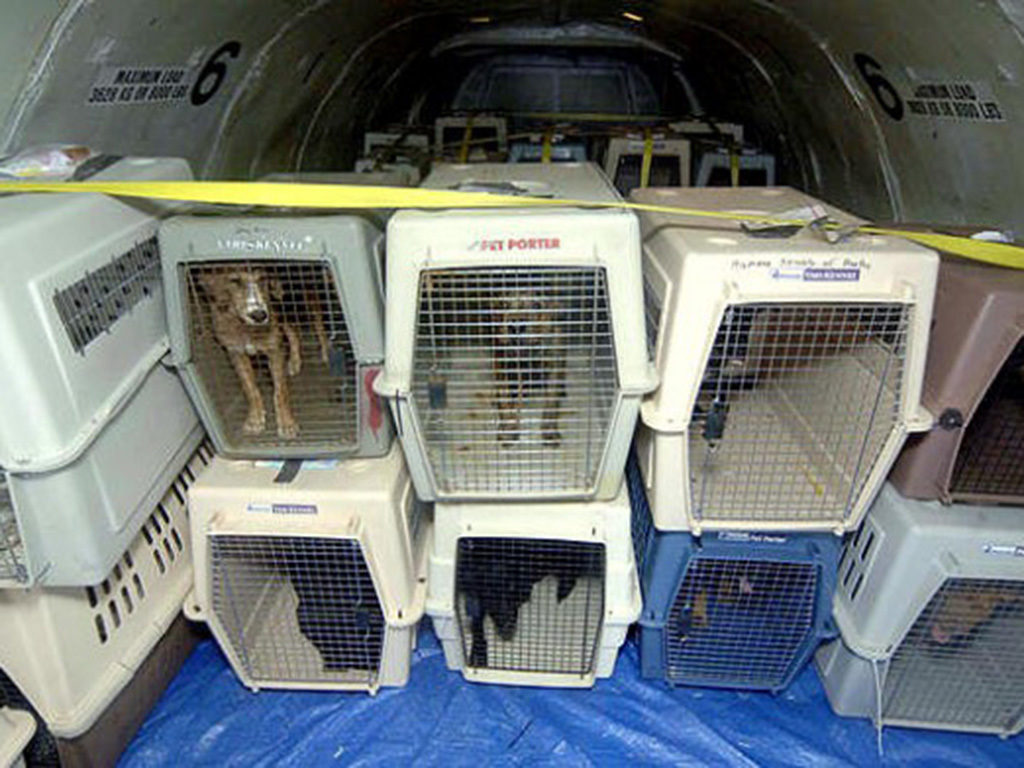
When a dog is too large for the cabin, it is placed in a specialized section of the aircraft’s belly known as the cargo hold. Far from being a dark, forgotten void, the modern cargo hold is an engineering marvel designed to replicate the conditions of the passenger cabin.
Environmental Control Systems (ECS)
Aircraft such as the Boeing 787 Dreamliner and the Airbus A350 utilize advanced Environmental Control Systems to manage the atmosphere in the cargo compartments. These systems tap into the aircraft’s “bleed air” (air compressed by the engines and then cooled) or use electric compressors to maintain a consistent pressure level. For pet transport, specific zones—usually the forward or bulk cargo compartments—are equipped with dedicated heaters and ventilation fans. These sensors are integrated into the flight deck’s primary display, allowing pilots to monitor temperature fluctuations in real-time. If the temperature deviates from a set range (typically between 50°F and 70°F), automated valves adjust the airflow to compensate.
Insulation and Acoustic Engineering
One of the primary technological challenges in pet transport is noise and vibration mitigation. The belly of a plane is naturally loud due to engine proximity and hydraulic systems. To address this, aerospace engineers use advanced composite insulation materials—such as fiberglass blankets wrapped in specialized polymers—to dampen sound and provide thermal regulation. These materials are fire-retardant and designed to withstand the rigors of high-altitude flight while maintaining a stable acoustic environment for sensitive canine ears.
Fire Suppression and Safety Protocols
A critical tech distinction between standard cargo and live animal transport is the management of fire suppression systems. In many cargo holds, fire is managed by depriving the area of oxygen or releasing Halon gas. However, in sections designated for live animals, the technology is tuned differently. Smart sensors distinguish between smoke and simple moisture, and protocols are hard-coded into the plane’s software to ensure that life-sustaining oxygen levels are maintained even if other parts of the cargo bay are sealed.
IoT and Real-Time Tracking: The Connected Kennel
The “black box” nature of pet travel is being dismantled by the rapid integration of IoT (Internet of Things) devices. Airlines and third-party logistics tech companies are now offering “Connected Kennel” solutions that provide pet owners and flight crews with unprecedented transparency.
GPS and Multi-Sensor Telemetry
Modern pet transport often utilizes high-fidelity tracking units attached to the exterior of the crate. These devices are equipped with a suite of sensors:
-
GPS/GNSS: For tracking the location during ground handling and loading.
-
Accelerometers: To detect rough handling or excessive turbulence.
-
Hygrometers: To monitor humidity levels, which are crucial for brachycephalic (short-nosed) breeds.
-
Light Sensors: To log when a crate is opened or moved between different lighting environments.
These devices use low-energy Bluetooth (BLE) or cellular networks (GSM/LTE) to transmit data. While the signal is disabled during the actual flight to comply with aviation safety standards, the devices log data every second and upload the entire flight profile to a cloud-based server immediately upon landing.
Integration with Mobile Applications
The data bridge between the aircraft and the consumer is managed via specialized software. Tech-forward carriers have developed proprietary apps that notify owners the moment their dog has been scanned into the loading system, the moment the crate is secured in the hold, and the exact temperature of the bay before takeoff. This digital “handshake” ensures that no animal is left on the tarmac in extreme weather—a failure point that was common before the implementation of automated “Live Animal Alert” software.

The Role of RFID in Logistics
At major international hubs, Radio Frequency Identification (RFID) tags have replaced traditional paper manifests. As a dog moves through the automated sorting systems of a “Pet Hotel” at an airport, scanners at every junction update the animal’s digital twin in the airline’s logistics database. This tech prevents misrouting and ensures that the ground crew is alerted to specific needs, such as water refills or exercise breaks, based on a digitized schedule.
AI and Data-Driven Logistics Management
The logistics of animal transport are being revolutionized by Artificial Intelligence and machine learning. Managing the manifest of a wide-body aircraft requires balancing weight, balance, and life-support requirements, a task now assisted by complex algorithms.
Load Master Software and Weight Distribution
The placement of a dog is determined by the aircraft’s “Load Master” software. This AI-driven tool calculates the center of gravity for the plane. Because live animals have specific oxygen and cooling requirements, the software prevents the stacking of heat-generating cargo near pet crates. It also calculates the “oxygen burn” rate based on the number and size of animals on board, ensuring that the aircraft’s ventilation systems are not overtaxed.
Predictive Weather Analytics
Airlines now use predictive AI tools to manage “Heat Stress Indices.” Before a flight is even booked, the software analyzes historical weather data and real-time forecasts for the departure, arrival, and any potential diversion airports. If the AI predicts that the tarmac temperature at a layover city will exceed safe thresholds for animal transport (the “85-degree rule”), the system automatically flags the booking for rerouting or rescheduling, mitigating risk before the dog ever leaves the ground.
Regulatory Compliance SaaS
Transporting dogs internationally involves a labyrinth of health certificates, vaccination records, and CITES permits. Software-as-a-Service (SaaS) platforms dedicated to pet relocation have digitized this process. These platforms use Optical Character Recognition (OCR) to scan veterinary documents and verify them against an updated database of international entry requirements. This ensures that a dog isn’t just physically safe in the hold, but also “legally safe” to land, preventing the technological and bureaucratic nightmare of animal quarantine.
Future Innovations: The Next Generation of Pet Travel
As we look toward the future of aviation, the technology surrounding pet transport is set to undergo a radical transformation, driven by electric aviation and cabin redesigns.
The Rise of “Pet-First” Aircraft Design
New startups in the aviation tech space are looking at modifying the cabin architecture of mid-sized jets to create dedicated “Pet Zones.” Instead of the cargo hold, these designs feature modular shelving units integrated directly into the cabin’s environmental system. These modules would include built-in noise-canceling technology to shield dogs from the high-frequency whine of jet engines and individual cameras linked to the owner’s seatback entertainment screen.
Electric Aviation and Pressurization
The development of electric vertical takeoff and landing (eVTOL) aircraft and short-haul electric planes presents a new frontier. Electric motors are significantly quieter than internal combustion engines, and they generate far less heat. This makes the “cargo hold” of an electric plane a much more hospitable environment. Tech companies are currently developing standardized, lightweight, crash-tested battery-powered climate crates specifically for the next generation of regional air mobility.
Biometric Monitoring for Pets
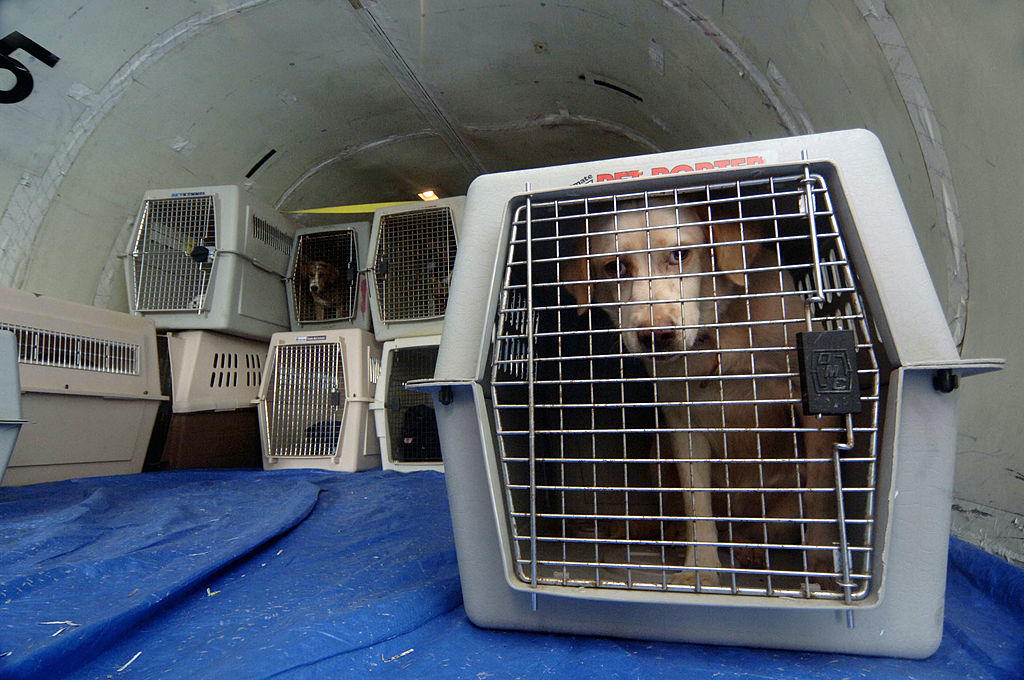
Similar to how human pilots use wearables to monitor fatigue, future pet transport may involve non-invasive biometric sensors. Using infrared thermography and computer vision, cameras in the hold could monitor a dog’s respiration rate and surface temperature without any physical contact. AI models trained on canine distress behaviors could alert the flight crew instantly if an animal shows signs of anxiety or physical distress, allowing for emergency interventions or mid-flight adjustments to the hold’s climate settings.
The question of “where do they put dogs on planes” no longer has a simple geographical answer. The “where” is a sophisticated, tech-enabled environment that bridges the gap between traditional cargo logistics and high-stakes life support systems. Through the integration of IoT, AI-driven logistics, and advanced aerospace engineering, the aviation industry is transforming the pet travel experience into a data-driven science, ensuring that four-legged passengers benefit from the same technological progress that keeps human passengers safe in the skies.
aViewFromTheCave is a participant in the Amazon Services LLC Associates Program, an affiliate advertising program designed to provide a means for sites to earn advertising fees by advertising and linking to Amazon.com. Amazon, the Amazon logo, AmazonSupply, and the AmazonSupply logo are trademarks of Amazon.com, Inc. or its affiliates. As an Amazon Associate we earn affiliate commissions from qualifying purchases.