
The question of where to book a flight was once answered by a visit to a local travel agent or a direct phone call to an airline’s ticketing desk. Today, that query triggers a massive, invisible infrastructure of data exchange, high-speed algorithms, and complex software architectures. In the contemporary digital landscape, “where” you book a flight is less about a physical location and more about choosing the right technological interface to navigate the Global Distribution Systems (GDS) that house the world’s aviation inventory.
The modern traveler has three primary digital avenues: Online Travel Agencies (OTAs), Meta-search Engines, and Direct-to-Consumer (DTC) airline platforms. Understanding the technology behind these options is essential for anyone looking to optimize their travel experience through the lens of modern software and data science.

The Evolution of Online Travel Agencies and Meta-Search Engines
The backbone of the flight booking industry is the Global Distribution System. Companies like Amadeus, Sabre, and Travelport maintain massive databases that aggregate seating inventory, fare types, and schedules from hundreds of airlines worldwide. When you ask where you can book a flight, you are essentially asking which software layer you should use to access these GDS databases.
The Architecture of Online Travel Agencies (OTAs)
OTAs such as Expedia, Booking.com, and Trip.com act as sophisticated digital storefronts. Unlike a simple search engine, an OTA has the technological capability to execute a transaction. They utilize complex API integrations to pull real-time data from the GDS and then wrap that data in a proprietary user interface.
The primary tech advantage of an OTA is its ability to package diverse services. Through “interlining” algorithms, an OTA can combine a flight from one carrier with a return leg from another—even if those airlines don’t have a formal partnership. This is achieved through virtual interlining software, which calculates the risks of self-transfer and often provides a proprietary insurance layer to protect the traveler against delays.
Meta-Search Engines: The Data Aggregators
Platforms like Skyscanner, Kayak, and Google Flights operate on a different technological premise. They are not sellers but aggregators. A meta-search engine crawls both OTAs and airline websites to provide a comprehensive overview of the market.
The engineering challenge for meta-search engines is “caching.” Because querying a GDS in real-time for every single user search is computationally expensive and slow, these platforms use sophisticated caching mechanisms. They store previous search results and refresh them based on predicted demand. When you see a price change “live” on a screen, you are witnessing the engine transitioning from a cached result to a real-time API call to verify the fare’s current validity.
AI and Machine Learning: The New Frontier of Flight Selection
The most significant shift in travel tech over the last five years has been the integration of Artificial Intelligence (AI) and Machine Learning (ML). These tools have moved beyond simple search functions to become predictive advisors that assist users in deciding not just where to book, but when to book.
Predictive Pricing Models
Apps like Hopper have pioneered the use of ML in flight booking. By analyzing trillions of historical data points, these algorithms can predict with a high degree of accuracy whether the price of a specific route will rise or fall in the coming days. This “price freeze” technology is a marvel of financial engineering and data science; the platform essentially takes a micro-bet on the volatility of the fare, backed by its algorithmic confidence.
For the consumer, this means the interface is no longer a static list of prices. It is a dynamic consultation tool. The software tracks “fare buckets”—the complex inventory management system airlines use to categorize seats—and alerts the user the moment the algorithm detects a downward trend or an impending price hike.
Generative AI and Conversational Interfaces
With the rise of Large Language Models (LLMs), the “search box” is being replaced by conversational agents. Expedia and Kayak have already integrated ChatGPT plugins that allow users to book flights using natural language. Instead of filtering by “Price: Low to High,” a user can type: “I want a flight to Tokyo in October that has good Wi-Fi, departs after work hours, and stays under a specific CO2 emission threshold.”
The underlying technology translates this natural language into structured queries that the legacy GDS systems can understand. This layer of abstraction makes the booking process more intuitive, moving away from rigid forms toward a more human-centric digital experience.
Mobile Ecosystems and the “Super App” Strategy
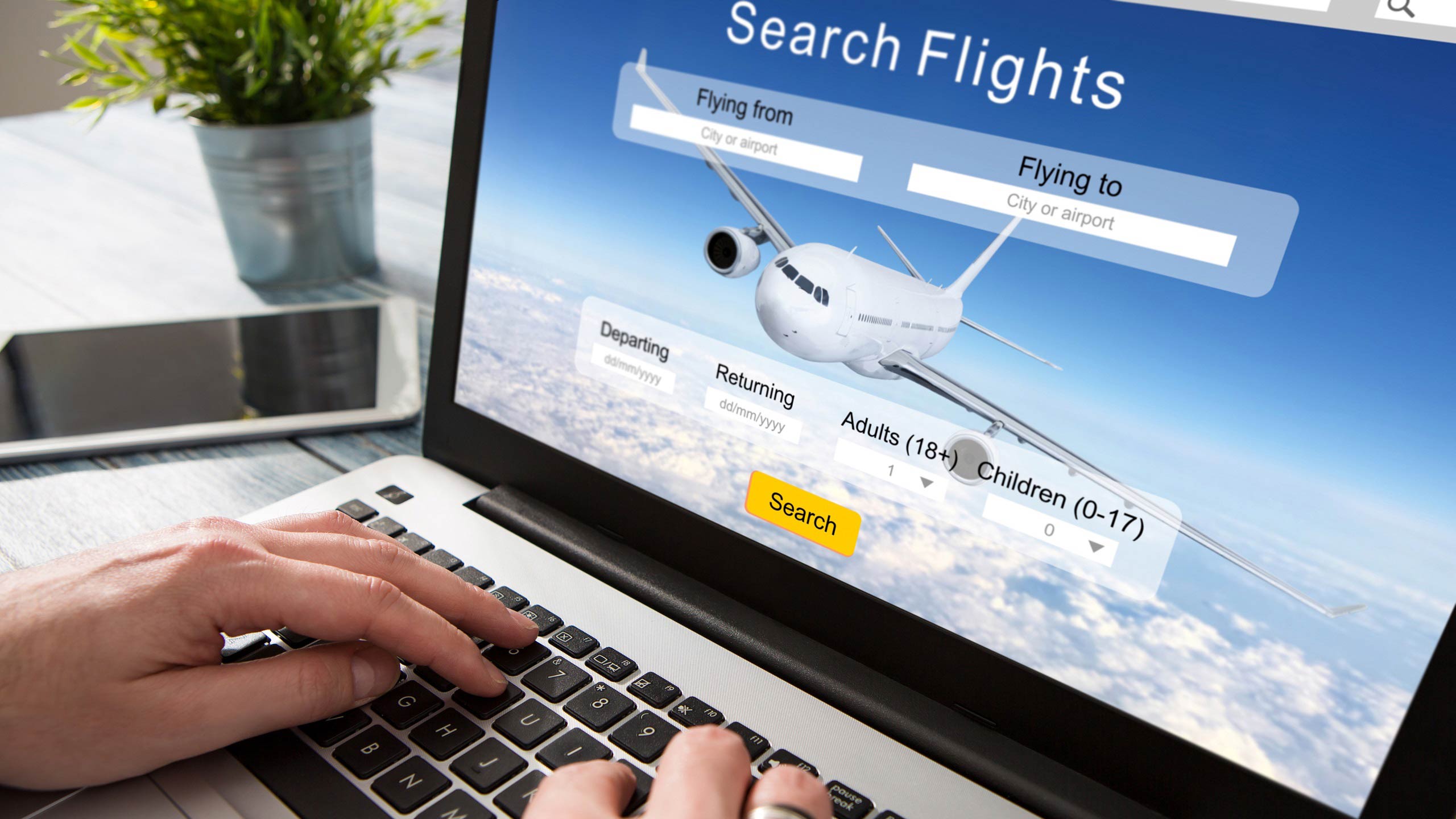
As the majority of web traffic shifts to mobile, the question of where to book a flight is increasingly answered by “in the app.” This is not just a change in screen size; it is a shift in the entire technological philosophy of travel.
UI/UX Optimization and Native Functionality
Flight booking apps leverage native mobile features that websites cannot. Push notifications for gate changes, real-time luggage tracking via IoT (Internet of Things) sensors, and offline digital boarding passes integrated into mobile wallets (like Apple Wallet or Google Pay) create a frictionless ecosystem.
Modern travel apps are designed with “Atomic Design” principles, ensuring that the complex data of a flight itinerary is broken down into digestible, interactive components. This includes the use of haptic feedback for confirmation and biometric authentication (FaceID or fingerprints) to finalize high-value transactions securely.
The Rise of the Travel “Super App”
In regions like Asia, apps like Grab and AirAsia (now Move) are evolving into “Super Apps.” These platforms aim to own the entire travel lifecycle. Within a single tech stack, a user can book a flight, secure a ride-share to the airport, order an in-flight meal, and book a hotel. The technical integration required for this is immense, involving a “microservices” architecture where different modules communicate via a centralized data hub, providing a seamless user identity across multiple service verticals.
Direct-to-Consumer Tech: The Airline Digital Transformation
While third-party platforms offer variety, airlines have invested billions into their own digital infrastructure to reclaim the relationship with the customer. This is known as the “Direct-to-Consumer” (DTC) push, powered by a new technological standard called NDC.
NDC: New Distribution Capability
For decades, the data sent from airlines to travel agents was limited by the “Edifact” standard, a legacy protocol from the 1980s that could only transmit basic text-based fare info. The International Air Transport Association (IATA) introduced NDC (New Distribution Capability), an XML-based data transmission standard.
NDC allows airlines to bypass the limitations of old GDS systems. It enables them to sell “rich content”—including seat upgrades, Wi-Fi packages, and lounge access—directly through their websites and mobile apps. When you book directly on an airline’s site today, you are interacting with a modern API that can offer personalized bundles based on your frequent flyer profile, a level of customization that legacy systems struggle to match.
Cybersecurity and Digital Identity
Booking a flight involves transmitting sensitive personal and financial data, including passport numbers and credit card details. The technology behind the “Book Now” button involves multiple layers of security. This includes Transport Layer Security (TLS) for data in transit and PCI-DSS compliance for handling payment information.
Furthermore, the industry is moving toward “Self-Sovereign Identity” (SSI). Future booking platforms may use decentralized identifiers (DIDs) that allow travelers to verify their identity without sharing all their underlying data, reducing the risk of identity theft during the booking process.
Future Trends: Blockchain and Decentralization
The future of where we book flights may lie in decentralized protocols. While still in the experimental phase, blockchain technology offers a way to eliminate the “middleman” fees associated with OTAs and GDS systems.
Smart Contracts in Aviation
Imagine a booking platform where the “ticket” is a Non-Fungible Token (NFT). Using smart contracts on a blockchain, the rules of the ticket (refundability, change fees) are baked into the code. If a flight is delayed, the smart contract could automatically trigger a refund to the traveler’s digital wallet without the need for manual claims or customer service intervention.
Platforms like Winding Tree are already working on decentralized travel marketplaces. These systems aim to connect the airline’s inventory directly to the consumer’s interface via a peer-to-peer network. This would significantly reduce the “distribution cost” that airlines currently pay to GDS providers, potentially leading to lower fares and more transparent pricing.

Integration with the Metaverse
While it may seem futuristic, some airlines and booking platforms are exploring “Metaverse” interfaces. This would allow a traveler to “walk” through a virtual representation of the aircraft cabin before booking a seat. Using Web3 and VR technology, the booking process becomes an immersive experience, allowing for a better understanding of the physical product—legroom, seat width, and cabin layout—before any financial commitment is made.
In conclusion, when you ask “where can I book a flight,” you are standing at the intersection of decades of legacy computing and the cutting edge of AI and decentralized finance. Whether you choose an OTA for its aggregation power, a meta-search engine for its data depth, or an airline’s direct app for its personalized features, you are engaging with one of the most sophisticated technological ecosystems on the planet.
aViewFromTheCave is a participant in the Amazon Services LLC Associates Program, an affiliate advertising program designed to provide a means for sites to earn advertising fees by advertising and linking to Amazon.com. Amazon, the Amazon logo, AmazonSupply, and the AmazonSupply logo are trademarks of Amazon.com, Inc. or its affiliates. As an Amazon Associate we earn affiliate commissions from qualifying purchases.