
In the ever-evolving landscape of personal computing, the input device often takes a backseat to the powerhouse processor or the vibrant display. Yet, the humble mouse remains our primary conduit to the digital world. While the standard click-and-scroll affair has served us well for decades, innovators have continuously sought to refine this interaction. Enter the “Magic Mouse,” a term that, while not an officially designated product category by Apple in the way “MacBook” or “iPad” is, has become synonymous with Apple’s unique approach to a computer mouse – one that blends intuitive gesture control with elegant design. But what exactly is a Magic Mouse, and how does it stand apart in a crowded tech market?

This article will delve into the essence of what constitutes an Apple Magic Mouse, exploring its technological underpinnings, its brand identity, and its place within the broader ecosystem of productivity and digital interaction. We’ll examine how this seemingly simple peripheral leverages cutting-edge technology to offer a distinct user experience, how its design contributes to a powerful brand image, and how it fits into the financial considerations of both individual users and professional workflows.
The Technological Innovation Behind the Magic
The defining characteristic of an Apple Magic Mouse, and what truly elevates it beyond a conventional pointing device, lies in its innovative input surface. Unlike traditional mice that rely on physical buttons and scroll wheels, the Magic Mouse features a smooth, multi-touch surface. This allows for a range of gestures that mimic those found on Apple’s popular iOS devices, such as the iPhone and iPad.
Gesture Control: More Than Just Clicking
This gesture-based interaction is where the “magic” truly resides. Instead of a separate scroll wheel, users can swipe up or down on the surface to scroll through documents, web pages, or lists. Swiping horizontally allows for navigation between pages or tabs. Pinching to zoom in and out is also supported, providing a more fluid and natural way to adjust the view of images or documents.
The implementation of these gestures is powered by sophisticated capacitive touch sensors embedded beneath the mouse’s outer shell. These sensors detect the presence and movement of your finger, translating subtle swipes, taps, and multi-finger gestures into commands that control on-screen actions. This technological leap eliminates the need for clunky mechanical parts, contributing to the mouse’s sleek and minimalist aesthetic.
Furthermore, the Magic Mouse typically supports two-button clicking through tapping. A tap on the left side registers as a left-click, while a tap on the right side functions as a right-click. This design choice maintains the essential functionality of a traditional mouse while integrating it seamlessly into the touch-sensitive surface.
Seamless Connectivity and Power Management
Beyond its touch capabilities, the Magic Mouse distinguishes itself through its wireless connectivity and power management. It connects to Mac computers via Bluetooth, offering a clutter-free desk setup. Early iterations featured replaceable batteries, but the subsequent generations adopted a built-in rechargeable lithium-ion battery, charged via a Lightning port. While the placement of this port on the underside of the mouse has been a point of contention for some users (as it renders the mouse unusable while charging), it signifies Apple’s commitment to an integrated and streamlined design, eliminating the need for external battery replacements.
The underlying technology also extends to its power efficiency. The Magic Mouse is designed to go into a low-power sleep mode when not in use, conserving battery life. Intelligent power management ensures that the device remains ready for use with minimal delay when you pick it up again.
Brand Identity: Elegance, Simplicity, and the Apple Ecosystem
The Magic Mouse is not merely a piece of hardware; it is an embodiment of the Apple brand. Its design, functionality, and integration into the Apple ecosystem all contribute to a powerful and consistent brand identity.
Minimalism and Premium Aesthetics
From its inception, the Magic Mouse has been characterized by its minimalist design. It eschews sharp edges and overt branding, opting instead for smooth, sculpted curves and a clean, unibody-like construction. Available in finishes like silver and space gray (matching Apple’s computer lineups), the Magic Mouse projects an air of sophistication and premium quality. This visual language aligns perfectly with the broader Apple brand, which emphasizes clean lines, high-quality materials, and an uncluttered user experience.
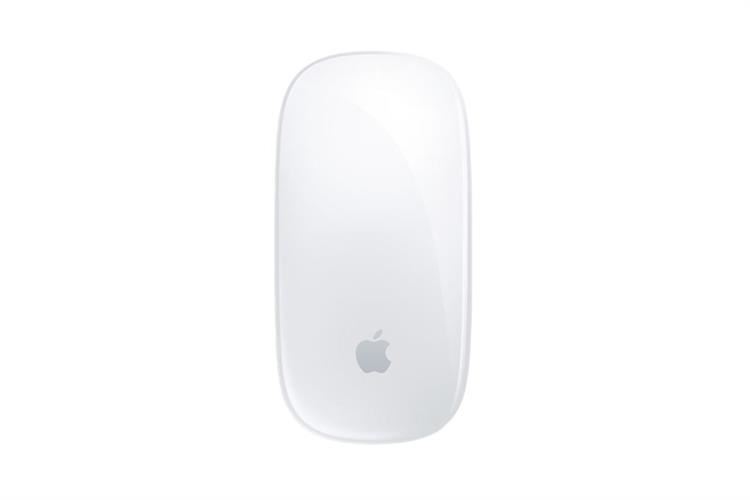
The touch surface itself is a testament to this design philosophy. The absence of visible buttons or scroll wheels creates a visually seamless and elegant object. This focus on aesthetics is a deliberate branding strategy, positioning the Magic Mouse not just as a tool, but as a design object that complements the user’s workspace.
Ecosystem Integration and User Experience
A significant aspect of the Magic Mouse’s brand appeal lies in its deep integration with macOS. The gesture controls are intuitively mapped to the operating system’s functions, providing a cohesive and fluid user experience. For users already invested in the Apple ecosystem, the Magic Mouse feels like a natural extension of their devices. The transition between navigating on an iPhone or iPad and using the Magic Mouse on a Mac is remarkably smooth, reinforcing the idea of a unified and user-friendly digital environment.
This ecosystem play is a core tenet of Apple’s branding. By offering peripherals that work seamlessly with their computers and other devices, Apple creates a sticky environment that encourages users to remain within their product family. The Magic Mouse, with its unique interaction model and strong brand association, is a prime example of this strategy in action.
Money Matters: Productivity, Investment, and Value
While often seen as a luxury peripheral, the Magic Mouse’s place in the “Money” category of our website exploration is multifaceted. It impacts personal finance through its role in productivity, can be viewed as an investment in a digital workflow, and its perceived value is intrinsically linked to its brand and technological offerings.
Enhancing Productivity and Workflow Efficiency
For individuals and professionals who spend significant time interacting with their computers, an efficient and comfortable input device can have a tangible impact on productivity. The intuitive gesture controls of the Magic Mouse can streamline common tasks, potentially saving valuable minutes throughout the day. For those who frequently scroll through lengthy documents, navigate complex software, or browse multiple web pages, the ability to do so with a simple swipe can lead to a smoother and less fatiguing workflow.
In the context of online income generation, side hustles, or demanding professional roles, time is money. A tool that can shave off seconds per task, and minutes per hour, can cumulatively contribute to greater output and, consequently, greater earning potential. While the initial cost of a Magic Mouse is higher than many standard mice, its potential to boost efficiency can be seen as an investment in one’s earning capacity.
The “Investment” in a Seamless Digital Experience
From a financial perspective, the Magic Mouse can be viewed as an investment in a premium digital experience. While a budget mouse can perform the basic functions, the Magic Mouse offers an enhanced level of interaction that some users find indispensable for their creative or professional endeavors. For graphic designers, video editors, programmers, or anyone who relies heavily on precise and fluid cursor control, the added functionality and intuitive design can be worth the premium price tag.
This aligns with the concept of investing in tools that enhance one’s work or passion. Just as a professional photographer invests in high-quality lenses, a digital professional might invest in a premium input device that optimizes their interaction with their primary tools. The longevity of Apple products, coupled with their strong resale value, can also contribute to the perception of the Magic Mouse as a worthwhile investment.

Understanding the Value Proposition: Cost vs. Benefit
Ultimately, the financial justification for purchasing a Magic Mouse hinges on its value proposition. For casual users, the benefits of gesture control might not outweigh the cost compared to a standard mouse. However, for power users and those who appreciate the Apple design philosophy and seamless ecosystem integration, the Magic Mouse offers a distinct set of advantages.
When considering the “Money” aspect, it’s important to look beyond the sticker price. The Magic Mouse’s contribution to productivity, its role within a premium computing experience, and its alignment with a respected brand all play a part in its perceived financial worth. It’s a device that appeals to those who prioritize a refined user experience and are willing to invest in tools that align with their digital lifestyle and professional needs.
In conclusion, the Magic Mouse represents more than just an evolution of the computer mouse. It is a carefully crafted fusion of advanced technology, distinctive brand identity, and thoughtful consideration of the user’s financial investment in their digital tools. It embodies Apple’s philosophy of creating products that are both aesthetically pleasing and functionally innovative, offering a unique and “magical” way to interact with the digital world.
aViewFromTheCave is a participant in the Amazon Services LLC Associates Program, an affiliate advertising program designed to provide a means for sites to earn advertising fees by advertising and linking to Amazon.com. Amazon, the Amazon logo, AmazonSupply, and the AmazonSupply logo are trademarks of Amazon.com, Inc. or its affiliates. As an Amazon Associate we earn affiliate commissions from qualifying purchases.