
The transformation of the aviation industry from paper-based ticketing to a global, interconnected digital ecosystem represents one of the most significant achievements in consumer technology. Ordering airline tickets online is no longer just a convenience; it is a complex interaction involving high-speed data exchange, sophisticated algorithms, and robust cybersecurity protocols. For the modern user, understanding the technical landscape of online booking is essential to navigating the process efficiently and securely.
The Architecture of Modern Air Travel Platforms
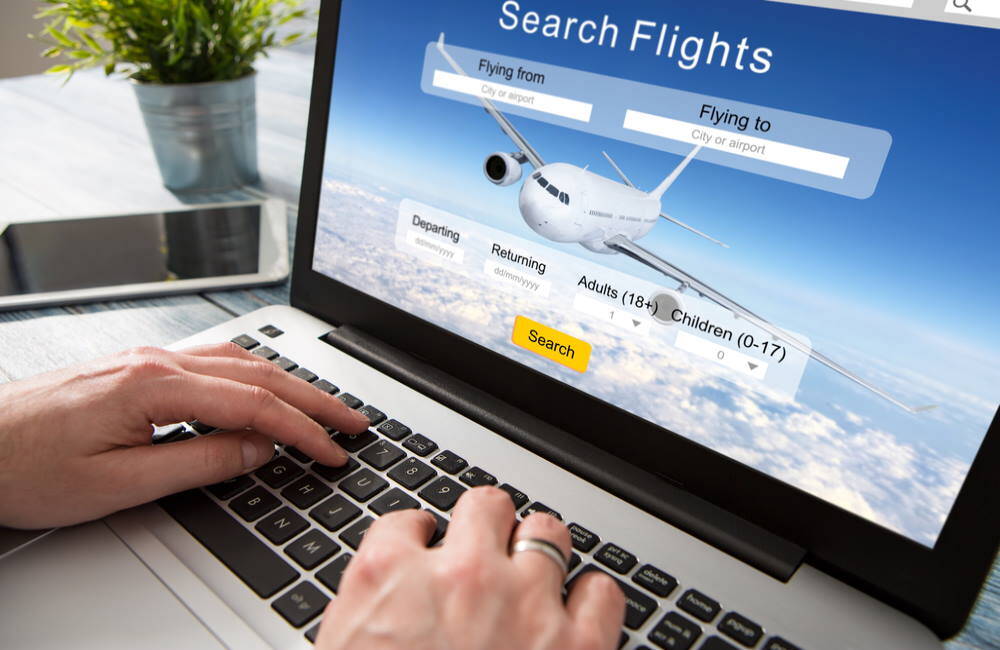
At its core, ordering a ticket online is an exercise in data synchronization across several layers of technology. When you enter your destination into a search bar, you are initiating a query that travels through a multi-tiered infrastructure designed to return results in milliseconds.
Understanding Global Distribution Systems (GDS)
The backbone of the entire airline booking industry is the Global Distribution System (GDS). These are massive computer networks that act as intermediaries between airlines and travel service providers. The primary players—Sabre, Amadeus, and Travelport—house the inventory, schedules, and fare data for hundreds of airlines.
When you use a booking platform, the site sends a request to a GDS via an Application Programming Interface (API). The GDS processes the request, checks real-time seat availability, and returns the data to the user interface. Without the GDS, the digital travel market would be fragmented, requiring users to check every individual airline website manually.
The Role of Online Travel Agencies (OTAs) and Metasearch Engines
While a GDS provides the raw data, Online Travel Agencies (OTAs) like Expedia or Booking.com provide the software interface to consume that data. OTAs often use proprietary algorithms to bundle flights with hotels or cars, creating a comprehensive travel package.
Metasearch engines, such as Kayak or Google Flights, operate a layer above the OTAs. They do not sell tickets directly; instead, they crawl the web and aggregate data from dozens of OTAs and airline direct sites. From a technical standpoint, these platforms utilize advanced web scraping and dedicated API integrations to ensure the prices displayed are as current as possible, though the “cache” lag can sometimes lead to price fluctuations during the checkout process.
Navigating the Booking Interface: Tools and Software Optimization
The user experience (UX) of booking a flight is highly optimized to guide a user from search to purchase. However, the software environment you choose can significantly impact the efficiency and security of your transaction.
Web Browsers vs. Mobile Apps
Choosing between a desktop browser and a mobile application involves different technical trade-offs. Desktop environments offer a broader view of complex data, such as multi-city itineraries and detailed seat maps. They also allow for the use of browser extensions that can track price history or automate the entry of loyalty program credentials.
Mobile apps, conversely, are built for speed and biometric security. Most modern airline apps utilize FaceID or fingerprint scanning to authorize payments, which adds a layer of hardware-backed security that many desktop environments lack. Furthermore, apps often use “push” technology to provide real-time updates on gate changes and boarding times, which are integrated directly into the device’s operating system.
Leveraging Filtering Algorithms and Advanced Search Tools
To order tickets effectively, users must master the filtering tools provided by the software. These are not merely visual toggles; they are parameters sent to the database query. Technical users can leverage “Matrix” search tools (such as the ITA Matrix) to perform highly granular searches using routing codes. These tools allow you to specify exact connection times, specific aircraft types, or even certain fare classes, providing a level of control that standard consumer interfaces often hide.
The Data Layer: Security, Privacy, and Dynamic Pricing
Every click during the booking process is tracked and analyzed. Understanding the underlying data layer can help you maintain privacy and ensure that the transaction is secure.

Secure Payment Gateways and Encryption Standards
When you reach the “checkout” stage, you are interacting with a Secure Socket Layer (SSL) or Transport Layer Security (TLS) encrypted environment. This is evidenced by the “https” in the URL. Behind the scenes, the airline or OTA uses a payment gateway that must comply with the Payment Card Industry Data Security Standard (PCI-DSS).
This standard ensures that your credit card data is never stored in plain text and is often “tokenized.” Tokenization replaces sensitive card data with a unique identifier (a token) so that even if the airline’s database is breached, the actual financial information remains inaccessible.
Cookies, User Agents, and Dynamic Pricing Algorithms
A common point of discussion in the tech community is the role of cookies in airline pricing. Airlines use “Dynamic Pricing” engines—AI-driven software that adjusts ticket costs in real-time based on supply, demand, and user behavior.
Technically, these systems look at your “User Agent” string (which identifies your operating system and browser), your IP address (for geographic location), and tracking cookies. While the myth that “clearing cookies always lowers prices” is debated, using a Virtual Private Network (VPN) or a “Private/Incognito” browser mode can sometimes prevent the pricing engine from identifying you as a returning visitor who is likely to buy, potentially avoiding “urgency” price hikes.
Step-by-Step Technical Execution of an Online Booking
Ordering a ticket is a linear process that moves through several states of data validation.
Input Validation and Inventory Syncing
The process begins with inputting your search parameters. Modern front-end frameworks (like React or Angular) perform “client-side validation” to ensure you haven’t selected a return date that is before your departure date.
Once you select a flight, the system performs a “soft lock” on that seat in the inventory database. This prevents two people from buying the same seat at the exact same millisecond. This state is temporary; if the payment is not completed within a specific timeframe (usually 10-20 minutes), the “lock” is released, and the seat returns to the general inventory.
Managing Digital Documentation and Mobile Wallets
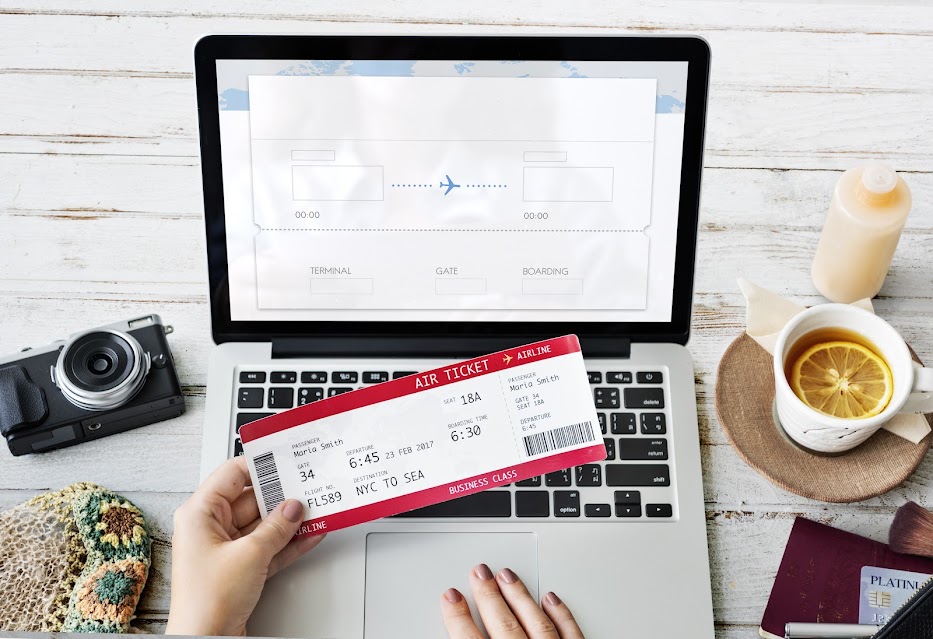
After the transaction is authorized, the system generates a Passenger Name Record (PNR). This is a unique alphanumeric code that acts as the primary key for your data in the airline’s database.
The software then generates an e-ticket, usually in the form of a PDF and a PKPASS file. The PKPASS format is specifically designed for mobile wallets (Apple Wallet/Google Pay). It contains encrypted data and a QR code or Aztec code that gate scanners can read. These digital documents are cryptographically signed to prevent tampering, ensuring that your boarding pass is authentic.
Troubleshooting and Future Trends in Travel Tech
Despite the robustness of these systems, technical errors can occur. Understanding how to troubleshoot and what the future holds can improve your digital travel experience.
API Timeouts and “Ghost” Inventory
One of the most frustrating technical issues is “ghost” inventory—where a flight appears available but fails during the final checkout. This usually happens due to a sync lag between the OTA and the GDS. If the API request times out or returns an “inventory exhausted” error code, the software should ideally refresh the view. If it doesn’t, the best technical recourse is to clear the site cache or attempt the booking through the airline’s direct API (their own website).
AI-Driven Itinerary Optimization
The next frontier in ordering airline tickets online is the integration of Generative AI and Machine Learning. New platforms are beginning to offer “natural language booking,” where a user can type a complex request like, “Find me a flight to London next Tuesday with at least five hours of layover in Paris for sightseeing,” and the AI will parse the request, query the GDS, and build the itinerary automatically.
Blockchain and Decentralized Booking Protocols
There is a growing movement toward using blockchain technology to decentralize seat inventory. Projects like Winding Tree aim to bypass the traditional GDS intermediaries, allowing airlines to publish their inventory directly onto a distributed ledger. This could potentially reduce the “distribution fees” that are often passed on to the consumer and provide a more transparent, immutable record of ticket ownership.
By understanding the technical underpinnings of how airline tickets are ordered online—from GDS databases and API integrations to encryption standards and AI optimization—users can navigate the digital travel landscape with greater precision. As the tech continues to evolve toward more decentralized and intelligent systems, the process of moving from a digital search to a physical seat in the sky will only become more seamless and secure.
aViewFromTheCave is a participant in the Amazon Services LLC Associates Program, an affiliate advertising program designed to provide a means for sites to earn advertising fees by advertising and linking to Amazon.com. Amazon, the Amazon logo, AmazonSupply, and the AmazonSupply logo are trademarks of Amazon.com, Inc. or its affiliates. As an Amazon Associate we earn affiliate commissions from qualifying purchases.