
In the realm of filmmaking, a “long shot” is a fundamental camera setup that offers a vast perspective, capturing a wide expanse of the environment or a large number of characters. It’s a powerful tool in a cinematographer’s arsenal, used to establish setting, convey scale, reveal character relationships, and imbue a scene with specific emotional weight. Far from being a simple wide-angle view, the strategic deployment of a long shot is a deliberate choice, intricately linked to the narrative, the desired mood, and the overall visual language of a film. Understanding its purpose and application is key to appreciating the art and science behind how stories are told through images.
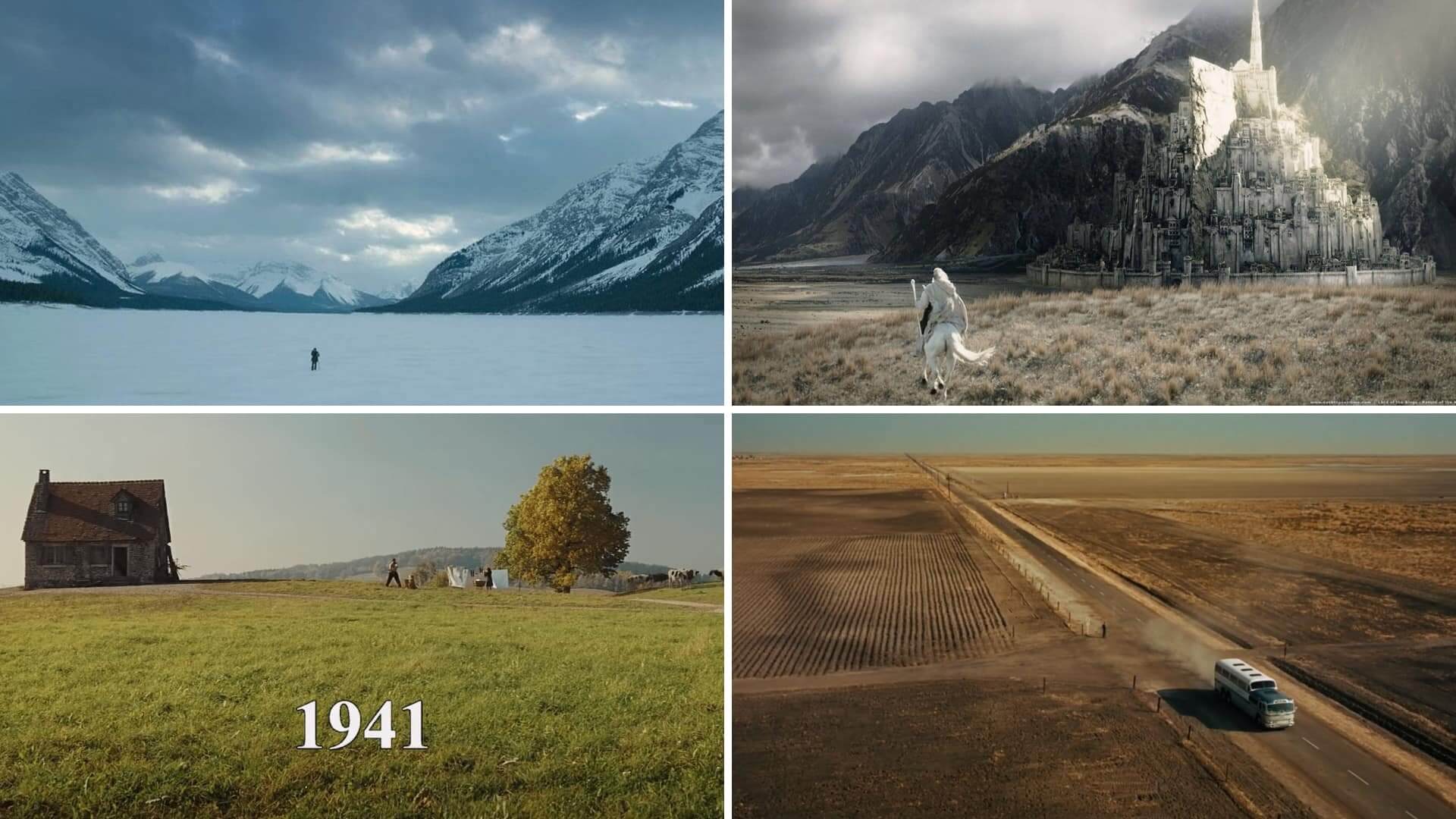
The concept of a long shot, often interchangeably referred to as an “extreme long shot” (ELS) or “wide shot” (WS), is defined by the distance between the camera and its subject. In an ELS, the subject, if present at all, appears very small within the frame, emphasizing the environment and its sheer scale. A standard long shot still prioritizes the surroundings but might offer a slightly more discernible human presence. This deliberate framing choice immediately signals to the audience that the context is paramount.
The Foundational Role of the Long Shot in Establishing Context and Scale
The most immediate and perhaps most crucial function of a long shot is its ability to establish the scene and its environment. Before a single word of dialogue is spoken or an action unfolds, a well-executed long shot can transport the audience to a specific location, be it a sprawling cityscape, a desolate desert, a majestic mountain range, or the intimate confines of a room. This environmental storytelling is vital. It grounds the narrative, providing a tangible world for the characters to inhabit and interact within.
Consider a film set in a bustling metropolis. An opening long shot of towering skyscrapers, teeming streets, and the sheer density of human activity immediately communicates the character of the city – its energy, its anonymity, or its overwhelming nature. Conversely, a long shot of a solitary cabin in a vast, snowy wilderness instantly sets a tone of isolation, peace, or impending danger, depending on other visual cues like weather and lighting. This visual exposition saves the filmmakers the need for extensive dialogue or expositional scenes, allowing the audience to absorb the world organically.
Beyond just identifying the setting, long shots are indispensable for conveying scale and grandeur. When a character is dwarfed by their surroundings, it can evoke feelings of awe, insignificance, or power. A single figure standing at the edge of a colossal cliff overlooking an ocean, for instance, emphasizes their solitude and the immense forces of nature they are confronting. This is a common technique in epic films, science fiction, and historical dramas where the sheer scope of the story needs to be visually represented. The audience understands the challenges or the triumphs of the character by seeing them placed within a context that dwarfs them.
Furthermore, long shots are instrumental in depicting relationships and spatial dynamics between characters. When multiple characters are included in a long shot, their positioning and the distance between them can reveal a great deal about their social hierarchy, emotional distance, or the power dynamics at play. Two characters standing far apart in a cavernous room might suggest a strained relationship or a significant emotional divide, while characters clustered together in the foreground of a grand setting might indicate unity or shared purpose. This subtle visual storytelling allows for a more nuanced understanding of character interactions without overt dialogue.
Technical Considerations and Creative Applications of Long Shots
The effectiveness of a long shot is not solely dependent on its definition but also on the technical decisions made during its execution. Cinematographers employ various techniques to ensure that the long shot serves the narrative and enhances the visual storytelling.
Framing and Composition
Even within the broad definition of a long shot, there are variations in framing that significantly impact the scene.
-
Extreme Long Shot (ELS): In an ELS, the human figure is often invisible or appears as a mere speck. The primary focus is entirely on the landscape or environment. This is used to emphasize the vastness of a place, the isolation of a character, or to create a sense of impending doom or wonder before introducing the human element. Think of the iconic opening of Lawrence of Arabia with the vast desert stretching to the horizon, or the establishing shot of a spaceship in the void of space.
-
Long Shot (LS) / Wide Shot (WS): Here, the human figure is visible, but still relatively small within the frame, occupying perhaps one-third to one-half of the vertical height. The environment remains a dominant element, but the audience can clearly see the characters and their general actions. This is excellent for showing characters in their environment, engaging in activities, or interacting with each other at a distance. It allows for the audience to understand the context of their actions and their relationship to the setting.
The composition within a long shot is also critical. The rule of thirds, leading lines, and the use of negative space all come into play to guide the viewer’s eye and create visual interest. A character placed off-center in a vast landscape can highlight their isolation or their deliberate choice to stand apart. Symmetrical framing in a grand setting might convey order or power, while asymmetrical framing could suggest imbalance or a disruption of the status quo.
Camera Movement and Lens Choice

The choice of camera movement and lenses further refines the impact of a long shot.
-
Static Long Shots: A static long shot can create a sense of observation, allowing the audience to simply take in the scene. It can also feel more formal or documentary-like.
-
Panning and Tilting Long Shots: A slow pan across a landscape or a tilt from the ground up to the sky can reveal information gradually and build anticipation. This is particularly effective for showcasing sprawling sets or vast vistas.
-
Dolly and Crane Shots: A dolly shot moving forward into a long shot can create a sense of immersion, drawing the audience into the environment. A crane shot lifting up and out of a long shot can emphasize scale and provide a sweeping overview.
The lens choice is also significant. Wide-angle lenses are often associated with long shots, as they naturally encompass a wider field of view. However, cinematographers must be mindful of the distortion that wide-angle lenses can introduce, especially at the edges of the frame. They might opt for longer focal lengths in some cases to compress perspective and emphasize certain elements within the expansive frame, even if the overall shot is still considered a long shot.
Thematic and Emotional Resonance of Long Shots
Beyond their technical and contextual functions, long shots are potent tools for conveying thematic ideas and emotional resonance. Their deliberate use can profoundly influence how the audience perceives the narrative and its characters.
Conveying Isolation and Vulnerability
One of the most potent thematic uses of a long shot is to highlight isolation and vulnerability. When a character is depicted as a small entity within a vast and indifferent environment, it can evoke feelings of loneliness, insignificance, or the overwhelming nature of their circumstances. This is a powerful way to communicate a character’s emotional state without relying on dialogue. The sheer scale of the world around them emphasizes their personal struggles and the immense challenges they face. Think of a lone astronaut adrift in the vastness of space, or a single figure lost in a dense, dark forest.
Expressing Power and Dominance
Conversely, long shots can also be used to express power and dominance. A character who is framed against a backdrop that they command, or who is positioned in a way that suggests control over their surroundings, can exude an aura of authority. This could be a king surveying his kingdom from a high vantage point, or a business magnate standing on the rooftop of their skyscraper, looking down upon the city. The environment becomes an extension of their power, reinforcing their status within the narrative.
Creating a Sense of Ominousness or Foreboding
Long shots are also adept at building ominousness and foreboding. A slow, creeping camera movement into a long shot of an empty, dilapidated house, or a static shot of a desolate, fog-laden landscape, can create a palpable sense of dread and anticipation. The vastness of the scene, combined with its emptiness or decay, suggests that something unsettling is lurking just beyond the frame or is about to occur. This is a common technique in horror films and thrillers to heighten tension and prepare the audience for a disturbing revelation.

Juxtaposition for Thematic Effect
Finally, long shots can be used for thematic juxtaposition. By placing a specific character or object of focus within a broader, often contrasting environment, filmmakers can create powerful visual metaphors. For example, a single, vibrant flower blooming in the middle of a desolate, war-torn landscape can serve as a symbol of hope or resilience amidst despair. The contrast between the micro and macro elements within the frame creates a rich layer of meaning for the audience to interpret.
In conclusion, the long shot is far more than just a wide framing of the action. It is a deliberate and versatile cinematic technique that serves to establish setting, convey scale, reveal character relationships, and imbue scenes with profound thematic and emotional depth. From grand epics to intimate character studies, understanding and appreciating the art of the long shot is essential to deciphering the visual language of film and the myriad ways in which filmmakers communicate with their audience.
aViewFromTheCave is a participant in the Amazon Services LLC Associates Program, an affiliate advertising program designed to provide a means for sites to earn advertising fees by advertising and linking to Amazon.com. Amazon, the Amazon logo, AmazonSupply, and the AmazonSupply logo are trademarks of Amazon.com, Inc. or its affiliates. As an Amazon Associate we earn affiliate commissions from qualifying purchases.