
In the competitive landscape of the aviation industry, a brand is defined by more than just its logo or the color of its livery. For American Airlines, one of the world’s largest carriers, the brand experience is meticulously engineered through a series of touchpoints that begin long before a passenger steps onto the aircraft. One of the most critical, yet often overlooked, components of this brand strategy is the boarding process. By partitioning passengers into nine distinct boarding groups, American Airlines creates a visible hierarchy that rewards loyalty, reinforces premium positioning, and manages the logistical complexity of high-volume travel.
Understanding the structure of these groups offers a window into how American Airlines manages its corporate identity and customer relationship. This is not merely a logistical necessity; it is a sophisticated marketing tool designed to categorize consumers based on their value to the brand, their credit card affiliations, and their willingness to pay for premium services.
The Strategic Framework of American Airlines Boarding Groups
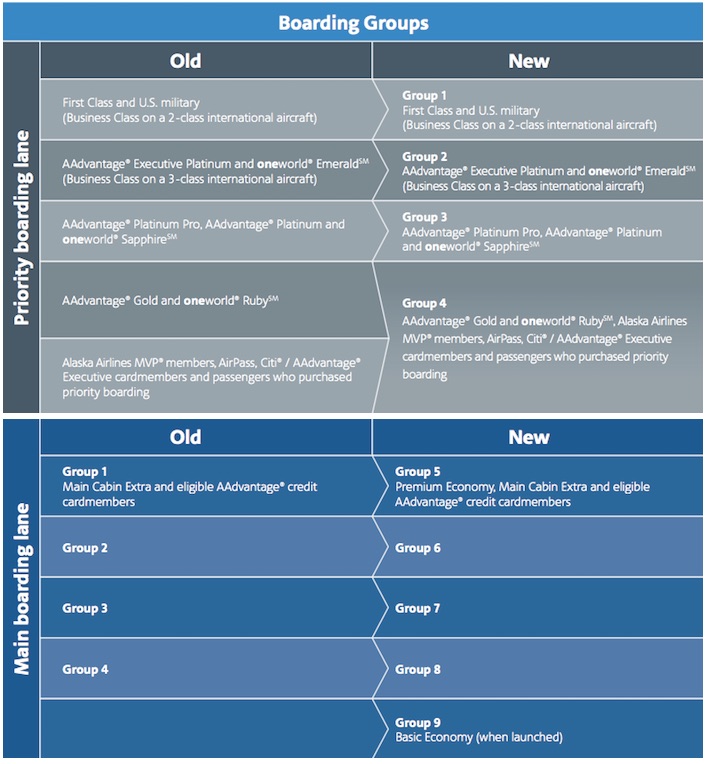
American Airlines utilizes a nine-group boarding system. This granular approach allows the brand to segment its audience with surgical precision. From a brand strategy perspective, this hierarchy serves as a physical manifestation of the AAdvantage loyalty program, creating a tangible sense of “status” that passengers can see and feel at the gate.
Group 1: The Pinnacle of Brand Exclusivity
At the very top of the hierarchy sits Group 1. This group is reserved for the brand’s most valued assets: ConciergeKey members, First Class passengers on three-class transcontinental flights, and First Class passengers on domestic flights. ConciergeKey is the “invite-only” tier of the American Airlines brand, a status so exclusive that its requirements are not publicly disclosed. By placing these individuals at the start of the boarding process, American Airlines reinforces a brand promise of seamlessness and priority for its highest-spenders.
Groups 2 Through 4: The Elite Status Tiers
Groups 2, 3, and 4 represent the core of the AAdvantage elite ecosystem. Group 2 typically includes Executive Platinum members and Oneworld Emerald members. Group 3 encompasses Platinum Pro and Platinum members, while Group 4 includes Gold members and those in Premium Economy.
For the brand, these groups represent “stickiness.” By providing early boarding to these tiers, American Airlines incentivizes travelers to consolidate their spending within the Oneworld alliance. The branding of these tiers—Platinum, Executive, Emerald—uses semiotics of precious metals and gems to signal value and durability, reinforcing the idea that the passenger is an “Elite” part of the American Airlines family.
Groups 5 Through 9: The General Boarding and Basic Economy Experience
Groups 5 through 9 cover the majority of the flying public. Group 5 is a critical “bridge” group, often including Main Cabin Extra passengers and eligible corporate travelers. Groups 6, 7, and 8 cover standard Main Cabin passengers, while Group 9 is reserved for Basic Economy.
From a brand positioning standpoint, Group 9 represents the entry-level offering. It allows American Airlines to compete with low-cost carriers on price while maintaining a premium brand image for the rest of the cabin. The delay in boarding for Group 9 acts as a subtle brand “nudge,” encouraging passengers to upgrade to a higher fare class in future bookings to avoid the logistical hurdles of late boarding.
Building Brand Loyalty Through Tiered Access
The nine-group system is a masterpiece of behavioral economics applied to brand management. It leverages the concept of “social proof” and “scarcity.” When a passenger stands at the gate and hears “Group 1” called, there is an immediate psychological association between that number and a higher social or professional status. This is the AAdvantage brand in action.
The AAdvantage Ecosystem
The American Airlines brand is inextricably linked to its loyalty program, AAdvantage. By integrating boarding groups directly into the loyalty tiers, the airline ensures that the brand remains top-of-mind for the consumer. Every time a traveler checks their boarding pass and sees “Group 3,” they are reminded of their standing within the brand’s ecosystem. If they are in “Group 7,” they are reminded of what they are missing out on.
This tiered access creates a “ladder of engagement.” A traveler might start as an infrequent flier in Group 7, but as they accumulate miles and interact more with the brand, they move up the ladder. This progression is a key part of the customer journey, turning a commodity service (transportation) into a goal-oriented experience.
Enhancing the Premium Identity
A significant part of American Airlines’ brand strategy is its focus on the “premium” traveler. By offering nine groups, the airline can ensure that those who have paid for a premium experience are not crowded by those in the general cabin. This preserves the “sanctity” of the premium brand. If a First Class passenger had to wait in a single line with 200 other people, the premium brand promise would be broken. The boarding groups act as a filter, protecting the high-end brand experience from the friction of mass-market travel.
Brand Partnerships: How Credit Cards Influence the Boarding Order
One of the most fascinating aspects of American Airlines’ brand strategy is how it uses its boarding process to support its financial partnerships. In the modern airline industry, the sale of frequent flier miles to credit card companies is often more profitable than the sale of seats. This reality is reflected directly in the boarding groups.
The Citi and Barclays Integration
Holders of certain co-branded credit cards, such as the Citi / AAdvantage Platinum Select or the AAdvantage Aviator Red World Elite Mastercard, are often granted Group 5 boarding. This is a powerful marketing tool. It allows the brand to offer a “shortcut” to status. Even if a traveler does not fly enough to earn elite status through miles, they can “buy” their way into an earlier boarding group by becoming a cardholder.
This creates a secondary brand identity: the “Privileged Partner.” The traveler is no longer just a customer of the airline; they are a customer of the entire American Airlines financial ecosystem. This synergy between the airline brand and the banking brand (Citi or Barclays) strengthens the overall value proposition.
Marketing the “Early Access” Perk
American Airlines and its partners heavily market “Preferred Boarding” as a key benefit of their credit cards. In advertising collateral, this is often depicted as a way to “beat the rush” or “ensure overhead bin space.” By positioning Group 5 as a coveted benefit, the brand successfully monetizes a logistical process. This turns a routine operational step into a revenue-generating brand feature.
The Impact of Boarding Logistics on Brand Reputation
While the nine-group system is a powerful branding tool, it also carries risks. If the process is not executed flawlessly, it can damage the brand’s reputation for efficiency and professionalism.
Managing the “Gate Lice” Phenomenon
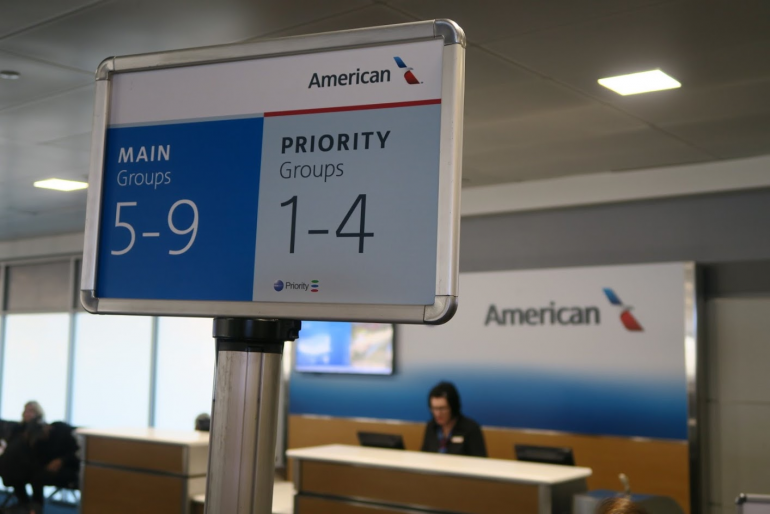
In travel circles, the term “gate lice” refers to passengers who crowd the boarding area long before their group is called. This creates a chaotic environment that contradicts the “sophisticated” and “professional” brand image American Airlines seeks to project. To combat this, the brand has invested in digital signage and clear floor markings at its hubs (like DFW, CLT, and ORD). These visual cues are part of the brand’s “Wayfinding” strategy, ensuring that the physical experience at the gate matches the digital experience in the app.
The Role of the App in Brand Consistency
The American Airlines mobile app is a critical extension of the brand. It provides real-time updates on which group is currently boarding. By digitizing the boarding process, the brand reduces friction and provides a sense of control to the passenger. This digital integration is essential for maintaining a modern, tech-forward brand identity in an industry that is often criticized for being antiquated.
Consistency Across the Global Network
For a global brand like American Airlines, consistency is everything. Whether a passenger is boarding in London, Tokyo, or Dallas, they expect the same nine-group structure. This consistency builds trust. A passenger knows exactly what to expect when they see their group number. This reliability is a cornerstone of corporate identity, ensuring that the brand promise is delivered uniformly across thousands of flights every day.
Conclusion: The Boarding Group as a Brand Signature
The nine boarding groups of American Airlines are far more than a way to fill an airplane. They are a sophisticated manifestation of brand strategy, loyalty management, and corporate partnership. By segmenting its audience, rewarding its most loyal customers, and integrating its financial partners into the gate experience, American Airlines has turned a mundane logistical task into a signature brand element.
In the world of brand strategy, every detail matters. From the naming of the groups to the color-coded boarding passes in the app, American Airlines uses its boarding process to communicate its values: exclusivity for the few, rewards for the loyal, and a structured, reliable experience for all. As the airline continues to evolve its brand in an ever-changing market, the boarding process will undoubtedly remain a central pillar of its customer experience strategy, proving that even a simple number can carry the weight of a multi-billion dollar brand identity.
aViewFromTheCave is a participant in the Amazon Services LLC Associates Program, an affiliate advertising program designed to provide a means for sites to earn advertising fees by advertising and linking to Amazon.com. Amazon, the Amazon logo, AmazonSupply, and the AmazonSupply logo are trademarks of Amazon.com, Inc. or its affiliates. As an Amazon Associate we earn affiliate commissions from qualifying purchases.