
The era of visiting a physical travel agency and walking away with a carbon-copy paper ticket stapled to a folder is long gone. Today, getting a plane ticket is an exercise in navigating a sophisticated global digital ecosystem. For the modern traveler, the question is no longer about “where” to buy a ticket, but “how” to leverage current technology to secure the best route, price, and security. Understanding the underlying software, the algorithms that drive pricing, and the digital tools available is essential for anyone looking to master the 21st-century booking process.

The Digital Infrastructure: Understanding GDS and APIs
To get a plane ticket today, your request travels through a complex web of legacy systems and modern interfaces. The backbone of this entire process is the Global Distribution System (GDS). Before you ever see a price on your screen, a massive network is working behind the scenes to verify seat availability and pricing.
The Role of Global Distribution Systems (GDS)
A GDS is a computerized network system that enables automated transactions between travel service providers (airlines) and travel agencies (both online and offline). Major players like Amadeus, Sabre, and Travelport hold the keys to this kingdom. When you search for a flight, your request is sent to these systems, which aggregate data from hundreds of airlines in real-time. These systems were some of the first large-scale, real-time data networks in the world, and they remain the foundation upon which all modern booking software is built.
New Distribution Capability (NDC) and Modern APIs
While the GDS has been the standard for decades, a newer technological framework called New Distribution Capability (NDC) is transforming how we get plane tickets. Developed by the International Air Transport Association (IATA), NDC uses XML-based APIs to allow airlines to deliver richer content directly to the consumer. This means that instead of just seeing a price for a seat, the technology allows for “bundled” offers—such as Wi-Fi, lounge access, or extra baggage—to be integrated directly into the initial booking flow. When you use a high-end travel app, you are likely interacting with these sophisticated APIs that pull personalized data to streamline your purchase.
Online Travel Agencies (OTAs) vs. Meta-search Engines
From a technical standpoint, there is a significant difference between an OTA (like Expedia or Orbitz) and a meta-search engine (like Skyscanner or Google Flights). An OTA is a digital storefront that performs the transaction, acting as the merchant of record. A meta-search engine, however, is a data aggregator that scrapes and indexes information from hundreds of OTAs and airline websites simultaneously. Navigating this tech landscape requires knowing that while meta-search engines provide the widest data set, the actual ticket acquisition happens through an API handshake with the airline or an OTA.
Leveraging AI and Big Data for Price Optimization
Getting a plane ticket is no longer just about clicking “buy.” It is about timing, and that timing is dictated by complex pricing algorithms. Airlines use dynamic pricing—a sophisticated form of AI-driven revenue management—to adjust ticket costs by the minute based on demand, competitor pricing, and historical data.
Predictive Analytics and Forecasting Tools
To counter the airlines’ dynamic pricing, consumers now have access to predictive analytics tools. Apps like Hopper or the “price graph” features on Google Flights use machine learning to analyze trillions of historical data points. These tools can predict with high accuracy whether the price of a specific ticket will rise or fall in the next 48 hours. By utilizing these AI tools, you are essentially using “defensive tech” to ensure you aren’t purchasing a ticket at a temporary peak in the algorithm’s cycle.
Algorithmic Flight Hacking
Technical enthusiasts often look for “hidden-city” ticketing or “throwaway” ticketing. This involves using software like Skiplagged to find flights where the desired destination is actually a layover on a longer, cheaper route. While airlines discourage this practice, the technology behind these search engines is a testament to the power of modern data processing. These platforms index “creative” routing that standard GDS searches often ignore, providing a different technical pathway to securing a ticket.
The Impact of Cookies and Geo-Pricing
A common point of discussion in the tech community is the role of browser cookies and IP addresses in ticket pricing. Many booking platforms use tracking scripts to monitor user intent. If the system detects multiple searches for the same route, it may trigger a slight price increase to create a sense of urgency. To mitigate this, tech-savvy users often utilize Virtual Private Networks (VPNs) to mask their location and Incognito mode to clear cache and cookies. By changing your digital footprint to a different country via a VPN, you can sometimes access localized pricing tiers that aren’t available in your home region, as airlines often price tickets differently based on the purchasing power or currency of the user’s IP location.
Security, Authentication, and the Digital Wallet
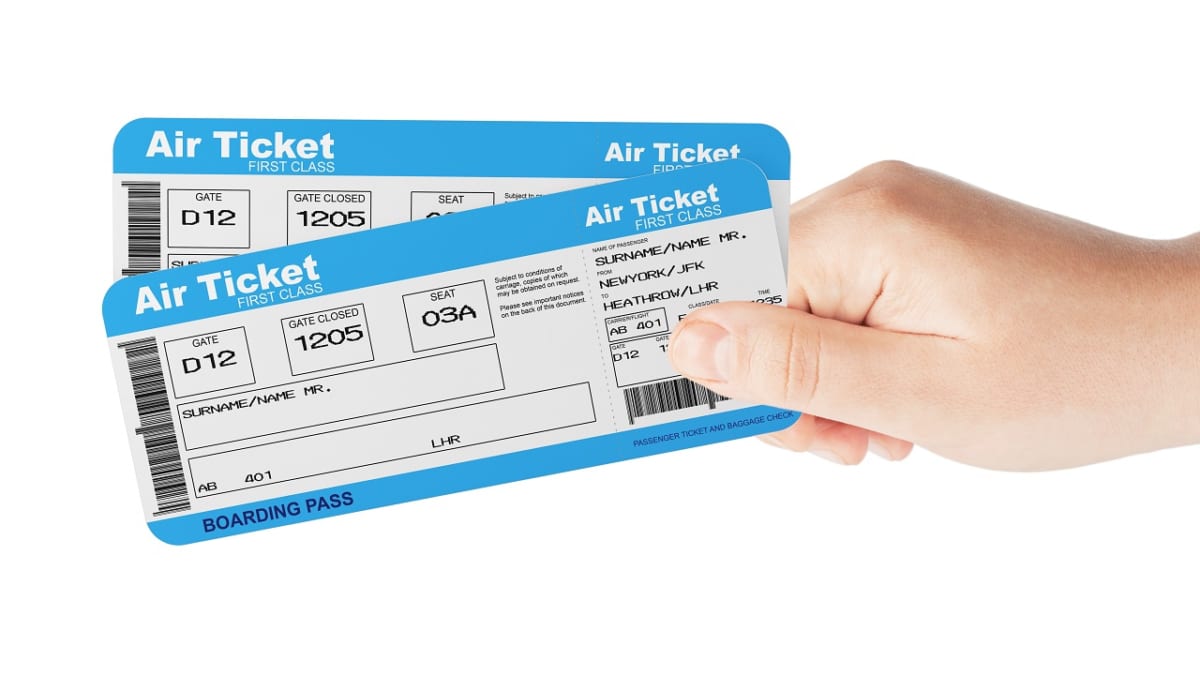
Once you have selected your flight, the “getting” of the ticket moves into the realm of fintech and cybersecurity. A plane ticket is no longer a physical object; it is a digital asset tied to a unique PNR (Passenger Name Record) code.
Securing the Transaction
When you enter your payment information, you are engaging with secure payment gateways that use SSL (Secure Sockets Layer) encryption. Modern booking platforms have integrated multi-factor authentication (MFA) and 3D Secure protocols to prevent fraudulent transactions. For the user, this means the process of getting a ticket is now heavily reliant on your digital identity. Biometric authentication—such as FaceID or fingerprint scanning on mobile devices—has become a standard layer of security for confirming high-value purchases like international airfare.
The Rise of the Digital Wallet
The final stage of getting a plane ticket is the delivery of the “Boarding Pass.” This has moved from an email attachment to a dynamic object in a digital wallet (Apple Wallet or Google Pay). These digital tickets utilize Near Field Communication (NFC) and dynamic QR codes. The advantage of this technology is real-time synchronization; if your gate changes or your flight is delayed, the metadata within the digital ticket updates automatically via push notifications. This creates a living link between the airline’s server and your hardware, a far cry from the static nature of paper tickets.
Digital Security and Data Privacy
In the process of getting a ticket, you provide a wealth of Personal Identifiable Information (PII), including passport numbers and credit card data. It is crucial to use platforms that comply with GDPR (General Data Protection Regulation) or CCPA (California Consumer Privacy Act). Understanding the “Permissions” section of a travel app is a vital tech skill; you should know whether your travel data is being sold to third-party advertisers or kept within the airline’s encrypted ecosystem.
The Future Frontier: Blockchain and Decentralized Ticketing
The technology used to get a plane ticket is currently on the verge of another massive shift: the transition to decentralized ledger technology (DLT). While still in its nascent stages, blockchain has the potential to solve many of the inefficiencies in the current GDS-based system.
Tokenization of Tickets (NFTs)
Imagine a plane ticket as a non-fungible token (NFT). Currently, plane tickets are non-transferable and notoriously difficult to change or refund. By moving tickets onto a blockchain, the “ticket” becomes a digital asset that can be securely traded or resold on a secondary market if the passenger can no longer travel. Several airlines have already begun experimenting with “NFTickets,” which allow for transparent ownership and simplified re-issuance without the need for a centralized intermediary.
Smart Contracts for Automated Compensation
One of the most frustrating parts of the modern travel experience is dealing with delays and cancellations. Future booking tech will likely integrate “Smart Contracts.” These are self-executing contracts with the terms of the agreement directly written into lines of code. If the airline’s data feed indicates a flight delay of more than three hours, the smart contract could automatically trigger a partial refund or a lounge voucher to the traveler’s digital wallet, bypassing the need for manual claims and customer service queues.
Decentralized Identity (DID)
The “How” of getting a ticket will eventually be streamlined through Decentralized Identity. Instead of uploading a photo of your passport to five different travel sites, you will have a single, encrypted digital identity that you “lease” to the airline for the duration of your trip. This reduces the risk of data breaches and makes the “check-out” process nearly instantaneous.
Conclusion: Mastering the Tech-Driven Journey
Getting a plane ticket in the modern world is a sophisticated process that blends data science, cybersecurity, and global networking. By understanding the roles of GDS and APIs, leveraging the power of AI-driven price forecasting, and ensuring the security of your digital transactions, you move from being a passive consumer to a tech-literate traveler. As we look toward a future of blockchain-enabled travel and decentralized IDs, the process will only become more integrated into our digital lives. To get a plane ticket today is to interact with some of the most advanced software systems on the planet; mastering these tools is the key to seamless, efficient, and secure global travel.
aViewFromTheCave is a participant in the Amazon Services LLC Associates Program, an affiliate advertising program designed to provide a means for sites to earn advertising fees by advertising and linking to Amazon.com. Amazon, the Amazon logo, AmazonSupply, and the AmazonSupply logo are trademarks of Amazon.com, Inc. or its affiliates. As an Amazon Associate we earn affiliate commissions from qualifying purchases.