
The landscape of corporate communication has undergone a radical transformation, shifting from centralized call centers to a decentralized, tech-driven omnichannel ecosystem. For a global titan like American Airlines, the question of “how can I contact” the brand is no longer answered by a single telephone directory. Instead, it involves navigating a sophisticated stack of Artificial Intelligence (AI), cloud-based synchronization, and mobile-first software architectures. In the modern era, contacting American Airlines is an exercise in utilizing cutting-edge digital tools designed to streamline the user experience through automation, biometric security, and real-time data processing.
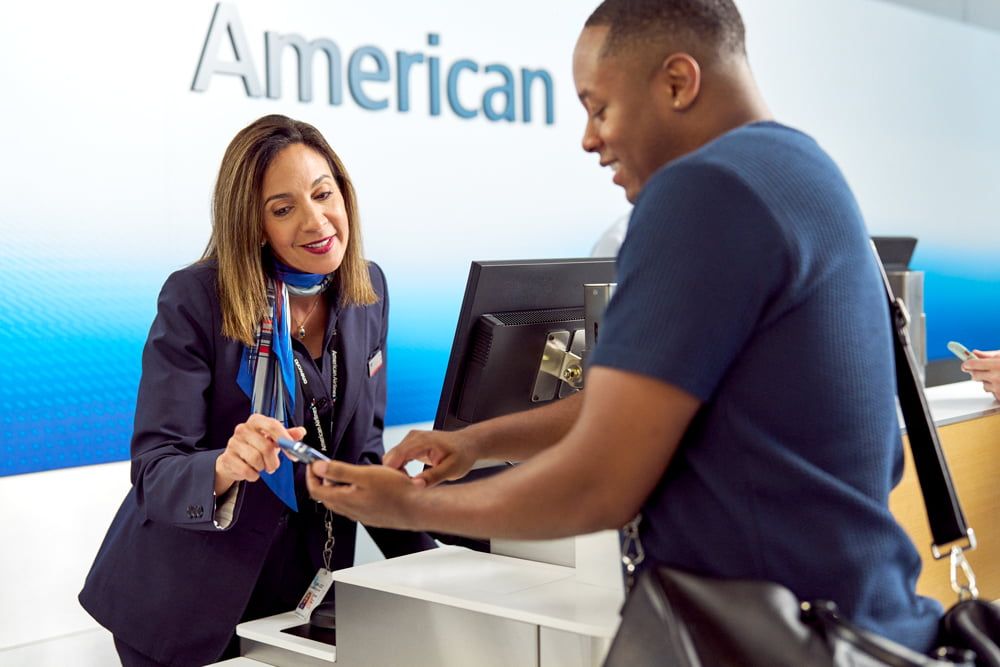
The Evolution of Digital Touchpoints: From Voice to Omnichannel Connectivity
The traditional paradigm of customer support—the legacy Interactive Voice Response (IVR) system—has been largely superseded by an integrated digital ecosystem. When a traveler seeks to contact American Airlines today, they are interacting with a high-bandwidth infrastructure that prioritizes asynchronous communication over synchronous voice calls. This shift is driven by the need for scalability and the desire to reduce latency in high-traffic scenarios, such as weather-related disruptions or peak holiday travel windows.
Leveraging the American Airlines Mobile App
The cornerstone of the airline’s technical interface is its proprietary mobile application. Developed with a focus on User Experience (UX) and User Interface (UI) design, the app serves as a portal that bridges the gap between the traveler and the airline’s back-end databases. Within the app, the contact interface is not merely a “Contact Us” page; it is a sophisticated dashboard integrated with the Sabre Global Distribution System (GDS).
By utilizing the app’s “Chat” feature, users engage with a system built on robust API integrations. This allows for real-time ticket reissuance, seat assignments, and baggage tracking without the need for a human intermediary. The technical advantage of using the app for contact lies in its ability to pass session tokens and authenticated user data directly to the support infrastructure, eliminating the need for manual identity verification and drastically reducing “time-to-resolution” metrics.
AI-Driven Chatbots and Natural Language Processing (NLP)
At the heart of American Airlines’ digital contact strategy is the deployment of Natural Language Processing (NLP) algorithms. When a user initiates a chat session, they are typically greeted by a virtual assistant. This AI is trained on massive datasets of historical customer interactions, allowing it to parse complex queries and provide instant, context-aware responses.
These chatbots are more than simple decision trees; they utilize machine learning to improve their accuracy over time. If a query exceeds the bot’s current confidence threshold, the system employs a “seamless handoff” protocol, transferring the entire chat transcript and user context to a human agent. This prevents the “repetition fatigue” that often plagues customer service experiences, ensuring that the transition from machine to human is invisible to the end-user.
Next-Gen Communication: Integrating Social Media and Real-Time Data
In the contemporary tech landscape, social media platforms have evolved into critical customer service channels. American Airlines has integrated these platforms into their broader Customer Relationship Management (CRM) software, allowing for a unified view of the customer across different digital environments.
High-Frequency Support via Social Platforms
Platforms like X (formerly Twitter) and Facebook Messenger serve as high-speed communication lanes. The technology behind this involves the use of specialized Social Listening tools and Enterprise Feedback Management (EFM) software. When a user tags the airline or sends a direct message, the text is ingested by a sentiment analysis engine.
This engine prioritizes messages based on keywords, urgency, and the user’s “influence score” or frequent flyer status. For tech-savvy travelers, these platforms offer a way to bypass traditional wait times. The back-end integration ensures that a DM sent via a smartphone is logged into the same central CRM database as a call made to the reservation desk, maintaining a single “source of truth” for every customer interaction.
Personalization Through Big Data Analytics
The efficacy of contacting American Airlines is significantly enhanced by the brand’s use of Big Data. Every time a customer reaches out, the system analyzes their history, preferences, and current flight status. This predictive analytics layer allows the support system to anticipate the reason for the contact.
For example, if a flight is delayed and a user opens the contact portal, the system may proactively offer rebooking options via a push notification or a prominent banner in the app. This proactive communication model reduces the load on the technical infrastructure by solving problems before the user explicitly asks for help, showcasing the power of data-driven customer service.
Cybersecurity and Data Privacy in Customer Communications
As the methods for contacting American Airlines become increasingly digitized, the importance of cybersecurity cannot be overstated. Communicating personal travel details, credit card information, and identity documents requires a secure, encrypted environment.
Protecting Sensitive Traveler Information
The communication channels utilized by American Airlines are protected by industry-standard encryption protocols, such as Transport Layer Security (TLS). Whether a user is using the web-based chat or the mobile app, the data in transit is encrypted to prevent man-in-the-middle attacks. Furthermore, the airline’s data centers adhere to Payment Card Industry Data Security Standard (PCI DSS) and General Data Protection Regulation (GDPR) frameworks, ensuring that sensitive information is handled with the highest level of rigor.
The technical architecture also includes robust firewalls and Intrusion Detection Systems (IDS) that monitor for anomalous patterns in communication. This prevents bad actors from exploiting contact channels to gain unauthorized access to frequent flyer accounts or personal passenger records.
Multi-Factor Authentication in the Support Cycle
To further enhance security, the contact process often involves Multi-Factor Authentication (MFA). When a user contacts the airline to make significant changes to a booking, the system may trigger an automated SMS or email containing a One-Time Password (OTP). This ensures that the person requesting the change is the authorized account holder. The integration of biometric data—such as FaceID or fingerprint scanning on mobile devices—adds an additional layer of security, making the contact process both more secure and more streamlined than traditional voice-based verification methods.
The Future of Airline Support: 5G, IoT, and Beyond
The horizon of corporate communication is being reshaped by emerging technologies that promise to make contacting American Airlines even more intuitive. As 5G networks become the global standard, the increased bandwidth and lower latency will enable more complex interactions, such as high-definition video support and real-time Augmented Reality (AR) assistance.
Predictive Maintenance and Proactive Communication
The Internet of Things (IoT) is playing an increasing role in how airlines manage their operations and communicate with passengers. Sensors on aircraft can transmit real-time health data to ground stations. If a technical issue is detected that may lead to a delay, the airline’s communication system can automatically inform affected passengers via the app, providing updated timelines and automated compensation vouchers. This represents a shift from reactive contact (where the passenger asks what is wrong) to proactive contact (where the technology informs the passenger of the solution).
The Role of Augmented Reality in Remote Support
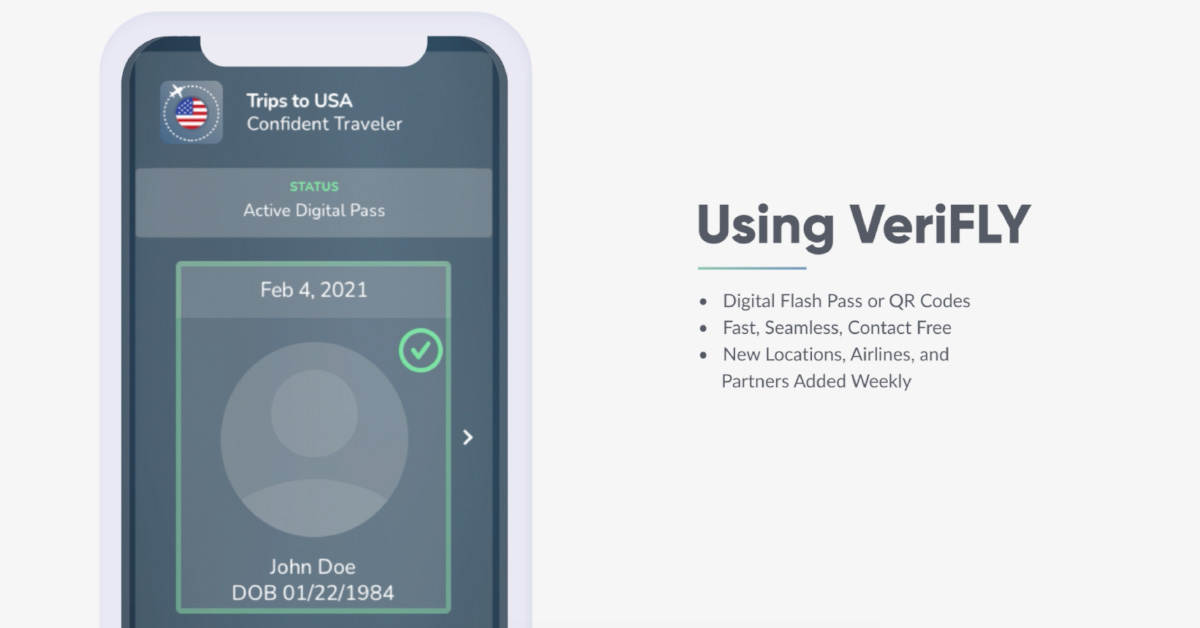
Looking forward, AR could revolutionize how passengers receive help at the airport. Imagine a scenario where a traveler, needing assistance with a self-service kiosk or navigating a complex terminal, opens the American Airlines app and activates an AR overlay. This could provide visual directions or step-by-step instructions superimposed over the physical environment. By contacting the airline through an AR interface, the user receives a level of contextual help that is impossible to achieve through voice or text alone.
In summary, the question of how to contact American Airlines is a gateway into a sophisticated world of technological innovation. By moving away from legacy systems and embracing a stack that includes AI, cloud computing, advanced cybersecurity, and real-time data analytics, the airline has created a multi-faceted digital environment. For the modern traveler, the most effective “contact” is no longer a conversation, but a seamless interaction with a high-tech ecosystem designed to provide information and solutions at the speed of light. As these technologies continue to evolve, the barrier between the traveler and the support they need will continue to dissolve, replaced by an intelligent, predictive, and highly secure digital interface.
aViewFromTheCave is a participant in the Amazon Services LLC Associates Program, an affiliate advertising program designed to provide a means for sites to earn advertising fees by advertising and linking to Amazon.com. Amazon, the Amazon logo, AmazonSupply, and the AmazonSupply logo are trademarks of Amazon.com, Inc. or its affiliates. As an Amazon Associate we earn affiliate commissions from qualifying purchases.