
The digital asset landscape has evolved significantly since the genesis block was mined in 2009. For the modern investor, the question “what is the best bitcoin to buy?” often stems from a place of healthy confusion. In the current financial ecosystem, “Bitcoin” is no longer just a single entry on a ledger; it represents a broad asset class encompassing the original cryptocurrency, various hard forks, derivative financial products, and institutional-grade exchange-traded funds (ETFs). To make an informed decision, one must look past the ticker symbols and understand the underlying value propositions, liquidity profiles, and risk-adjusted returns associated with each “version” of Bitcoin.
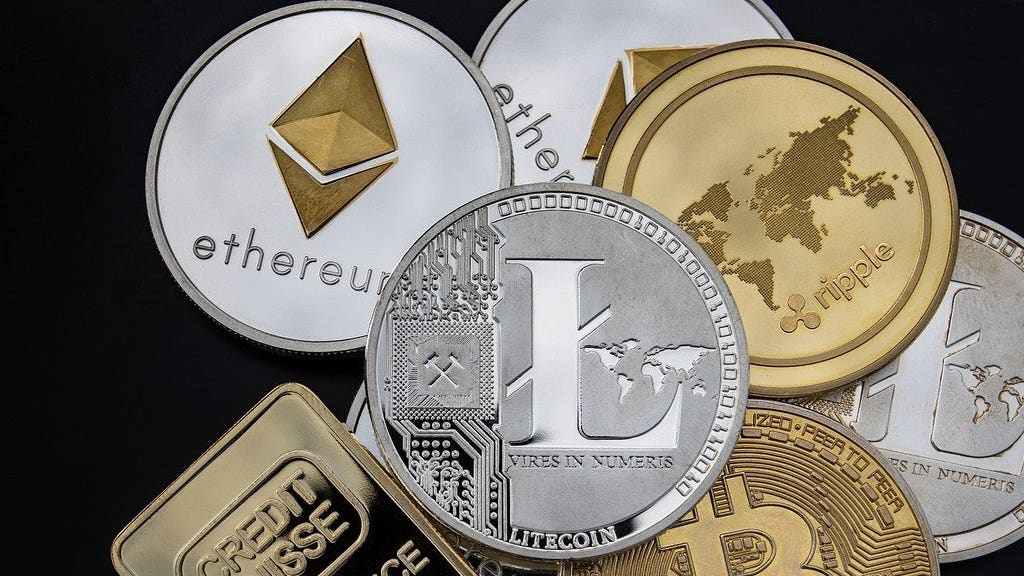
From a pure investment and personal finance perspective, the “best” Bitcoin is rarely the one promising the highest speculative volatility. Instead, it is the one that aligns with your specific financial goals, tax situation, and custody preferences. Whether you are looking for long-term wealth preservation or a vehicle for liquid, regulated trading, the choice you make will define your experience in the digital economy.
The Original Bitcoin (BTC): The Gold Standard of Digital Scarcity
When financial advisors and institutional analysts discuss Bitcoin, they are almost exclusively referring to the original protocol with the ticker symbol BTC. In the world of investing, the “best” version of an asset is often the one with the highest liquidity and the most robust network effect. BTC dominates the market in both regards.
The Power of Network Effects and Market Cap
In finance, the Lindy Effect suggests that the longer something has survived, the longer it is likely to persist. Bitcoin (BTC) has survived over fifteen years of regulatory scrutiny, exchange collapses, and market cycles. This longevity has resulted in a massive network effect. Because BTC has the highest market capitalization and the most significant daily trading volume, it is the most liquid of all digital assets. For an investor, liquidity is paramount; it ensures that you can enter or exit a position of any size without significantly moving the market price.
Scarcity as a Financial Hedge
The primary investment thesis for BTC is its fixed supply. With a hard cap of 21 million coins, BTC is often referred to as “digital gold.” In an era of fiscal expansion and currency debasement, investors view BTC as a hedge against the diminishing purchasing power of fiat currencies. When you buy the original Bitcoin, you are buying into a mathematically enforced monetary policy that cannot be altered by a central bank. This predictable scarcity is what makes BTC the preferred choice for long-term “HODLers” and institutional treasuries alike.
Understanding Bitcoin Forks: BCH and BSV
It is common for new investors to see “Bitcoin Cash” (BCH) or “Bitcoin SV” (BSV) trading at a fraction of the price of BTC and wonder if these are “better” buys due to their lower unit price. These are “forks”—versions of the original code that split off during disagreements over network scaling. While they may offer faster transaction times or lower fees, they lack the institutional adoption and security (hash rate) of the original BTC. From a personal finance standpoint, these are generally considered high-risk speculative plays rather than foundational investments.
Direct Ownership vs. Financial Instruments: Spot ETFs and Proxies
The year 2024 marked a turning point in the history of Bitcoin as a financial asset. The approval of several Spot Bitcoin ETFs in the United States fundamentally changed how individuals and institutions approach the market. Determining the “best” way to buy Bitcoin now requires a choice between owning the underlying asset directly or holding a regulated financial product.
The Rise of Spot Bitcoin ETFs
For many investors, the “best” Bitcoin to buy is not a digital token held in a private wallet, but a share of an ETF like BlackRock’s IBIT or Fidelity’s FBTC. These products track the price of Bitcoin and are traded on major stock exchanges.
The advantages of ETFs are primarily found in their simplicity and regulatory oversight:
-
Tax Efficiency: ETFs can be held in tax-advantaged accounts like IRAs or 401(k)s, allowing for tax-deferred or tax-free growth.
-
Ease of Access: Investors do not need to learn how to manage private keys or navigate cryptocurrency exchanges.
-
Institutional Custody: The Bitcoin is held by professional custodians, mitigating the risk of personal loss due to hacking or forgotten passwords.
However, the “cost” of this convenience is an expense ratio (management fee) and a lack of “sovereignty”—the inability to use the Bitcoin for peer-to-peer transactions or decentralized finance (DeFi) applications.
Bitcoin Proxies: MicroStrategy and Mining Stocks
Another way to “buy” Bitcoin exposure is through equity proxies. Companies like MicroStrategy (MSTR) have transformed their balance sheets to hold massive amounts of BTC. Buying MSTR stock is essentially buying a leveraged play on Bitcoin. Similarly, investing in Bitcoin mining companies (like Marathon Digital or Riot Platforms) offers exposure to the Bitcoin ecosystem. While these can outperform Bitcoin during bull markets, they carry “business risk”—the possibility that the company mismanages its operations, regardless of how well Bitcoin is performing.
Strategic Allocation: How Much and When to Buy
Once you have identified the “type” of Bitcoin that fits your portfolio, the focus shifts to the mechanics of the investment. In personal finance, the strategy behind the purchase is often more important than the asset itself.
Dollar-Cost Averaging (DCA)
Because Bitcoin is a notoriously volatile asset, attempting to “time the bottom” is a strategy that often leads to financial loss. The most disciplined investors utilize Dollar-Cost Averaging (DCA). By investing a fixed amount of money at regular intervals (e.g., $100 every Monday), you naturally buy more of the asset when prices are low and less when prices are high. This lowers your average cost basis over time and removes the emotional stress associated with market swings.
The Role of the Halving Cycle
Every four years, the reward for mining new Bitcoins is cut in half—an event known as “the halving.” Historically, these events have preceded significant bull runs due to the reduction in new supply entering the market. While past performance does not guarantee future results, understanding this four-year cycle is crucial for anyone looking to optimize their entry points. Buying in the “accumulation phase” (typically the year leading up to or immediately following a halving) has historically been more profitable than buying during the “parabolic phase” when retail hype is at its peak.
Portfolio Rebalancing
Professional wealth management dictates that Bitcoin should be viewed as part of a diversified portfolio. Depending on your risk tolerance, a 1% to 5% allocation to Bitcoin can significantly enhance a portfolio’s Sharpe ratio (a measure of risk-adjusted return). If Bitcoin experiences a massive price surge, it may grow to represent 20% of your portfolio, at which point it may be wise to rebalance—selling a portion of your Bitcoin to lock in gains and reinvesting in more stable assets like bonds or index funds.
Security, Custody, and the Cost of Ownership
In the world of money, the “best” investment is one that you can actually keep. The phrase “Not your keys, not your coins” is a cornerstone of the Bitcoin philosophy, but it carries heavy responsibilities.
Self-Custody: The Ultimate Financial Freedom
Buying “real” Bitcoin (BTC) and moving it to a hardware wallet (like a Ledger or Trezor) provides the highest level of security. You are your own bank. There is no counterparty risk; no exchange can freeze your funds or go bankrupt, taking your assets with them. For those who value financial privacy and autonomy, this is the only way to buy Bitcoin.
Exchange Custody: Liquidity and Risk
Buying and keeping Bitcoin on a reputable exchange (like Coinbase or Kraken) is the easiest method for beginners. It allows for instant trading and often provides user-friendly features like staking or borrowing. However, as seen with the collapse of various platforms in the past, this introduces counterparty risk. If you choose this route, the “best” Bitcoin to buy is the one held on a publicly traded, highly regulated exchange with a proven track record of security.
Understanding Transaction Fees
Whether you are buying via an ETF or an exchange, you must account for the cost of the transaction. High-frequency traders may prefer exchanges with low “maker/taker” fees, while long-term investors may be willing to pay a slightly higher spread on a platform that offers superior security features. Furthermore, when moving BTC between wallets, “on-chain” fees can fluctuate based on network congestion. Understanding these costs is essential for maintaining your net investment returns.

Conclusion: Defining Your “Best” Bitcoin
The search for the “best” Bitcoin to buy ultimately leads back to the investor’s intent. For the purist who believes in the decentralized future of money, the best Bitcoin is the original BTC held in self-custody. It offers the purest exposure to the asset’s revolutionary potential and ensures total control over one’s wealth.
For the traditional investor looking for a “set it and forget it” addition to their retirement account, the best Bitcoin is a Spot Bitcoin ETF. It provides the price exposure of BTC with the regulatory protections and tax advantages of the traditional financial system.
For the aggressive speculator, the best Bitcoin exposure might be found in mining stocks or leveraged proxies, which can amplify gains during periods of rapid market expansion.
Regardless of the vehicle chosen, the fundamental value of Bitcoin remains its role as a decentralized, scarce, and global digital currency. By focusing on the original BTC protocol and employing disciplined investment strategies like DCA, investors can navigate the complexities of this new asset class and secure their place in the future of finance. The best Bitcoin is not just about the asset you choose; it is about the strategy, security, and long-term vision you apply to it.
aViewFromTheCave is a participant in the Amazon Services LLC Associates Program, an affiliate advertising program designed to provide a means for sites to earn advertising fees by advertising and linking to Amazon.com. Amazon, the Amazon logo, AmazonSupply, and the AmazonSupply logo are trademarks of Amazon.com, Inc. or its affiliates. As an Amazon Associate we earn affiliate commissions from qualifying purchases.