
At its core, blockchain technology is a revolutionary method of recording and distributing information that eliminates the need for a central authority. Often described as a distributed ledger, it serves as a digital system for recording transactions or data in a way that is nearly impossible to change, hack, or cheat. While the term became a household name following the meteoric rise of Bitcoin, the technology itself is far more expansive than its initial financial application. It represents a fundamental shift in how digital trust is established, moving away from centralized institutions like banks or government databases toward a decentralized architecture governed by mathematics and consensus.
The Architecture of Trust: How Blockchain Works
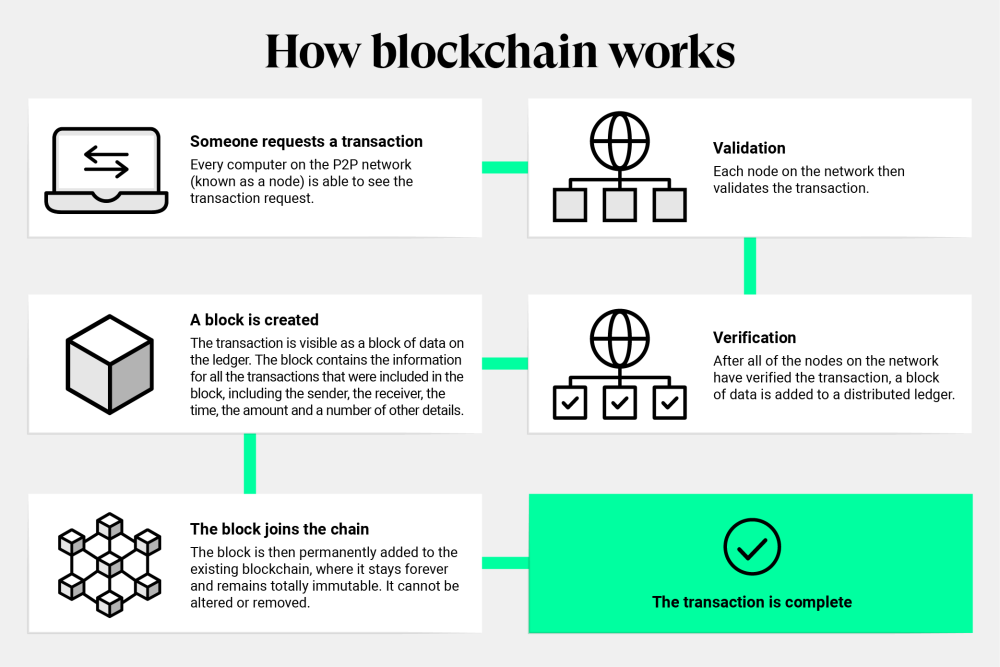
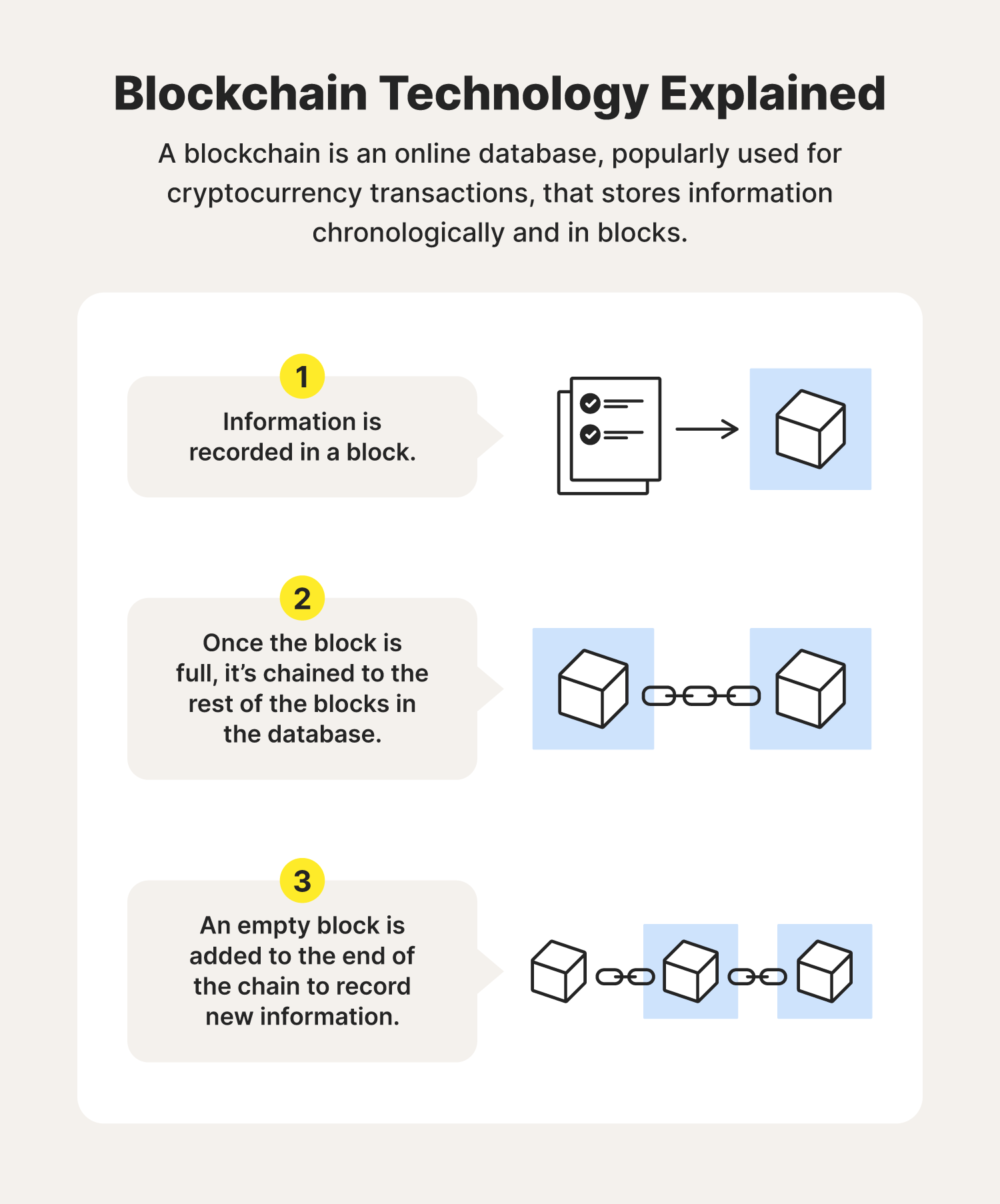
To understand blockchain, one must look past the hype and examine the underlying technical components that make it function. A blockchain is essentially a chain of data blocks, where each block contains a list of verified transactions or data points. These blocks are linked together chronologically, forming a continuous, unbreakable string of information.
Blocks, Hashes, and the Chain
Every block in the chain contains three primary elements: the data, a unique digital fingerprint called a “hash,” and the hash of the previous block in the chain. The data stored depends on the type of blockchain; for a supply chain network, it might be shipping details, while for a software platform, it might be code execution logs.
The hash is the most critical element for security. Created by a cryptographic algorithm, a hash transforms the data within a block into a fixed-length string of characters. If even a single bit of data within the block changes, the hash changes entirely. Because each block also contains the hash of the block before it, any attempt to alter a previous block would invalidate every subsequent block in the chain. This creates a digital domino effect that makes tampering immediately apparent to the entire network.
Decentralization and Nodes
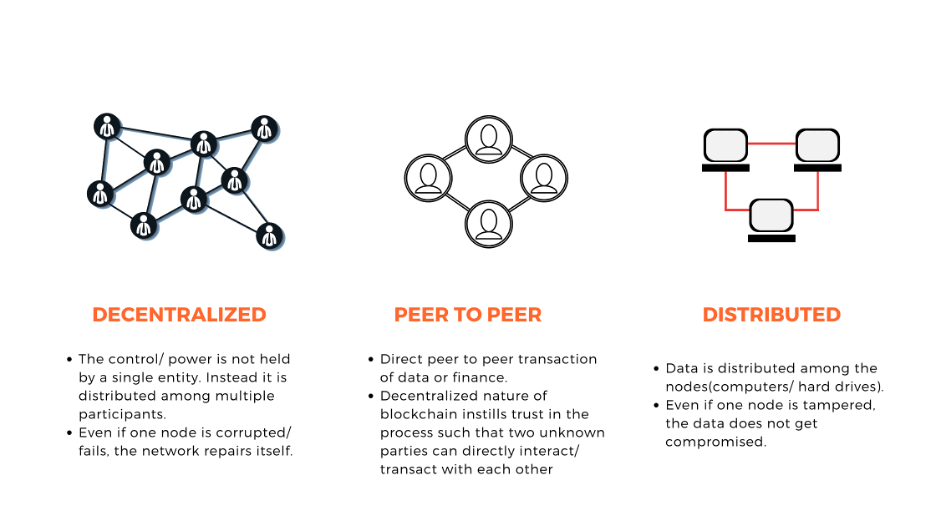
Unlike traditional databases stored on a single server, a blockchain is distributed across a network of computers, known as nodes. Every node on the network possesses a full or partial copy of the entire ledger. This decentralization ensures that there is no single point of failure. If one server goes offline or is compromised, the rest of the network continues to operate, maintaining the integrity of the data. This peer-to-peer architecture removes the “middleman,” allowing for direct interaction between users without the oversight of a central administrator.
Consensus Mechanisms
For a new block to be added to the chain, the nodes in the network must reach an agreement, a process known as a consensus mechanism. This is the “rulebook” that dictates how the network verifies the validity of new data. The two most prominent mechanisms are Proof of Work (PoW) and Proof of Stake (PoS).
In Proof of Work, nodes (miners) compete to solve complex mathematical puzzles that require significant computational power. The first to solve the puzzle earns the right to add the next block. In Proof of Stake, the network selects validators based on the number of tokens they “stake” or lock up as collateral. These mechanisms prevent fraudulent entries, as the cost of attacking the network—either through massive energy consumption or by losing staked assets—far outweighs the potential gains.
Core Features and Technical Advantages
The reason blockchain has gained such traction in the tech industry is not just because of its novelty, but because of the specific technical advantages it offers over legacy systems. These features solve long-standing problems in digital security and data management.
Immutability and Data Integrity
Immutability refers to the inability of anyone to change or delete data once it has been committed to the blockchain. In a traditional database, an administrator with the right permissions can modify records. In a blockchain, the combination of cryptographic hashing and decentralized consensus makes the ledger permanent. For industries where record-keeping is critical, such as legal documentation or medical records, this provides an unprecedented level of trust. You don’t have to trust the person who wrote the data; you trust the mathematics that protects it.
Transparency and Auditability
Because blockchain is a shared ledger, every transaction is visible to those with access to the network. In public blockchains, anyone can view the entire history of the network. This radical transparency creates an inherent audit trail. Every movement of data can be traced back to its origin in real-time. For developers and system architects, this means debugging and tracking system state changes becomes much more streamlined, as the “source of truth” is always clear and accessible.
Enhanced Security through Cryptography
Blockchain leverages advanced cryptography to secure user identities and data. Each participant has a pair of keys: a public key, which acts as an address, and a private key, which acts as a digital signature. Transactions are signed using the private key, proving the sender’s identity without revealing the key itself. This asymmetric encryption, combined with the decentralized nature of the network, makes it extremely difficult for malicious actors to launch successful cyberattacks, such as the “Man-in-the-Middle” or unauthorized data manipulation.
Beyond Cryptocurrency: Practical Tech Applications
While Bitcoin introduced the concept, the most exciting developments in blockchain are occurring in software development, cybersecurity, and automation. The technology is evolving into a versatile layer of the modern tech stack.
Smart Contracts and Programmatic Trust
Smart contracts are self-executing contracts with the terms of the agreement directly written into lines of code. They live on the blockchain and automatically trigger actions when predefined conditions are met. For example, a smart contract could release payment to a software developer automatically once the code passes a specific set of automated tests. This eliminates the need for escrow services and manual verification, significantly reducing administrative overhead and the potential for human error.
Supply Chain Management and IoT
In complex global supply chains, tracking the movement of goods is a massive logistical challenge. Blockchain provides a single, shared view of the journey of a product. When combined with the Internet of Things (IoT), sensors can automatically record temperature, location, and handling conditions directly onto the blockchain. This creates a “digital twin” of the physical product, ensuring that data regarding food safety, pharmaceutical integrity, or hardware origin is accurate and untampered with.
Decentralized Identity (DID)
Currently, our digital identities are fragmented across hundreds of different services (Google, Facebook, government portals). Blockchain enables Decentralized Identity, where users own and control their own identity data. Instead of storing sensitive personal information on a company’s server—which could be hacked—users hold their credentials in a digital wallet and only share the necessary “proof” with a service provider. This moves the tech industry toward a “Zero Trust” model, where security is built into the identity layer itself.
The Evolution of Blockchain Technology
The technology is not static; it is rapidly evolving to address its initial limitations. We are currently seeing a transition from early, slow experimental networks to high-performance infrastructure capable of supporting global applications.
Layer 1 and Layer 2 Solutions
The “Layer 1” is the base blockchain (like Ethereum or Bitcoin). As these networks grew popular, they became congested and expensive to use. To solve this, developers created “Layer 2” solutions. These are secondary frameworks or protocols built on top of an existing blockchain. They process transactions off the main chain and then bundle them together to be recorded on the Layer 1. This allows for massive scalability, enabling thousands of transactions per second without compromising the security of the underlying ledger.
The Shift to Web3
Blockchain is the foundational technology for Web3—the next generation of the internet. If Web1 was “read-only” (static pages) and Web2 was “read-write” (social media and centralized platforms), Web3 is “read-write-own.” In this paradigm, the platforms we use are not owned by giant corporations but are governed by the users themselves through decentralized protocols. This involves decentralized storage (like IPFS), decentralized finance (DeFi), and decentralized autonomous organizations (DAOs), all of which rely on blockchain to operate.
Challenges and the Future Roadmap
Despite its potential, blockchain technology faces several technical hurdles that developers are actively working to overcome.
The Scalability Trilemma
The “Blockchain Trilemma” is the belief that it is difficult for a network to achieve all three of these qualities simultaneously: decentralization, security, and scalability. Most early blockchains sacrificed scalability for the other two. Modern research into “sharding”—a method of splitting the network into smaller, more manageable pieces—and advanced consensus algorithms are the industry’s attempt to solve this puzzle and make blockchain ready for mass adoption.
Interoperability and Standards
Currently, many blockchains act as “walled gardens,” unable to communicate with one another. For the technology to reach its full potential, different blockchains must be able to share data and value seamlessly. Projects focusing on cross-chain bridges and universal protocols are essential for creating a unified digital ecosystem where information flows freely across different technical architectures.
Energy and Sustainability
The environmental impact of early Proof of Work blockchains has been a major point of criticism. However, the tech industry is moving rapidly toward sustainable solutions. The transition of major networks to Proof of Stake has reduced energy consumption by over 99%. As the industry matures, the focus is shifting toward “green” blockchain initiatives that utilize renewable energy or more efficient computational models, ensuring that the decentralized future is also a sustainable one.
Blockchain technology is far more than a trend; it is a fundamental reconfiguration of digital infrastructure. By providing a secure, transparent, and immutable way to handle data, it is laying the groundwork for a more open and efficient digital world. As the technology continues to mature, its integration into our daily software and systems will likely become invisible, serving as the silent, trusted backbone of the global digital economy.
aViewFromTheCave is a participant in the Amazon Services LLC Associates Program, an affiliate advertising program designed to provide a means for sites to earn advertising fees by advertising and linking to Amazon.com. Amazon, the Amazon logo, AmazonSupply, and the AmazonSupply logo are trademarks of Amazon.com, Inc. or its affiliates. As an Amazon Associate we earn affiliate commissions from qualifying purchases.