
In the landscape of modern finance, few innovations have sparked as much debate, excitement, and transformative potential as blockchain cryptocurrency. To the uninitiated, it may seem like a complex digital enigma, but at its core, it represents a fundamental shift in how we perceive, store, and transfer value. In an era defined by the digitization of everything, blockchain cryptocurrency has emerged as the premier alternative to traditional fiat currencies, offering a decentralized approach to wealth that circumvents the historical reliance on central banks and intermediary institutions.
For the modern investor, understanding the intersection of blockchain technology and currency is no longer optional; it is a prerequisite for navigating the 21st-century economy. Whether viewed as “digital gold,” a medium of exchange, or a speculative asset class, cryptocurrency is rewriting the rules of personal finance and global commerce.

The Financial Evolution: A New Paradigm of Digital Value
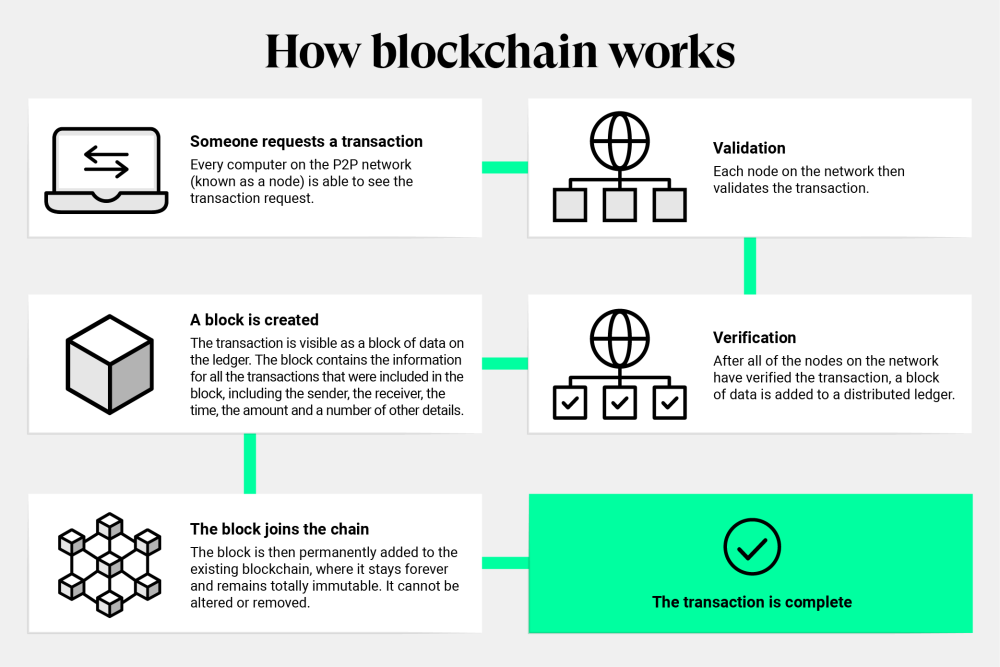
To understand what a blockchain cryptocurrency is, one must first view it through the lens of financial evolution. For centuries, money has relied on a centralized ledger—a system where a bank or a government validates every transaction. Blockchain technology disrupts this by introducing a decentralized ledger. This is a digital record of transactions that is distributed across a vast network of computers worldwide. Because no single entity owns the network, the currency operating on it becomes resistant to censorship, inflation via over-printing, and systemic failure.
The Power of Decentralization
In the world of personal finance, decentralization is synonymous with financial sovereignty. Traditional banking systems require you to ask permission to move your own money, often subjecting you to high fees and multi-day waiting periods. A blockchain cryptocurrency removes these barriers. By using a peer-to-peer network, value can be transferred across the globe in minutes, 24/7, without the need for a middleman. This efficiency is why many institutional investors view cryptocurrency as the next logical step in the evolution of the global financial infrastructure.
Transparency and Immutable Security
Trust is the bedrock of any financial system. In traditional finance, we trust institutions to keep accurate records. In the crypto space, we trust the “math.” Every transaction made with a blockchain cryptocurrency is recorded on a public ledger. Once a transaction is confirmed, it is “immutable,” meaning it cannot be altered or deleted. For an investor, this provides a level of auditability and security that is virtually impossible in the opaque world of traditional corporate accounting.
Strategic Investment: Incorporating Crypto into a Modern Portfolio
The rise of Bitcoin, Ethereum, and other digital assets has forced a re-evaluation of modern portfolio theory. While early adopters were often tech enthusiasts, the current market is dominated by retail investors looking for growth and institutional players seeking a hedge against the devaluation of fiat currencies.
Diversification and the Store of Value
One of the primary reasons investors are drawn to blockchain cryptocurrencies is their low correlation with traditional asset classes like stocks and bonds. Bitcoin, in particular, is often referred to as “Digital Gold” because of its programmed scarcity. With a hard cap of 21 million coins, it stands in stark contrast to fiat currencies, which can be printed at the discretion of central banks. For an investor, this scarcity makes cryptocurrency a potential hedge against inflation and a critical tool for long-term wealth preservation.
Navigating Volatility and Risk Management
It is impossible to discuss cryptocurrency without mentioning volatility. Price swings in the crypto market can be dramatic, offering both high risk and high reward. Professional financial strategies often involve “Dollar Cost Averaging” (DCA)—the practice of investing a fixed amount of money at regular intervals regardless of the price. This approach mitigates the risk of a single poorly timed entry and allows investors to build a position over time while ignoring short-term market noise.
Evaluating Tokenomics
When choosing which cryptocurrency to invest in, savvy investors look at “tokenomics”—the economic model governing the coin. This includes the total supply, the rate at which new coins are minted (inflation rate), and the utility of the token within its ecosystem. A cryptocurrency with a clear use case and a sustainable economic model is far more likely to retain value over the long term than one driven purely by social media hype.
Mechanics of Wealth: Generating Income through Blockchain Ecosystems
Beyond simple capital appreciation (buying low and selling high), blockchain cryptocurrencies offer unique avenues for generating passive income that were previously unavailable to the average person. These mechanisms are part of a broader movement known as Decentralized Finance (DeFi).
Staking: The Digital Dividend
Many modern blockchains use a “Proof of Stake” (PoS) consensus mechanism. In this system, holders of a cryptocurrency can “stake” or lock up their coins to help secure the network and validate transactions. In exchange for this service, the network rewards them with additional coins. This is functionally similar to receiving dividends from a stock or interest from a savings account, but often with significantly higher yields. It allows long-term holders to grow their assets without having to actively trade.
Yield Farming and Liquidity Provision
For those with a higher risk tolerance, yield farming involves lending your cryptocurrency to decentralized exchanges (DEXs) to provide liquidity for other traders. In return, you earn a portion of the transaction fees generated by the platform. While this carries risks such as “impermanent loss,” it represents a high-frontier method of putting digital capital to work in a way that bypasses traditional commercial lending.
The Role of Stablecoins
In a volatile market, “stablecoins” play a crucial role. These are cryptocurrencies pegged to the value of a stable asset, such as the U.S. Dollar. For an investor, stablecoins provide a safe harbor to park gains during market downturns without having to exit the blockchain ecosystem entirely. Many DeFi platforms offer attractive interest rates on stablecoin deposits, often outpacing the rates offered by traditional high-yield savings accounts.
Risk, Regulation, and the Future of Financial Sovereignty
As blockchain cryptocurrency moves from the fringes to the mainstream, the regulatory environment is shifting. For the informed investor, staying ahead of these changes is vital for protecting digital wealth and ensuring compliance with tax obligations.
The Impact of Institutional Adoption and ETFs
The financial landscape changed significantly with the approval of Spot Bitcoin ETFs (Exchange-Traded Funds). These financial instruments allow investors to gain exposure to cryptocurrency prices through their traditional brokerage accounts without the need to manage digital wallets or private keys. This institutional bridge has brought billions of dollars in liquidity to the market, providing a level of legitimacy and stability that was missing in the early years of the industry.
Security and Custody: Protecting Your Assets
In the world of blockchain, you are your own bank. This provides immense freedom but also carries significant responsibility. Understanding the difference between “hot wallets” (connected to the internet) and “cold storage” (offline hardware wallets) is essential for any serious investor. Cybersecurity is the front line of personal finance in the digital age; protecting private keys and utilizing multi-factor authentication are non-negotiable practices for anyone holding significant amounts of cryptocurrency.
The Regulatory Landscape and Tax Implications
Governments around the world are still catching up to the speed of blockchain innovation. In many jurisdictions, cryptocurrency is treated as property for tax purposes, meaning every trade or sale is a taxable event. Successful crypto investors maintain meticulous records of their transactions and understand that as the market matures, regulatory clarity will likely lead to safer environments for retail participants, even if it brings more oversight.

Conclusion: The Long-Term Horizon
A blockchain cryptocurrency is more than just a digital coin; it is a technological solution to a financial problem. It addresses the need for a global, borderless, and transparent system of value that operates independently of the limitations of the traditional banking sector.
For the individual investor, the journey into cryptocurrency requires a balance of curiosity and caution. The potential for wealth creation is vast, but it is reserved for those who take the time to understand the underlying fundamentals, manage their risks effectively, and view their digital assets through a long-term strategic lens. As we move further into the digital age, the line between “traditional finance” and “blockchain finance” will continue to blur, eventually merging into a single, more efficient global economy where financial sovereignty is accessible to anyone with an internet connection.
aViewFromTheCave is a participant in the Amazon Services LLC Associates Program, an affiliate advertising program designed to provide a means for sites to earn advertising fees by advertising and linking to Amazon.com. Amazon, the Amazon logo, AmazonSupply, and the AmazonSupply logo are trademarks of Amazon.com, Inc. or its affiliates. As an Amazon Associate we earn affiliate commissions from qualifying purchases.