
The transition from traditional banking to the decentralized world of cryptocurrency can feel like learning a new language. However, as digital assets become a staple of modern personal finance, platforms like Coinbase have emerged as the primary bridge for the average investor. Coinbase is not just an exchange; it is a comprehensive financial ecosystem designed to simplify the acquisition, storage, and management of digital assets.
For those looking to diversify their investment portfolio, understanding how to use Coinbase effectively is the first step toward financial autonomy in the Web3 era. This guide explores the platform through the lens of personal finance, focusing on security, strategic purchasing, and long-term asset management.

Getting Started: Account Setup and Security Fundamentals
Before you can trade a single cent of Bitcoin or Ethereum, you must establish a secure foundation. Because Coinbase deals with liquid financial assets, its onboarding process is more rigorous than a standard social media sign-up. It follows strict financial regulations known as Know Your Customer (KYC) and Anti-Money Laundering (AML) protocols.
Registration and Identity Verification (KYC)
To begin, you will need to provide your legal name, email address, and a strong, unique password. Once your email is verified, the platform will prompt you for a government-issued ID and potentially proof of address. This step is non-negotiable; it ensures that your account is tied to your legal identity, which is crucial for tax reporting and recovering access should you ever lose your credentials.
During the verification phase, Coinbase may take anywhere from a few minutes to a few days to process your documents. Once verified, you are granted a “Tier” level, which dictates your daily and weekly buying limits. For most retail investors, the initial limits are sufficient, but these can be increased over time as your account history grows.
Securing Your Assets with 2FA and Vaults
Security is the most critical component of your financial strategy. Relying solely on a password is a significant risk. Coinbase requires Two-Factor Authentication (2FA), typically via SMS, but for enhanced security, it is highly recommended to use a hardware key (like YubiKey) or an authenticator app (like Google Authenticator).
For long-term holders, Coinbase offers a “Vault” feature. Unlike the standard wallet, a Vault requires a time-delayed withdrawal process (usually 48 hours) and approval from multiple email addresses. This creates a “cooling off” period that prevents an attacker from instantly draining your funds, providing a layer of security similar to a high-yield savings account or a certificate of deposit.
Funding Your Account and Making Your First Purchase
Once your account is secure, the next step is moving “fiat” currency—such as USD, EUR, or GBP—into the crypto ecosystem. How you choose to fund your account will significantly impact your transaction fees and the speed at which you can trade.
Connecting Bank Accounts and Cards
Coinbase supports several payment methods, each with a different trade-off between speed and cost:
-
ACH Transfers (Bank Account): This is generally the most cost-effective method for those in the United States. While it may take 3-5 business days for the funds to fully clear for withdrawal, you can usually trade with the balance immediately.
-
Wire Transfers: Best for large sums of money, wire transfers are often processed within one business day, though your bank may charge a flat outgoing fee.
-
Debit Cards: These offer the fastest way to buy crypto instantly. However, they come with significantly higher convenience fees, which can eat into your investment returns over time.
Executing Your First Buy: Market vs. Limit Orders
Navigating the “Buy” interface is straightforward. You select the asset (e.g., Bitcoin), enter the amount you wish to spend, and confirm the transaction. However, sophisticated investors should look beyond the simple “Buy” button.
By default, the standard interface uses “Market Orders,” which buy the asset at its current market price. While convenient, this often includes a spread and a higher retail fee. For those looking to optimize their entry points, switching to “Advanced Trade” allows you to place “Limit Orders.” A limit order lets you specify the exact price you are willing to pay. If the market dips to that price, your order is filled. This approach is a hallmark of disciplined financial management, ensuring you never overpay during periods of high volatility.
Managing Your Portfolio: Storage, Staking, and Sending
Buying an asset is only half the battle; managing it effectively is what determines long-term success. Coinbase provides several tools to help you track your performance and grow your holdings passively.
Understanding the Coinbase Exchange vs. Coinbase Wallet
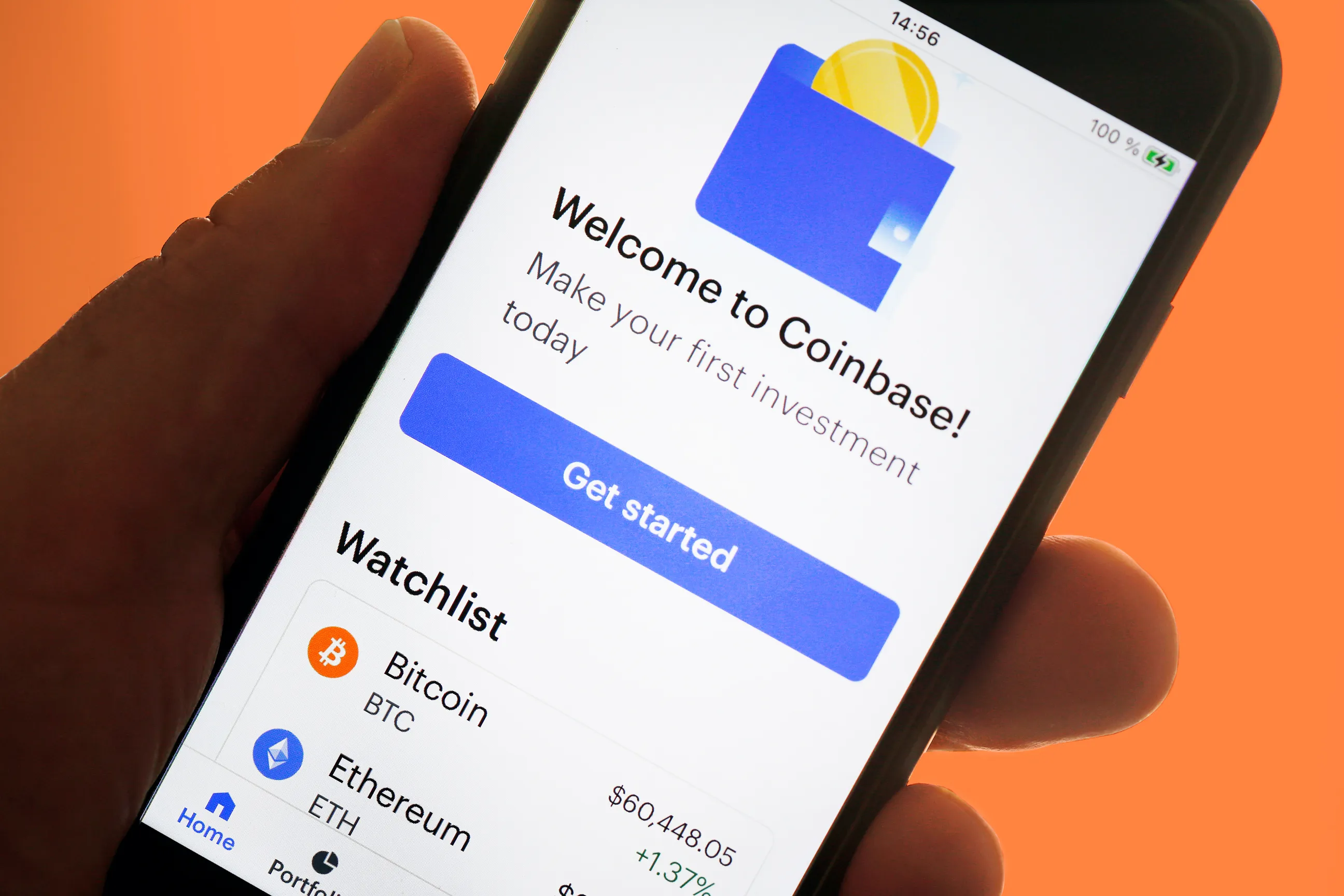
It is vital to distinguish between the Coinbase Exchange and the Coinbase Wallet. The Exchange is “custodial,” meaning Coinbase holds the private keys to your assets on your behalf. This is convenient for beginners but means you are relying on Coinbase’s security.
The Coinbase Wallet is a separate, “non-custodial” app. When you move your funds here, you are the only one with the keys. This is the “be your own bank” philosophy of crypto. For a well-rounded financial plan, many investors keep a small portion of their assets on the exchange for quick trading while moving their long-term “HODL” positions to a non-custodial wallet or a hardware device.
Generating Passive Income through Staking
One of the most powerful features of Coinbase for the “Money” niche is the ability to earn rewards on your idle assets. Certain cryptocurrencies, such as Ethereum (ETH), Solana (SOL), and Cardano (ADA), use a “Proof of Stake” mechanism to secure their networks.
By “staking” your assets through Coinbase, you are effectively participating in the network’s security and receiving a percentage of the network’s rewards in return. These yields often outperform traditional savings accounts. However, be aware of “unbonding periods,” which are durations where your funds may be locked and unavailable for immediate sale.
Advanced Strategies for the Savvy Investor
As you become more comfortable with the platform, you can move away from simple transactions and toward more sophisticated wealth-building strategies.
Utilizing Recurring Buys for Dollar-Cost Averaging
The cryptocurrency market is notoriously volatile. Trying to “time the bottom” is a losing game for most retail investors. Instead, professional financial advisors often recommend Dollar-Cost Averaging (DCA).
Coinbase allows you to set up recurring buys—for example, $50 of Bitcoin every Friday. By buying at regular intervals, you buy more when prices are low and less when prices are high. Over time, this smooths out your cost basis and reduces the emotional stress associated with market swings. Setting this up transforms crypto from a speculative gamble into a disciplined part of your monthly budget.
Moving to Coinbase Advanced
For anyone serious about reducing overhead, “Coinbase Advanced” is an essential tool. Accessible through the same account, this interface provides professional-grade charting tools and, more importantly, a significantly lower fee structure. Instead of the flat fees found on the basic interface, Advanced users pay a “Maker-Taker” fee, which is often a fraction of a percent. For a growing portfolio, these savings can amount to thousands of dollars over a multi-year period.
Tax Compliance and Exit Strategies
In the world of finance, an investment is only as good as its realization. Understanding how to exit your positions and report them to the authorities is what separates a hobbyist from a professional.
Tracking Gains and Reporting Taxes
In most jurisdictions, cryptocurrency is treated as property, meaning every time you sell, trade, or spend crypto, it is a taxable event. Coinbase has simplified this by providing a dedicated “Taxes” tab. This section tracks your cost basis, your realized gains and losses, and provides a summary that can be exported to popular tax software like TurboTax or CoinTracker.
Staying on top of your tax liability is crucial. Failure to account for capital gains can lead to significant penalties, especially as tax authorities increase their scrutiny of digital asset transactions.

How to Safely Cash Out to Your Bank
When it comes time to realize your profits, the process is the reverse of funding. You must first sell your cryptocurrency for your local currency (e.g., selling BTC for USD). This balance will then sit in your “USD Cash” account.
From there, you can initiate a withdrawal to your linked bank account. ACH transfers are usually free but take a few days, while “Instant Withdrawals” to a linked debit card are available for a small fee. Having a clear exit strategy—knowing at what price point you will sell and how you will move those funds back into your traditional financial system—is a vital component of a successful personal finance roadmap.
By treating Coinbase as a professional financial tool rather than a speculative app, you can navigate the complexities of the crypto market with confidence. From the initial KYC hurdles to the nuances of limit orders and tax reporting, mastering this platform is a foundational skill for the modern investor.
aViewFromTheCave is a participant in the Amazon Services LLC Associates Program, an affiliate advertising program designed to provide a means for sites to earn advertising fees by advertising and linking to Amazon.com. Amazon, the Amazon logo, AmazonSupply, and the AmazonSupply logo are trademarks of Amazon.com, Inc. or its affiliates. As an Amazon Associate we earn affiliate commissions from qualifying purchases.