
The rise of digital assets has fundamentally changed how we perceive value, but the bridge between the physical and digital worlds remains a point of confusion for many. While most people enter the cryptocurrency market through centralized exchanges linked to their bank accounts, there is a significant and growing demand for purchasing Bitcoin with physical cash. Whether driven by a desire for financial privacy, a lack of access to traditional banking infrastructure, or a preference for tangible transactions, buying Bitcoin with cash is not only possible but offers several distinct strategic advantages.
Navigating the world of cash-to-crypto transactions requires a different set of tools and a higher level of due diligence than clicking a “buy” button on a mobile app. This guide explores the most reliable methods for converting physical currency into digital gold, the financial implications of each path, and the security protocols necessary to protect your investment.
Peer-to-Peer (P2P) Marketplaces: The Digital Bazaar
Peer-to-peer marketplaces represent the most direct way to buy Bitcoin with cash. Unlike traditional exchanges that act as an intermediary and hold your funds, P2P platforms serve as a matching service, connecting individual buyers with individual sellers. This decentralized approach mirrors the original ethos of Bitcoin—facilitating value transfer without a central authority.
How P2P Platforms Facilitate Cash Trades
In a typical P2P cash transaction, the buyer finds a seller who is willing to accept cash. This can happen in two ways: cash-in-person or cash-by-mail/deposit. The platform uses an escrow service to ensure the safety of both parties. When a trade is initiated, the seller’s Bitcoin is moved into a temporary holding account controlled by the platform. Once the buyer provides proof of payment (or the seller confirms receipt of the cash), the Bitcoin is released to the buyer’s wallet.
Choosing the Right Platform
Several platforms specialize in these types of transactions. Bisq is a notable mention for those seeking maximum privacy, as it is a decentralized autonomous organization (DAO) that does not require “Know Your Customer” (KYC) documentation. Paxful and Hodl Hodl are other prominent players that offer robust filtering tools, allowing users to find sellers based on location, reputation, and specific cash payment methods. When choosing a platform, the reputation score of the seller is your most valuable metric. High-volume sellers with 100% positive feedback are the gold standard for secure transactions.
Managing Risks and Escrow
The primary risk in P2P cash trades is fraud. To mitigate this, never move the conversation off the platform’s encrypted chat system. If a seller asks to communicate via a third-party app or suggests bypassing the escrow service, cancel the trade immediately. Furthermore, for in-person cash trades, always meet in a public, well-lit location—preferably one with security cameras, such as a bank lobby or a busy coffee shop.
Bitcoin ATMs (BTMs): Convenience at a Premium
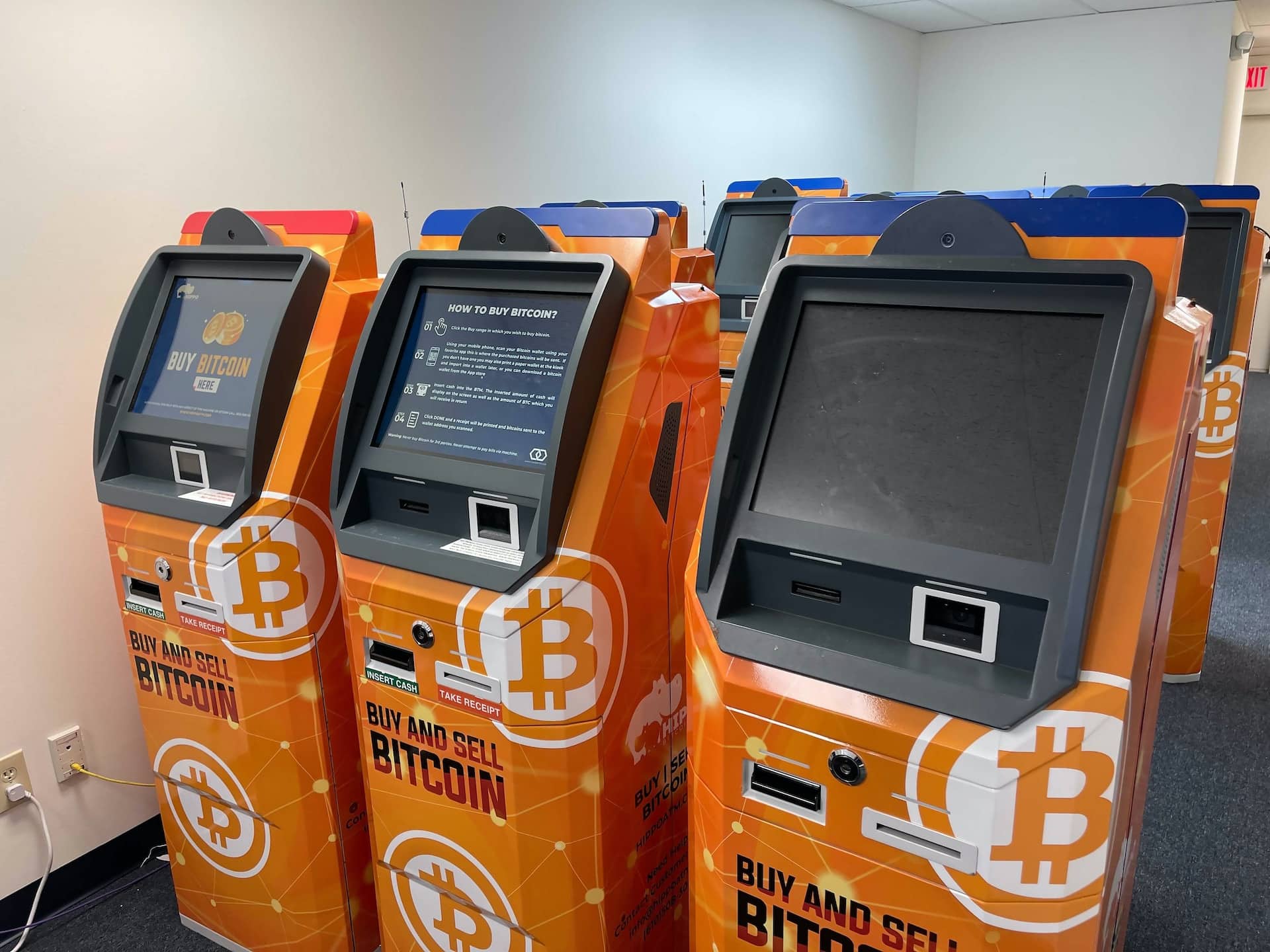
For many, the most accessible way to buy Bitcoin with cash is through a Bitcoin ATM, often referred to as a BTM. These machines look and function much like traditional bank ATMs, but instead of connecting to a bank account, they connect directly to the Bitcoin network.
Locating and Using a BTM
The number of BTMs has exploded globally, with machines now found in convenience stores, malls, and airports. Websites like Coin ATM Radar provide real-time maps of nearby machines, along with user reviews and current fee structures.
The process is straightforward:
-
Select “Buy Bitcoin” on the touch screen.
-
Scan the QR code of your Bitcoin wallet address.
-
Insert your cash into the machine.
-
Confirm the transaction and wait for the “Sent” confirmation.
Understanding the Financial Trade-offs
While BTMs offer unparalleled convenience and speed, they come with a significant financial cost. The “spread” (the difference between the market price and the price the machine offers) and the flat transaction fees can result in a total cost of 5% to 15% above the spot price of Bitcoin. For a long-term investor, this might be a secondary concern compared to the ease of use, but for high-frequency traders, these fees are often prohibitive.
Privacy and Verification Limits
It is a common misconception that all BTMs are anonymous. Due to evolving Anti-Money Laundering (AML) regulations, most BTM operators require some form of identification. Small transactions (typically under $250 or $500) may only require a phone number for SMS verification. Larger amounts often require a scan of a government-issued ID. If privacy is your primary goal, check the operator’s requirements on their website before traveling to the machine.
Over-the-Counter (OTC) and In-Person Transactions
For high-net-worth individuals or those deeply embedded in local crypto communities, Over-the-Counter (OTC) trading and local meetups offer a more personalized way to exchange cash for Bitcoin. These methods often bypass the rigid structures of automated platforms.
Professional OTC Desks
Professional OTC desks cater to institutional investors and individuals looking to move large sums of cash—usually $50,000 or more. These desks provide a concierge-like service, locking in a price and ensuring the transaction is handled with high levels of security and legal compliance. While they require full KYC documentation, they offer the benefit of “slippage-free” trading, meaning the price won’t fluctuate significantly during a large buy order as it might on a standard exchange.
Local Bitcoin Meetups
In many cities, Bitcoin “maximalists” and enthusiasts hold regular meetups. These gatherings are excellent places to network with people who may be interested in selling small amounts of Bitcoin for cash. These transactions are often based on trust and community reputation. However, the same safety rules apply: never carry large amounts of cash to a first-time meeting and ensure you have a mobile wallet ready to verify the transaction on the blockchain before parting with your money.
Safety Protocols for Physical Transactions
If you are engaging in a physical cash trade, safety is paramount.
-
The 5-Minute Rule: Wait for at least one confirmation on the blockchain (which typically takes about 10 minutes) before concluding the meeting. A “pending” transaction in your wallet can still be reversed in certain conditions; a “confirmed” one cannot.
-
Verification: Use a reputable block explorer on your own device to verify that the transaction has been broadcast to the network. Do not rely on the seller’s screen.
Retail Vouchers and Gift Card Exchanges
A less direct but highly effective way to use cash involves purchasing retail vouchers or gift cards that can be redeemed for Bitcoin. This method bridges the gap between traditional retail and the digital economy.
Bitcoin Vouchers (Azteco and LibertyX)
Services like Azteco allow users to walk into a participating retail store, hand over cash, and receive a paper voucher with a 16-digit code. This code can then be redeemed on their website for Bitcoin sent directly to your wallet. Similarly, LibertyX partners with thousands of retail locations and traditional ATMs to allow cash-to-crypto purchases. These services often have lower fees than BTMs and offer a familiar retail experience.
The Gift Card Secondary Market
While more complex, some users buy popular gift cards (like Amazon or Apple) with cash and then trade those cards for Bitcoin on P2P platforms. This is often a last resort for those in regions where other cash methods are unavailable. The exchange rate for gift cards is usually poor, as the seller of the Bitcoin is taking on the risk of the gift card being fraudulent. However, it remains a viable path for converting cash into a digital portfolio.
Strategic Considerations and Post-Purchase Security
Buying Bitcoin with cash is only the first half of the journey. To be a successful investor in the digital age, you must understand the financial implications and the responsibility of self-custody.
KYC vs. Non-KYC: The Privacy Premium
In the world of finance, privacy often comes at a price. Non-KYC methods (like Bisq or certain BTMs) allow you to acquire Bitcoin without linking your identity to your wallet addresses. This is a powerful tool for financial sovereignty, but it often involves higher fees or more complex technical steps. Conversely, “KYC-compliant” cash methods are often cheaper and more legally straightforward but leave a “paper trail” in the digital world.
The Importance of Self-Custody
Regardless of how you buy your Bitcoin, the most critical step is moving it to a wallet you control. When you buy from a BTM or a P2P seller, the Bitcoin should be sent to your own private wallet—ideally a hardware wallet like a Ledger or Trezor for large amounts. “Not your keys, not your coins” is the golden rule of Bitcoin finance. If the Bitcoin stays on an exchange or a third-party platform, you do not truly own it; you simply have a claim to it.
Calculating the Real Cost
When buying with cash, the nominal price of Bitcoin is rarely what you actually pay. To calculate your true entry price, you must factor in:
-
The platform fee.
-
The price spread (the markup over the market rate).
-
The network (miner) fee to move the Bitcoin to your wallet.
-
The physical costs (travel to an ATM or meetup).
By understanding these variables, you can make informed decisions about which cash-to-Bitcoin method aligns with your financial goals and your need for privacy. Buying Bitcoin with cash is an empowering way to enter the market, offering a level of autonomy that traditional banking simply cannot provide. With the right precautions and a clear strategy, your physical currency can become the foundation of a robust digital financial future.
aViewFromTheCave is a participant in the Amazon Services LLC Associates Program, an affiliate advertising program designed to provide a means for sites to earn advertising fees by advertising and linking to Amazon.com. Amazon, the Amazon logo, AmazonSupply, and the AmazonSupply logo are trademarks of Amazon.com, Inc. or its affiliates. As an Amazon Associate we earn affiliate commissions from qualifying purchases.