
For generations, the quest for a “good” watermelon has been a tactile and auditory experience: a firm tap, a resonant thud, a visual inspection of its stripe pattern and field spot. These traditional methods, passed down through families and local lore, have long been the primary tools for identifying the ideal fruit – one that promises juicy sweetness and refreshing crispness. However, in an era defined by data, sensors, and artificial intelligence, the definition and detection of a good watermelon are rapidly evolving, shifting from subjective sensory input to objective, technology-driven metrics.
Today, technology is revolutionizing every stage of the watermelon lifecycle, from the seed to the consumer’s kitchen. It’s helping growers optimize conditions, supply chains maintain integrity, and even empowering shoppers with tools to make informed decisions. This convergence of agriculture and high-tech isn’t just about efficiency; it’s about redefining quality, ensuring consistency, and ultimately, delivering that perfect bite with greater certainty than ever before. Understanding “what is a good watermelon” now requires an appreciation for the intricate technological ecosystem that underpins its journey to our tables.
The Data-Driven Approach to Defining Watermelon Quality
The traditional guesswork associated with selecting a good watermelon is being systematically replaced by precise, data-driven methodologies. Farmers, researchers, and distributors are employing sophisticated technologies to quantify and predict the internal qualities that make a watermelon truly exceptional. These advancements move beyond superficial appearance, delving into the very cellular structure and chemical composition of the fruit.
Non-Destructive Testing (NDT) for Internal Attributes
One of the most significant breakthroughs in assessing watermelon quality without damaging the fruit comes from Non-Destructive Testing (NDT) methods. These technologies allow for rapid and accurate measurement of critical internal attributes, providing objective data points that far surpass human estimation.
Near-Infrared (NIR) Spectroscopy is at the forefront of NDT for fruits. NIR devices emit light onto the watermelon’s surface, and sensors analyze the light reflected or transmitted through the fruit. Different wavelengths of light are absorbed or scattered based on the chemical composition of the flesh. This allows for precise measurement of key quality indicators such as Brix levels (sugar content), which directly correlate to sweetness, as well as firmness and even the presence of internal defects like hollow heart or bruising. These handheld or inline systems can scan hundreds of watermelons per hour, enabling rapid sorting and quality assurance at packing houses.
Beyond NIR, acoustic sensing technology offers another layer of insight. By gently tapping the watermelon and analyzing the resonant frequency of the sound produced, specialized sensors can infer the internal ripeness and structural integrity of the fruit. A high-frequency, clear sound might indicate a firm, ripe watermelon, while a duller thud could suggest over-ripeness or internal breakdown. Similarly, advanced ultrasound imaging, though less common for watermelons due to their size and shape, holds potential for detailed internal mapping, identifying seed distribution, and confirming flesh density. The ability to peer inside the fruit without cutting it open represents a paradigm shift in quality control, ensuring that only the best watermelons make it to market.
AI and Machine Learning for Predictive Analytics
The sheer volume of data generated by NDT and environmental monitoring would be overwhelming without the power of Artificial Intelligence (AI) and Machine Learning (ML). These computational tools are transforming raw data into actionable insights, enabling predictive analytics that optimize every stage of watermelon production.
AI algorithms are trained on vast datasets comprising sensor readings, historical quality scores, environmental conditions (temperature, humidity, soil composition), genetic markers of different varieties, and even consumer feedback. By identifying complex patterns and correlations that are invisible to the human eye, AI can predict with remarkable accuracy when a watermelon crop will reach its peak ripeness, sugar content, and overall quality. This predictive capability allows farmers to precisely time their harvests, minimizing waste from premature or overripe fruit and maximizing the yield of high-quality produce.
Furthermore, machine learning models can be deployed in automated sorting lines. Cameras and sensors capture visual data (size, shape, color, surface defects) alongside NDT readings. ML algorithms process this multi-modal data in real-time, classifying watermelons into different quality grades faster and more consistently than human inspectors. This not only enhances efficiency but also ensures a standardized quality experience for consumers, regardless of where they purchase their watermelon. The integration of AI and ML means that “a good watermelon” is no longer a matter of chance but a predictable outcome orchestrated by intelligent systems.
Environmental Monitoring and Precision Agriculture
The journey to a good watermelon begins long before harvest, deep within the soil and under the sun. Precision agriculture, powered by the Internet of Things (IoT), plays a crucial role in cultivating optimal conditions for the fruit’s development. IoT sensors are deployed throughout fields to gather real-time data on a multitude of environmental factors.
These sensors monitor critical parameters such as soil moisture levels, pH, nutrient concentrations (nitrogen, phosphorus, potassium), and ambient air temperature and humidity. This continuous stream of data is fed into centralized systems, often integrated with AI platforms, which then provide hyper-localized insights. Farmers can receive alerts for specific areas of a field that require irrigation or fertilization, or adjust nutrient delivery based on the growth stage of the plants. For watermelons, consistent soil moisture and adequate nutrient availability are paramount for developing sweet, juicy flesh and preventing issues like blossom end rot.
By precisely controlling these environmental variables, growers can significantly influence the internal quality of the watermelon. For example, slight water stress at specific growth phases can sometimes concentrate sugars, while consistent moisture is vital during the final ripening stage to ensure juiciness. Precision agriculture not only improves the “goodness” of individual watermelons but also contributes to sustainability by optimizing resource use, reducing water waste, and minimizing the need for excessive fertilizers. It’s a testament to how technology can foster both superior product quality and responsible farming practices.
Smart Tools Empowering Consumer Choices
While technological advancements revolutionize cultivation and supply chains, innovation doesn’t stop at the farm gate. Consumers, too, are gaining access to smart tools that help them make informed decisions at the point of sale, transforming the age-old quest for a good watermelon into a more scientific endeavor.
Mobile Applications for Ripeness Assessment
The smartphone, a ubiquitous companion, is increasingly becoming a personal produce expert. Mobile applications are emerging that leverage the phone’s built-in cameras and sensors, or simply provide intelligent checklists based on aggregated expert data, to guide consumers in selecting a ripe and delicious watermelon.
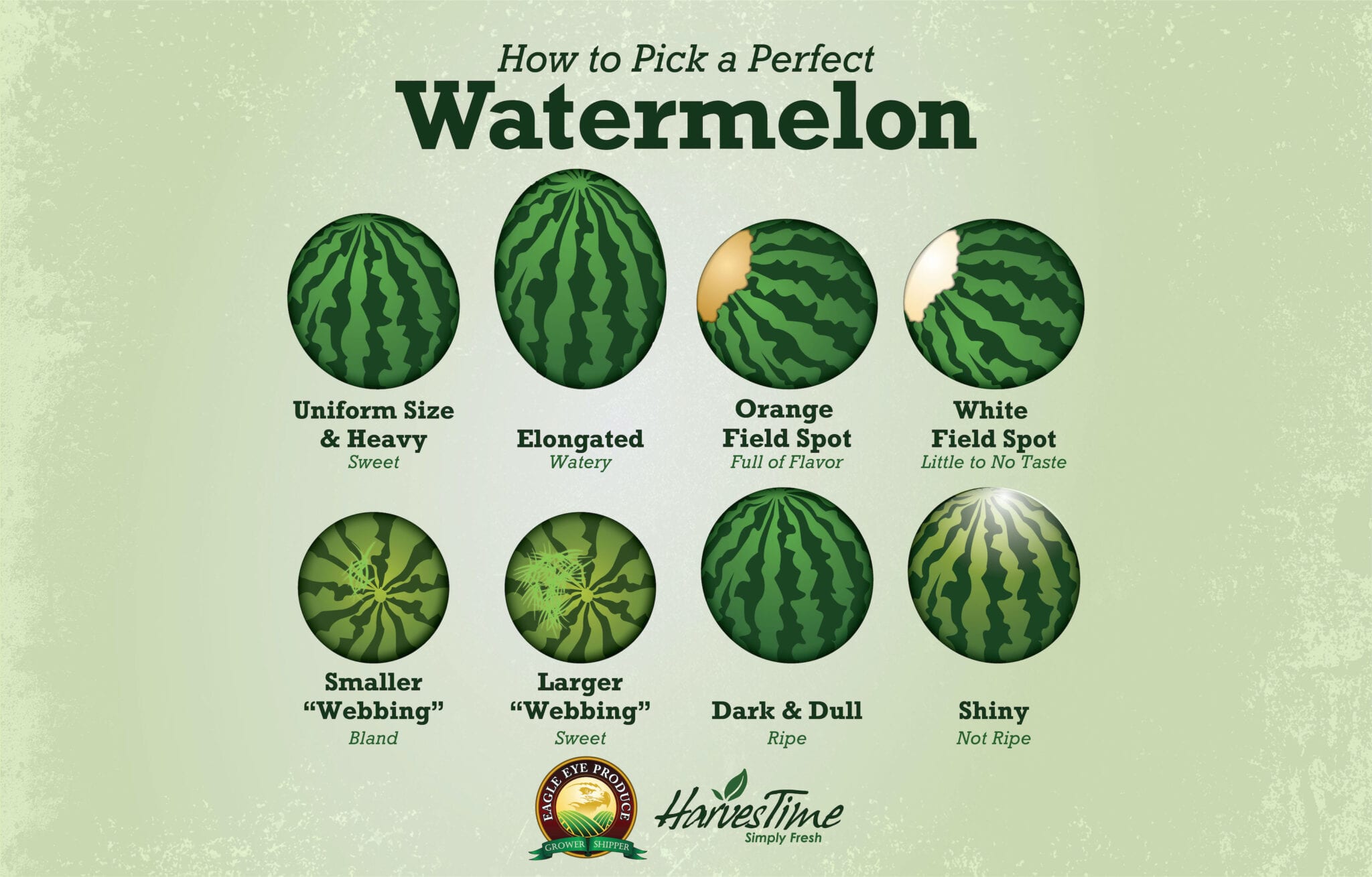
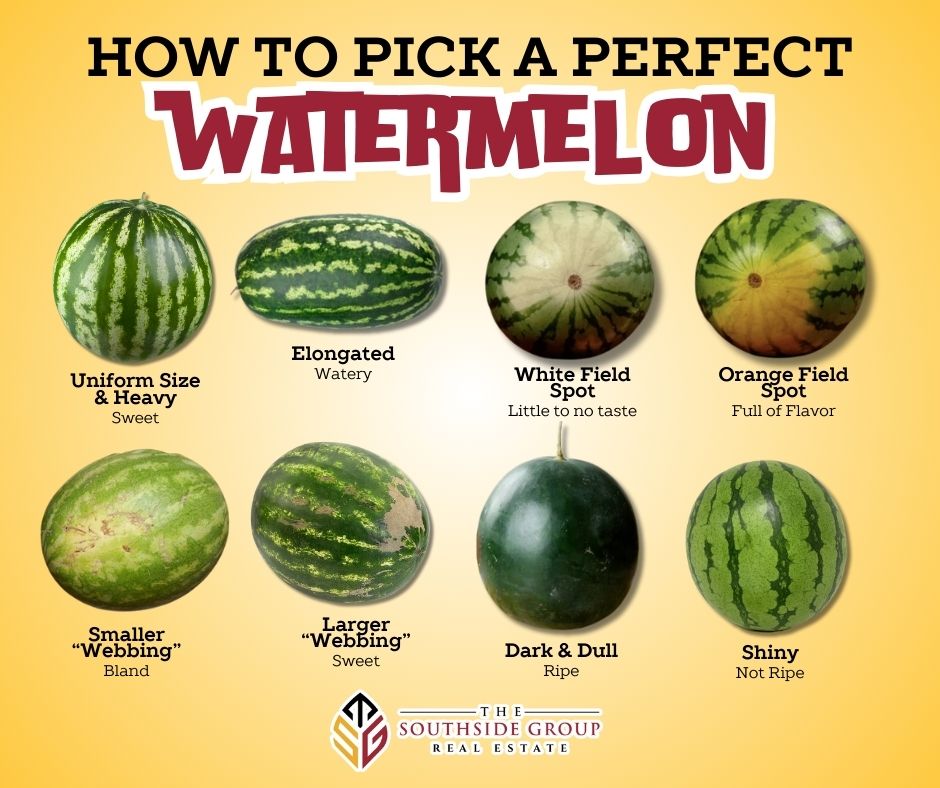
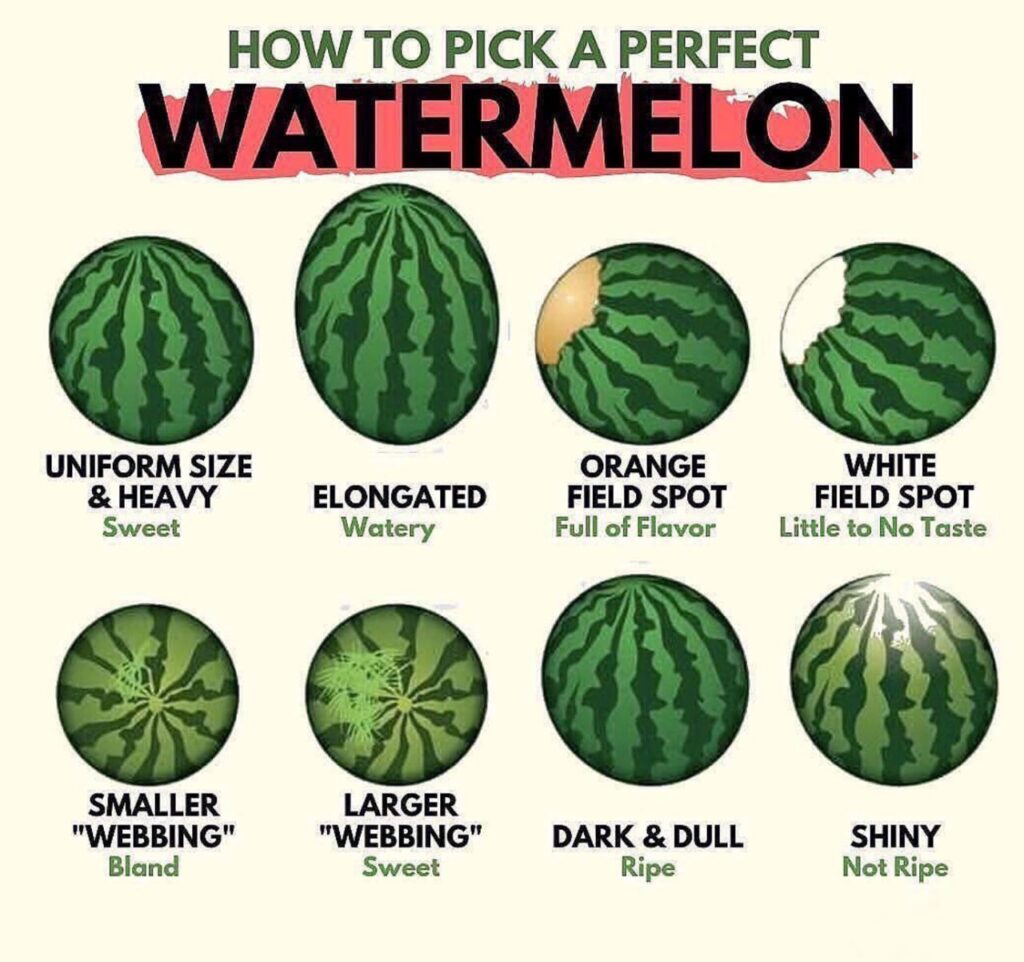
Some apps allow users to take a picture of a watermelon, and image recognition AI analyzes visual cues like rind color, stripe patterns, and the size and color of the “field spot” (where the watermelon rested on the ground). By comparing these visual features against extensive databases of ripe and unripe watermelons, the app can offer a probability of ripeness. More advanced apps might even encourage users to record the sound of a tap, analyzing the acoustic signature against known patterns for optimal ripeness. While these apps are still evolving and vary in accuracy, they represent a significant step beyond pure guesswork, giving consumers a data-driven “second opinion” right in the produce aisle. Many also include educational content, teaching users what to look for based on traditional wisdom combined with scientific insights, making them a comprehensive guide to watermelon selection.
Portable Gadgets for Home Use
For the truly dedicated watermelon enthusiast, portable handheld gadgets are entering the market, offering more precise measurements than mobile apps. These devices are miniature versions of the NDT technologies used by professionals, adapted for consumer use.
One common type is a handheld Brix refractometer, which, although often requiring a small sample of juice, accurately measures sugar content. However, non-invasive alternatives are also emerging, similar to smaller NIR spectrometers. These gadgets can be pressed against the watermelon’s rind and, in a matter of seconds, provide a digital readout of its internal sugar levels or firmness. While they come with a higher price tag than a mobile app, they offer a tangible, objective metric for ripeness, empowering consumers to make selections with a scientific backing. Imagine no longer relying on a subjective thud but an objective “Brix level 12” reading to confirm your watermelon’s sweetness. These tools provide a new level of confidence, ensuring that the watermelon brought home will meet expectations.
Digital Traceability and Supply Chain Transparency
Beyond measuring ripeness, technology is offering consumers unprecedented insight into a watermelon’s journey from farm to fork. Digital traceability systems, often powered by blockchain technology, are enhancing supply chain transparency and allowing consumers to verify the origin and quality attributes of their produce.
Watermelons in stores are increasingly featuring QR codes or other scannable identifiers. When a consumer scans these codes with their smartphone, they can access a wealth of information: the specific farm where the watermelon was grown, the harvest date, details about growing practices (e.g., organic, pesticide-free), and even quality certifications. In some advanced systems, data collected by NDT sensors during packing might also be linked, providing objective metrics like the Brix level at the time of packaging. This level of transparency builds trust and accountability. Consumers can confidently choose watermelons not just based on ripeness, but also on factors like ethical sourcing, environmental impact, and verified quality standards. Knowing the full story behind their watermelon fundamentally changes what “good” means, extending beyond taste to encompass provenance and sustainability.
Innovating Cultivation and Logistics for Consistent Quality
The quest for a good watermelon isn’t just about finding it; it’s about consistently producing and delivering it. Technological innovations in cultivation techniques and logistics are pivotal in ensuring that quality is not just a fortunate accident but a designed outcome, from the seed to the shelf.
Genetic Engineering and Smart Breeding for Enhanced Traits
At the very foundation of watermelon quality lies its genetics. Biotechnology, including genetic engineering and smart breeding programs, is playing an increasingly important role in developing varieties that are inherently “better” in multiple ways.
Traditional breeding has always sought to improve traits like sweetness, texture, and disease resistance. Modern genomic tools accelerate this process dramatically. Scientists can now identify specific genes responsible for high Brix levels, crisp flesh, disease immunity (e.g., to fungal blights), and even extended shelf life. Marker-assisted selection allows breeders to identify desirable traits in seedlings without waiting for them to fully mature, drastically shortening breeding cycles. Genetic engineering takes this a step further, enabling precise modifications to introduce or enhance specific characteristics. For example, research is ongoing to develop watermelons with naturally higher lycopene content (an antioxidant), more consistent flesh color, or even seedless varieties that maintain excellent flavor. By integrating these advanced genetic tools, cultivators can produce watermelon varieties that are more resilient, more appealing, and more consistently deliver on the promise of a “good” eating experience. This ensures that the potential for quality is built right into the plant’s DNA.
Automated Harvesting and Post-Harvest Handling
Once a watermelon reaches optimal ripeness, maintaining its quality during harvest and transit is paramount. Technology is automating and optimizing these crucial post-harvest processes, minimizing damage and extending freshness.
Automated harvesting systems, while challenging for delicate fruits like watermelons, are becoming more sophisticated. Robotic arms equipped with computer vision can identify ripe watermelons and gently pick them, reducing the bruising and damage often associated with manual labor. These robots can also selectively harvest, picking only the fruits that meet specific ripeness criteria based on color, size, and even NDT readings, leaving others to ripen further.
Following harvest, advanced post-harvest handling technologies kick in. Climate-controlled storage facilities and refrigerated transportation are critical for slowing down the ripening process and preventing spoilage. Smart packaging solutions, such as modified atmosphere packaging or biodegradable films with anti-microbial properties, further extend shelf life and maintain freshness. Moreover, automated sorting and packing lines, integrated with AI-driven quality inspection (as mentioned earlier), ensure that only blemish-free, perfectly ripe watermelons are packed efficiently. This entire technological ecosystem ensures that the “good” watermelon cultivated in the field arrives at the consumer’s doorstep in the same peak condition, maximizing its flavor, texture, and value.
The Future Landscape: Personalized Watermelon Experiences
As technology continues its relentless march, the definition of a “good” watermelon will become even more nuanced and tailored. The future promises a world where consumer preferences, sustainability, and real-time data converge to create truly personalized watermelon experiences.
Customizing Selection through Consumer Data
Imagine a future where your local grocery store, or even your smart refrigerator, knows exactly what kind of watermelon you prefer. This isn’t far-fetched. As consumers increasingly interact with smart shopping platforms and digital produce tools, a wealth of preference data is being generated. AI algorithms can analyze this data – your past purchases, your feedback on quality, even your demographic profile – to create a personalized profile of your ideal watermelon.
Perhaps you prefer a super-sweet, slightly softer watermelon, while your neighbor favors a crisper, less intensely sweet variety. In the future, smart displays in stores might highlight specific batches of watermelons that align with your personalized “goodness” criteria, based on real-time NDT data collected during sorting. Online grocery services could offer tailored recommendations, even providing specific Brix levels or firmness scores for available watermelons. This level of customization moves beyond generic quality, allowing each individual to define and find their own version of a “good watermelon,” elevating the consumer experience to unprecedented levels of satisfaction.
Sustainable Practices Driven by Technology
The concept of a “good watermelon” is also expanding to encompass its environmental footprint. As climate change concerns grow, consumers are increasingly seeking produce that is not only delicious but also grown and distributed sustainably. Technology is the key enabler for achieving this new dimension of quality.
Precision agriculture, fueled by IoT and AI, significantly reduces water usage, optimizes fertilizer application, and minimizes pesticide use, leading to more environmentally friendly cultivation practices. Blockchain traceability ensures transparency regarding these sustainable methods, allowing consumers to verify claims. Furthermore, AI-driven logistics optimize transport routes, reducing fuel consumption and carbon emissions. Food waste, a major environmental concern, is also mitigated through better quality control, predictive analytics that reduce spoilage, and smart packaging that extends shelf life. In the future, a truly “good” watermelon will be one that not only tastes superb but also represents a harmonious balance between human enjoyment and planetary well-being, with technology serving as the bridge between these two critical aspects. This holistic view ensures that quality is defined not just by sensory attributes, but by ethical and ecological responsibility as well.
In conclusion, “what is a good watermelon” has evolved from a simple question of taste to a complex interplay of advanced technology. From the genetic engineering that shapes its core attributes to the AI that predicts its ripeness, and the digital tools that empower consumer choice, technology is meticulously crafting and verifying the perfect watermelon experience. The future promises even greater precision, personalization, and sustainability, ensuring that this quintessential summer fruit continues to delight in ways we are only just beginning to imagine.
aViewFromTheCave is a participant in the Amazon Services LLC Associates Program, an affiliate advertising program designed to provide a means for sites to earn advertising fees by advertising and linking to Amazon.com. Amazon, the Amazon logo, AmazonSupply, and the AmazonSupply logo are trademarks of Amazon.com, Inc. or its affiliates. As an Amazon Associate we earn affiliate commissions from qualifying purchases.