
For individuals living with Chronic Obstructive Pulmonary Disease (COPD), maintaining an optimal oxygen saturation level is paramount for quality of life, preventing exacerbations, and ensuring overall well-being. While medical guidelines provide broad parameters, the exact “good” oxygen level can be highly individualized, influenced by numerous factors unique to each patient. In an increasingly connected world, technology has emerged as an indispensable ally, moving beyond simple diagnostic tools to offer comprehensive, real-time insights and personalized management strategies that empower both patients and healthcare providers. This article delves into how digital health tools, artificial intelligence, and cutting-edge innovations are redefining our understanding and approach to oxygen level management for those with COPD, emphasizing that technology is not just monitoring, but actively shaping better health outcomes.
The Transformative Role of Digital Health Tools in Oxygen Monitoring
The days of sporadic, manual oxygen checks are rapidly becoming a relic of the past. Modern digital health tools have revolutionized how oxygen levels are tracked, making monitoring more accurate, accessible, and actionable. These technologies empower patients to take a more proactive role in their health, providing continuous data streams that offer a holistic view of their respiratory status.
Smart Pulse Oximeters: Beyond Basic Readings
At the forefront of personal oxygen monitoring are smart pulse oximeters. Unlike their traditional counterparts, these devices do more than just display a numerical SpO2 (peripheral oxygen saturation) reading. They often feature Bluetooth connectivity, allowing them to sync data wirelessly with smartphones, tablets, or dedicated health hubs. This connectivity transforms raw data into meaningful insights. Patients can effortlessly log readings, observe trends over hours, days, or weeks, and even identify patterns related to activity levels, sleep, or medication timing.
Many smart oximeters come equipped with advanced algorithms that improve accuracy, particularly in challenging conditions, and can alert users to significantly low oxygen events. The ability to automatically record and timestamp data eliminates human error and provides a richer, more reliable dataset for healthcare providers to review. This digital archiving not only streamlines data collection but also ensures that the “snapshot” reading becomes part of a larger, evolving narrative of the patient’s respiratory health.
Wearable Technology and Continuous Monitoring
The evolution of wearable technology has taken oxygen monitoring to an unprecedented level of convenience and continuity. While traditional pulse oximeters offer spot checks, emerging wearables provide continuous or near-continuous oxygen saturation monitoring throughout the day and night. These devices, which can range from advanced smartwatches and rings to discreet patches worn on the skin, capture data passively as individuals go about their daily routines.
Continuous monitoring is particularly valuable for identifying nocturnal desaturation events, which are common in COPD patients and can significantly impact sleep quality and overall health, often going unnoticed with intermittent checks. By tracking oxygen levels during sleep, rest, and various activities, wearables paint a dynamic picture of a patient’s respiratory response to different stressors and environments. The integration of this data with other physiological metrics, such as heart rate variability and activity levels, offers a comprehensive understanding of systemic health, enabling earlier interventions and more precise adjustments to treatment plans.
Mobile Applications for Data Aggregation and Analysis
The true power of smart monitoring devices is unleashed through their accompanying mobile applications. These apps serve as central hubs for data aggregation, visualization, and analysis. They present complex data in user-friendly graphs and charts, making it easy for patients to understand their oxygen trends, identify triggers for desaturation, and track their progress over time. Many apps offer customizable alerts, reminding patients to check their oxygen, take medication, or engage in prescribed breathing exercises.
Beyond simple data display, these applications often incorporate educational resources, symptom trackers, and even direct communication channels with healthcare teams. The ability to securely share comprehensive oxygen data with physicians, nurses, and respiratory therapists significantly enhances telehealth capabilities and remote patient monitoring programs. This streamlines consultations, allowing clinicians to review weeks or months of data instantly, rather than relying solely on patient recall or limited in-office readings. This level of insight enables highly personalized care plans, ensuring that a “good oxygen level” is not just a target, but a consistently maintained state.
AI and Machine Learning for Predictive COPD Management
Artificial Intelligence (AI) and Machine Learning (ML) are rapidly transforming chronic disease management, moving beyond reactive treatment to proactive prediction and prevention. For COPD patients, these advanced analytics offer unprecedented opportunities to personalize care, predict exacerbations, and optimize oxygen therapy.
Personalized Oxygen Level Recommendations
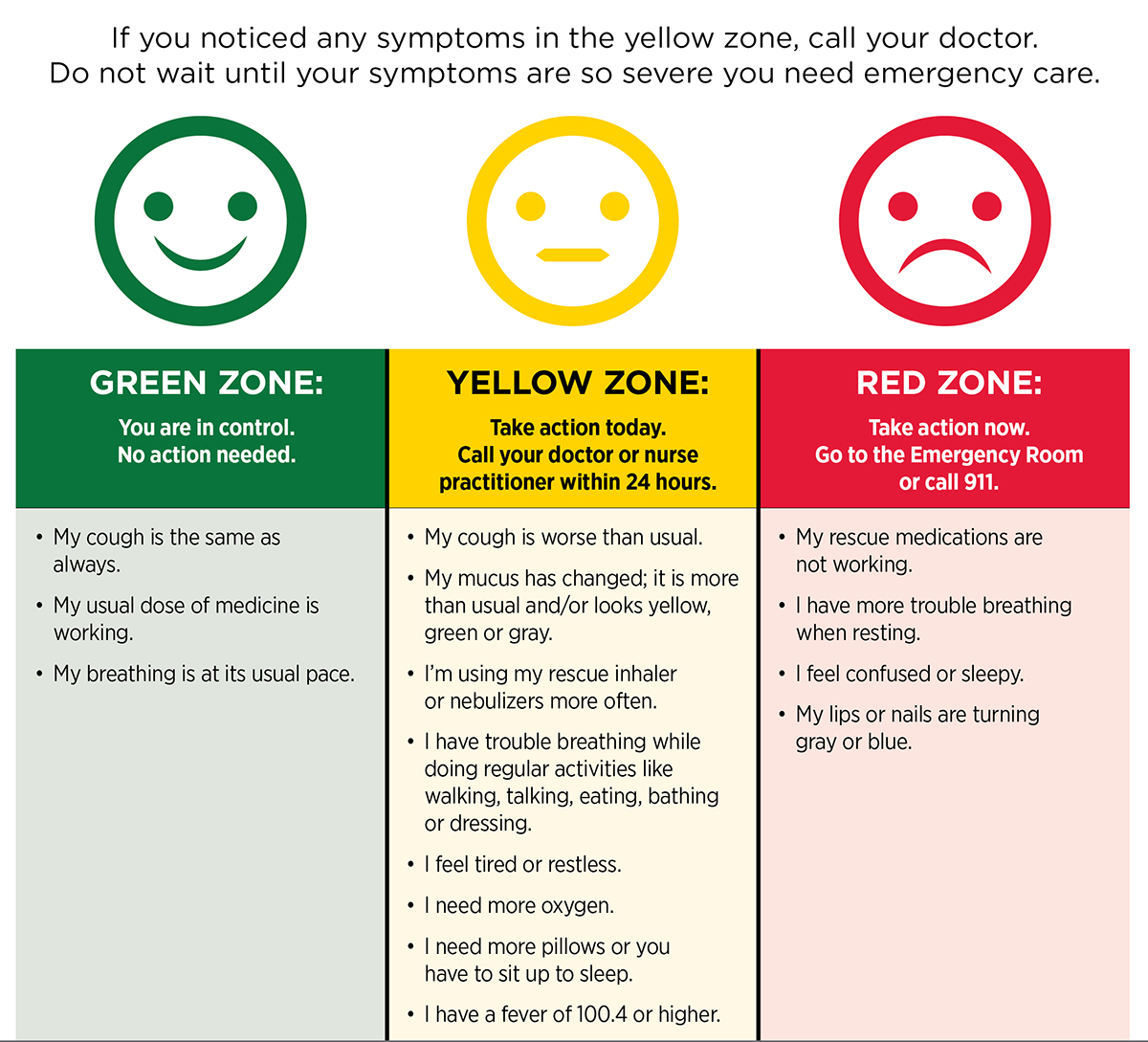
While general guidelines for oxygen saturation exist (e.g., often aiming for 88-92% for stable COPD patients to avoid hyperoxia), the ideal range for an individual can vary. AI and ML algorithms excel at processing vast amounts of personal health data – including oxygen levels, activity, sleep patterns, symptom logs, medication adherence, and even environmental factors like air quality – to generate personalized insights. These algorithms can learn an individual’s unique physiological responses, identifying their optimal “zone” rather than adhering strictly to a universal standard.
For instance, an AI might learn that a patient typically desaturates during specific activities or at certain times of day, or that their optimal walking pace maintains SpO2 above a critical threshold. This data-driven personalization allows for more nuanced and effective adjustments to oxygen flow, activity recommendations, and overall lifestyle choices, aiming to keep the patient within their personal “good oxygen level” range most effectively.
Early Warning Systems for Exacerbations
One of the most significant advancements AI brings to COPD management is its potential for early prediction of exacerbations – acute worsening of respiratory symptoms that often require hospitalization. By continuously analyzing data from wearables and other monitoring devices, AI algorithms can detect subtle shifts and patterns that precede an exacerbation, sometimes days or even weeks before a patient might feel significantly unwell.

These patterns could include minor but consistent drops in average nocturnal oxygen saturation, increased heart rate variability, changes in activity levels, or even slight shifts in breathing patterns detected by advanced sensors. When such anomalies are identified, the AI system can alert the patient and their care team, prompting early intervention (e.g., medication adjustment, increased monitoring, or a teleconsultation). This proactive approach can potentially prevent severe exacerbations, reduce hospitalizations, and significantly improve patient outcomes and quality of life.
Telemedicine and Remote Patient Monitoring
AI further enhances telemedicine and remote patient monitoring (RPM) platforms. Beyond simply transmitting data, AI tools within RPM systems can intelligently filter, prioritize, and interpret the data for healthcare providers. This means doctors aren’t overwhelmed by raw data but receive actionable summaries and alerts for patients who need immediate attention.
AI-powered dashboards can highlight trends, flag potential issues, and even suggest questions for doctors to ask during virtual consultations. This efficiency allows healthcare providers to manage a larger cohort of patients more effectively, providing timely and personalized advice based on continuous, comprehensive data. For COPD patients, this translates to more frequent and convenient access to expert care, regardless of geographical barriers, ensuring their oxygen levels are consistently managed within a healthy range.
The Future of Respiratory Tech: Innovations on the Horizon
The pace of technological innovation promises even more sophisticated solutions for COPD patients, moving towards increasingly non-invasive, integrated, and predictive care models. The future of respiratory tech is focused on making monitoring seamless, interventions smarter, and patient engagement higher.
Advanced Non-Invasive Continuous Monitoring
Future innovations are likely to bring even more advanced, non-invasive sensors capable of continuous, accurate monitoring of oxygen saturation and other vital respiratory parameters without the need for cumbersome equipment. Imagine smart fabrics embedded with sensors, or unobtrusive skin patches that provide medical-grade data for days or weeks. Research is also exploring non-invasive methods to monitor blood gases directly, moving beyond SpO2 to offer a fuller picture of respiratory function, all while being comfortable and discreet for the user.
IoT-Enabled Home Oxygen Delivery Systems
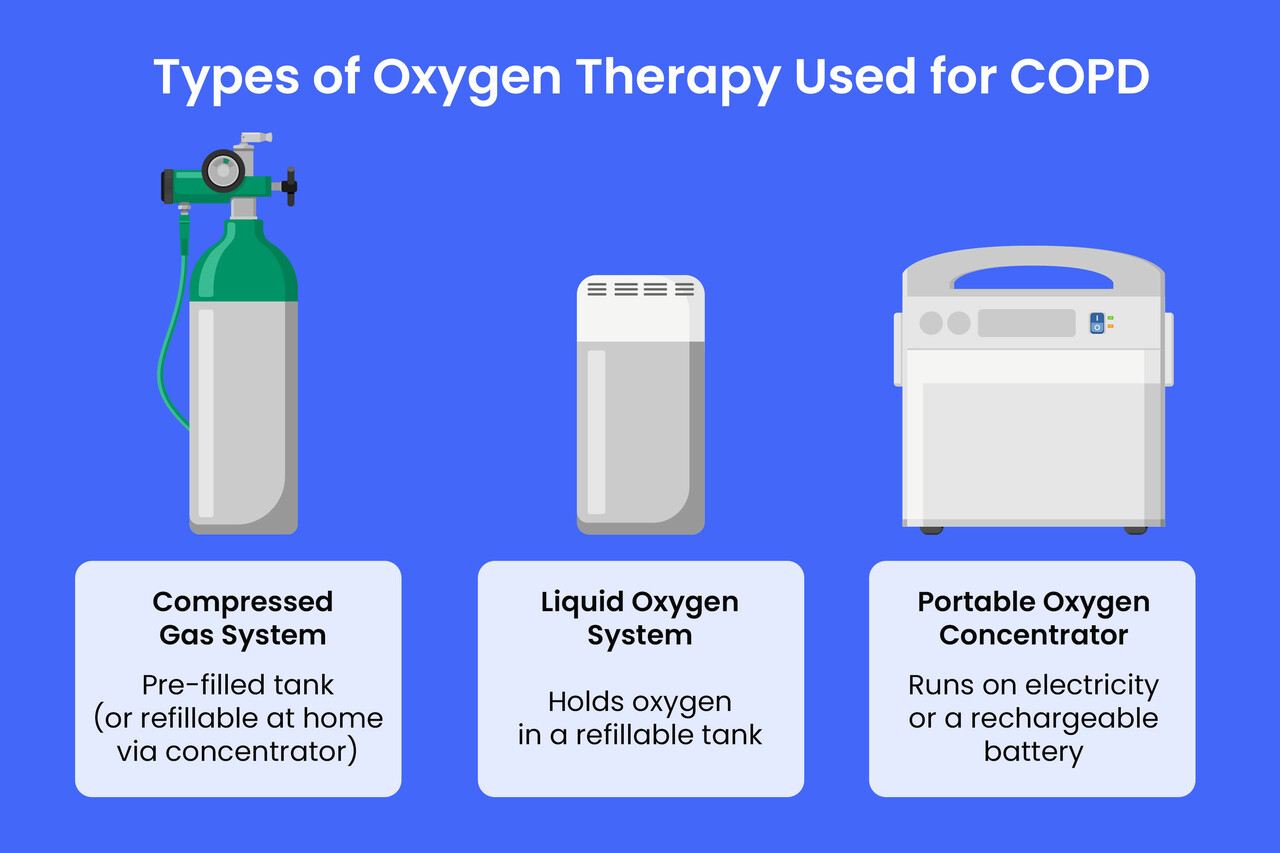
The Internet of Things (IoT) is set to revolutionize home oxygen therapy. Smart oxygen concentrators, for example, could dynamically adjust oxygen flow rates based on real-time patient activity levels and SpO2 readings, automatically detected via integrated wearables. These devices could also monitor their own performance, predict maintenance needs, and seamlessly order refills or alert suppliers, ensuring an uninterrupted supply of oxygen. Such systems would minimize manual adjustments, reduce patient anxiety, and ensure consistent, optimized oxygen delivery tailored to the individual’s moment-to-moment needs.
Virtual Reality and Gamification for Pulmonary Rehabilitation
Technology extends beyond monitoring to active treatment and rehabilitation. Virtual Reality (VR) and gamification are emerging as powerful tools for pulmonary rehabilitation (PR). VR environments can make breathing exercises and physical activity more engaging and immersive, motivating patients to adhere to their PR programs. Gamified apps can provide structured exercise routines, track progress, and offer rewards, making the challenging journey of improving lung function and managing oxygen levels more enjoyable and sustainable. This increased engagement can significantly improve exercise capacity and, consequently, contribute to maintaining good oxygen levels.
Data Security and Privacy in Health Tech
As technology becomes more integral to managing chronic conditions like COPD, the security and privacy of sensitive health data become paramount. The reliance on digital platforms for collecting, storing, and sharing personal medical information necessitates robust safeguards.
Protecting Sensitive Health Information
Developers of health tech solutions are acutely aware of the need for stringent data protection. Adherence to global regulations such as HIPAA in the United States and GDPR in Europe is non-negotiable. This involves implementing strong encryption protocols for data both in transit and at rest, employing secure authentication methods, and conducting regular security audits. The goal is to ensure that personal oxygen level data, along with other health information, remains confidential and protected from unauthorized access or breaches. Patients must feel confident that their most personal health details are handled with the utmost care and security.
User Empowerment and Data Control
Beyond regulatory compliance, modern health tech platforms increasingly focus on user empowerment and data control. Patients are given clear mechanisms to understand what data is being collected, how it’s being used, and with whom it’s being shared. Features like granular consent controls allow individuals to decide precisely which pieces of information their healthcare providers, family members, or other authorized parties can access. The principle of data portability also ensures that patients can access their own data and transfer it between different healthcare providers or applications, fostering a patient-centric approach to health management.
Conclusion
Determining “what is a good oxygen level for someone with COPD” is no longer a static, generalized medical question but an evolving, personalized journey empowered by technology. Digital health tools, from smart pulse oximeters to advanced wearables, provide unprecedented data transparency. Artificial intelligence and machine learning transform this data into predictive insights and individualized recommendations. Future innovations promise even more seamless, integrated, and proactive care. While technology never replaces the expertise of medical professionals, it acts as a powerful amplifier, enabling patients and their healthcare teams to better understand, monitor, and manage oxygen levels. By harnessing the full potential of these technological advancements, individuals with COPD can achieve a more stable, informed, and higher quality of life, consistently aiming for and maintaining their optimal oxygen saturation within their uniquely defined, tech-enabled “good level.”
aViewFromTheCave is a participant in the Amazon Services LLC Associates Program, an affiliate advertising program designed to provide a means for sites to earn advertising fees by advertising and linking to Amazon.com. Amazon, the Amazon logo, AmazonSupply, and the AmazonSupply logo are trademarks of Amazon.com, Inc. or its affiliates. As an Amazon Associate we earn affiliate commissions from qualifying purchases.