
In the rapidly evolving landscape of digital entertainment, Amazon Prime Video has emerged as a cornerstone of the modern streaming experience. While many users associate the service simply with “watching TV,” the underlying technology, integration within the broader Amazon ecosystem, and the sophisticated software architecture make it a complex subject for tech enthusiasts and casual viewers alike. To understand what Amazon Prime TV shows are, one must look beyond the content and examine the software, hardware, and data-driven delivery systems that power one of the world’s largest Over-The-Top (OTT) platforms.
The Technical Infrastructure of Amazon Prime Video
At its core, Amazon Prime Video is a sophisticated software application that leverages the power of Amazon Web Services (AWS) to deliver high-definition content to millions of concurrent users worldwide. Unlike traditional broadcast television, which relies on linear schedules and satellite signals, Prime Video operates on a packet-switched network, utilizing Content Delivery Networks (CDNs) to minimize latency and ensure smooth playback regardless of the user’s geographic location.
Cloud-Native Content Delivery
Because Amazon owns AWS, Prime Video benefits from a level of vertical integration that few competitors can match. When a user selects a TV show, the request is processed through an edge location—a data center situated close to the user—to reduce “ping” or delay. This infrastructure allows for “Adaptive Bitrate Streaming,” a technology that monitors a user’s internet speed in real-time. If the connection fluctuates, the software automatically adjusts the video resolution from 4K to 1080p or lower, preventing the dreaded buffering wheel.
Codecs and Compression Standards
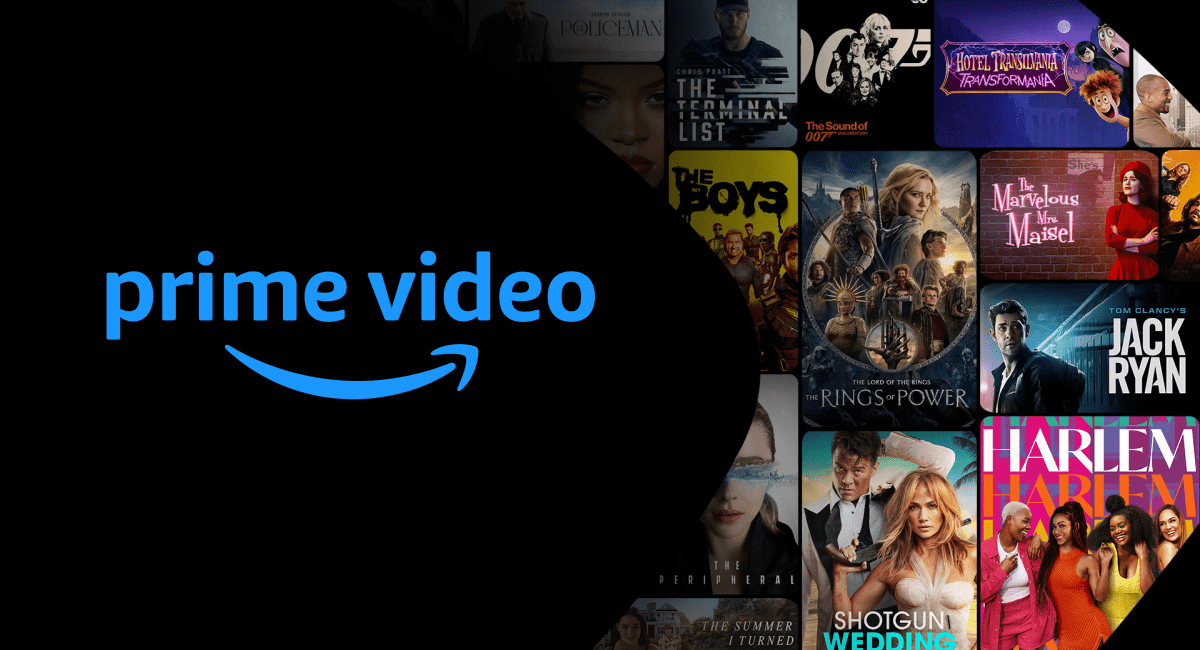
The high visual fidelity of Prime Video’s original series, such as The Rings of Power or The Boys, is made possible through advanced video compression standards. The platform utilizes H.264 (AVC) and H.265 (HEVC) codecs to deliver high-resolution images while keeping file sizes manageable for standard home broadband. For users with high-end displays, Prime Video supports HDR10+ and Dolby Vision, technologies that metadata-tag individual frames to optimize brightness, contrast, and color accuracy dynamically.
User Interface and the X-Ray Feature
The software experience of Prime Video is defined by its User Interface (UI), which is designed to provide seamless navigation across thousands of titles. However, the most significant technological differentiator for Prime Video is the “X-Ray” feature.
The Power of X-Ray (IMDb Integration)
Powered by IMDb (an Amazon-owned subsidiary), the X-Ray feature is a sophisticated metadata overlay. While a TV show is playing, the software identifies the actors on screen, the background music playing, and even trivia related to the specific scene. This is not a manual process for every frame; rather, it uses a combination of timestamped data and facial recognition technology to sync information with the video stream. For the tech-savvy viewer, this represents a massive leap in interactive media, turning a passive viewing experience into an information-rich session.
Algorithmic Recommendations
Prime Video employs machine learning algorithms to curate the “Home” screen for every user. By analyzing viewing history, genre preferences, and even the time of day a user watches content, the software builds a predictive model to suggest new shows. These algorithms are constantly refined through A/B testing, ensuring that the interface remains intuitive and that the “discoverability” of content remains high.
Device Compatibility and Software Ecosystem
A primary reason for the platform’s ubiquity is its cross-platform compatibility. The Prime Video application is engineered to run on a diverse array of hardware, each requiring specific optimization.
Smart TVs and Streaming Sticks
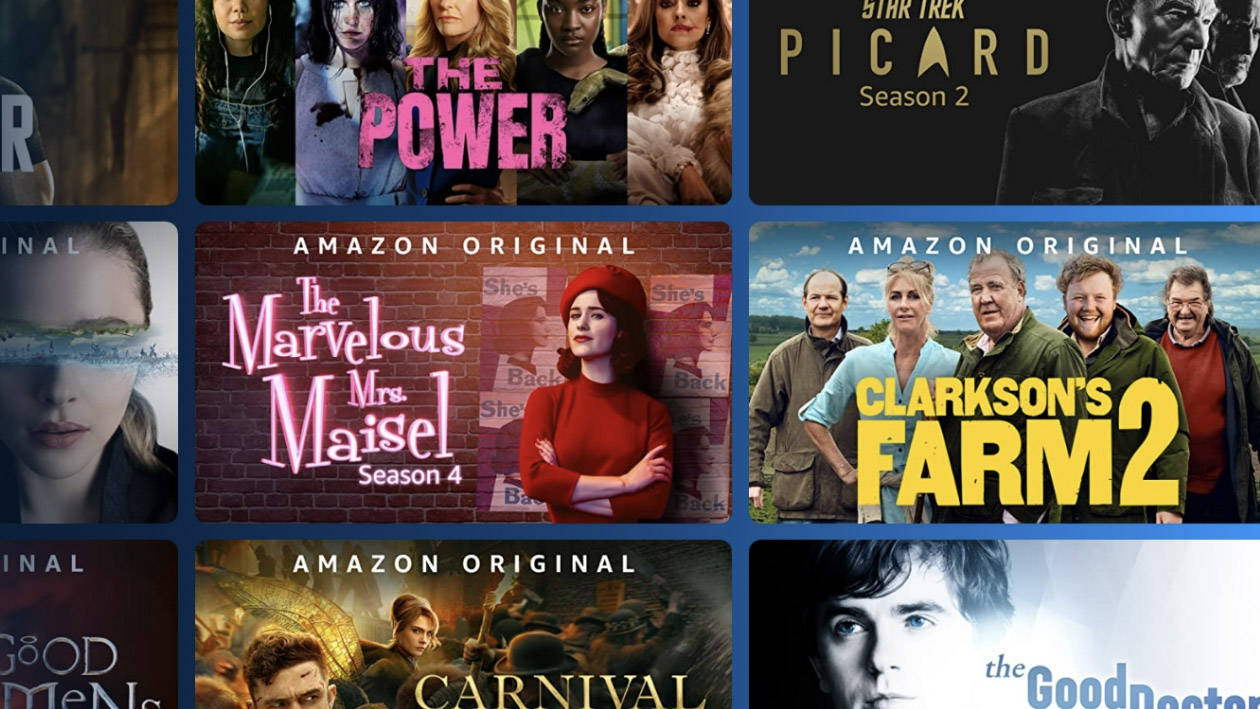
The Prime Video app is a staple on hardware like the Amazon Fire TV Stick, Roku, and Apple TV. On Fire TV devices, the integration is even deeper; the operating system (Fire OS) is built around the Prime Video library, allowing for system-level voice commands via Alexa. Users can say, “Alexa, play The Marvelous Mrs. Maisel,” and the hardware-software handshake will bypass several navigation layers to start the stream immediately.
Mobile and Offline Viewing Tech
On iOS and Android, the Prime Video app offers sophisticated offline viewing capabilities. This involves Secure Digital Rights Management (DRM) technology, which allows the software to download an encrypted version of a TV show to the device’s local storage. This file is “locked” to the app and includes an expiration timer, ensuring that the content remains secure while providing the user the flexibility to watch without an internet connection.
Gaming Consoles and Web Browsers
The architecture extends to gaming consoles (PlayStation and Xbox) and HTML5-based web players. Each version of the app is optimized for the specific input method—be it a game controller, a remote, or a mouse—demonstrating a highly responsive design philosophy that prioritizes user accessibility across various hardware specifications.
Security, Privacy, and Digital Rights Management
When discussing digital TV shows, security is a paramount technical concern. Amazon Prime Video utilizes robust encryption protocols to protect both the content creators and the users.
DRM and Widevine
To prevent unauthorized distribution and piracy, Prime Video uses Digital Rights Management (DRM) systems like Google’s Widevine or Apple’s FairPlay. These systems ensure that the video stream is encrypted from the server to the screen. This is why some devices may only support SD playback if they lack the necessary hardware-level security certifications (known as Widevine L1).
Parental Controls and Profile Management
The software includes granular parental control settings. By implementing “Profile” technology, Amazon allows multiple users on a single account to have personalized environments. This includes the ability to set PIN-protected restrictions based on content ratings, which is managed through the account’s digital permissions settings. This ensures that the technical environment remains safe for all users within a household.
The Future of Prime Video: AI and Live Streaming Tech
As technology advances, the definition of “Amazon Prime TV shows” is expanding to include live events and AI-enhanced viewing.
Low-Latency Live Streaming
Amazon has made significant strides in live sports streaming, such as Thursday Night Football. The technical challenge here is reducing “glass-to-glass” latency—the time it takes for an event to happen in the stadium and appear on a viewer’s screen. Amazon utilizes optimized “chunked” streaming methods and high-performance ingestion points to ensure that the delay is minimal, often rivaling traditional cable broadcasts.
AI-Driven Accessibility
Looking forward, Amazon is integrating AI to improve accessibility. This includes “Dialogue Boost,” an AI-based feature that analyzes the audio track and enhances the volume of speech relative to background noise and music. This is a significant development in digital signal processing (DSP), allowing users to customize their audio experience without needing expensive home theater hardware.
Interactive Media and Shoppable Content
We are also seeing the rise of “shoppable TV.” Through the Prime Video interface, viewers can sometimes identify clothing or products worn by characters in a show and purchase them directly via a linked Amazon account. This integration of e-commerce software and video streaming marks a new frontier in how digital platforms monetize engagement through tech-driven convenience.

Conclusion
Amazon Prime TV shows represent more than just a catalog of entertainment; they are the output of a massive, interconnected digital ecosystem. From the AWS servers that host the data to the machine learning algorithms that suggest your next favorite series, the platform is a testament to the power of modern software engineering. By combining high-fidelity audio-visual tech with innovative features like X-Ray and cross-device synchronization, Prime Video has set a high standard for what users expect from a digital streaming service. As AI and cloud computing continue to evolve, the technology behind these shows will only become more immersive, personalized, and efficient.
aViewFromTheCave is a participant in the Amazon Services LLC Associates Program, an affiliate advertising program designed to provide a means for sites to earn advertising fees by advertising and linking to Amazon.com. Amazon, the Amazon logo, AmazonSupply, and the AmazonSupply logo are trademarks of Amazon.com, Inc. or its affiliates. As an Amazon Associate we earn affiliate commissions from qualifying purchases.